

Commentary
Uri Dadush
{
  "authors": [
    "Uri Dadush"
  ],
  "type": "legacyinthemedia",
  "centerAffiliationAll": "",
  "centers": [
    "Carnegie Endowment for International Peace"
  ],
  "collections": [],
  "englishNewsletterAll": "",
  "nonEnglishNewsletterAll": "",
  "primaryCenter": "Carnegie Endowment for International Peace",
  "programAffiliation": "",
  "programs": [],
  "projects": [],
  "regions": [
    "North America",
    "United States",
    "Southern, Eastern, and Western Africa",
    "South Asia",
    "India",
    "East Asia",
    "China"
  ],
  "topics": [
    "Economy"
  ]
}
REQUIRED IMAGE
Over the past several decades, the World Bank has broadened its approach to growth and poverty reduction by moving beyond hard infrastructure initiatives to systemic reforms in education and health care and the development of social safety nets.
Source: C-SPAN
Speaking on C-SPAN’s Washington Journal, Uri Dadush provided a primer on the World Bank’s mission and operations. He discussed how the bank’s approach to development has evolved over the years; outgoing president Robert Zoellick’s achievements at the bank; and the institution’s intense engagement with Africa. Over the past several decades, Dadush noted, the World Bank has broadened its approach to growth and poverty reduction, shifting from “projects” to “programs” and moving beyond hard infrastructure initiatives—the construction of roads, bridges, and power stations—to systemic reforms in education and health care and the development of social safety nets. The bank has made mistakes, but also learned from them, Dadush added; it has played a critical role, moreover, in launching the green revolution, which helped increase agricultural productivity and reduce poverty, and eradicate river blindness, among other accomplishments.

Former Senior Associate, International Economics Program
Dadush was a senior associate at the Carnegie Endowment for International Peace. He focuses on trends in the global economy and is currently tracking developments in the eurozone crisis.
Recent Work
Uri Dadush
Uri Dadush
Carnegie does not take institutional positions on public policy issues; the views represented herein are those of the author(s) and do not necessarily reflect the views of Carnegie, its staff, or its trustees.

By failing to address Palestinian representation, the current process is bound to lead to just another temporary arrangement.

Nathan J. Brown

The armed forces champion a form of capitalism that is generating revenue, but its reliance on rent faces diminishing returns, leaving the country with massive sunk costs and deferred returns, deepening dependency on external borrowing.

Yezid Sayigh

Morocco and Algeria, each in its own way, are having to navigate the global economic fallout of the U.S.-Israeli military campaign against Iran.

Yasmine Zarhloule
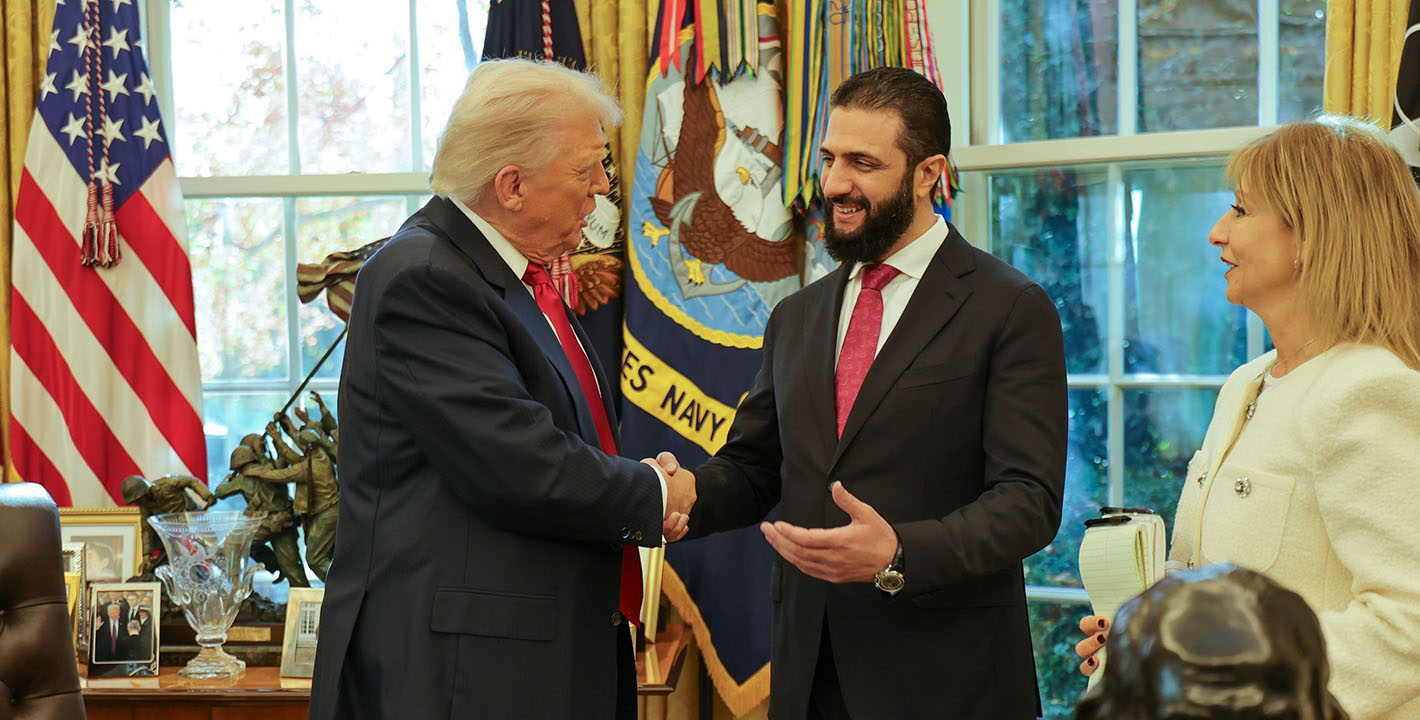
Any move by the United States to make good on Trump’s suggestion that Washington persuade Damascus to confront Hezbollah militarily would have catastrophic consequences.

Kheder Khaddour
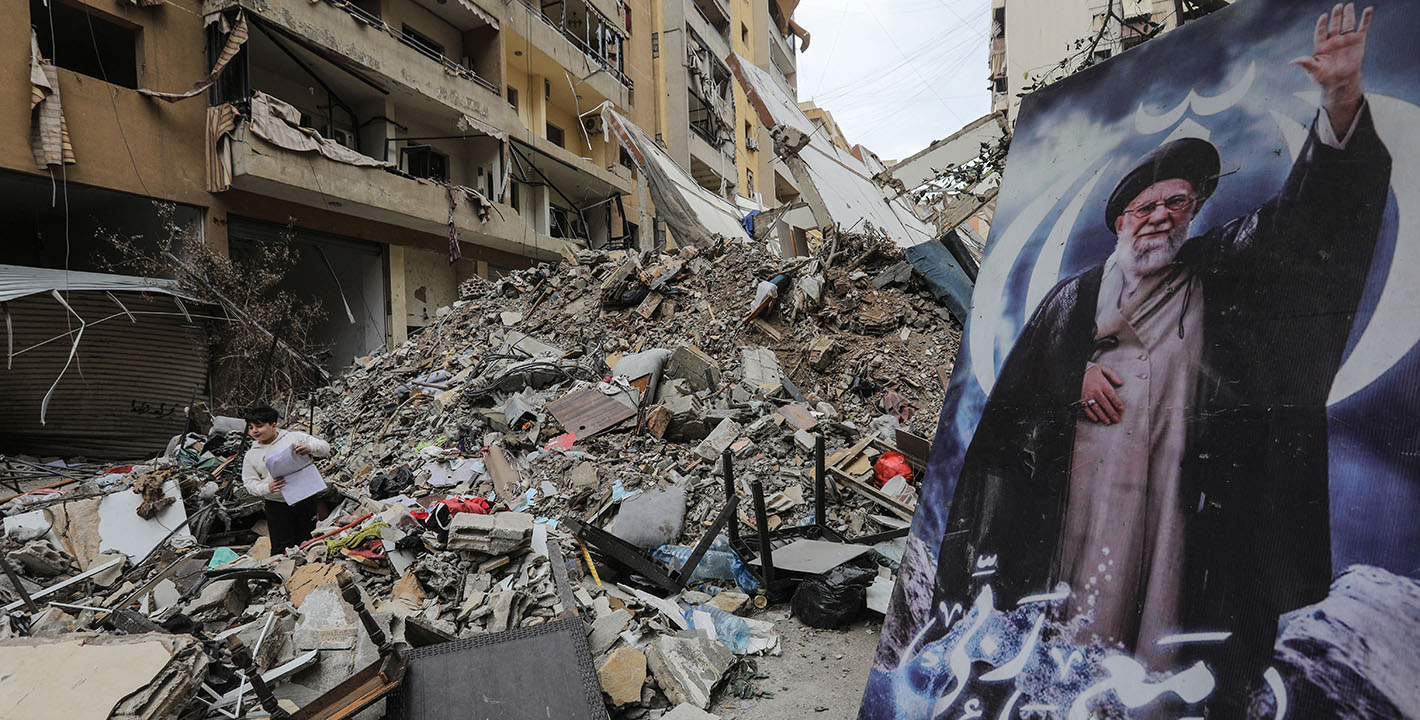
As talks begin between Washington and Tehran, Beirut has an opening to advance a regional plan for the party’s disarmament.

Michael Young