

Q&A
Aaron David Miller, Karim Sadjadpour, Robin Wright
{
  "authors": [
    "Karim Sadjadpour"
  ],
  "type": "legacyinthemedia",
  "centerAffiliationAll": "dc",
  "centers": [
    "Carnegie Endowment for International Peace"
  ],
  "collections": [],
  "englishNewsletterAll": "menaTransitions",
  "nonEnglishNewsletterAll": "",
  "primaryCenter": "Carnegie Endowment for International Peace",
  "programAffiliation": "MEP",
  "programs": [
    "Middle East"
  ],
  "projects": [],
  "regions": [
    "Middle East",
    "Iran"
  ],
  "topics": [
    "Political Reform",
    "Nuclear Policy"
  ]
}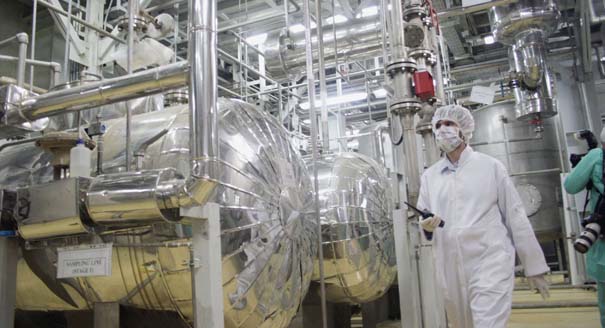
Source: Getty
Concern over Iran’s nuclear program often ignores the fact that Iran is still a significant amount of time from actually acquiring a nuclear weapon. This leaves policymakers with ample time to engage in diplomacy and develop coercive sanctions.
Source: MSNBC's Morning Joe
Speaking on MSNBC's Morning Joe, Carnegie's Karim Sadjadpour stated that, as tensions between the Obama administration and Israel over Iran’s nuclear program continue, much discussion has focused on whether or not Iran can be counted on as a rational actor in international politics. Sadjadpour explained that “Iran is a rational actor in the sense that staying in power is paramount. The regime is homicidal but it is not suicidal.” However, it will ultimately prove extremely difficult to reach a modus vivendi with a regime that relies on anti-Americanism as an inextricable component of its ideology, Sadjadpour added.
One of the chief points of contention between the Obama administration and the Israelis centers on how far away Iran is from developing the capacity to weaponize its nuclear program. Sadjadpour said that the Iranians are at a minimum of two years before they will be able to have the bomb. “The reality is we often talk ourselves into hyperventilation on this issue, but there is still a significant amount of time to engage in diplomacy,” he concluded.

Senior Fellow, Middle East Program
Karim Sadjadpour is a senior fellow at the Carnegie Endowment for International Peace, where he focuses on Iran and U.S. foreign policy toward the Middle East.
Recent Work


Aaron David Miller, Karim Sadjadpour, Robin Wright
Aaron David Miller, David Petraeus, Karim Sadjadpour
Carnegie does not take institutional positions on public policy issues; the views represented herein are those of the author(s) and do not necessarily reflect the views of Carnegie, its staff, or its trustees.

In an interview, Marc Lynch discusses his new book decrying the post-1990 U.S.-dominated order in the Middle East.

Michael Young

Because perpetual conflict enhances control, offers economic benefits, and allows leaders to ignore popular preferences.

Angie Omar
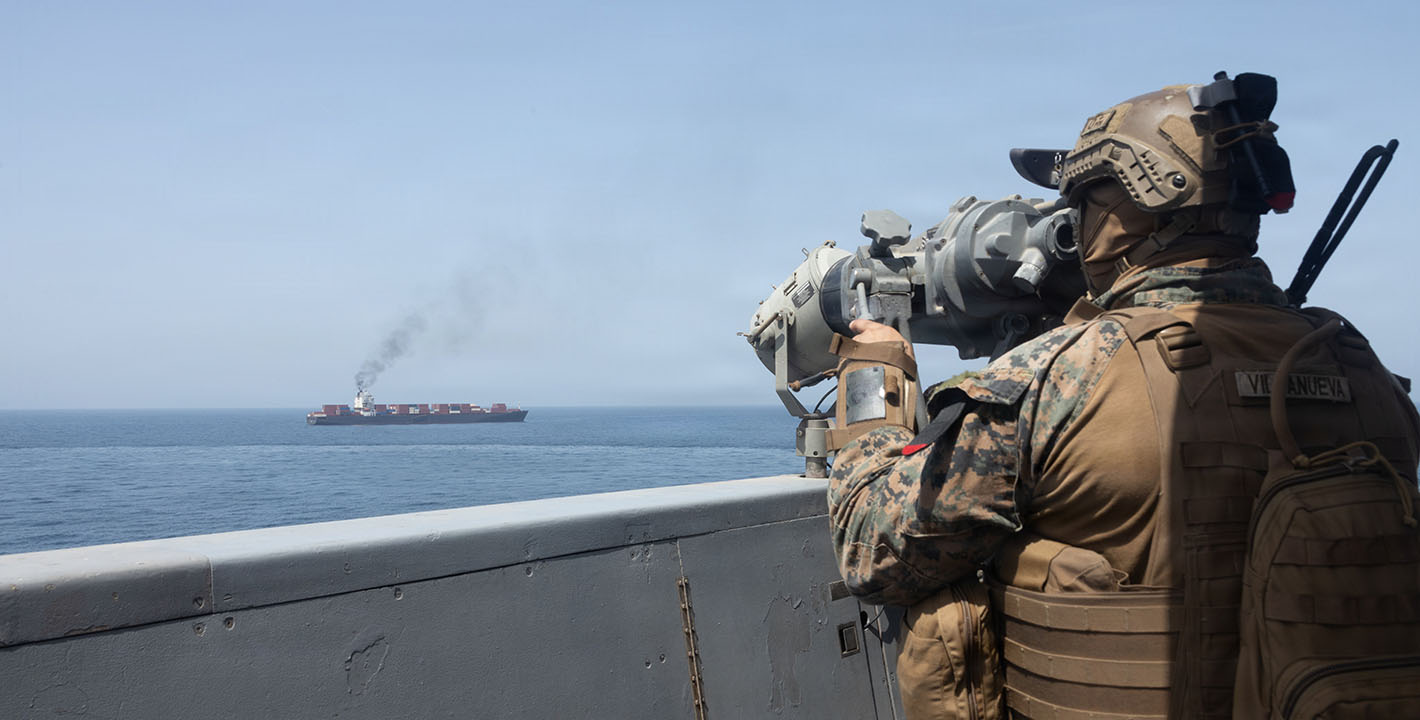
In an interview, Jim Lamson discusses the ongoing regional conflict and sees an unclear picture when it comes to winners and losers.
Michael Young
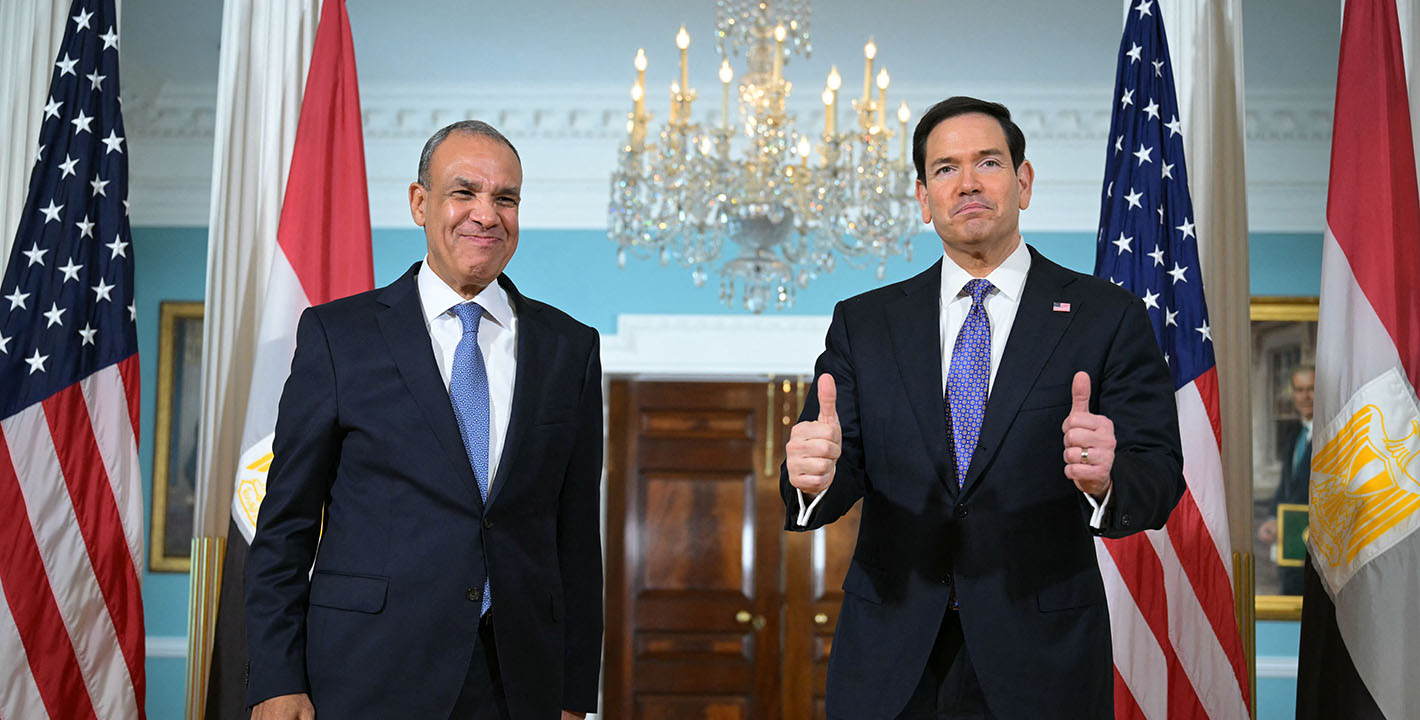
Cairo’s efforts send a message to the United States and the region that it still has a place at the diplomatic table.
Angie Omar
Beirut’s desire to break free from Iranian hegemony may push it into a situation where it has to accept Israel’s hegemony.
Michael Young