

Commentary
Alexey Malashenko
{
  "authors": [
    "Alexey Malashenko"
  ],
  "type": "other",
  "centerAffiliationAll": "",
  "centers": [
    "Carnegie Endowment for International Peace",
    "Carnegie Europe",
    "Carnegie Russia Eurasia Center"
  ],
  "collections": [],
  "englishNewsletterAll": "",
  "nonEnglishNewsletterAll": "",
  "primaryCenter": "Carnegie Russia Eurasia Center",
  "programAffiliation": "",
  "programs": [],
  "projects": [
    "Eurasia in Transition"
  ],
  "regions": [
    "Asia"
  ],
  "topics": []
}
Source: Getty
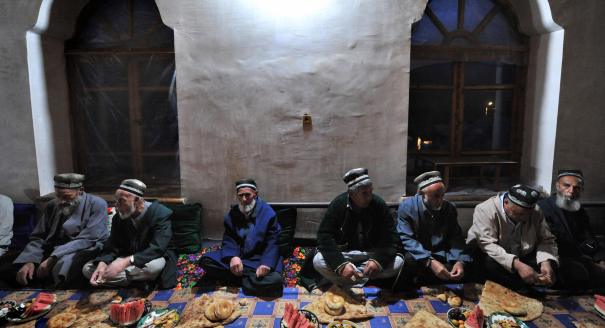
Tajikistan is among the most problematic countries in Central Asia. The country faces a number of challenges, including an economic crisis, regionalism, domestic political confrontation, and radical Islam.
In terms of internal and external security, Tajikistan has been among the most problematic countries in Central Asia. It is the only state in the region to have gone through a protracted civil war (1992-1997), which, according to various estimates, killed between 23,500 and 100,000 people (perhaps even more) and left the economy in ruins. The causes of this war were rooted not only in political confrontation, but also in confrontation between different regions, clans, and personalities, as well as confrontation within Islam between those who sought to build a secular state and those who wanted an Islamic state.
In his new Briefing, Alexey Malashenko writes about the current situation in Tajikistan and the country’s possible developments.
Former Scholar in Residence, Religion, Society, and Security Program
Malashenko is a former chair of the Carnegie Moscow Center’s Religion, Society, and Security Program.
Recent Work
Alexey Malashenko
Alexey Malashenko
Carnegie does not take institutional positions on public policy issues; the views represented herein are those of the author(s) and do not necessarily reflect the views of Carnegie, its staff, or its trustees.

China has aligned its cooperation model with Saudi Arabia’s own priorities, most notably since the kingdom unveiled its Vision 2030. Although China announced the Belt and Road Initiative in 2013, the big push in relations happened only after the ascendance of King Salman to the throne in 2015 and Riyadh’s push for Beijing to meet Saudi needs.

Hesham Alghannam
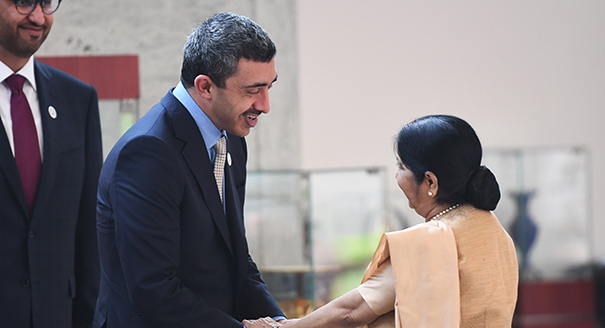
While New Delhi has begun to build on the synergies with the United Arab Emirates on counter-terrorism and long-term strategic economic cooperation, it has barely scratched the surface of what is possible in the domain of defense.
C. Raja Mohan
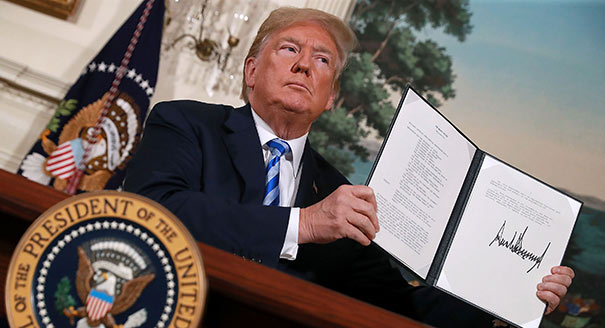
U.S. President Donald Trump’s decision to pull out of the Iran nuclear deal appears to have put regime change at the very center of the new American power play against Tehran.
C. Raja Mohan
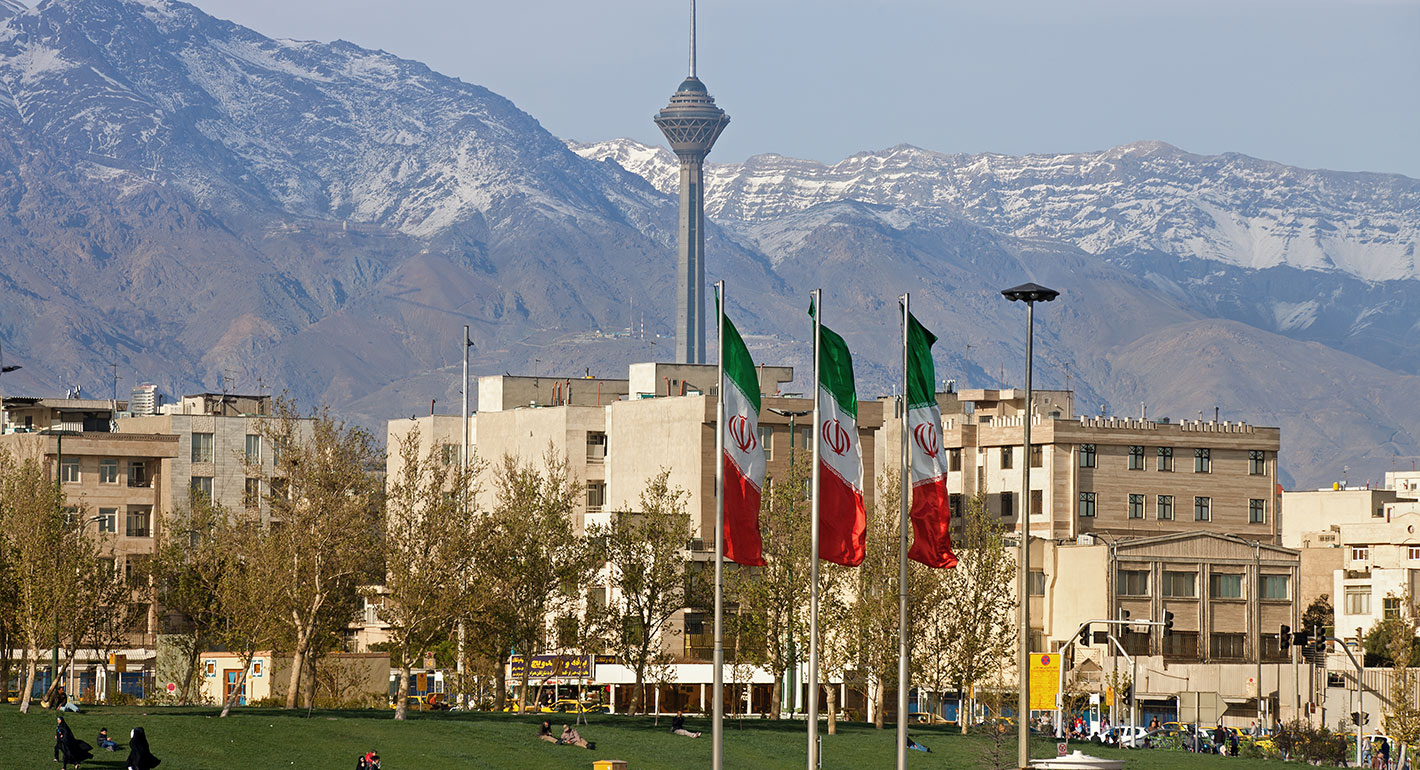
India must recognize the reality of regional conflicts in the Middle East and limit their impact on India’s ability to secure its goals in the region.
C. Raja Mohan
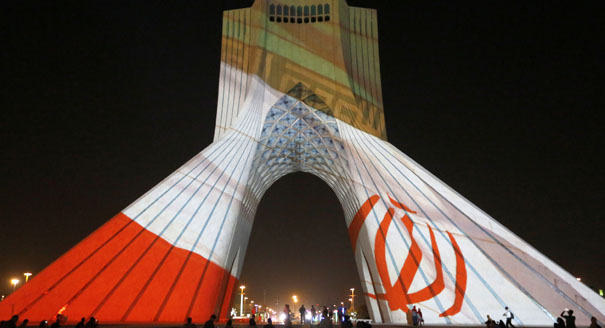
If past protests called for a reformation of the Islamic Republic established in 1979, some of the current slogans are calling for its overthrow. While few expect the protests to succeed, the legitimacy of the Islamic revolution is being challenged for the first time.
C. Raja Mohan