

Research
- +10
Rosa Balfour, Frances Z. Brown, Yasmine Farouk, …
{
  "authors": [
    "Moisés Naím"
  ],
  "type": "legacyinthemedia",
  "centerAffiliationAll": "",
  "centers": [
    "Carnegie Endowment for International Peace"
  ],
  "collections": [],
  "englishNewsletterAll": "",
  "nonEnglishNewsletterAll": "",
  "primaryCenter": "Carnegie Endowment for International Peace",
  "programAffiliation": "",
  "programs": [],
  "projects": [],
  "regions": [
    "North America",
    "South America"
  ],
  "topics": [
    "Economy"
  ]
}
Source: Getty
Sooner or later the situation in Argentina will become unsustainable, forcing the government to make unpopular and necessary changes in its economic policies to put the nation on a more sustainable path.
Source: Financial Times

There are of course many convoluted reasons behind the Argentine government’s contentious decision to reverse the privatisation of a few years ago. But objective observers will agree that this was not part of an overarching development strategy, nor a manifestation of resource nationalism – nor indeed any other carefully crafted initiative forming part of a broader design. Rather, cronyism, rifts between rival oligarchs, political expediency, populism and the wish to please a public resentful of the privatisations of the 1990s all played into the decision.
Given Argentina’s record with nationalisations, there is widespread scepticism that the government will run YPF efficiently. In the past decade, the Buenos Aires water company, the national airline, Aerolíneas Argentinas and several electricity companies that had been privatised in the 1990s have been renationalised with politically charged arguments similar to those used to justify YPF’s takeover.As Jorge Colina, an economist at the Institute of Argentine Social Development in Buenos Aires, explained to the journalist Charles Newbery, these government-run companies are accumulating colossal losses. Last year the state subsidy for them was 80 per cent larger than the spending on a child welfare programme.
Perhaps one of the most surprising and permanent traits of Argentina’s politics is what I would call a systemic learning disability. The public and Argentina’s leaders seem unable to learn from past experience. Ms Fernández’s brand of populism is not new in Argentina and has a well-known legacy of failure. Yet the same policies known to have failed in the past are still alluring for voters. And politicians such as Ms Fernández are more than happy to exploit the public’s thirst for initiatives that promise to restore the success that once defined their nation – even if the promises never materialise and the country has suffered from a long decline only interrupted by periodic booms that usually end in tears, or busts.
Under-investment, mismanagement, limited access to new technologies and the mistreatment of foreign partners are some of the ills that YPF shares with the Mexican oil group Pemex and Venezuela’s state oil company PDVSA. These are, of course, manifestations of the politicisation that has infected them. The political meddling goes beyond the cronyism and patronage that undermine their operations. Their governments impose crippling taxes and price controls and, in some cases, force them into activities that have nothing to do with their core mission.
Ms Fernández decided to nationalise YPF in the context of a rapidly deteriorating economic and political outlook. Economic imbalances have been accumulating and will inevitably force painful adjustments that the government has so far been able to avoid. Eliminating popular but unaffordable and regressive subsidies, the price controls that inhibit much-needed investment and bottlenecks that stifle competitiveness are only some of the changes that are necessary.
Argentina suffers from high inflation, slowing economic growth, ballooning subsidies, price controls, capital flight, decaying infrastructure and a less than welcoming environment for foreign investors. It has had limited access to the international financial system since defaulting on its debts in 2001. Many of the president’s erstwhile supporters are abandoning her and labour unrest is becoming more frequent.
The question is whether Argentina will at last make the changes in its economic policies that will put the nation on a more sustainable path. Sooner or later the situation will surely become unsustainable and force the government to undertake what will be unpopular reforms.
If Ms Fernández keeps postponing the reforms, her last years in office will be a political and economic nightmare. At that point, nationalising yet another company will achieve nothing and YPF will be the least of her problems.

Distinguished Fellow
Moisés Naím is a distinguished fellow at the Carnegie Endowment for International Peace, a best-selling author, and an internationally syndicated columnist.
Recent Work



Rosa Balfour, Frances Z. Brown, Yasmine Farouk, …
Moisés Naím
Carnegie does not take institutional positions on public policy issues; the views represented herein are those of the author(s) and do not necessarily reflect the views of Carnegie, its staff, or its trustees.
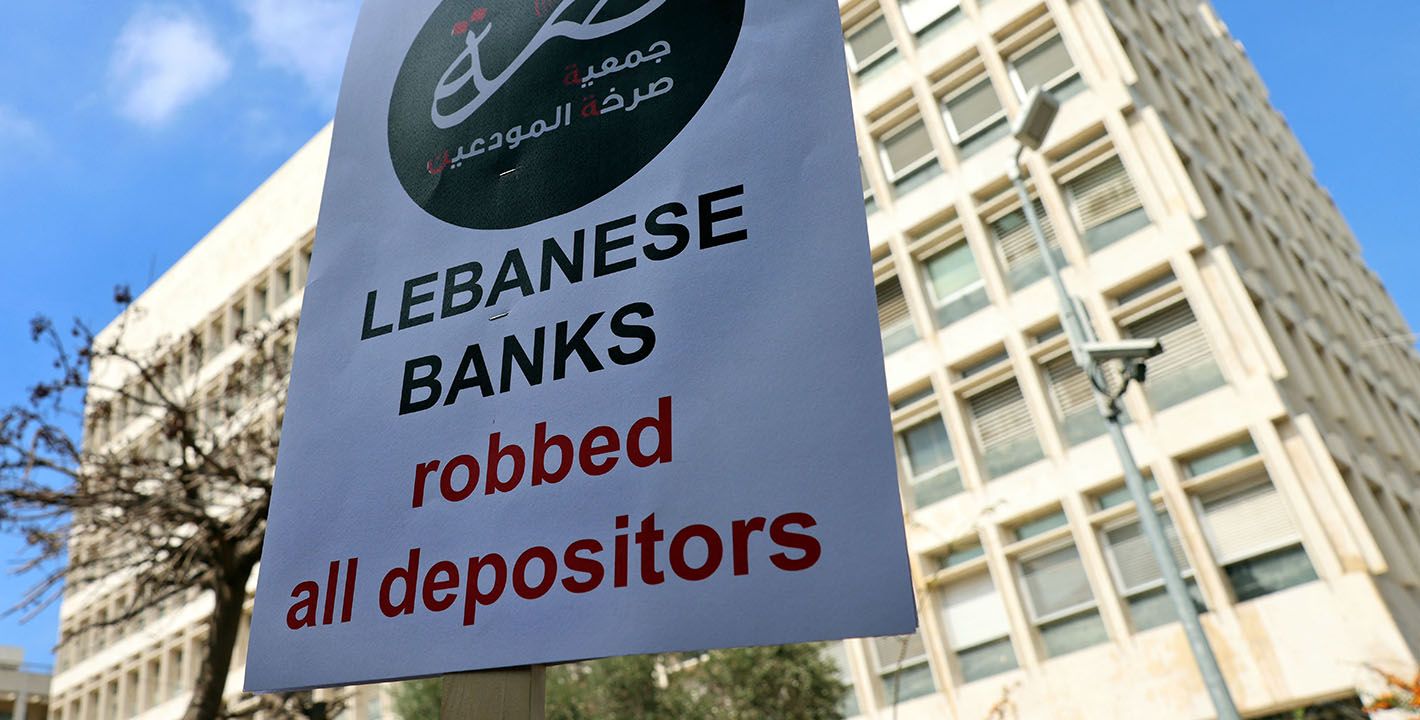
In an interview, Ishac Diwan looks at the merits and flaws in the draft legislation distributing losses from the financial collapse.

Michael Young
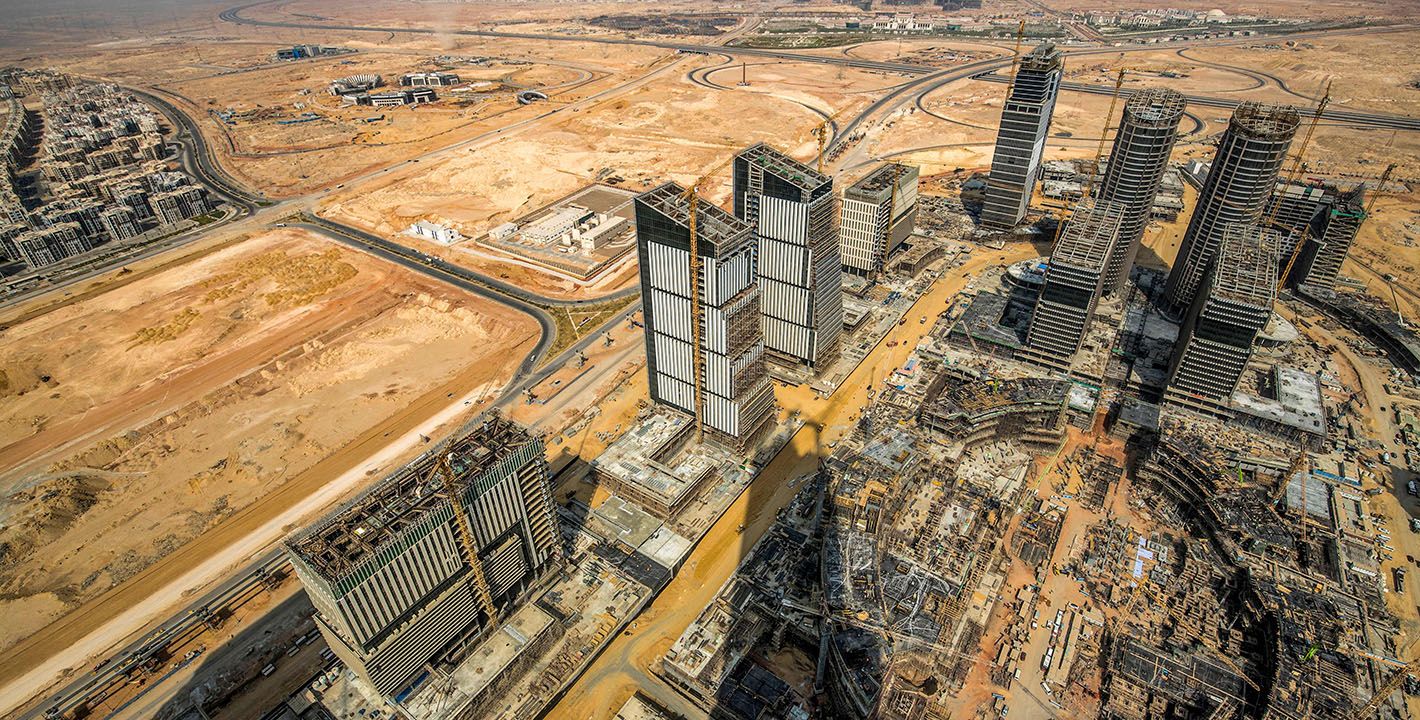
Mustaqbal Misr has expanded its portfolio with remarkable speed, but a lack of transparency remains.

Yezid Sayigh

Arab diaspora business communities in Egypt often mirror the same systemic challenges facing Egyptian businesses.

Nur Arafeh, Yezid Sayigh, Qaboul al-Absi, …

Largely characterized thus far by a single-minded focus on extractivism, Riyadh must commit to greater equitability in its approach to investment and development deals with Sudan, Ethiopia, and Eritrea.

Hesham Alghannam
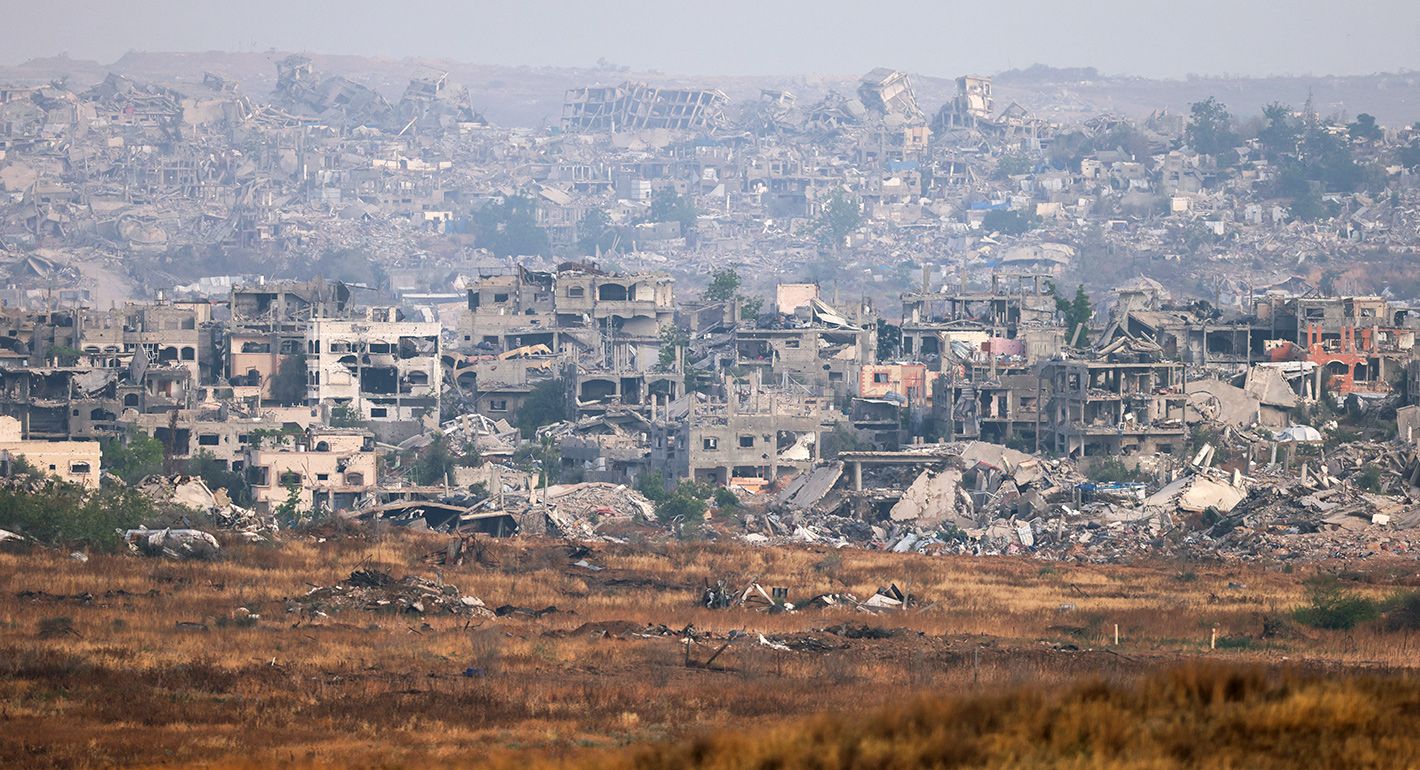
Once Israel’s war in the territory is brought to an end, the foundational principles guiding reconstruction should be Palestinian self-determination, local agency, and sovereignty.
Nur Arafeh, Mandy Turner