

Research
- +10
Rosa Balfour, Frances Z. Brown, Yasmine Farouk, …
{
  "authors": [
    "Moisés Naím"
  ],
  "type": "legacyinthemedia",
  "centerAffiliationAll": "",
  "centers": [
    "Carnegie Endowment for International Peace"
  ],
  "collections": [],
  "englishNewsletterAll": "",
  "nonEnglishNewsletterAll": "",
  "primaryCenter": "Carnegie Endowment for International Peace",
  "programAffiliation": "",
  "programs": [],
  "projects": [],
  "regions": [
    "North America",
    "South America"
  ],
  "topics": [
    "Economy",
    "Trade"
  ]
}
Source: Getty
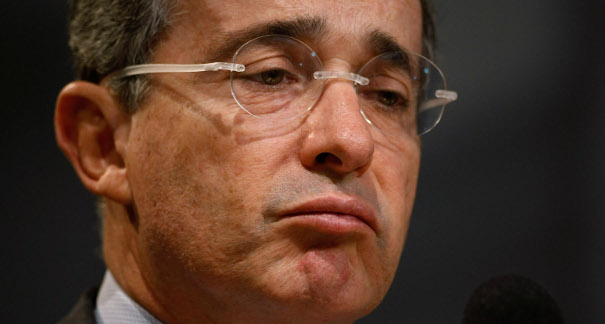
Although former president of Columbia Álvaro Uribe is currently facing sharp criticism, it is hard to dispute the fact that Uribe left his country better than how he found it.
Source: El País

Attacks on Uribe are also common in the media, where columnists and commentators denounce him constantly and ferociously. This is surprising, for Uribe culminated his presidency with a 75-percent approval rating. And, though the attacks have eroded his support, he is still immensely popular in Colombia, and widely respected abroad.
There are good reasons for this. During his presidency, the country underwent an almost miraculous transformation. At the end of the 1990s, Colombia rivaled Afghanistan on the blacklist of states dominated by the drug trade. Now it shares with Chile and Brazil the short list of successful Latin American countries.When Uribe came to the presidency, in 2002, the guerrillas and the paramilitary organizations had immense power. More than 300 mayoralties had been abandoned by the government, almost 3,000 kidnapped Colombians were held hostage, and traveling on the nation's main highways was dangerous. Uribe began a no-holds-barred fight against the armed groups, which was largely successful. By the end of his mandate, in 2010, the Colombian state had regained control, and the FARC are now cornered.
The security improvement brought an economic upturn. Colombia has been growing at five percent annually, three points more than the world average. In 2006 it rose to six percent. Almost three million jobs were created, and unemployment fell from 22 percent to 12. Exports tripled, as did foreign investment; inflation fell to 3.7 percent; poverty diminished from 56 percent to 45. Spending on public healthcare and education increased, though the war consumes a lot of public money.
This does not mean that all is well in Colombia. Poverty is still massive and the inequality is intolerable. Corruption continues to be high. The FARC still have some 8,000 men and new criminal gangs have proliferated. Only 15 percent of highways are paved.
When I ask Uribe about his tense relations with his onetime defense minister and now president, Juan Manuel Santos, he answers that he does not wish to talk of “personal woes.” But he is not shy to stress that he feels that his country is backsliding . “I didn’t leave behind a paradise, but I did leave a country moving on the right path, and now I’m worried about how things are going.” Concretely, he complained of the deterioration in the security situation and of “ambiguous signs in international relations and in the defense of democracy.” As for this last point, and referring to his successor’s smoother relations with Hugo Chávez, he was emphatic: “One of the problems is the obsequiousness of certain leaders with dictators. I was never obsequious to these new dictatorships.” In exchange for better relations, “the government of Venezuela has given President Santos some consolation prizes, low-level people in the FARC. The real ringleaders are still given safe havens in Venezuela.”
I also asked Uribe about the unconditional support which the ex-president of Brazil, Lula da Silva, gave to Chávez, and asked him to expand on what he wrote in Twitter: “Lula fought Chávez in his absence and trembled at Chávez in his presence.” Uribe smiled wryly and said: “Let’s leave it at that.”
Lastly I asked him: Why are they attacking you so much in Colombia? “When I made the hard decisions that had to be made, I knew I was treading on very powerful interests – of criminals and their allies installed in society and politics – and I knew they would never forgive me. And I’m paying for it now.”
For his millions of sympathizers this is obvious. For his ferocious critics, this is just another of Uribe’s tricks to silence them. What is very hard to dispute is the fact that Uribe left his country better than how he found it.

Distinguished Fellow
Moisés Naím is a distinguished fellow at the Carnegie Endowment for International Peace, a best-selling author, and an internationally syndicated columnist.
Recent Work



Rosa Balfour, Frances Z. Brown, Yasmine Farouk, …
Moisés Naím
Carnegie does not take institutional positions on public policy issues; the views represented herein are those of the author(s) and do not necessarily reflect the views of Carnegie, its staff, or its trustees.

The armed forces champion a form of capitalism that is generating revenue, but its reliance on rent faces diminishing returns, leaving the country with massive sunk costs and deferred returns, deepening dependency on external borrowing.

Yezid Sayigh

Morocco and Algeria, each in its own way, are having to navigate the global economic fallout of the U.S.-Israeli military campaign against Iran.

Yasmine Zarhloule
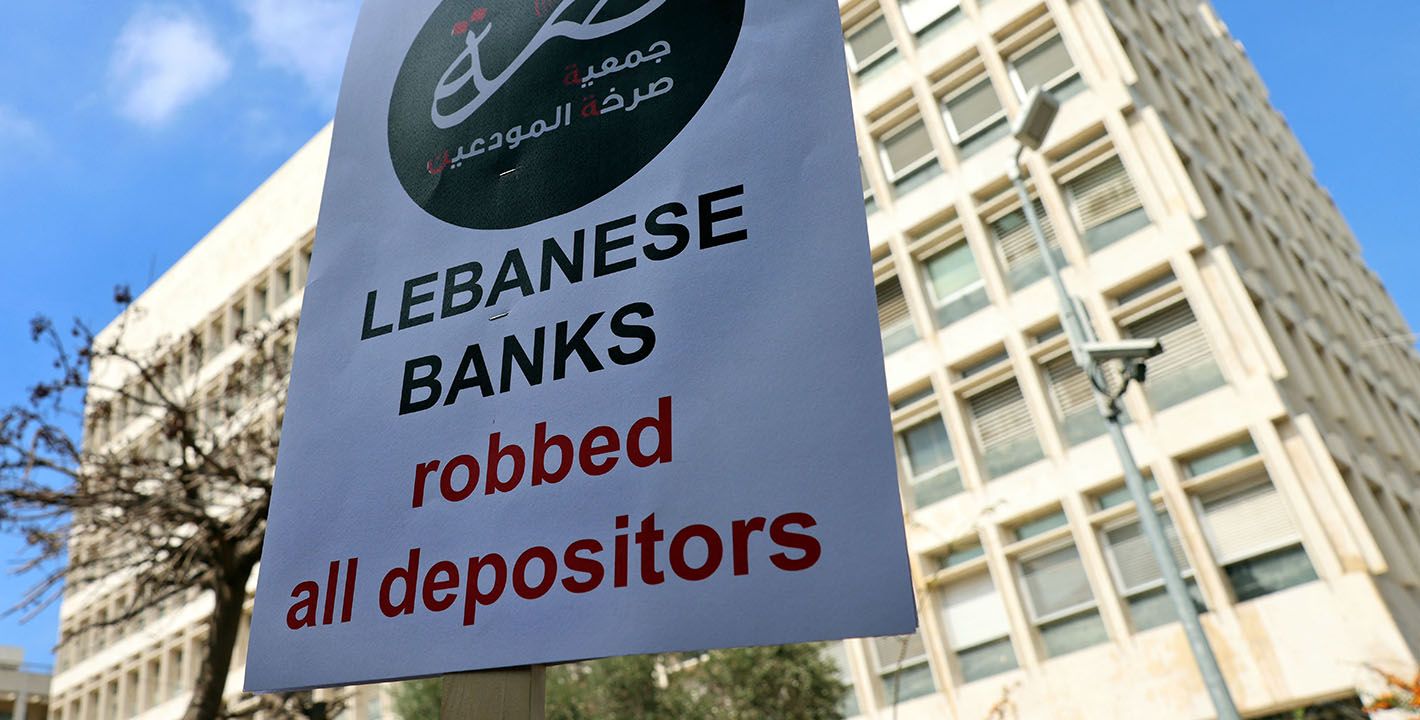
In an interview, Ishac Diwan looks at the merits and flaws in the draft legislation distributing losses from the financial collapse.

Michael Young

Mustaqbal Misr has expanded its portfolio with remarkable speed, but a lack of transparency remains.
Yezid Sayigh

Arab diaspora business communities in Egypt often mirror the same systemic challenges facing Egyptian businesses.

Nur Arafeh, Yezid Sayigh, Qaboul al-Absi, …