

Commentary
Uri Dadush
{
  "authors": [
    "Uri Dadush"
  ],
  "type": "legacyinthemedia",
  "centerAffiliationAll": "",
  "centers": [
    "Carnegie Endowment for International Peace"
  ],
  "collections": [],
  "englishNewsletterAll": "",
  "nonEnglishNewsletterAll": "",
  "primaryCenter": "Carnegie Endowment for International Peace",
  "programAffiliation": "",
  "programs": [],
  "projects": [],
  "regions": [
    "Western Europe",
    "Germany",
    "North America"
  ],
  "topics": [
    "Economy"
  ]
}
Source: Getty
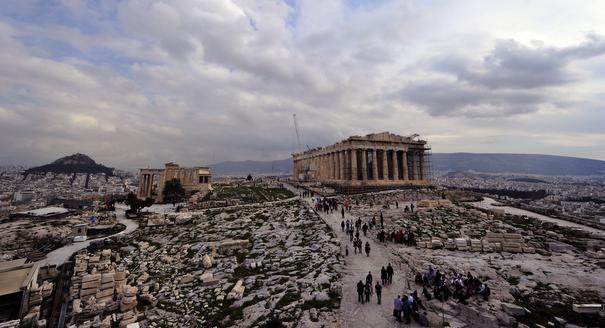
As concerns rise over a potential exit by Greece and a possible bailout for Spain, the eurozone remains in a very difficult predicament, with few good options for moving forward.
Source: BBC World News

Speaking on BBC News, Carnegie's Uri Dadush noted both the importance of the eurozone to the global economy and the acute position its member countries find themselves in, as the euro debt crisis wears on. The eurozone is the largest trading bloc in the world—larger, as a single entity, than the United States. It could potentially withstand the departure of smaller economies, including Ireland, Portugal, and Greece (which financial markets have, to a large extent, written off already). But it would likely not remain intact if the fiscal and financial situation in Italy and Spain, among the five largest economies in the eurozone, deteriorated significantly. Dadush argued that troubled periphery countries in the eurozone have little choice but to muddle through austerity in the short and medium-term, as markets will not lend to them otherwise. The eurozone core, including Germany, and the European Central Bank, however, could do more—for example, accept somewhat higher inflation—to support the periphery’s transition.

Former Senior Associate, International Economics Program
Dadush was a senior associate at the Carnegie Endowment for International Peace. He focuses on trends in the global economy and is currently tracking developments in the eurozone crisis.
Recent Work
Uri Dadush
Uri Dadush
Carnegie does not take institutional positions on public policy issues; the views represented herein are those of the author(s) and do not necessarily reflect the views of Carnegie, its staff, or its trustees.

The armed forces champion a form of capitalism that is generating revenue, but its reliance on rent faces diminishing returns, leaving the country with massive sunk costs and deferred returns, deepening dependency on external borrowing.

Yezid Sayigh
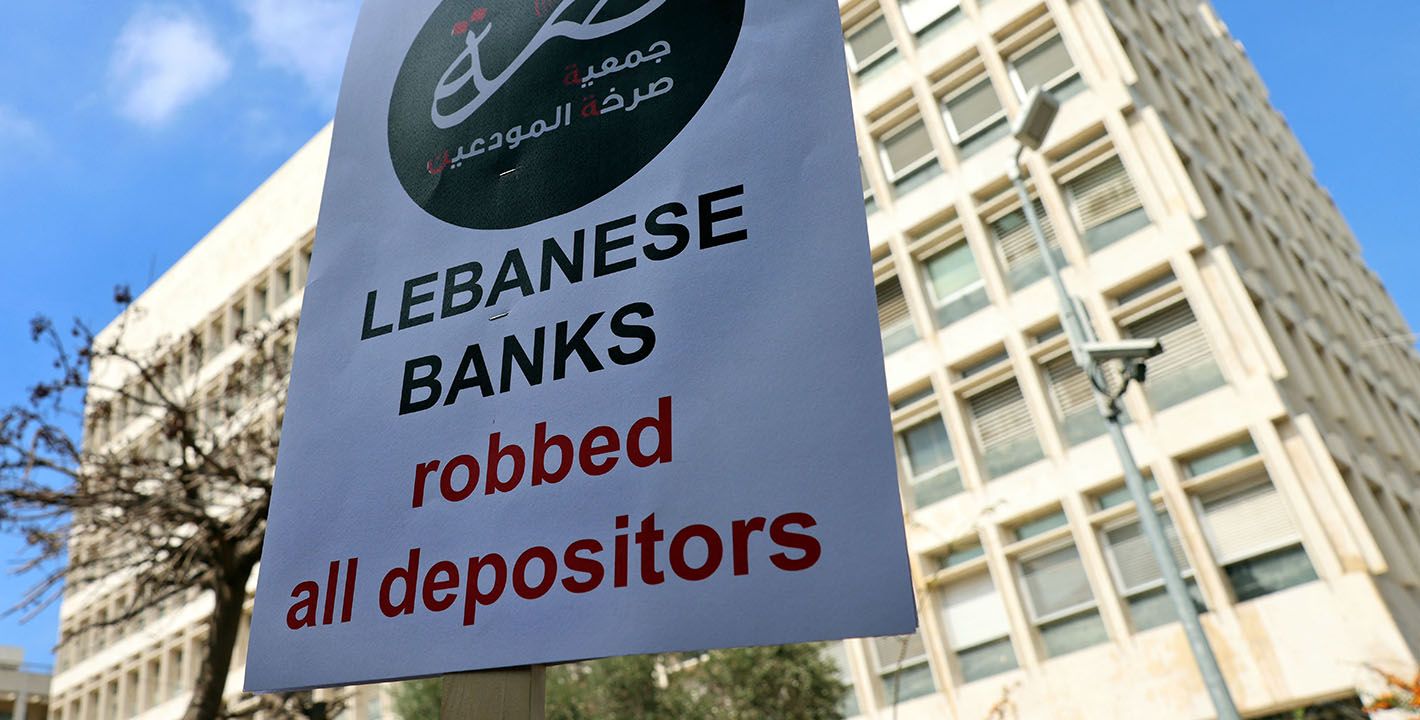
In an interview, Ishac Diwan looks at the merits and flaws in the draft legislation distributing losses from the financial collapse.

Michael Young
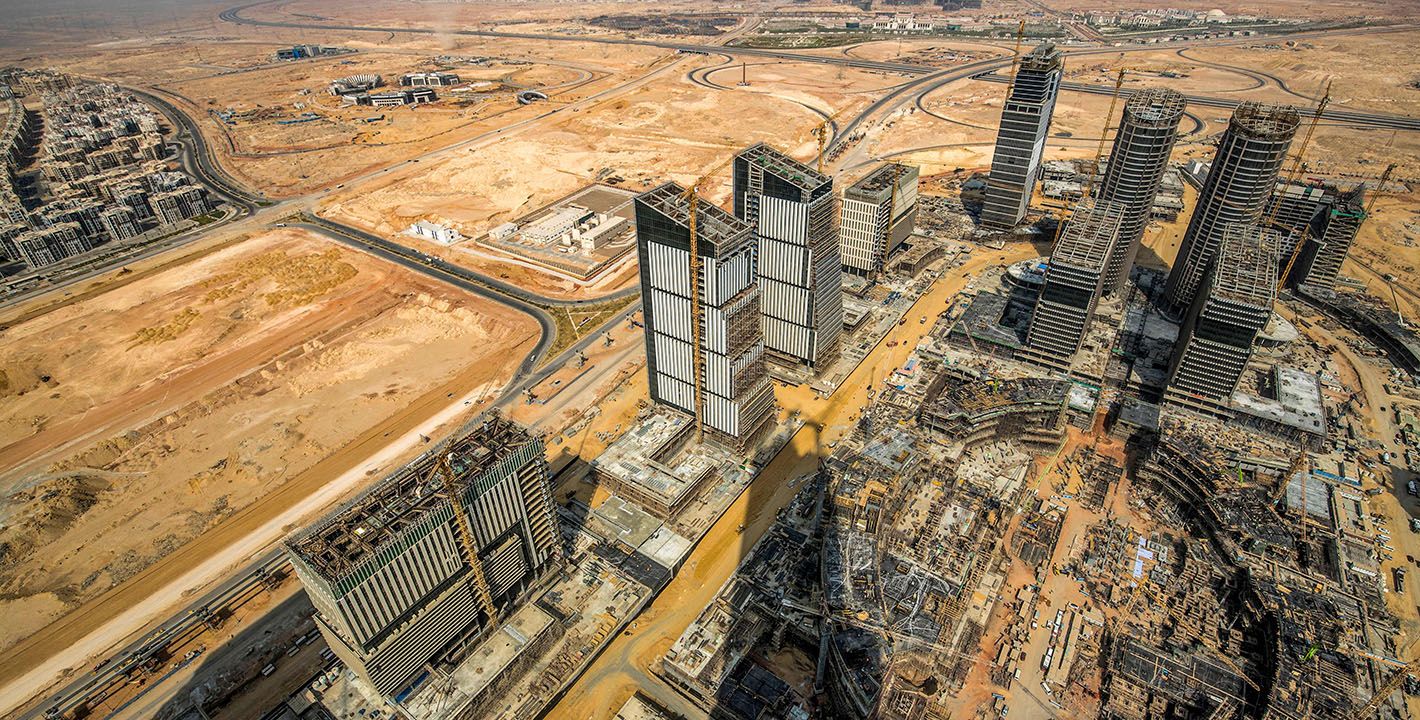
Mustaqbal Misr has expanded its portfolio with remarkable speed, but a lack of transparency remains.
Yezid Sayigh
Arab diaspora business communities in Egypt often mirror the same systemic challenges facing Egyptian businesses.
Nur Arafeh, Yezid Sayigh, Qaboul al-Absi, …

Largely characterized thus far by a single-minded focus on extractivism, Riyadh must commit to greater equitability in its approach to investment and development deals with Sudan, Ethiopia, and Eritrea.
Hesham Alghannam