

• Research
  • Diwan
  • About
  • Experts
Carnegie Middle East logoCarnegie lettermark logo
LebanonIran
{
  "authors": [
    "Milan Vaishnav",
    "Justin Sandefur"
  ],
  "type": "legacyinthemedia",
  "centerAffiliationAll": "dc",
  "centers": [
    "Carnegie Endowment for International Peace"
  ],
  "collections": [],
  "englishNewsletterAll": "ctw",
  "nonEnglishNewsletterAll": "",
  "primaryCenter": "Carnegie Endowment for International Peace",
  "programAffiliation": "SAP",
  "programs": [
    "South Asia"
  ],
  "projects": [],
  "regions": [
    "North America",
    "South America"
  ],
  "topics": [
    "Economy"
  ]
}

Source: Getty

In The Media

Three Questions about Honduras’s New Charter City

Honduras has altered its constitution to open the way to building a new “Special Economic Zone," but this charter city raises some important questions.

Link Copied
By Milan Vaishnav and Justin Sandefur
Published on Jun 14, 2012

Source: Center for Global Development

One of the biggest experiments in development economics is about to begin on Honduras’s Northern Coast.  Honduras has altered its constitution to open the way to ceding a large tract of land to build a new “Special Economic Zone”, modeled on NYU economist Paul Romer’s idea of charter cities — new cities, built up from scratch, where first-world institutions and third-world immigrants can meet and do business.

CGD has close ties to this idea.  Romer is a CGD non-resident fellow, and CGD president Nancy Birdsall and senior fellow Michael Clemens are both associated with the Transparency Commission that will oversee the Honduran experiment.  CGD does not take institutional positions though, and as anyone who’s visited an internal seminar or staff lunch knows, there’s room for vigorous debate.

Back in April, the members of the Transparency Commission met here in DC, and over lunch CGD staff had a chance to hear them explain their ideas for the city and ask questions.  Since then, there’s been an active debate in the hallways here about the charter city model.  We want to take that debate into the public domain.  To kick things off, here are three questions that we think proponents of the Honduran initiative need to grapple with.

  • Democracy: Is the charter city model at odds with principles of accountability and democracy?
  • Time inconsistency: Can Honduras credibly commit to investors that the rules of the zone won’t change?
  • History and context: Is it realistic to talk about creating an institutional blank slate in the Honduran jungle?

Our musings on these questions got a bit long for the blog, so we’ve posted them as a CGD essay where we explain some of our concerns in more detail and offer a couple of ideas to address them.

This article originally appeared at the Center for Global Development.

About the Authors

Milan Vaishnav

Director and Senior Fellow, South Asia Program

Milan Vaishnav is a senior fellow and director of the South Asia Program and the host of the Grand Tamasha podcast at the Carnegie Endowment for International Peace. His primary research focus is the political economy of India, and he examines issues such as corruption and governance, state capacity, distributive politics, and electoral behavior. He also conducts research on the Indian diaspora.

Justin Sandefur

Center for Global Development

Authors

Milan Vaishnav
Director and Senior Fellow, South Asia Program
Milan Vaishnav
Justin Sandefur
Center for Global Development
EconomyNorth AmericaSouth America

Carnegie does not take institutional positions on public policy issues; the views represented herein are those of the author(s) and do not necessarily reflect the views of Carnegie, its staff, or its trustees.

More Work from Malcolm H. Kerr Carnegie Middle East Center

  • Commentary
    Diwan
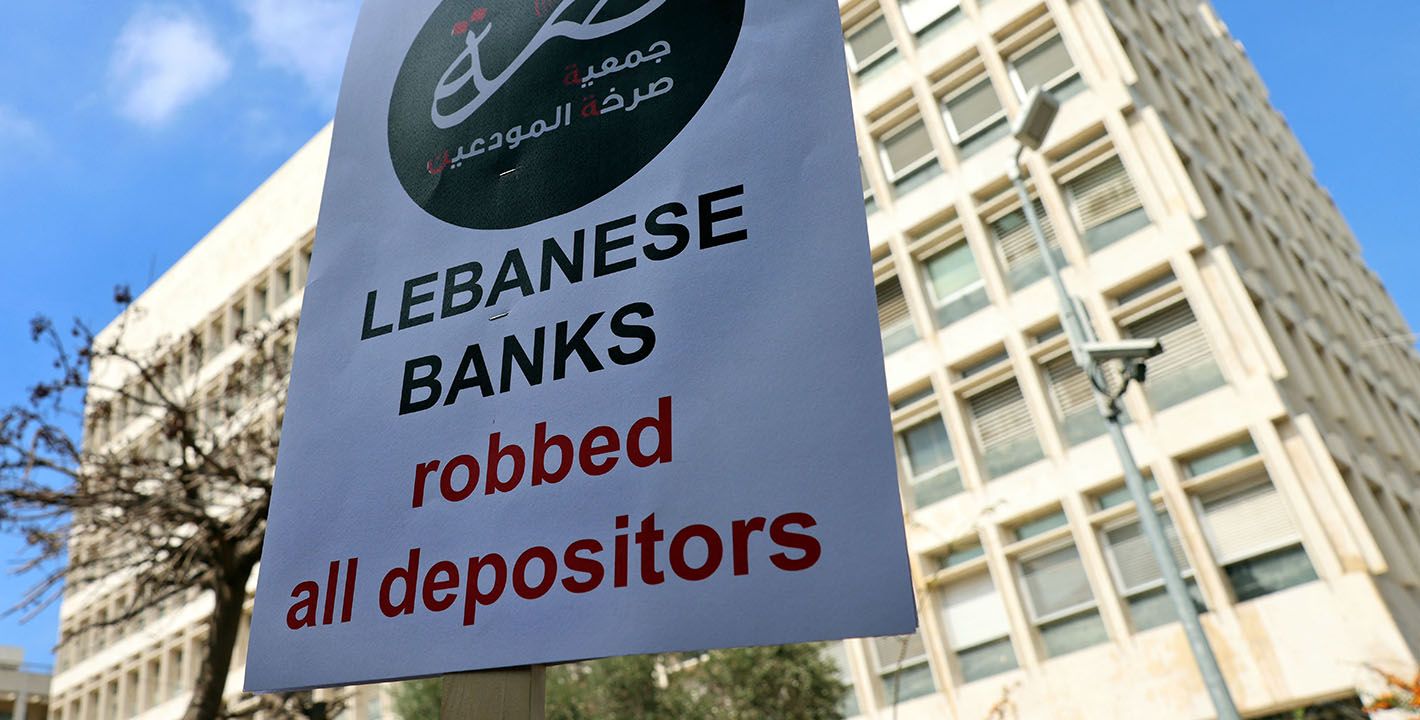
    Unpacking Lebanon’s Gap Law

    In an interview, Ishac Diwan looks at the merits and flaws in the draft legislation distributing losses from the financial collapse.

      Michael Young

  • Commentary
    Diwan
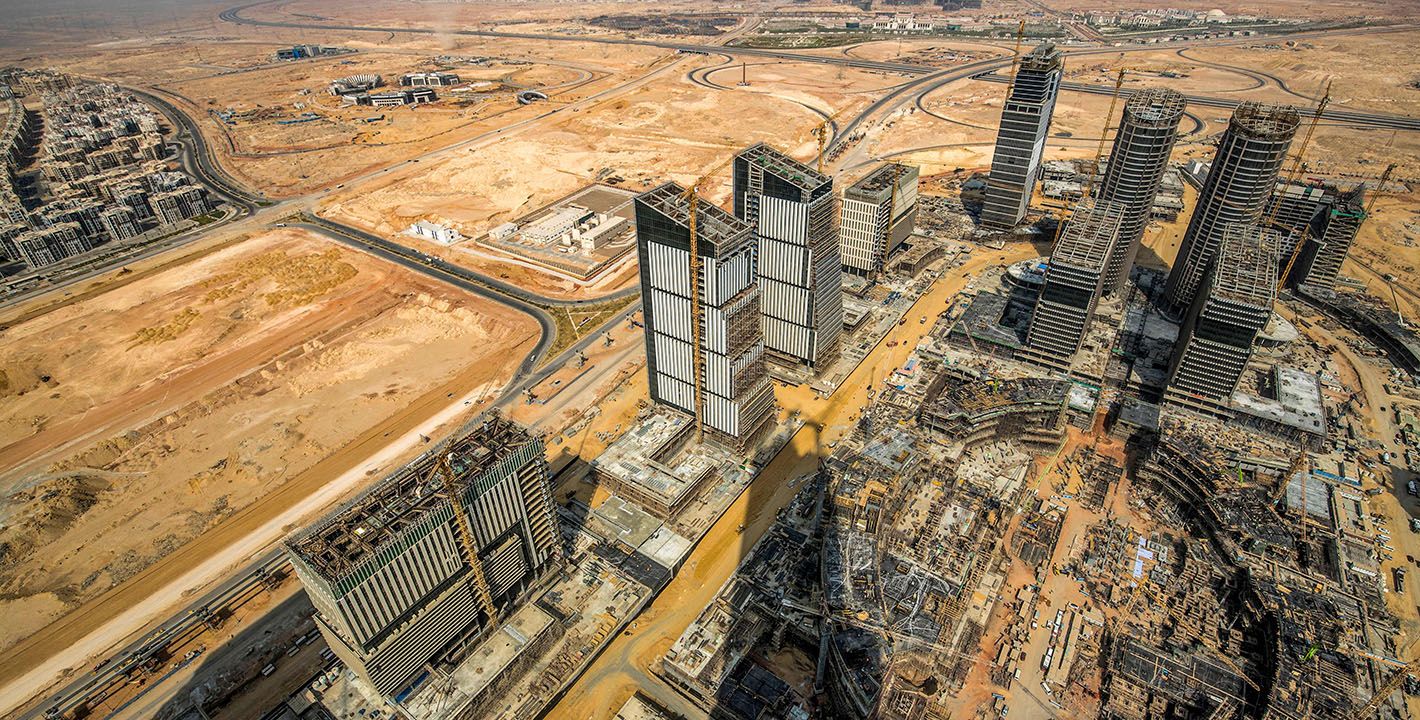
    Has Sisi Found a Competent Military Entrepreneur?

    Mustaqbal Misr has expanded its portfolio with remarkable speed, but a lack of transparency remains.

      Yezid Sayigh

  • Research
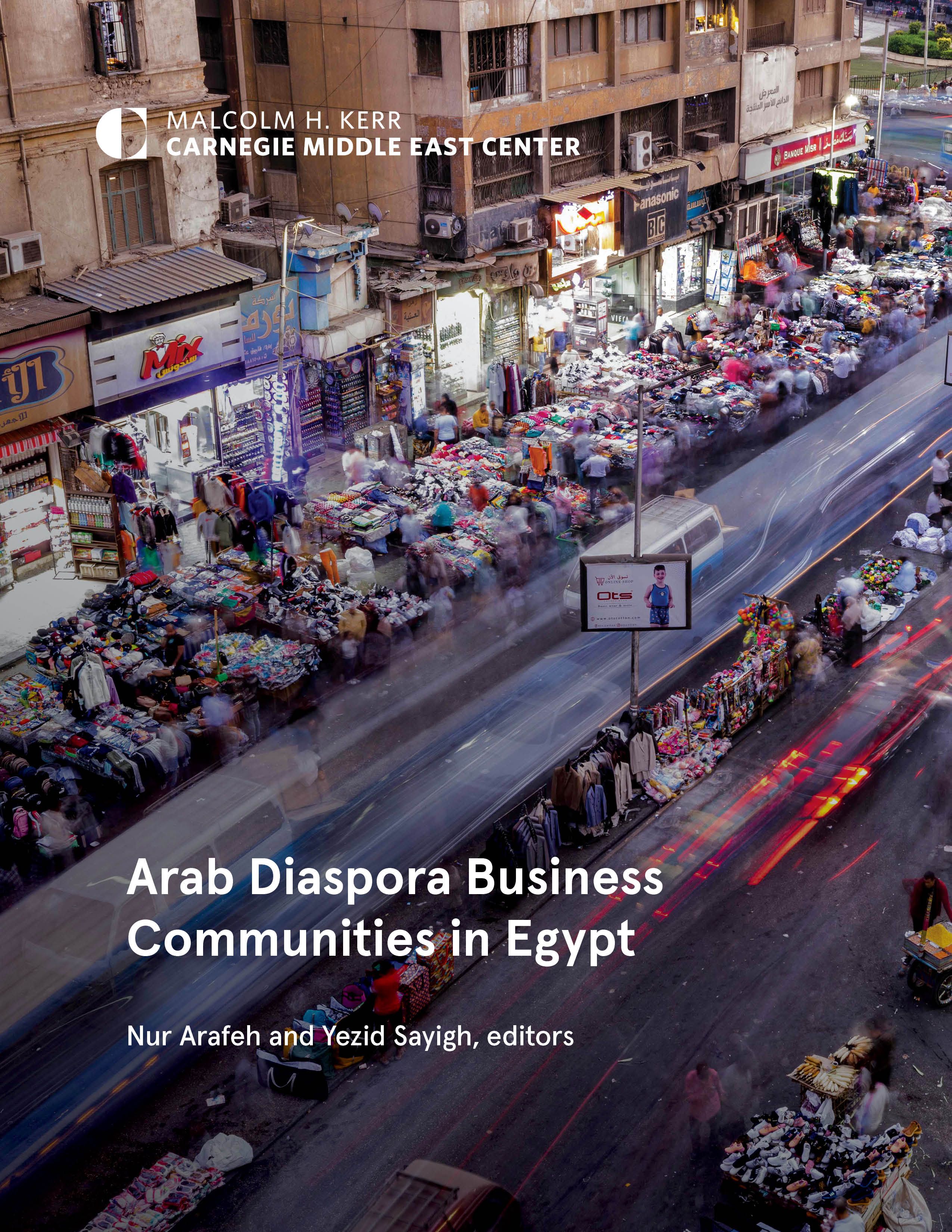
    Arab Diaspora Business Communities in Egypt

    Arab diaspora business communities in Egypt often mirror the same systemic challenges facing Egyptian businesses.

      • +4

      Nur Arafeh, Yezid Sayigh, Qaboul al-Absi, …

  • Article
    Saudi Arabia in Africa: Sound Economic and Geopolitical Strategy, or Resource Exploitation?

    Largely characterized thus far by a single-minded focus on extractivism, Riyadh must commit to greater equitability in its approach to investment and development deals with Sudan, Ethiopia, and Eritrea.

      Hesham Alghannam

  • A picture taken from a position at the Israeli border with the Gaza Strip shows the destruction due to Israeli bombardment in the besieged Palestinian territory on May 18, 2025
    Article
    Destruction, Disempowerment, and Dispossession: Disaster Capitalism and the Postwar Plans for Gaza

    Once Israel’s war in the territory is brought to an end, the foundational principles guiding reconstruction should be Palestinian self-determination, local agency, and sovereignty.

      Nur Arafeh, Mandy Turner

Get more news and analysis from
Malcolm H. Kerr Carnegie Middle East Center
Carnegie Middle East logo, white
  • Research
  • Diwan
  • About
  • Experts
  • Projects
  • Events
  • Contact
  • Careers
  • Privacy
  • For Media
Get more news and analysis from
Malcolm H. Kerr Carnegie Middle East Center
© 2026 Carnegie Endowment for International Peace. All rights reserved.