

Q&A
Suzanne Maloney, Aaron David Miller, Karim Sadjadpour
{
  "authors": [
    "Karim Sadjadpour"
  ],
  "type": "legacyinthemedia",
  "centerAffiliationAll": "dc",
  "centers": [
    "Carnegie Endowment for International Peace",
    "Malcolm H. Kerr Carnegie Middle East Center"
  ],
  "collections": [
    "Arab Awakening"
  ],
  "englishNewsletterAll": "menaTransitions",
  "nonEnglishNewsletterAll": "",
  "primaryCenter": "Carnegie Endowment for International Peace",
  "programAffiliation": "MEP",
  "programs": [
    "Middle East"
  ],
  "projects": [],
  "regions": [
    "Middle East",
    "Iran",
    "Syria",
    "Levant"
  ],
  "topics": [
    "Political Reform"
  ]
}
Source: Getty
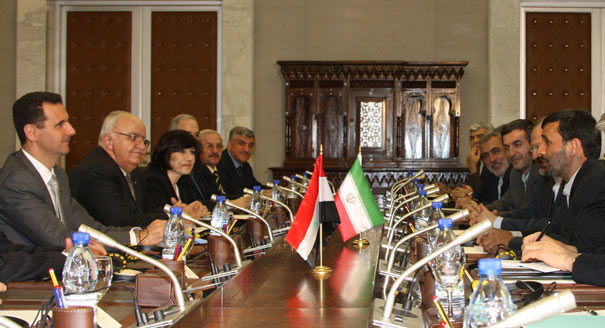
The perpetuation of the Assad regime is critical to Iran's efforts to maintain its regional influence, and Tehran has demonstrated it will do whatever it can to aid Assad and his regime.
Source: C-SPAN's Washington Journal
Speaking on CSPAN’s Washington Journal, Carnegie's Karim Sadjadpour explained that the alliance between Iran and Syria has been critical to the Assad regime’s efforts to maintain power during the on-going uprising in Syria. Although the alliance is not based on cultural, sectarian, or ethnic affinities, Iran and Syria have been stalwart strategic allies dating back to 1980. For Iran, “Syria has been its most consistent global ally and provides an important strategic geographic link to Hezbollah," noted Sadjadpour. The Iranian regime also “has repression down to a science and is sharing their tactics in this regard with the Assad regime,” he added. For Iran, the perpetuation of the Assad regime is critical in maintaining its regional influence, and Iran has demonstrated it will do whatever it can to aid Assad and his repressive regime, Sadjadpour concluded.

Senior Fellow, Middle East Program
Karim Sadjadpour is a senior fellow at the Carnegie Endowment for International Peace, where he focuses on Iran and U.S. foreign policy toward the Middle East.
Recent Work


Suzanne Maloney, Aaron David Miller, Karim Sadjadpour

Aaron David Miller, Karim Sadjadpour, Robin Wright
Carnegie does not take institutional positions on public policy issues; the views represented herein are those of the author(s) and do not necessarily reflect the views of Carnegie, its staff, or its trustees.
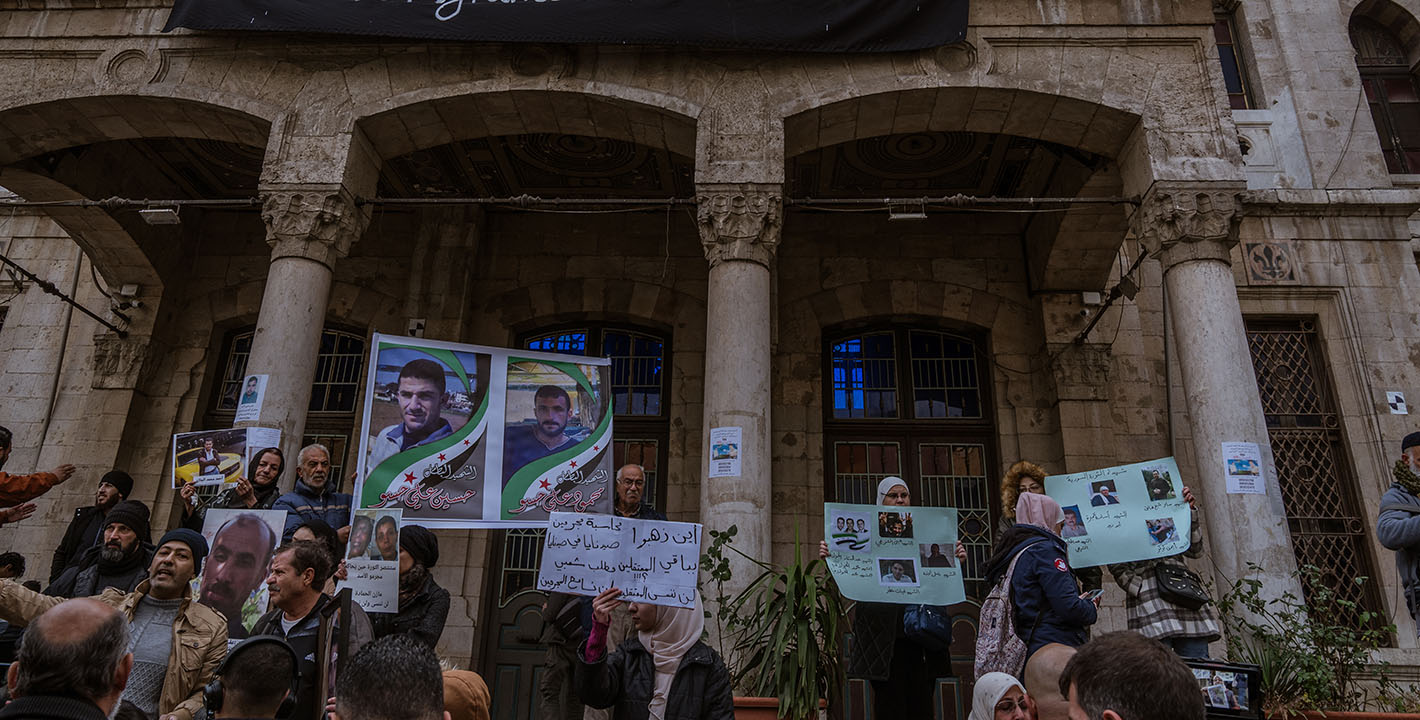
Reconciliation councils are emerging throughout the country to mediate in intracommunal disputes, many from the war years.
Natacha Danon
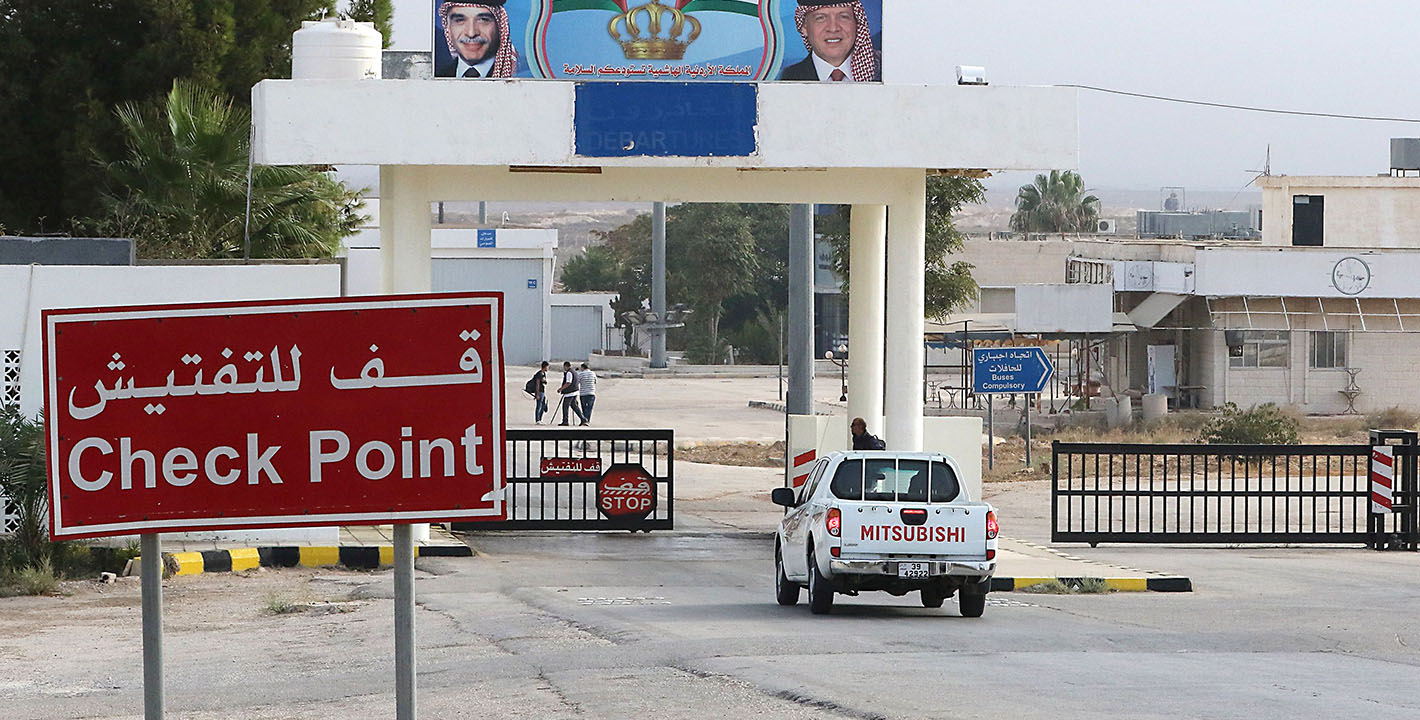
The civil war in Syria may have ended, but the country continues to serve as a source for the trafficking of illegal substances into and via Jordanian territory.

Armenak Tokmajyan, Laith Qerbaa
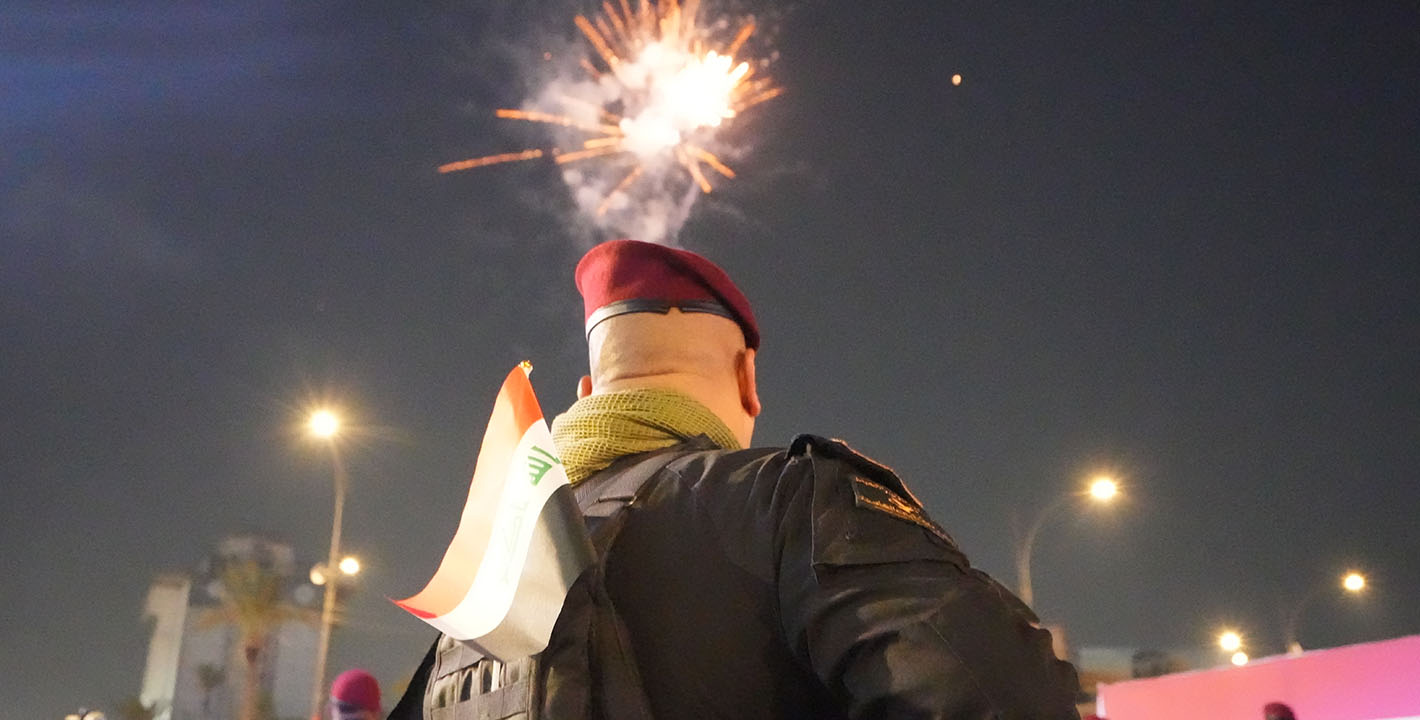
As the U.S.-led Coalition withdraws, the Kurds’ reliance on Baghdad, and on themselves, will only increase.
Wladimir van Wilgenburg

As the U.S. stumbles in its war with Iran, we are likely to see an acceleration of its disengagement from the region.

Michael Young
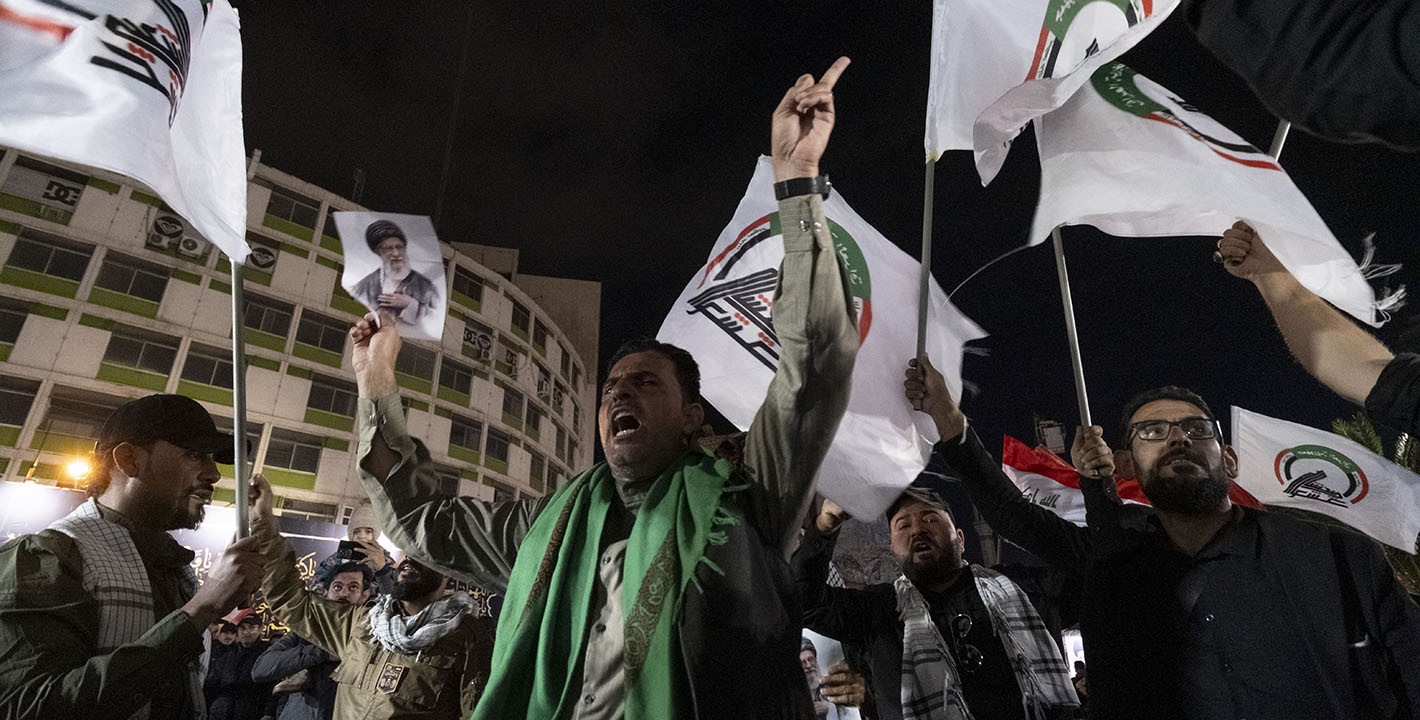
The Zaidi government’s objective to collect weapons is constrained by regional conflict, but it can take certain measures at home.
Ali Al-Mawlawi