

Article
Deborah Gordon, Stephen D. Ziman
{
  "authors": [
    "Deborah Gordon"
  ],
  "type": "legacyinthemedia",
  "centerAffiliationAll": "dc",
  "centers": [
    "Carnegie Endowment for International Peace"
  ],
  "collections": [],
  "englishNewsletterAll": "ctw",
  "nonEnglishNewsletterAll": "",
  "primaryCenter": "Carnegie Endowment for International Peace",
  "programAffiliation": "SCP",
  "programs": [
    "Sustainability, Climate, and Geopolitics"
  ],
  "projects": [
    "Carnegie Oil Initiative"
  ],
  "regions": [
    "North America"
  ],
  "topics": [
    "Climate Change"
  ]
}
Source: Getty
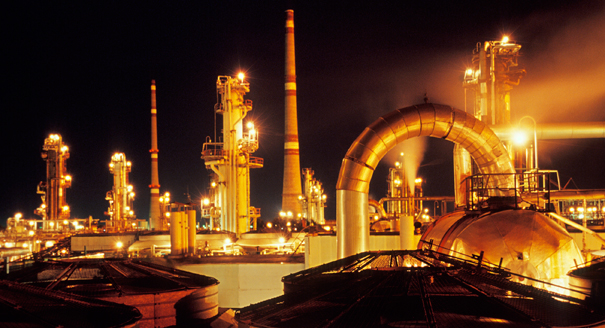
The shift from extracting, processing, and consuming conventional fuel sources to unconventional oils carries a host of still unknown consequences for international economics, technology development, and the environment.
Source: U.S. Embassy Berlin
Speaking at the U.S. Embassy in Berlin, Carnegie's Deborah Gordon explained that the global energy supply is witnessing a major shift in petroleum sources as production of conventional oils plateau and will soon begin a steady decline. Unlike the mostly homogeneous oils the world community has increasingly extracted, processed, and consumed for the last forty years, unconventional oils are both more difficult to tap and more varied in characteristics, Gordon said. Unconventional oils, however, are still fossil fuels, which means their emissions of carbon dioxide still contribute to climate change. Because the international community is in the early stages of exploration and extraction, the regulatory system that is currently held for conventional oils may not safeguard against the new, potential harms of unconventional oil production, Gordon concluded.

Former Director and Senior Fellow, Energy and Climate Program
Gordon was director of Carnegie’s Energy and Climate Program, where her research focuses on oil and climate change issues in North America and globally.
Recent Work
Deborah Gordon, Stephen D. Ziman
Deborah Gordon, Smriti Kumble, David Livingston
Carnegie does not take institutional positions on public policy issues; the views represented herein are those of the author(s) and do not necessarily reflect the views of Carnegie, its staff, or its trustees.
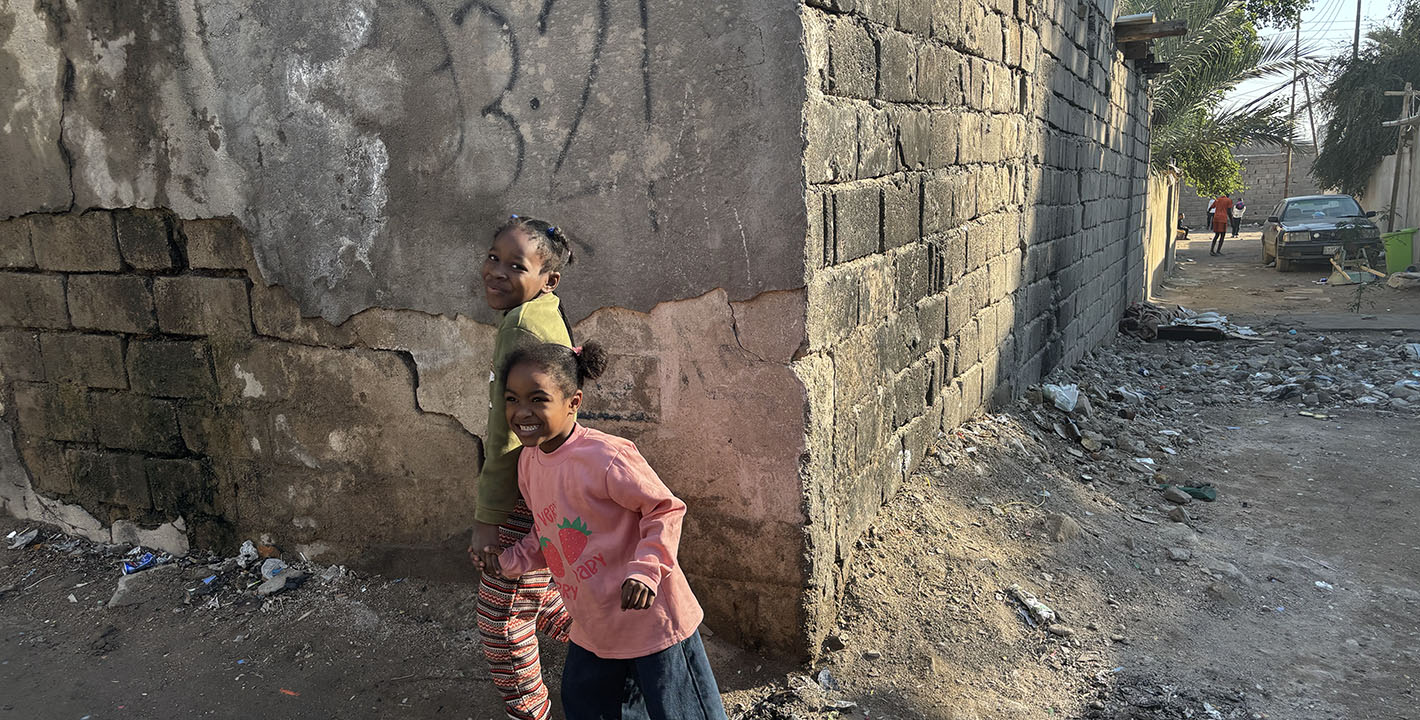
Afro-Iraqis experience political, economic, and social marginalization and discrimination, which exposes the poorest members of the community to the harsh realities of the region’s climate disaster.

Zeinab Shuker
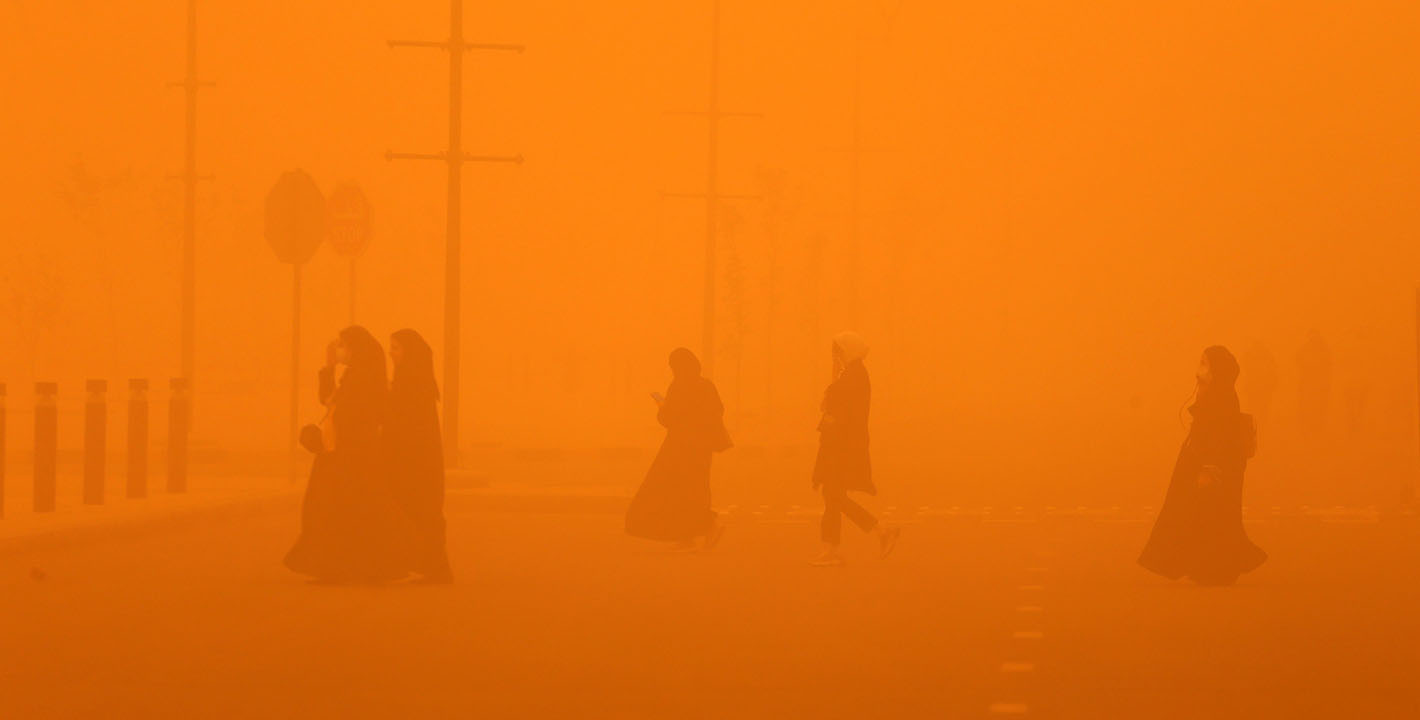
Mitigating the repercussions of climate change in Kuwait is crucial for lessening economic disparities and achieving social justice.
Courtney Freer
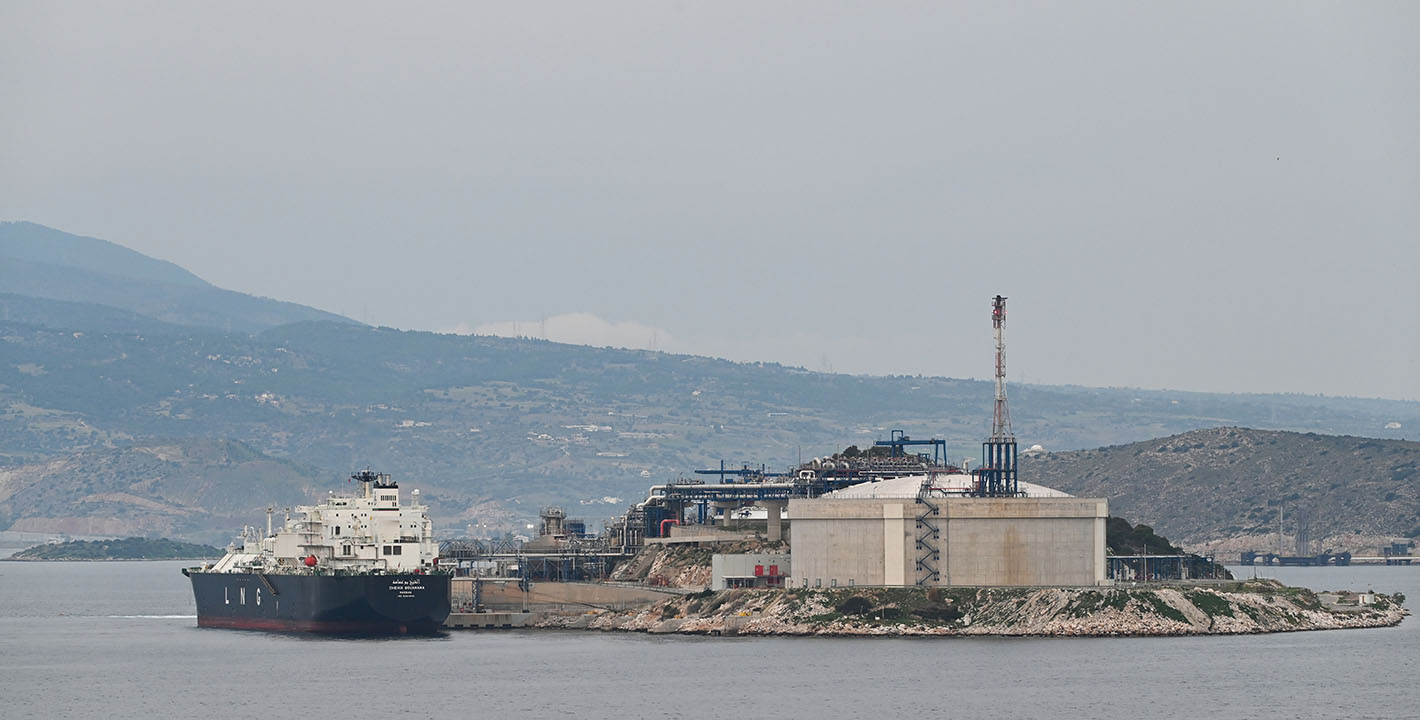
Unless the European Union-led energy transition provides economic development to Algeria, Morocco, and Tunisia, the process may be perceived as a new form of extraction.

Yasmine Zarhloule
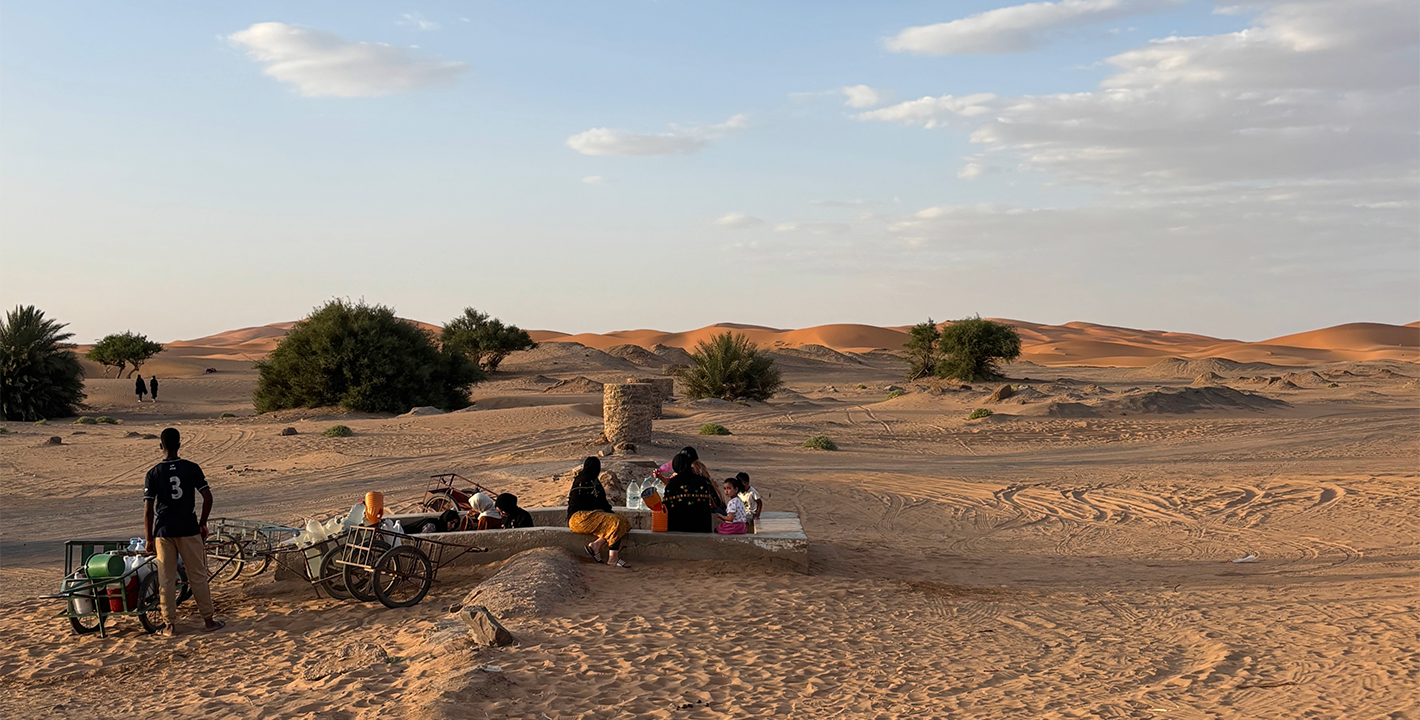
The burden of environmental degradation is felt not only through physical labor but also emotional and social loss.
Yasmine Zarhloule, Ella Williams
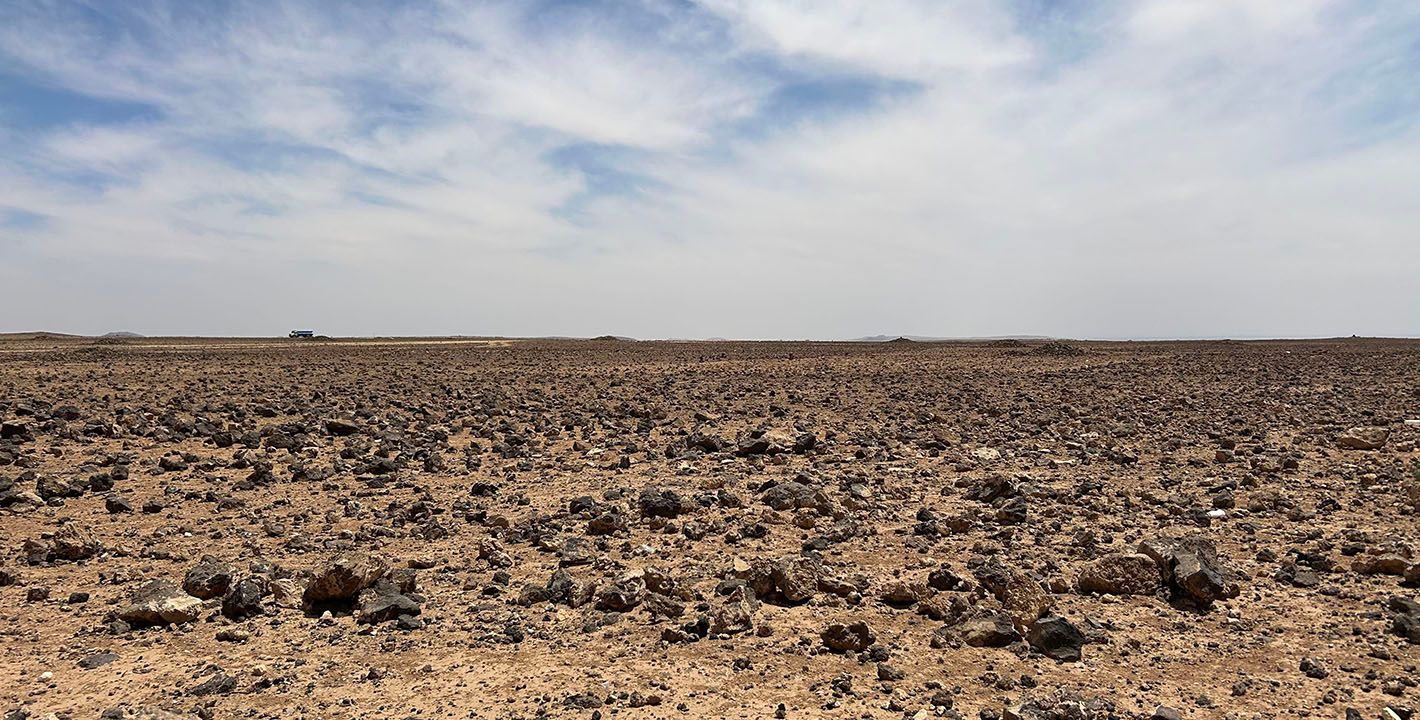
For settled descendants of nomadic or seminomadic communities on Jordan’s periphery, the future looks uncertain as government employment is declining, natural resources are dwindling, temperatures are rising, and traditional cross-border ties are restricted.


Armenak Tokmajyan, Laith Qerbaa