

Commentary
Ahmed Jehani
{
  "authors": [
    "Ahmed Jehani"
  ],
  "type": "legacyinthemedia",
  "centerAffiliationAll": "",
  "centers": [
    "Carnegie Endowment for International Peace",
    "Malcolm H. Kerr Carnegie Middle East Center"
  ],
  "collections": [],
  "englishNewsletterAll": "",
  "nonEnglishNewsletterAll": "",
  "primaryCenter": "Malcolm H. Kerr Carnegie Middle East Center",
  "programAffiliation": "",
  "programs": [],
  "projects": [],
  "regions": [
    "Maghreb"
  ],
  "topics": [
    "Political Reform",
    "Security"
  ]
}
Source: Getty
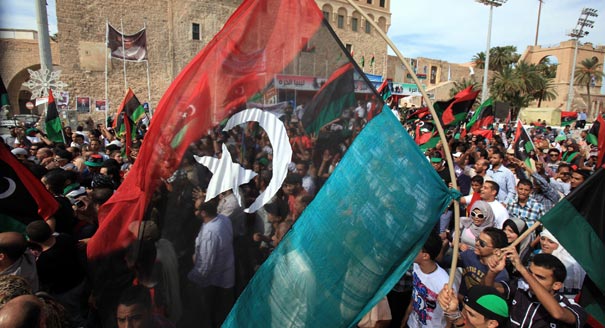
Recent moves by the military command to rein in armed militias have restored a semblance of order, but the government in Tripoli must find a way to enforce their will over the militias.
Source: National

At the very least, the public wanted them to put down their arms and leave. Amazingly, two militias did both.
Former Visiting Scholar, Carnegie Middle East Center
Jehani was a visiting scholar at the Carnegie Middle East Center, where his research focuses on law, economics, and the energy sector in Libya and the wider North African region.
Recent Work
Ahmed Jehani
Carnegie does not take institutional positions on public policy issues; the views represented herein are those of the author(s) and do not necessarily reflect the views of Carnegie, its staff, or its trustees.

Morocco and Algeria, each in its own way, are having to navigate the global economic fallout of the U.S.-Israeli military campaign against Iran.

Yasmine Zarhloule
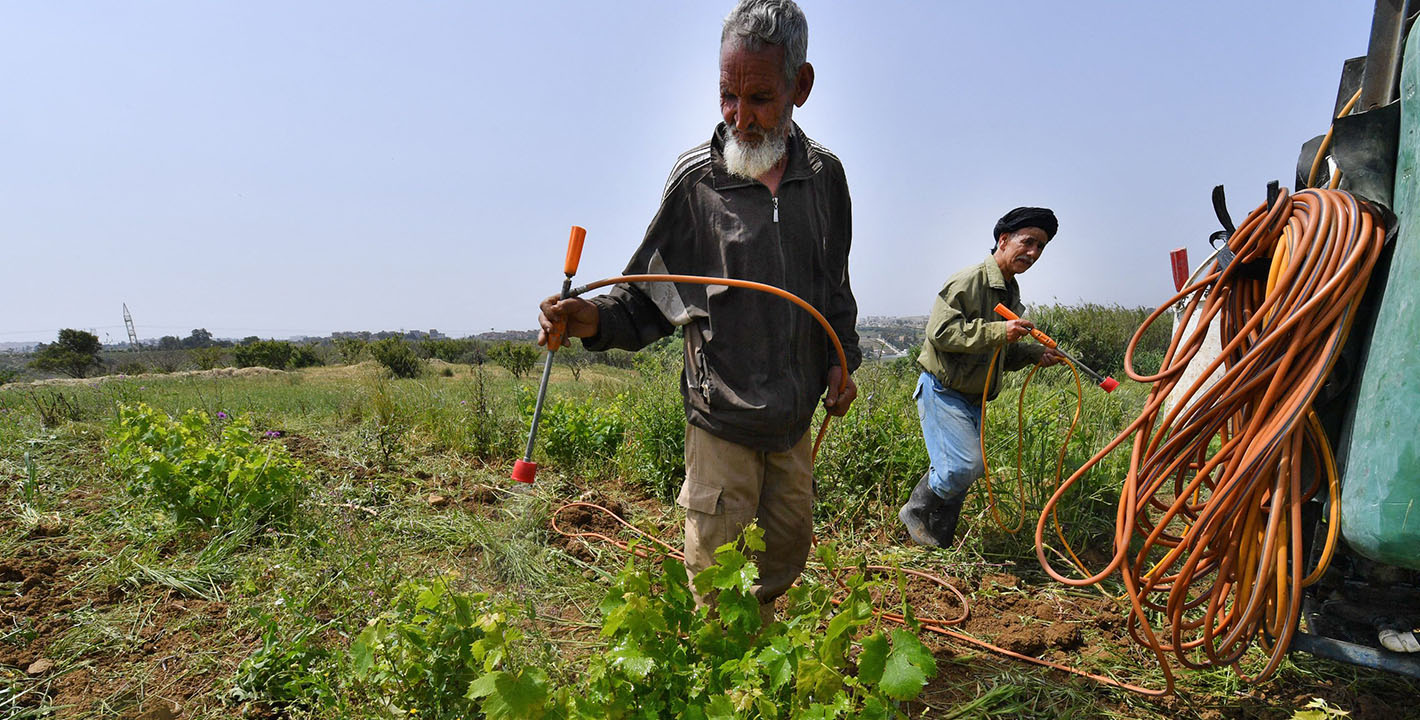
Understanding how farmers in the Oued Sahel-Soummam Valley grapple with climate change is essential for addressing the paradoxes through which adaptation, operating at both individual and institutional levels, deepens the region’s vulnerability and erodes the social fabric and agrarian identity that once defined life.
Ilyssa Yahmi
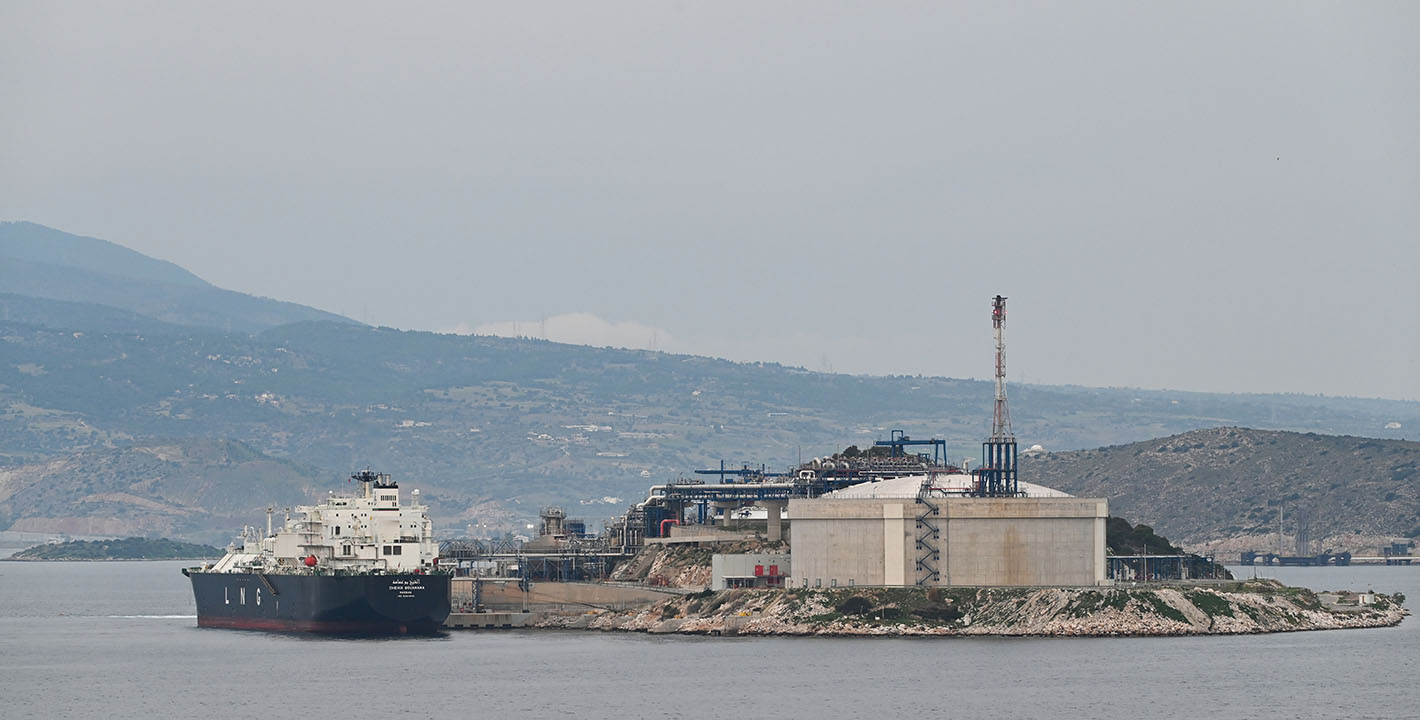
Unless the European Union-led energy transition provides economic development to Algeria, Morocco, and Tunisia, the process may be perceived as a new form of extraction.
Yasmine Zarhloule

Just look at Iraq in 1991.

Marwan Muasher
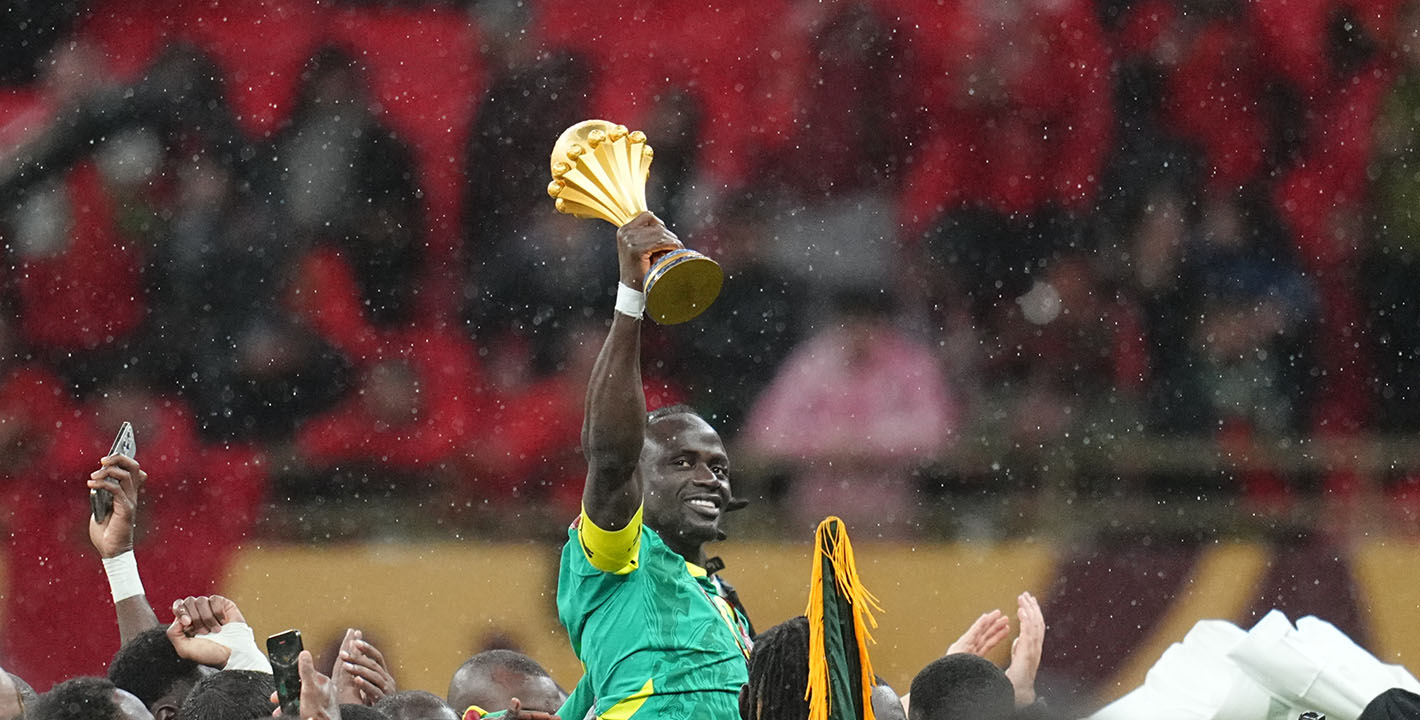
The recent African Cup of Nations tournament in Morocco touched on issues that largely transcended the sport.

Issam Kayssi, Yasmine Zarhloule