• Research
  • Diwan
  • About
  • Experts
Carnegie Middle East logoCarnegie lettermark logo
PalestineSyria
{
  "authors": [
    "Yukon Huang"
  ],
  "type": "other",
  "centerAffiliationAll": "dc",
  "centers": [
    "Carnegie Endowment for International Peace"
  ],
  "collections": [],
  "englishNewsletterAll": "asia",
  "nonEnglishNewsletterAll": "",
  "primaryCenter": "Carnegie Endowment for International Peace",
  "programAffiliation": "AP",
  "programs": [
    "Asia"
  ],
  "projects": [],
  "regions": [
    "East Asia",
    "China"
  ],
  "topics": [
    "Political Reform",
    "Economy"
  ]
}
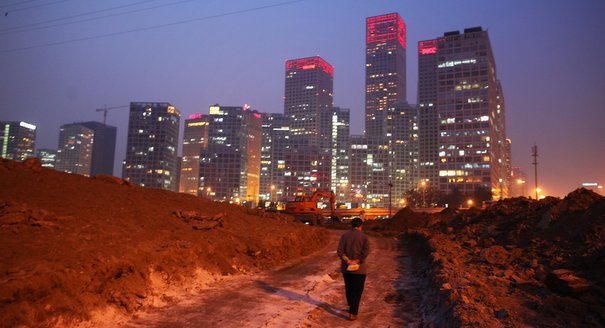
Source: Getty

Other

China's Conflict Between Economic and Political Liberalization

China’s impressive growth record has been facilitated by a unique relationship between Beijing and the provinces that encourages experimentation and incentivizes officials for driving economic growth.

Link Copied
By Yukon Huang
Published on Dec 31, 2012

Source: SAIS Review

China’s impressive growth record has been facilitated by a unique relationship between Beijing and the provinces that encourages experimentation and incentivizes officials for driving economic growth—and for the most part this helped maintain political stability. While these arrangements spurred economic liberalization, political liberalization was put on hold. But rapid growth has not spared China from increasing social unrest given frustrations over widening disparities both in opportunities and outcomes and mounting conflicts over use of resources. Some now question the regime’s capacity to deal with society’s concerns. This paper examines recent politically charged events that have intensified discussions about the potential for economic and political reforms that would be acceptable to the Communist Party and still supportive of China’s broader objectives.

Three decades of economic liberalization have restored much of the vibrancy that China last displayed two centuries ago when it accounted for a significant share of the world’s economy. Yet its political system seems to have been caught in a time warp. Ever since the Arab Spring began dominating headlines, there has been renewed speculation that social unrest could foment a similar cascade of change in China. Even Premier Wen Jiabao concluded at last March’s National People’s Congress that dealing with pressures for political reform will be a high priority for the future leadership. But the Bo Xilai affair significantly escalated what is at stake by casting the issue as a conflict between reformers and those wedded to the past. This is now seen as influencing the transition to China’s next generation of senior leaders.

Discussions about China’s political evolution are normally grounded in debates over democratization, military security, and human rights. More attention, however, needs to be given to whether the nature of China’s economic transformation, supported by its unique form of regional decentralization, has contributed to a stalemate regarding political liberalization.

Read the full paper in the SAIS Review.

About the Author

Yukon Huang

Senior Fellow, Asia Program

Huang is a senior fellow in the Carnegie Asia Program where his research focuses on China’s economy and its regional and global impact.

    Recent Work
  • Commentary
    Three Takeaways From the Biden-Xi Meeting

      Yukon Huang, Isaac B. Kardon, Matt Sheehan

  • Commentary
    Europe Narrowly Navigates De-risking Between Washington and Beijing

      Yukon Huang, Genevieve Slosberg

Yukon Huang
Senior Fellow, Asia Program
Yukon Huang
Political ReformEconomyEast AsiaChina

Carnegie does not take institutional positions on public policy issues; the views represented herein are those of the author(s) and do not necessarily reflect the views of Carnegie, its staff, or its trustees.

More Work from Malcolm H. Kerr Carnegie Middle East Center

  • Commentary
    Diwan
    Unpacking Lebanon’s Gap Law

    In an interview, Ishac Diwan looks at the merits and flaws in the draft legislation distributing losses from the financial collapse.

      Michael Young
  • Commentary
    Diwan
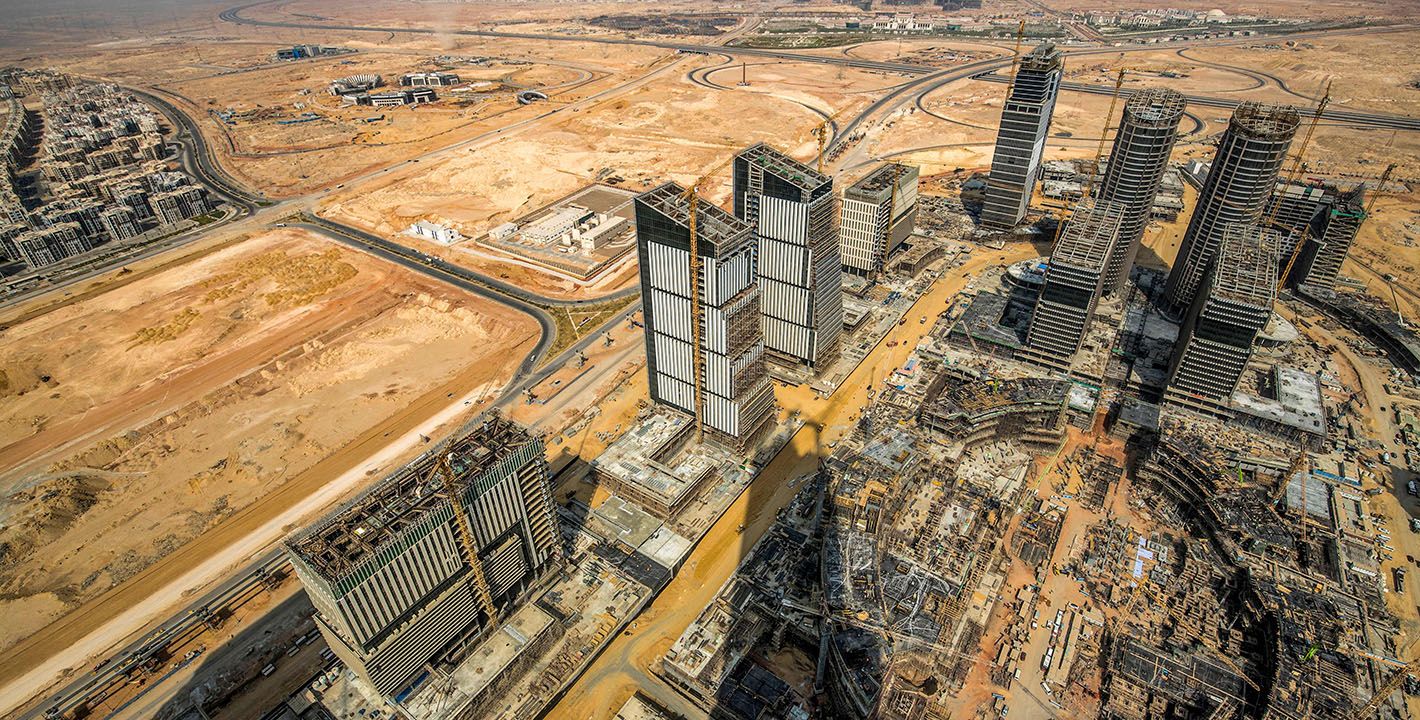
    Has Sisi Found a Competent Military Entrepreneur?

    Mustaqbal Misr has expanded its portfolio with remarkable speed, but a lack of transparency remains.

      Yezid Sayigh
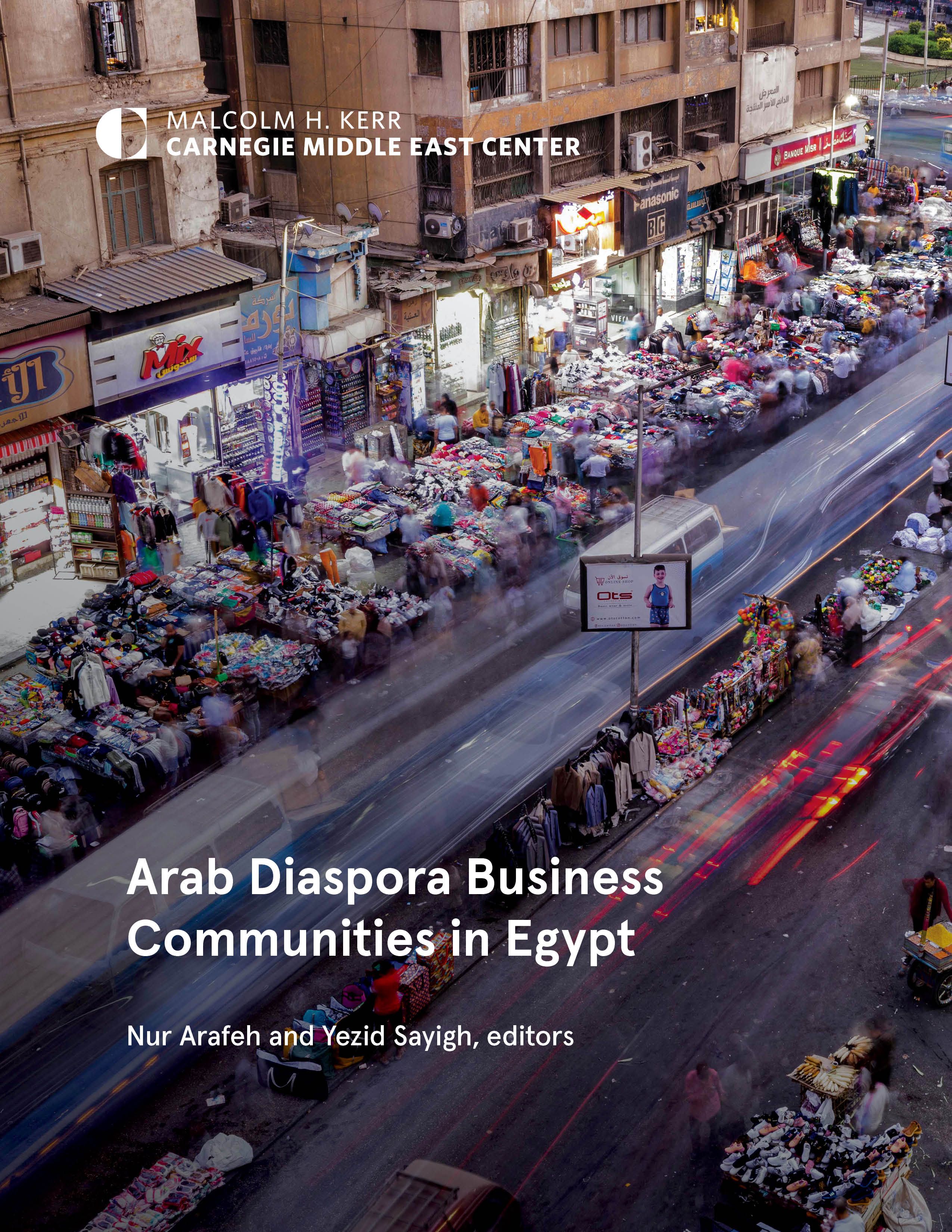
  • Research
    Arab Diaspora Business Communities in Egypt

    Arab diaspora business communities in Egypt often mirror the same systemic challenges facing Egyptian businesses.

      • +4

      Nur Arafeh, Yezid Sayigh, Qaboul al-Absi, …
  • Article
    Saudi Arabia in Africa: Sound Economic and Geopolitical Strategy, or Resource Exploitation?

    Largely characterized thus far by a single-minded focus on extractivism, Riyadh must commit to greater equitability in its approach to investment and development deals with Sudan, Ethiopia, and Eritrea.
      Hesham Alghannam

  • A picture taken from a position at the Israeli border with the Gaza Strip shows the destruction due to Israeli bombardment in the besieged Palestinian territory on May 18, 2025
    Article
    Destruction, Disempowerment, and Dispossession: Disaster Capitalism and the Postwar Plans for Gaza

    Once Israel’s war in the territory is brought to an end, the foundational principles guiding reconstruction should be Palestinian self-determination, local agency, and sovereignty.

      Nur Arafeh, Mandy Turner

Get more news and analysis from
Malcolm H. Kerr Carnegie Middle East Center
Carnegie Middle East logo, white
  • Research
  • Diwan
  • About
  • Experts
  • Projects
  • Events
  • Contact
  • Careers
  • Privacy
  • For Media
Get more news and analysis from
Malcolm H. Kerr Carnegie Middle East Center
© 2026 Carnegie Endowment for International Peace. All rights reserved.