

Q&A
Raluca Csernatoni, Sinan Ülgen
{
  "authors": [
    "Sinan Ülgen"
  ],
  "type": "legacyinthemedia",
  "centerAffiliationAll": "",
  "centers": [
    "Carnegie Endowment for International Peace",
    "Carnegie Europe",
    "Malcolm H. Kerr Carnegie Middle East Center"
  ],
  "collections": [
    "Turkey’s Transformation",
    "Transatlantic Cooperation"
  ],
  "englishNewsletterAll": "",
  "nonEnglishNewsletterAll": "",
  "primaryCenter": "Carnegie Europe",
  "programAffiliation": "",
  "programs": [],
  "projects": [],
  "regions": [
    "Middle East",
    "Europe",
    "Türkiye",
    "Levant"
  ],
  "topics": [
    "Security",
    "Political Reform",
    "Economy"
  ]
}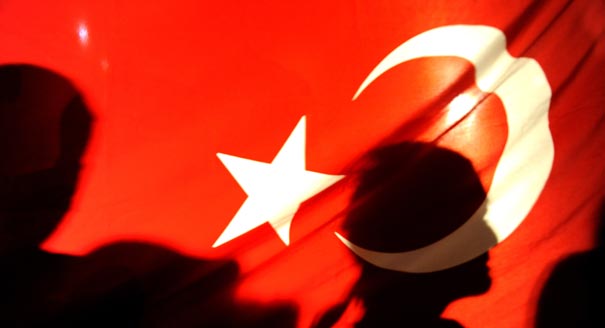
Source: Getty
Over the course of a decade, Turkey has transformed itself from a status quo-oriented, peripheral member of NATO to an emerging power with an ambition to shape regional power dynamics.
Source: SAIS Review

Over the course of a decade, Turkey has transformed itself from a status quo-oriented, peripheral member of the North Atlantic Treaty Organization (NATO) to an emerging power with an ambition to shape regional power dynamics. This transformation was accomplished in two phases. In the first phase, backed by its impressive economic performance, Turkey emerged as an influential regional actor, prioritizing its soft power. The second, ongoing phase was prompted by the Arab Spring and Turkey’s need to respond to these changes. This paper examines the drivers of both transformation phases and evaluates the consequences for Turkey’s relations with its neighbors.
This article was originally published in SAIS Review, Vol. 32, No. 2, Summer-Fall 2012.

Senior Fellow, Carnegie Europe
Sinan Ülgen is a senior fellow at Carnegie Europe in Brussels, where his research focuses on Turkish foreign policy, transatlantic relations, international trade, economic security, and digital policy.
Recent Work

Raluca Csernatoni, Sinan Ülgen
Catherine Hoeffler, Sinan Ülgen
Carnegie does not take institutional positions on public policy issues; the views represented herein are those of the author(s) and do not necessarily reflect the views of Carnegie, its staff, or its trustees.
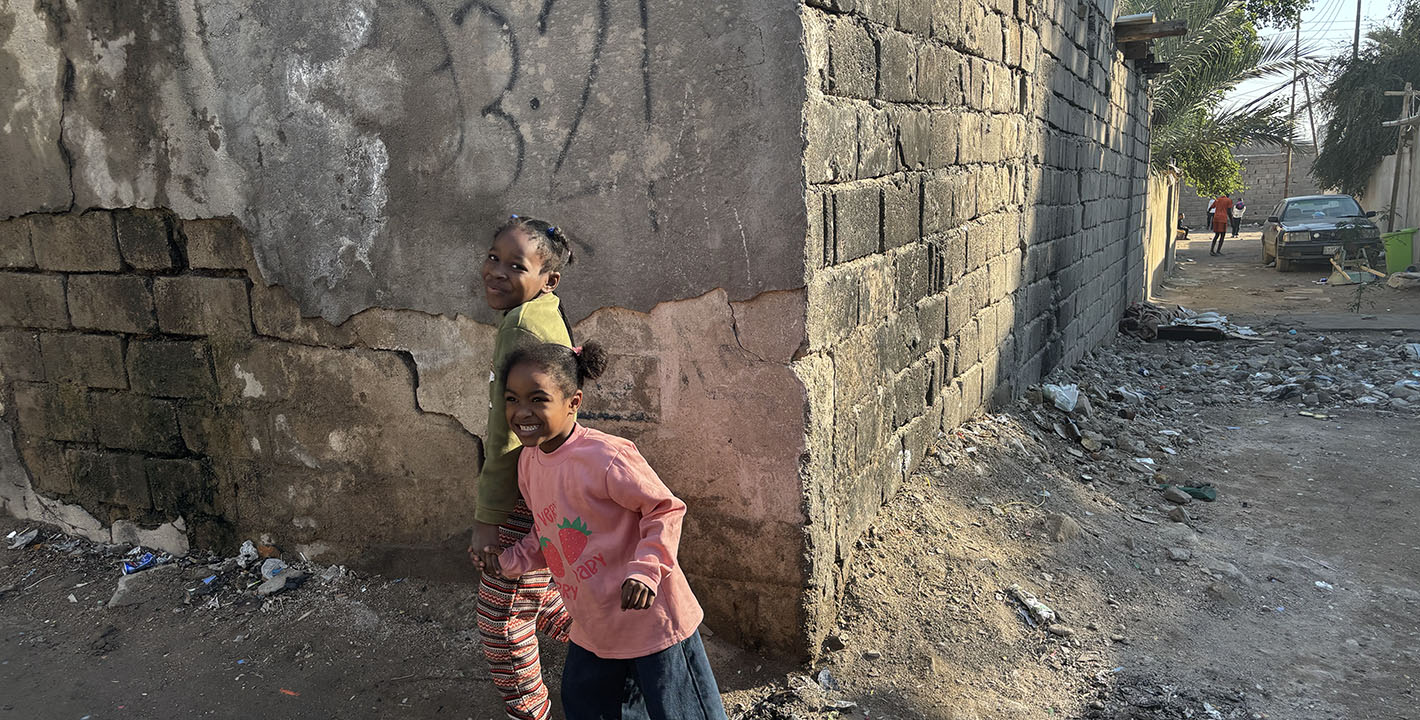
Afro-Iraqis experience political, economic, and social marginalization and discrimination, which exposes the poorest members of the community to the harsh realities of the region’s climate disaster.
Zeinab Shuker
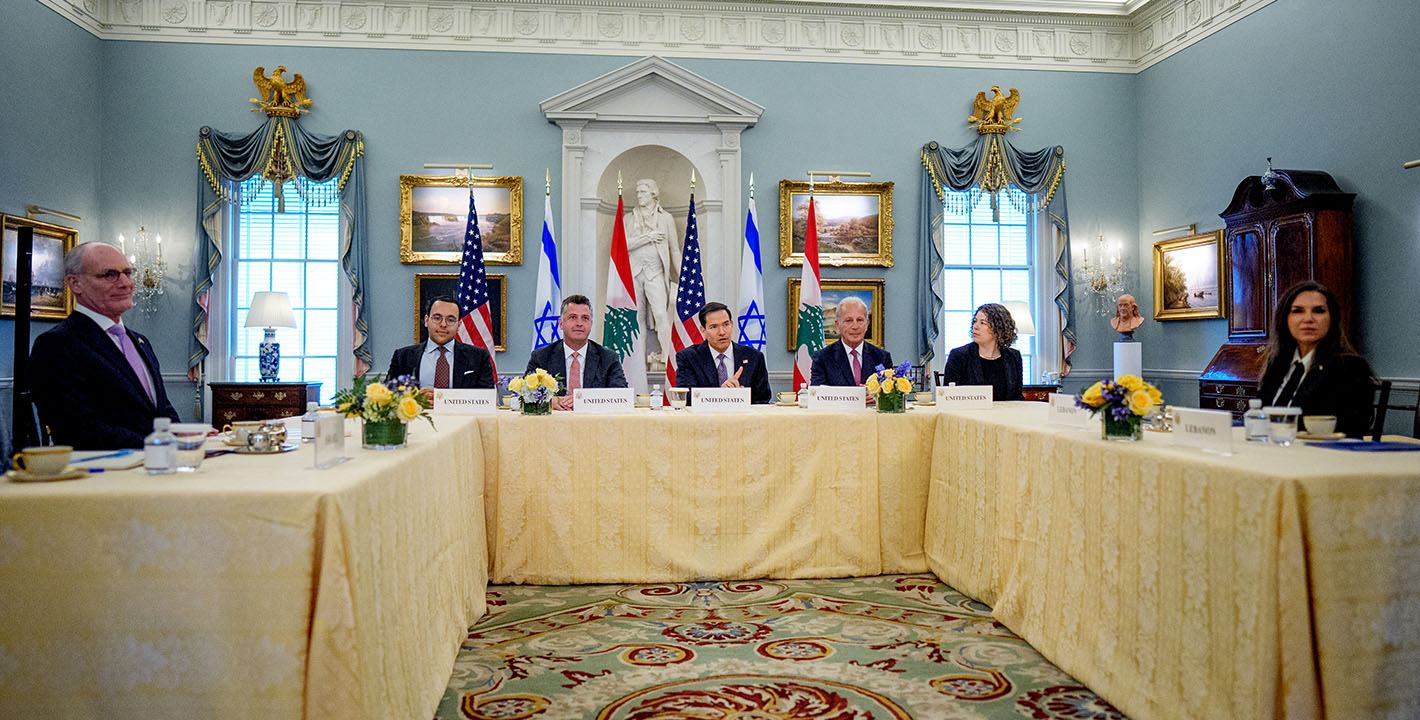
Beirut’s desire to break free from Iranian hegemony may push it into a situation where it has to accept Israel’s hegemony.

Michael Young
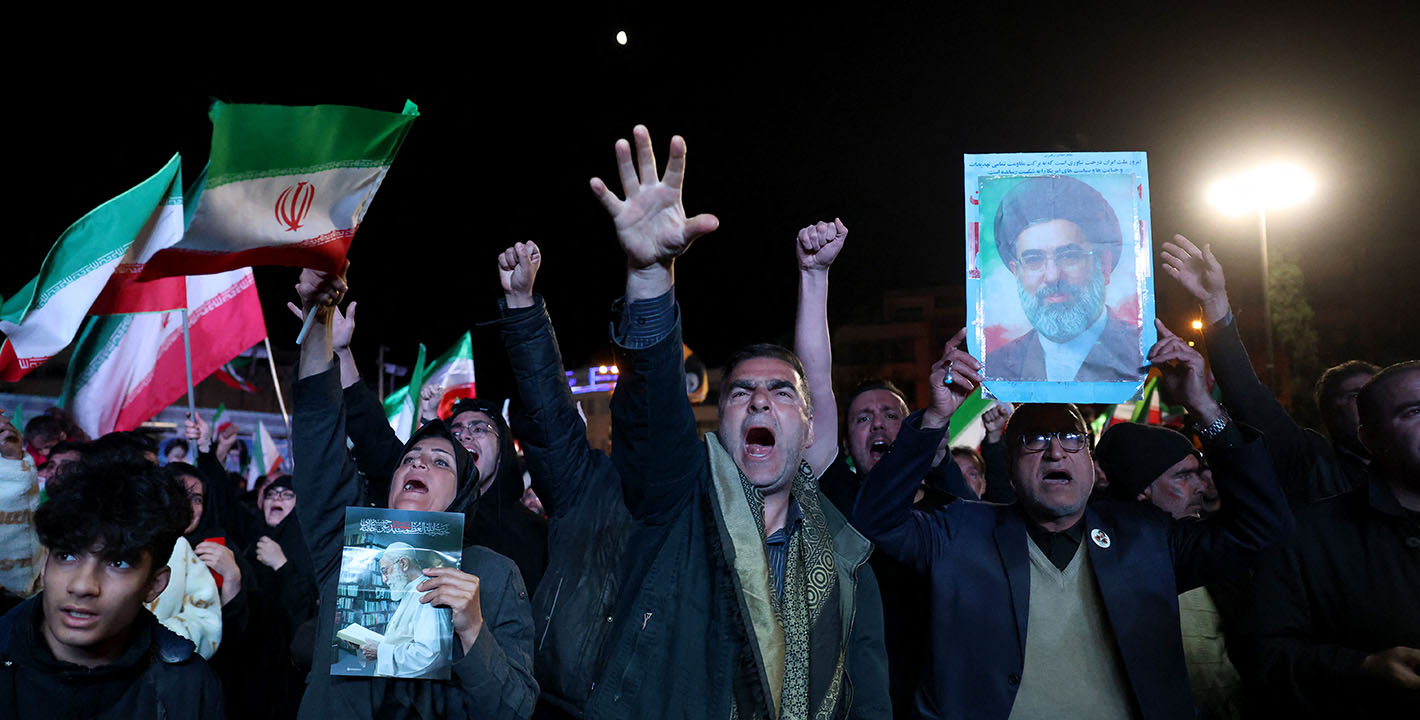
Spot analysis from Carnegie scholars on events relating to the Middle East and North Africa.
Michael Young
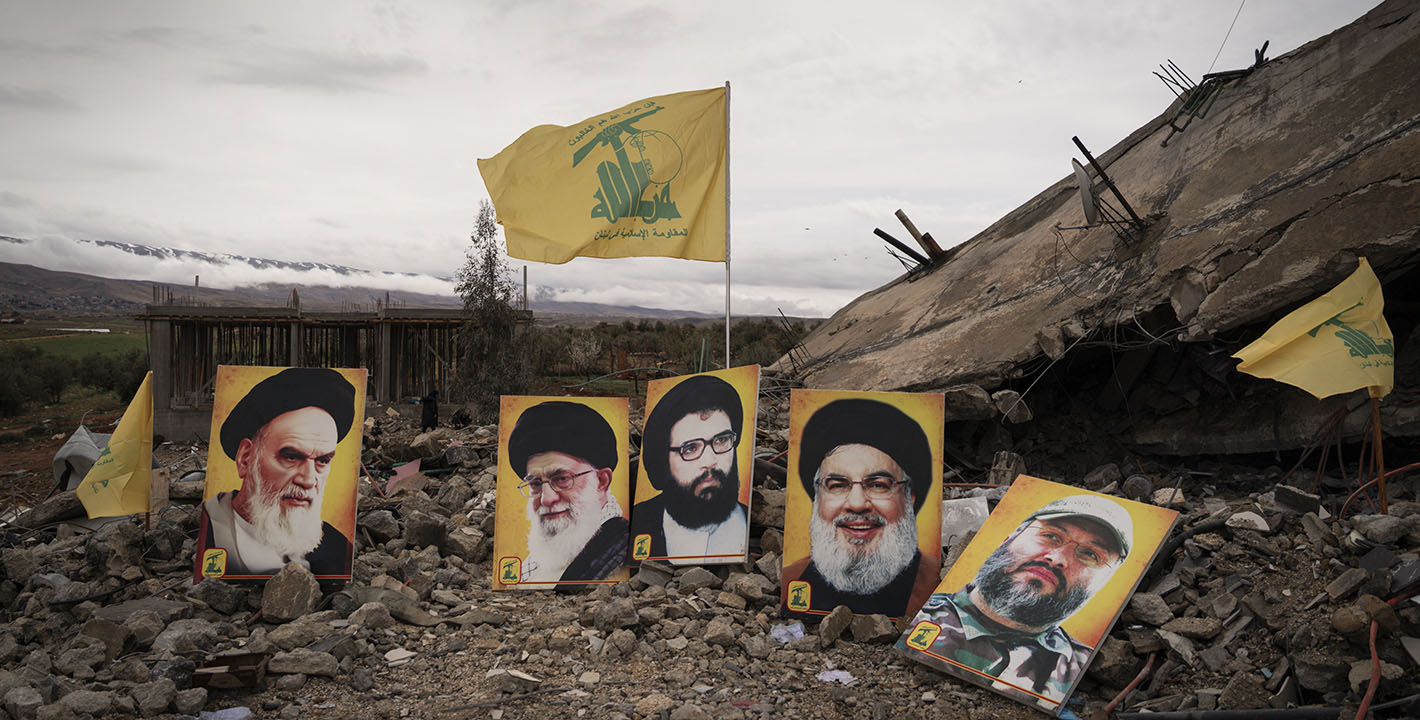
The party’s objectives involve tying together the Lebanese and Iranian fronts, while surviving militarily and politically at home.
Mohamad Fawaz
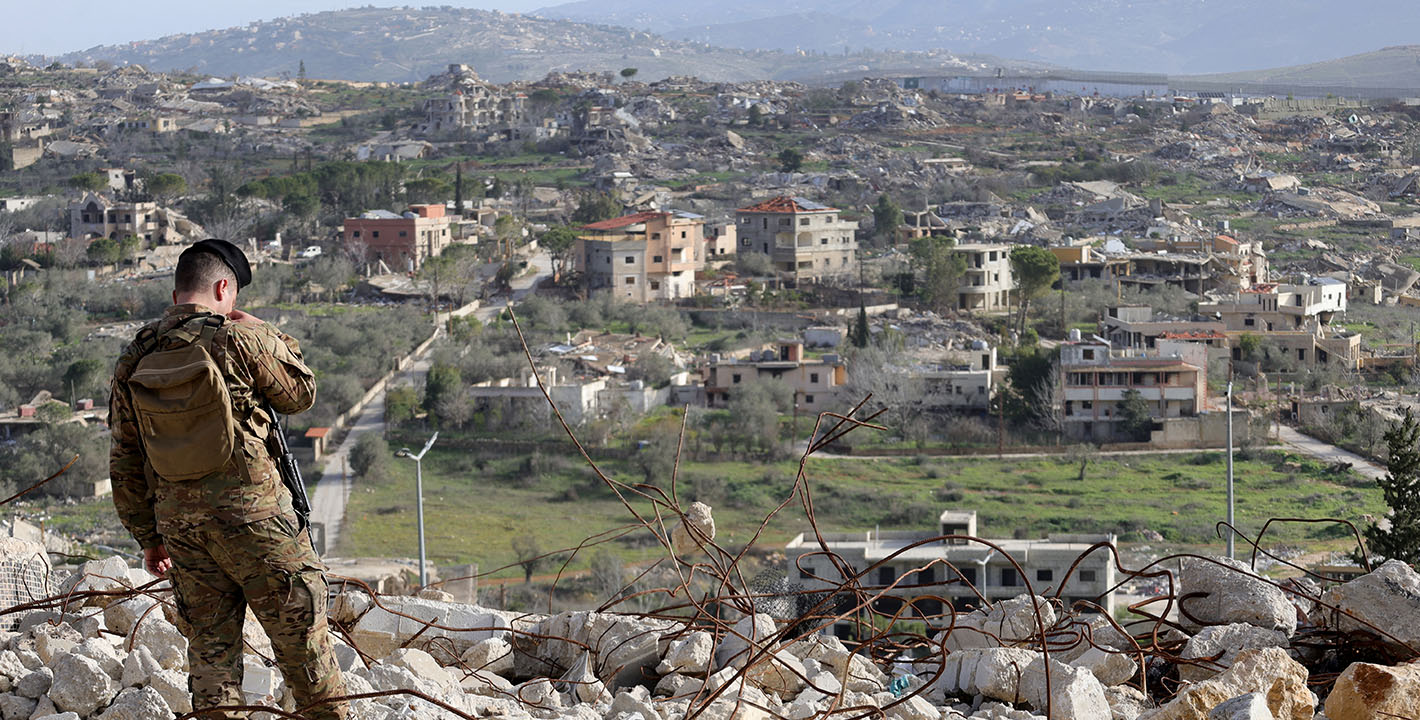
While armed forces commander Rudolph Haykal’s caution is understandable, he is in a position to act, and must.
Michael Young