

Paper
Ashley J. Tellis
{
  "authors": [
    "Ashley J. Tellis"
  ],
  "type": "other",
  "centerAffiliationAll": "dc",
  "centers": [
    "Carnegie Endowment for International Peace"
  ],
  "collections": [],
  "englishNewsletterAll": "ctw",
  "nonEnglishNewsletterAll": "",
  "primaryCenter": "Carnegie Endowment for International Peace",
  "programAffiliation": "SAP",
  "programs": [
    "South Asia"
  ],
  "projects": [],
  "regions": [
    "South Asia",
    "India"
  ],
  "topics": [
    "Economy"
  ]
}
Source: Getty
India’s success in the world will be fundamentally a function of its success at home.
Source: Xavier's Leadership Programme
In a lecture delivered to students at his alma mater in Mumbai, Ashley Tellis discussed the domestic context of India’s foreign policy since Independence. He argued that for India to succeed abroad it must first complete its nationalist project at home, which he identified as having three parts: a thriving political democracy, a liberal polity, and a developed economy. To achieve this “trinity,” Tellis recommended that India’s policymakers search for a “judicious balance” between market freedom and state intervention. Specifically, he encouraged lawmakers to abandon their historical reticence towards markets and embrace a more limited role for the state in the economy. Finally, in order to protect a balance of power throughout Asia in the coming decades, Tellis discussed the advantages of reaching out to allies outside of India’s immediate neighborhood, such as the United States.
Former Senior Fellow
Ashley J. Tellis was a senior fellow at the Carnegie Endowment for International Peace.
Recent Work
Ashley J. Tellis
Ashley J. Tellis
Carnegie does not take institutional positions on public policy issues; the views represented herein are those of the author(s) and do not necessarily reflect the views of Carnegie, its staff, or its trustees.

In an interview, Ishac Diwan looks at the merits and flaws in the draft legislation distributing losses from the financial collapse.

Michael Young

Mustaqbal Misr has expanded its portfolio with remarkable speed, but a lack of transparency remains.

Yezid Sayigh
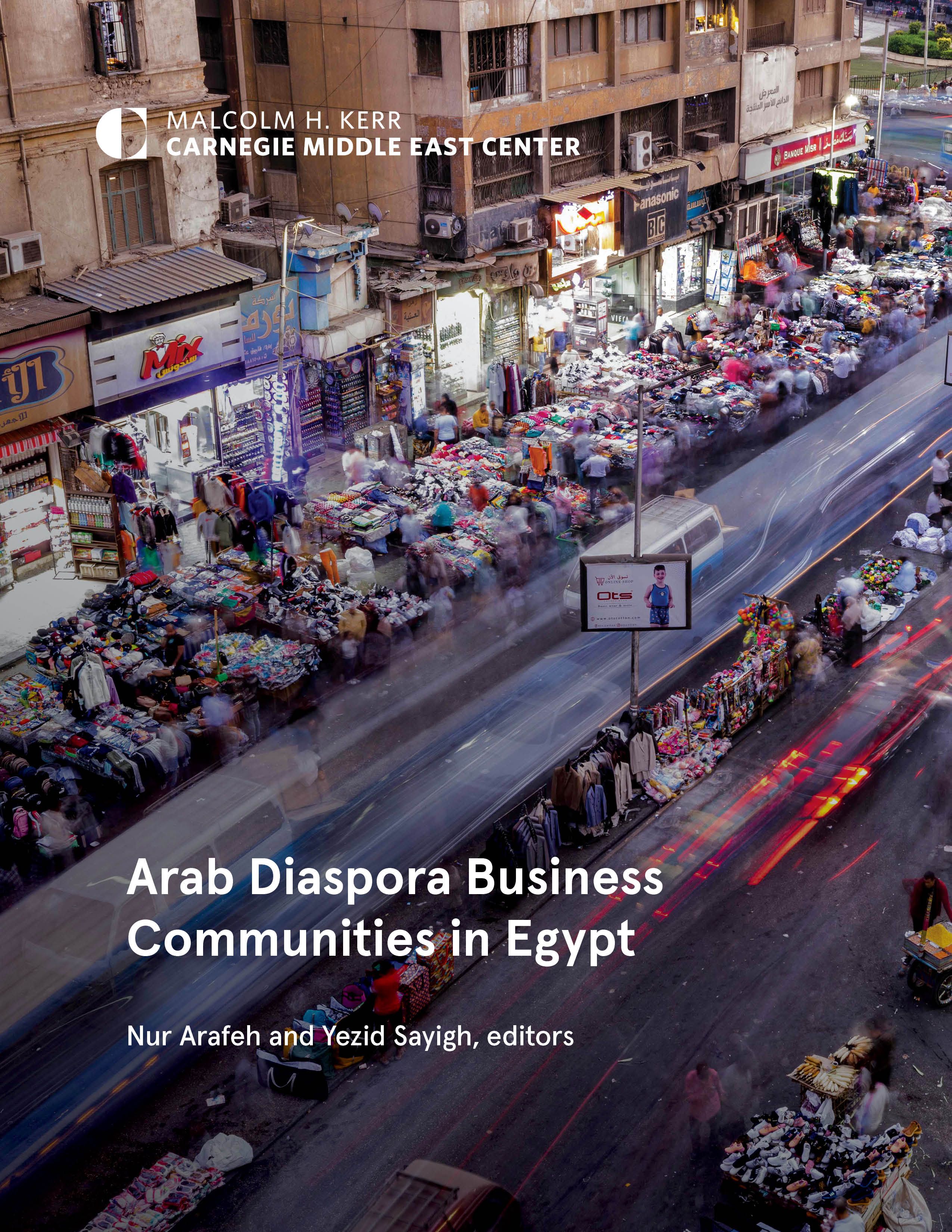
Arab diaspora business communities in Egypt often mirror the same systemic challenges facing Egyptian businesses.
Nur Arafeh, Yezid Sayigh, Qaboul al-Absi, …

Largely characterized thus far by a single-minded focus on extractivism, Riyadh must commit to greater equitability in its approach to investment and development deals with Sudan, Ethiopia, and Eritrea.

Hesham Alghannam
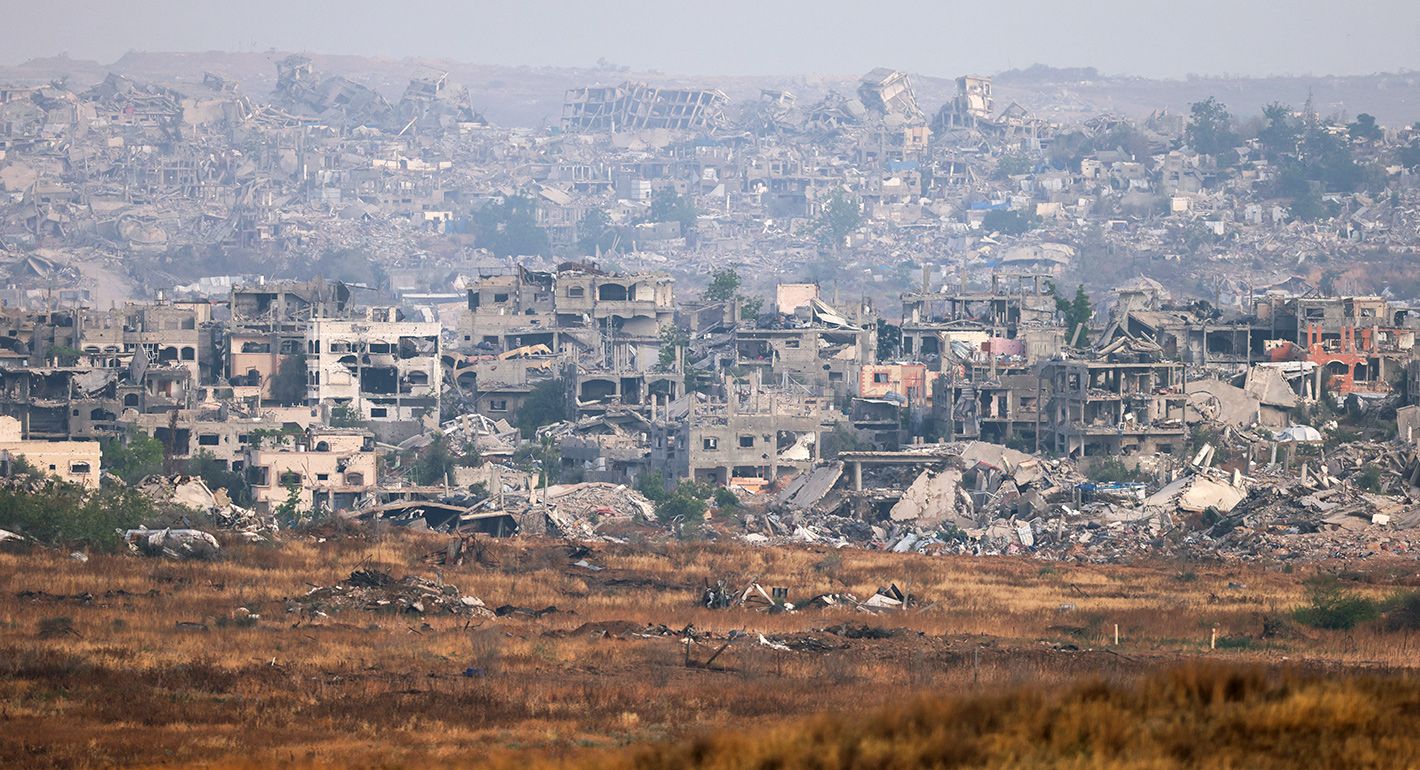
Once Israel’s war in the territory is brought to an end, the foundational principles guiding reconstruction should be Palestinian self-determination, local agency, and sovereignty.
Nur Arafeh, Mandy Turner