

Commentary
In an interview, Marc Lynch discusses his new book decrying the post-1990 U.S.-dominated order in the Middle East.
Michael Young
{
  "authors": [],
  "type": "pressRelease",
  "centerAffiliationAll": "",
  "centers": [
    "Carnegie Endowment for International Peace"
  ],
  "collections": [],
  "englishNewsletterAll": "",
  "nonEnglishNewsletterAll": "",
  "primaryCenter": "Carnegie Endowment for International Peace",
  "programAffiliation": "",
  "programs": [],
  "projects": [],
  "regions": [
    "East Asia",
    "South Korea"
  ],
  "topics": [
    "Nuclear Policy"
  ]
}
REQUIRED IMAGE
With North Korea recently conducting its third nuclear test, Carnegie experts assess Pyongyang’s nuclear capability and the security, geopolitical, and technological implications of this latest provocation.
With North Korea recently conducting its third nuclear test, Carnegie experts are available to assess Pyongyang’s nuclear capability and the security, geopolitical, and technological implications of this latest provocation.
To request an interview, please contact Charita Law at claw@ceip.org or +1 202 939 2233.
Here are rapid reactions from Carnegie's global experts:
"North Korea's third test appears to be larger than its first two, but not dramatically so. In the coming hours and day, watch to see better yield estimates, whether the weapon was made from plutonium or uranium, and whether there will be a second test."
"At a time when the United States is poised to cut defense spending further, and the new defense secretary nominee has advocated in the past for reducing the U.S. nuclear arsenal, questions in Tokyo and Seoul about the long-term sustainability of the U.S. nuclear umbrella will arise anew. The fact is that the United States still has the capability to reassure its allies on this front, but it will require constant bilateral attention and the development of even closer defense relationships to maintain deterrence in this new nuclear age. Now is not the time for allies to think they need to go it alone."
"In the past North Korea had no choice but to deplete its small and finite inventory of plutonium to test nuclear weapons. Today and in the future, an unchecked and growing enrichment capability in North Korea is a game changer because it will allow Pyongyang to indefinitely stockpile highly enriched uranium fuel for an ever-larger nuclear weapons arsenal."
"In terms of what the nuclear test says about the behavior of the new North Korean government, does the test consolidate Kim Jong Un's power and allow him to pursue new six-party negotiations? Or does it foretell a hardening of security policy and therefore mean more provocations in the near future? It's too soon to tell."
"The test shows that the North Korean government has strong and blind faith in the coercive influence of its nuclear-weapons capability. This is the wrong approach for its country and people."
"North Korea's effort to impress its potential clients with its nuclear and missile prowess has reached new heights with the recent long-range missile test and the current nuclear test."
"The test will likely cause certain voices in Japan to ramp up calls for the development of a next-generation ballistic missile defense system with the United States. A new system could trigger the expansion of armaments of both North Korea and China, which could cause instability in East Asia. It is highly recommended that the United States stays calm and encourages Japan not to overreact to North Korea's nuclear test."
Carnegie does not take institutional positions on public policy issues; the views represented herein are those of the author(s) and do not necessarily reflect the views of Carnegie, its staff, or its trustees.

In an interview, Marc Lynch discusses his new book decrying the post-1990 U.S.-dominated order in the Middle East.

Michael Young
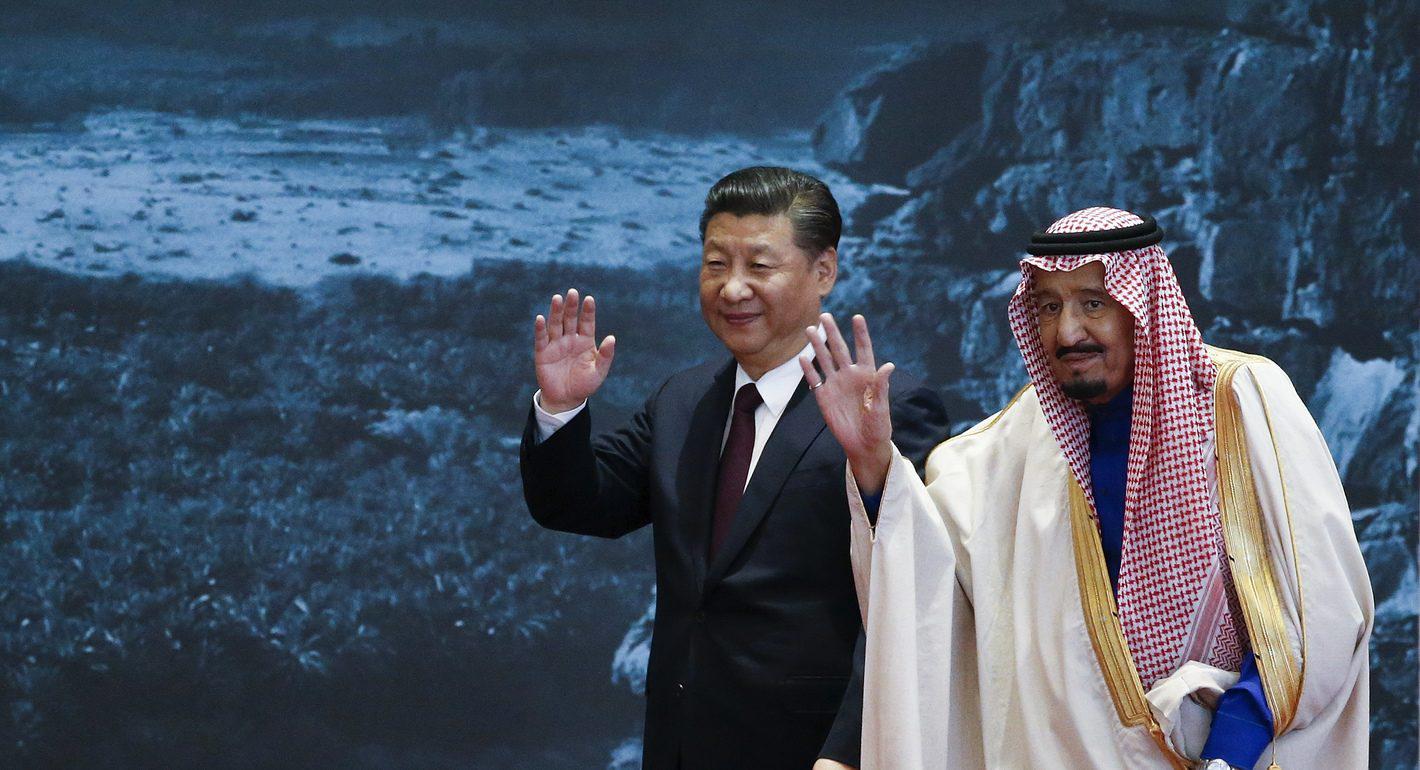
The advantage that China has over other global powers, especially America, is that its foreign policy is closely aligned with those of many of the Middle Eastern countries.
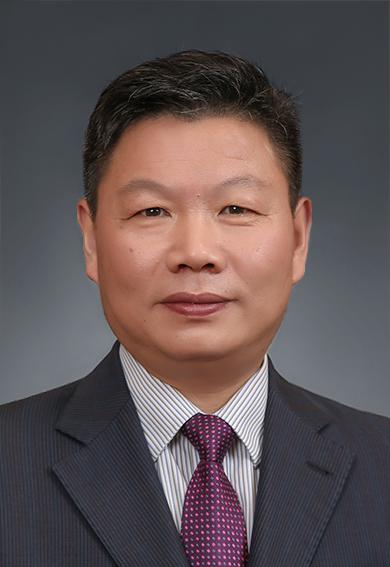


Jin Liangxiang, Maha Yahya, Hesham Alghannam
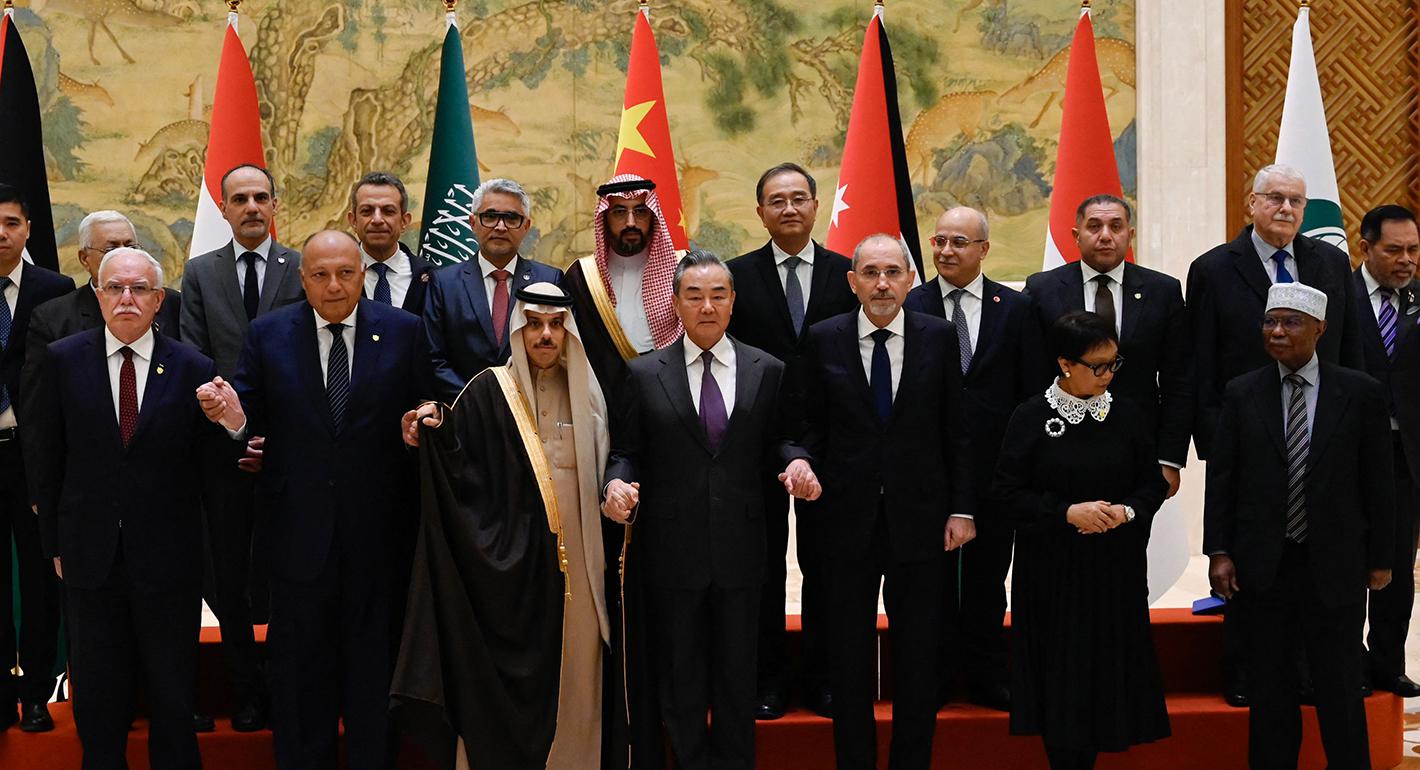
To create an environment more conducive to cooperation and development, U.S. and Chinese efforts should seek the endorsement of neighboring countries and regional organizations. Otherwise, regional and geopolitical rivalries will remain barriers.
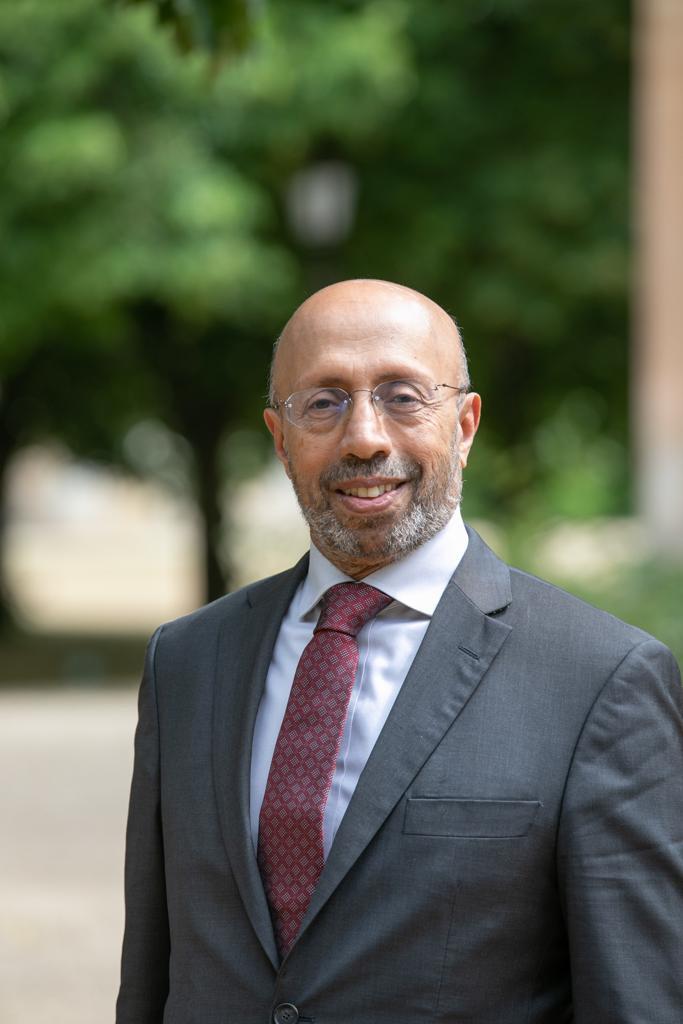
Abdullah Baabood

Scholars from Carnegie’s global network comment on how the ongoing conflict between Israelis and Palestinians is affecting their areas of interest, and what the implications of this may be.


Maha Yahya, Rosa Balfour, Judy Dempsey, …
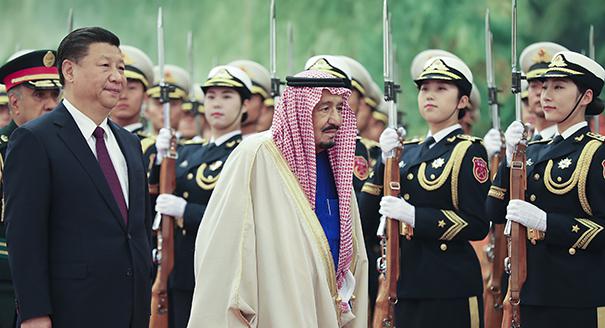
In an interview, Abdullah Baabood discusses Beijing’s evolving role in the Gulf region, where its priority is stability.
Michael Young