

Research
- +10
Rosa Balfour, Frances Z. Brown, Yasmine Farouk, …
{
  "authors": [
    "Moisés Naím"
  ],
  "type": "legacyinthemedia",
  "centerAffiliationAll": "",
  "centers": [
    "Carnegie Endowment for International Peace"
  ],
  "collections": [],
  "englishNewsletterAll": "",
  "nonEnglishNewsletterAll": "",
  "primaryCenter": "Carnegie Endowment for International Peace",
  "programAffiliation": "",
  "programs": [],
  "projects": [],
  "regions": [
    "North America"
  ],
  "topics": [
    "Economy",
    "Global Governance"
  ]
}
Source: Getty
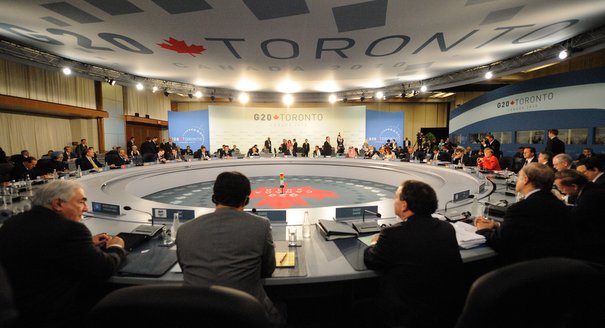
As the nature of power shifts and new actors grow in importance, a transformation in global governance will depend more greatly on coalition-building rather than concentrated power among a handful of actors.
Source: C-SPAN
Speaking on C-SPAN, Carnegie's Moisés Naím discussed the transformation of power throughout the 21st century. The restructuring of power, as well as its capabilities and implications, have shifted significantly. It is now more difficult to use and easier to lose. Concentrated power is declining and even eroding, while a more mobile and vocal populace is gaining relevance, Naím said.

Distinguished Fellow
Moisés Naím is a distinguished fellow at the Carnegie Endowment for International Peace, a best-selling author, and an internationally syndicated columnist.
Recent Work



Rosa Balfour, Frances Z. Brown, Yasmine Farouk, …
Moisés Naím
Carnegie does not take institutional positions on public policy issues; the views represented herein are those of the author(s) and do not necessarily reflect the views of Carnegie, its staff, or its trustees.

The armed forces champion a form of capitalism that is generating revenue, but its reliance on rent faces diminishing returns, leaving the country with massive sunk costs and deferred returns, deepening dependency on external borrowing.

Yezid Sayigh

Baku may allow radical nationalists to publicly discuss “reunification” with Azeri Iranians, but the president and key officials prefer not to comment publicly on the protests in Iran.

Bashir Kitachaev
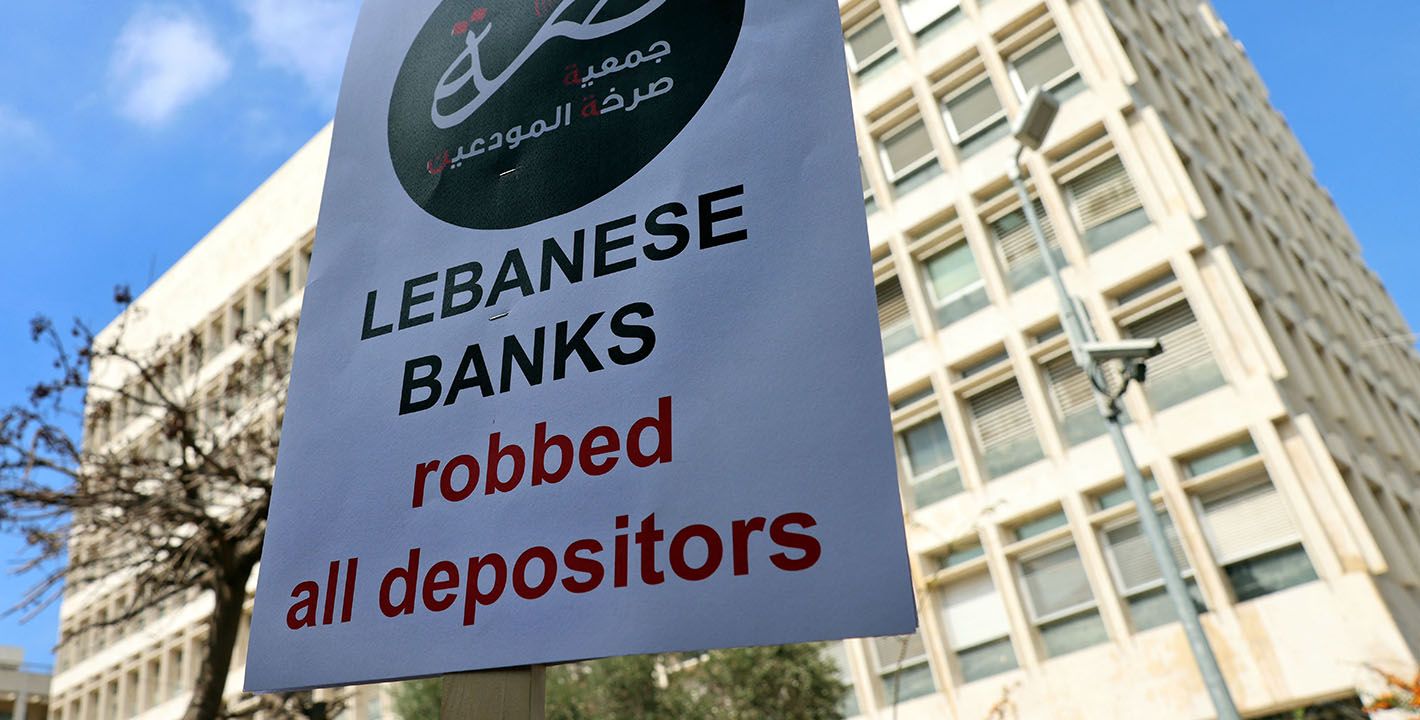
In an interview, Ishac Diwan looks at the merits and flaws in the draft legislation distributing losses from the financial collapse.

Michael Young

Mustaqbal Misr has expanded its portfolio with remarkable speed, but a lack of transparency remains.
Yezid Sayigh
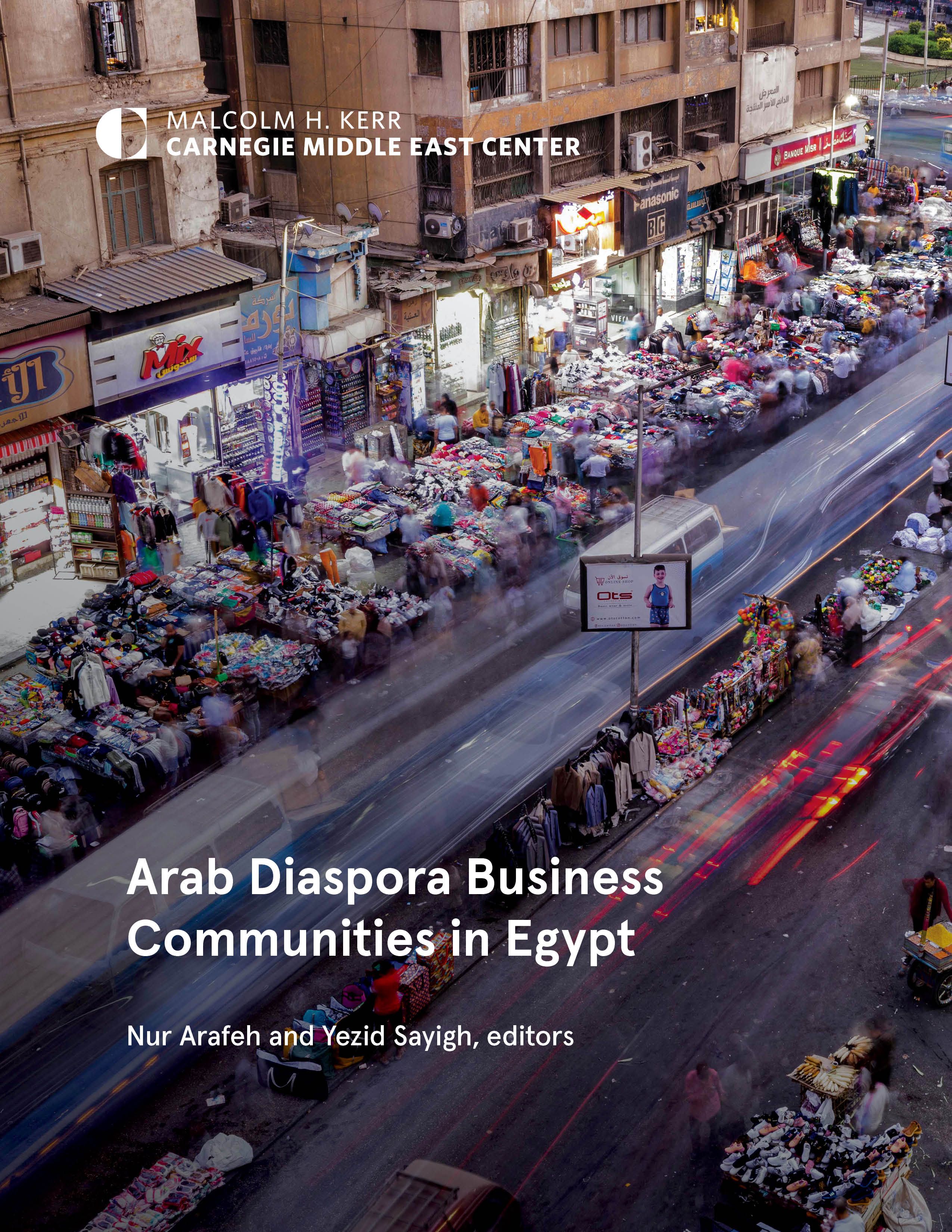
Arab diaspora business communities in Egypt often mirror the same systemic challenges facing Egyptian businesses.
Nur Arafeh, Yezid Sayigh, Qaboul al-Absi, …