

Commentary
But growing hostility to Israeli actions is too late to save the West from the lasting damage of Gaza.
Michael Young
{
  "authors": [
    "Olga Shumylo-Tapiola",
    "Lucia Najšlová",
    "Věra Řiháčková"
  ],
  "type": "other",
  "centerAffiliationAll": "",
  "centers": [
    "Carnegie Endowment for International Peace",
    "Carnegie Europe"
  ],
  "collections": [
    "Europe’s Eastern Neighborhood"
  ],
  "englishNewsletterAll": "",
  "nonEnglishNewsletterAll": "",
  "primaryCenter": "Carnegie Europe",
  "programAffiliation": "",
  "programs": [],
  "projects": [],
  "regions": [
    "Europe",
    "Eastern Europe",
    "Ukraine",
    "Western Europe",
    "Belarus",
    "Moldova"
  ],
  "topics": []
}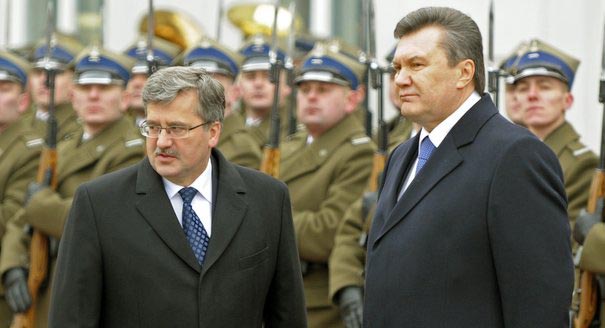
Source: Getty
Encouraging a multi-stakeholder dialogue and amplifying the voice of non-state actors acting in the public interest are key issues on which the Union should focus its assistance to the East.
Source: Policy Paper
Although the EU is today mired in a number of uncertainties regarding the future of its own internal decisionmaking structures, it still is a source of inspiration for reform-minded groups and individuals in its Eastern neighbourhood. While strengthening of democratic institutions and improvement of governance are tasks that have to be desired and accomplished by Eastern neighbours themselves, the EU can contribute to the process by focusing on areas in which it has already a track-record.
Encouraging a multi-stakeholder dialogue and amplifying the voice of non-state actors acting in the public interest are key issues on which the Union should focus its assistance to the East. In its dialogue with partner governments, the EU should emphasize that it supports only projects for which such groups have been previously consulted. At the same time, those in charge of policy towards Eastern neighbours should follow more closely developments in Turkey’s and Russia’s neighbourhood policies towards the same countries.
This piece originally appeared in Notre Europe's Policy Paper, No. 71.

Former Nonresident Associate, Carnegie Europe
Shumylo-Tapiola is a nonresident associate at Carnegie Europe in Brussels, where her research focuses on Eastern Europe and Eurasia.
Lucia Najšlová
EUROPEUM Institute for European Foreign Policy
Věra Řiháčková
EUROPEUM Institute for European Foreign Policy
Carnegie does not take institutional positions on public policy issues; the views represented herein are those of the author(s) and do not necessarily reflect the views of Carnegie, its staff, or its trustees.
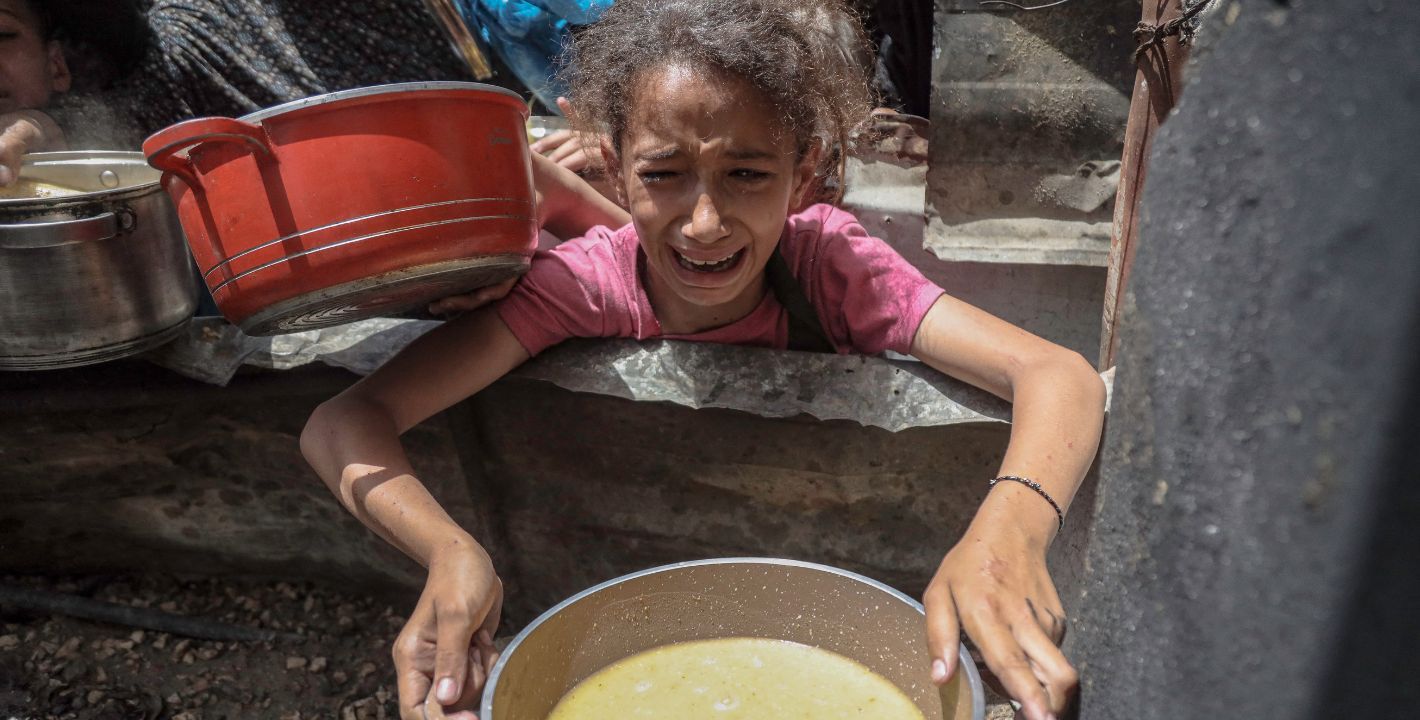
But growing hostility to Israeli actions is too late to save the West from the lasting damage of Gaza.

Michael Young
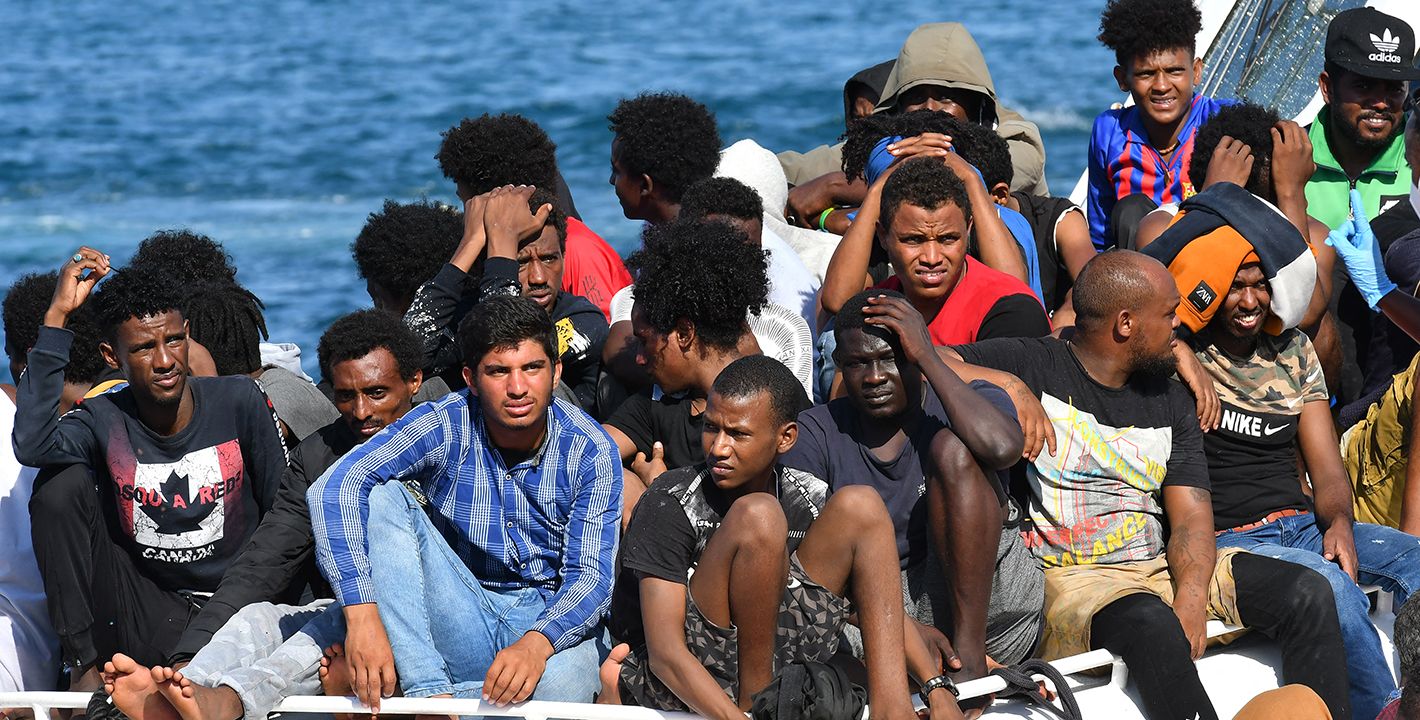
In an interview, Yasmine Zarhloule discusses irregular migration to Europe and the shortcomings of a securitization policy.
Rayyan Al-Shawaf
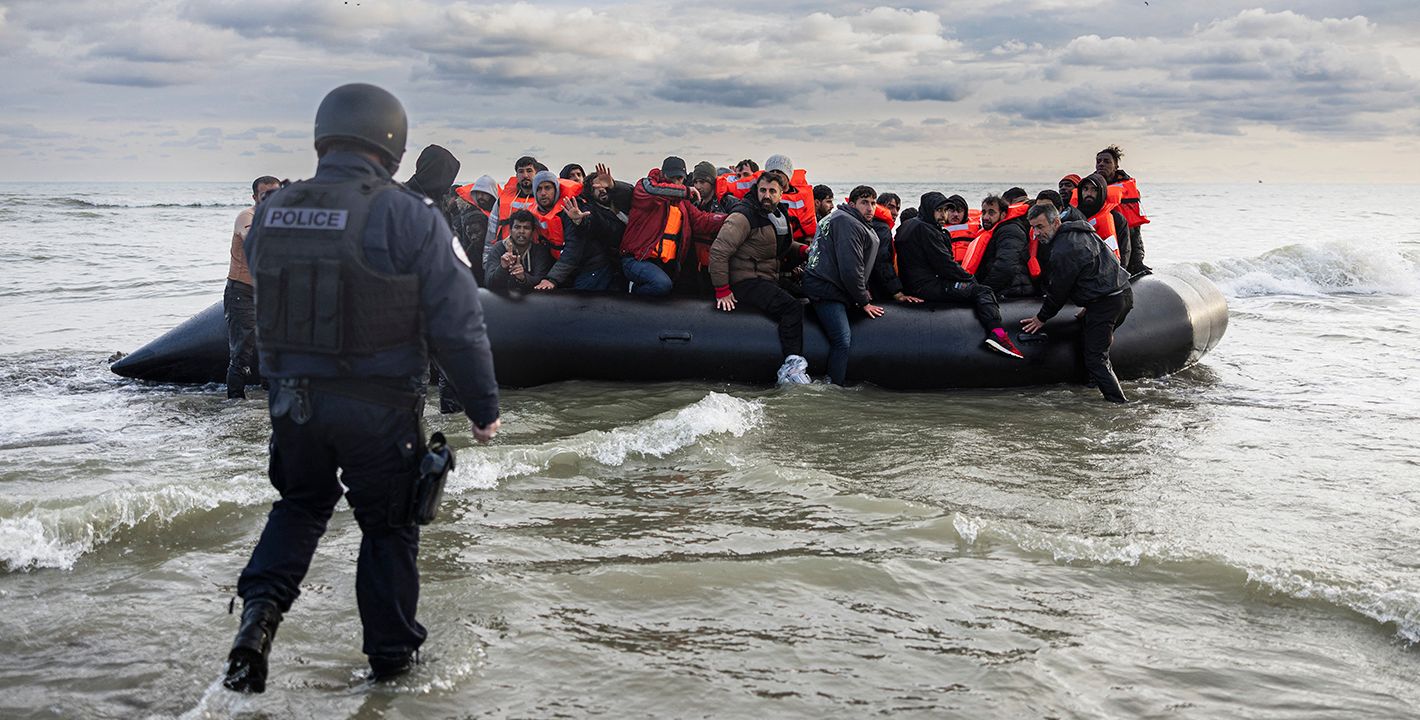
The EU has responded to unwanted arrivals with ever-stricter security measures, an approach that has both led to increased human rights violations and failed to stem the migratory tide.

Yasmine Zarhloule
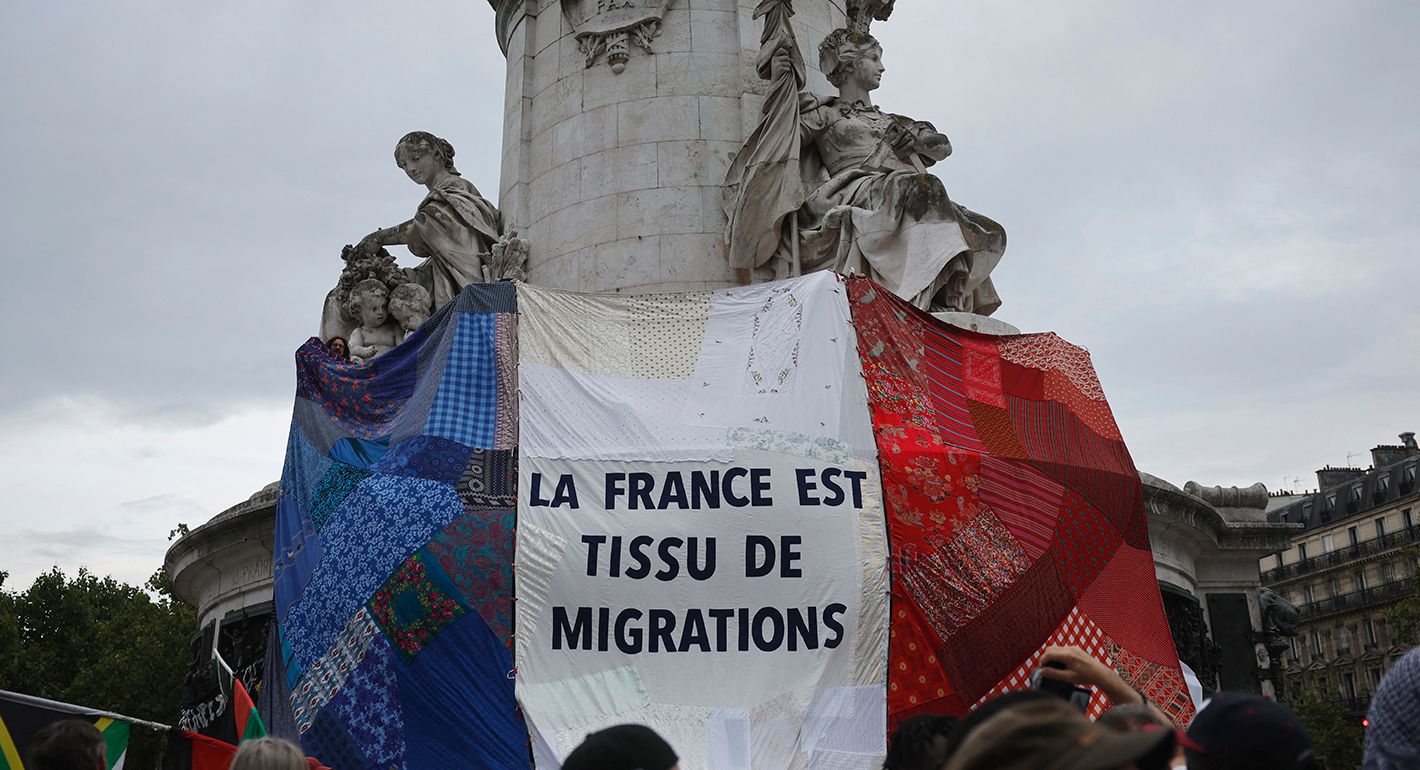
Nevertheless, recent European and parliamentary elections have fed an increasing struggle over belonging.
Yasmine Zarhloule

Antony Blinken took his guitar to Kyiv to lift the spirits of Ukrainians, but Arabs are apparently denied his tunes.
Michael Young