

Research
- +10
Rosa Balfour, Frances Z. Brown, Yasmine Farouk, …
{
  "authors": [
    "Moisés Naím"
  ],
  "type": "legacyinthemedia",
  "centerAffiliationAll": "",
  "centers": [
    "Carnegie Endowment for International Peace"
  ],
  "collections": [],
  "englishNewsletterAll": "",
  "nonEnglishNewsletterAll": "",
  "primaryCenter": "Carnegie Endowment for International Peace",
  "programAffiliation": "",
  "programs": [],
  "projects": [],
  "regions": [
    "North America"
  ],
  "topics": [
    "Political Reform",
    "Economy",
    "Global Governance"
  ]
}
Source: Getty
The decline of political and corporate power has been observed over the last two decades. Although there is much to celebrate, there is also cause for concern over the ability to push through an agenda and make decisions in a timely manner.
Source: MSNBC Morning Joe
Speaking on MSNBC's Morning Joe, Carnegie's Moisés Naím discussed the decline of political power around the world, as well as the decline of corporate power structures. Naím cited the monopoly once held by Kodak over the film and photography industries. Kodak has now filed for bankruptcy, while a small app of only 13 employees, known as Instagram, recently sold for a billion dollars. The probability of a company at the top of its sector falling out of this category has doubled over the last 20 years. Companies which responded correctly, such as IBM, have succeeded by adapting and developing a peripheral view while specializing in their field. Without this adaptation, Naím argues that tunnel vision will lead competition and competitors from the most improbable and unexpected places to take away customers.
This shift provides reasons for optimism, Naím explained: there is more competition, tyrants and monopolies are struggling to maintain their power, while new opportunities are available for voters, consumers, and activists. However, there is a downside. These changes can produce gridlock in governments and an inability to make decisions in a timely manner. New, small actors are entering the conversation, sitting at the table, and wanting to shape the outcomes. At times they are undermining initiatives, with no single actor holding enough power to push through an agenda. This is creating a detrimental state of fragile democracies, Naím concluded.

Distinguished Fellow
Moisés Naím is a distinguished fellow at the Carnegie Endowment for International Peace, a best-selling author, and an internationally syndicated columnist.
Recent Work



Rosa Balfour, Frances Z. Brown, Yasmine Farouk, …
Moisés Naím
Carnegie does not take institutional positions on public policy issues; the views represented herein are those of the author(s) and do not necessarily reflect the views of Carnegie, its staff, or its trustees.

The armed forces champion a form of capitalism that is generating revenue, but its reliance on rent faces diminishing returns, leaving the country with massive sunk costs and deferred returns, deepening dependency on external borrowing.

Yezid Sayigh

Baku may allow radical nationalists to publicly discuss “reunification” with Azeri Iranians, but the president and key officials prefer not to comment publicly on the protests in Iran.

Bashir Kitachaev
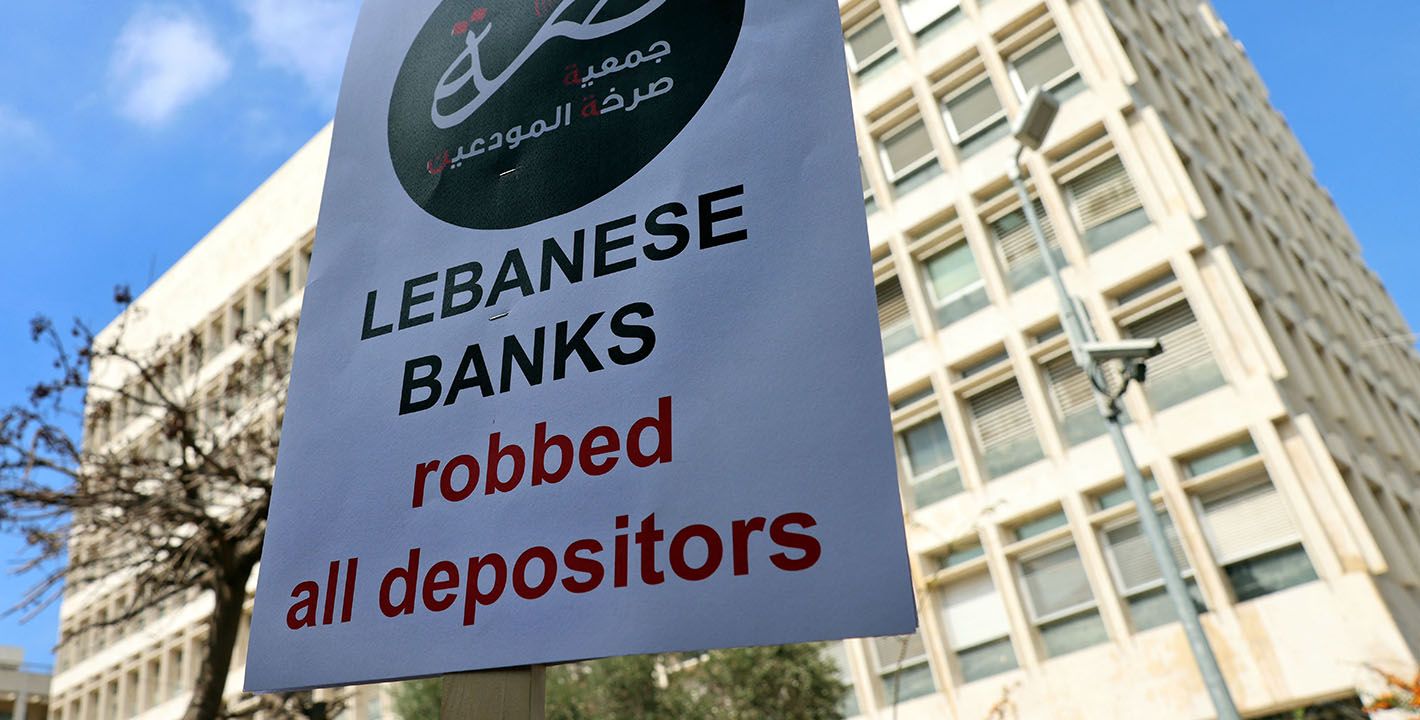
In an interview, Ishac Diwan looks at the merits and flaws in the draft legislation distributing losses from the financial collapse.

Michael Young

Mustaqbal Misr has expanded its portfolio with remarkable speed, but a lack of transparency remains.
Yezid Sayigh
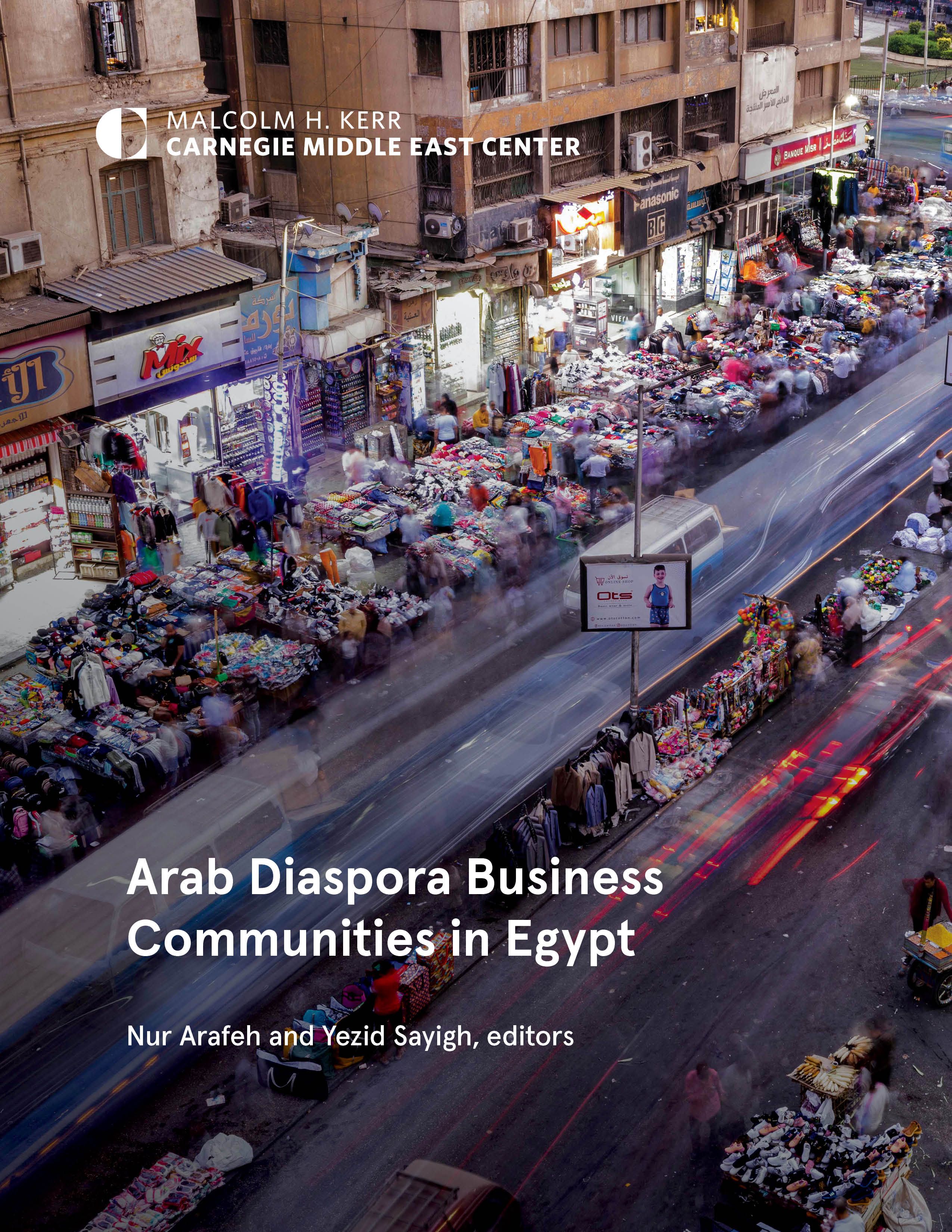
Arab diaspora business communities in Egypt often mirror the same systemic challenges facing Egyptian businesses.
Nur Arafeh, Yezid Sayigh, Qaboul al-Absi, …