

Commentary
Yukon Huang, Isaac B. Kardon, Matt Sheehan
{
  "authors": [
    "Yukon Huang"
  ],
  "type": "legacyinthemedia",
  "centerAffiliationAll": "dc",
  "centers": [
    "Carnegie Endowment for International Peace"
  ],
  "collections": [],
  "englishNewsletterAll": "asia",
  "nonEnglishNewsletterAll": "",
  "primaryCenter": "Carnegie Endowment for International Peace",
  "programAffiliation": "AP",
  "programs": [
    "Asia"
  ],
  "projects": [],
  "regions": [
    "East Asia",
    "China"
  ],
  "topics": [
    "Economy",
    "Trade"
  ]
}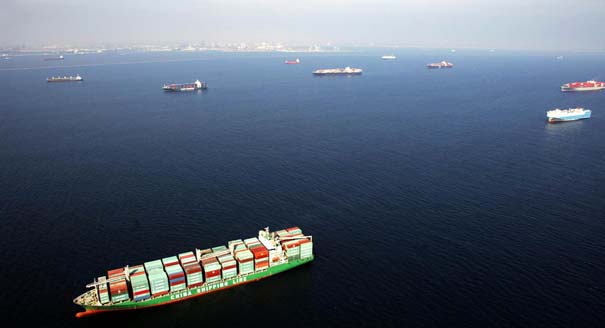
Source: Getty
China is giving more consideration to the possibility of joining the Trans-Pacific Partnership.
Source: Channel News Asia
The process of reforming and opening up the Chinese economy has accelerated under the new leadership, said Carnegie's Yukon Huang, speaking on Channel NewsAsia. The reappointment of Zhou Xiaochuan as central bank director sends a positive signal in this regard, and specific policies to liberalize interest rates, encourage more capital inflows, and open entry to foreign banks have already been introduced.
With respect to trade liberalization, Huang said that perspectives on the Trans-Pacific Partnership deal are shifting in China. Beijing realizes that of the three major trade agreements under negotiation (the TPP, the ASEAN-led Regional Comprehensive Economic Parternship, and the U.S.-EU Transatlantic Trade and Investment Partnership), the TPP discussions are most advanced and have potentially important impacts on international trade norms. Several sensitive issues that are of interest to China are being negotiated in the TPP, including treatment of state-owned enterprises, government procurement policy, and labor and environmental standards.
It was previously thought that China was not ready to move on these issues, Huang said, but leaders in Beijing increasingly realize that every country has sensitive trade issues. He cited the example of protected agricultural sectors in Canada, the United States, and Japan, all members of the TPP negotiations. Developing countries are much more inclined to support open trade regimes than they were a decade ago, Huang added. This gives China more confidence to enter the TPP, as its policies are no more restrictive than others and it is even more keen on open trade.

Senior Fellow, Asia Program
Huang is a senior fellow in the Carnegie Asia Program where his research focuses on China’s economy and its regional and global impact.
Recent Work

Yukon Huang, Isaac B. Kardon, Matt Sheehan
Yukon Huang, Genevieve Slosberg

Huawei pushed hard to enter the Egyptian data centers market, until the Americans made a better offer.

Angie Omar

The armed forces champion a form of capitalism that is generating revenue, but its reliance on rent faces diminishing returns, leaving the country with massive sunk costs and deferred returns, deepening dependency on external borrowing.

Yezid Sayigh

Morocco and Algeria, each in its own way, are having to navigate the global economic fallout of the U.S.-Israeli military campaign against Iran.

Yasmine Zarhloule

In an interview, Ishac Diwan looks at the merits and flaws in the draft legislation distributing losses from the financial collapse.

Michael Young
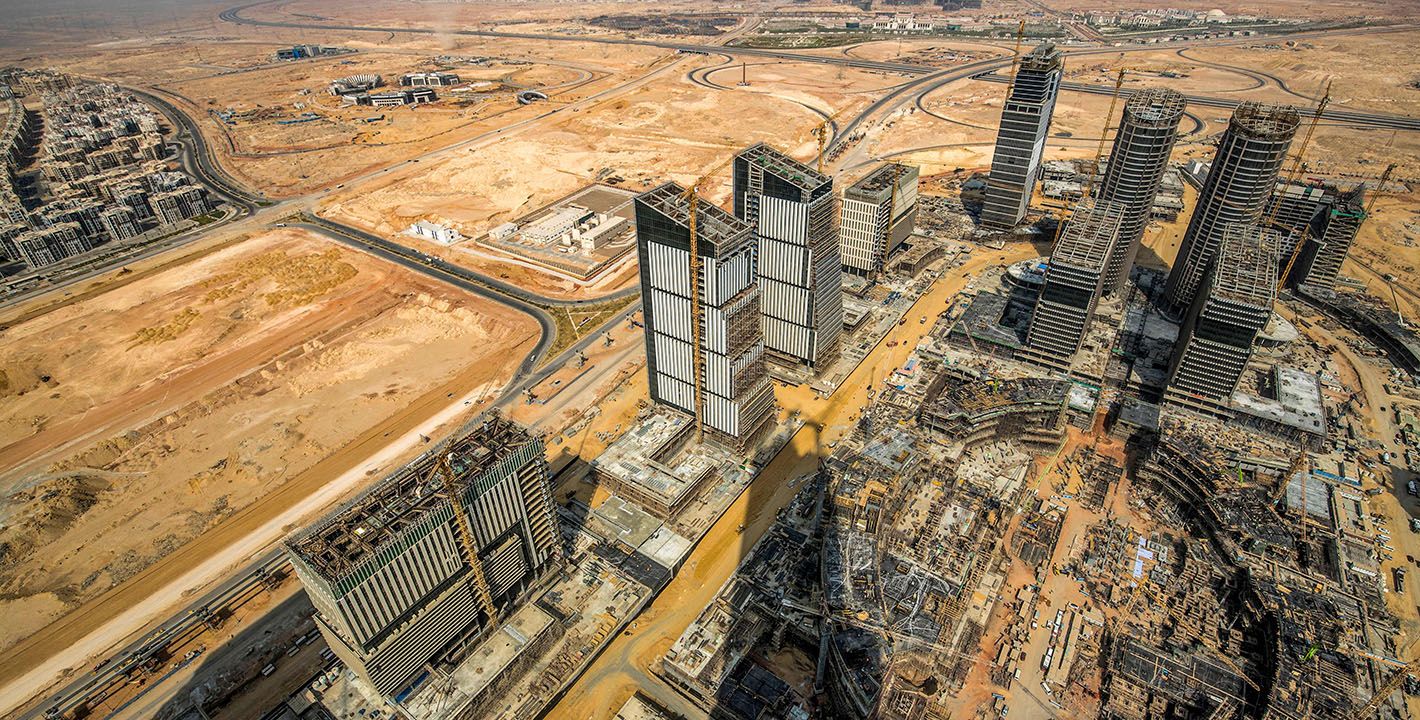
Mustaqbal Misr has expanded its portfolio with remarkable speed, but a lack of transparency remains.
Yezid Sayigh