

In The Media
Lilia Shevtsova
{
  "authors": [
    "Lilia Shevtsova"
  ],
  "type": "commentary",
  "centerAffiliationAll": "",
  "centers": [
    "Carnegie Endowment for International Peace",
    "Carnegie Russia Eurasia Center"
  ],
  "collections": [],
  "englishNewsletterAll": "",
  "nonEnglishNewsletterAll": "",
  "primaryCenter": "Carnegie Russia Eurasia Center",
  "programAffiliation": "",
  "programs": [],
  "projects": [],
  "regions": [],
  "topics": []
}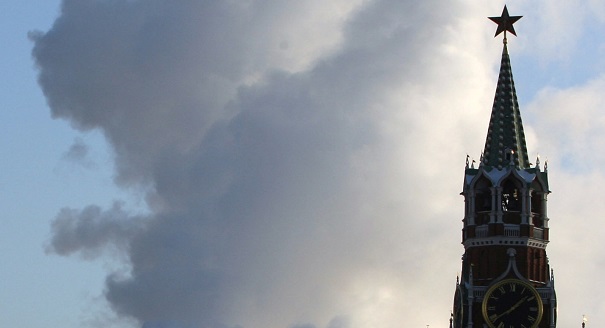
Source: Getty
Russia’s trajectory toward a harsher political regime and its attempts to contain the Western influence create formidable obstacles for the liberalization of the other post-Soviet states. The real breakthrough is possible only when Russia starts moving the ball, rejects the personalized power system, and begins searching for a new paradigm.
The evolution of the newly independent states that emerged following the collapse of the Soviet Union, demonstrates that democracy results from a combination of domestic preconditions and Western support to the nation in transition. This support can take various forms: direct economic assistance, participation in the trade zone with the Western states, membership in the Western security alliances or in the European Union.
So far, only three Baltic states that chose to join NATO and the EU have successfully built democracies. The rest of the newly independent states in the former Soviet space have found themselves either in a murky grey zone of hybrid regimes that present a mix of personalized power and fragile democratic institutions, or have moved toward new forms of authoritarianism and sultanistic rule. Hybrids, as Ukraine and Georgia have demonstrated, are temporary regimes that without powerful incentives from both inside and outside are doomed to move toward personalized power.
If the external international environment is really important for the democratic transition, then the newly independent states will remain in limbo or will continue to move toward despotism. The crisis of the West, the concentration of the key liberal actors (the EU and the U.S.) on their own problems, and the fact that liberal democratic civilization has lost its place of a role model and its attractiveness—all of this does not create positive stimuli for the democratic transition in the region.
Moreover, Russia’s trajectory toward a harsher political regime and its attempts to contain the Western influence create formidable obstacles for the liberalization of the other post-Soviet states. The fourth democratic wave hardly will take place in the region.
True, if a new wave of social and political awakening occurs in Belarus, Ukraine, and Moldova, and if Europe regains its interest in the Eastern dimension, we may see a new breakthrough in the region. But the real breakthrough is possible only when Russia starts moving the ball, rejects the personalized power system, and begins searching for a new paradigm. When could it happen? Only when severe crisis proves that the current paradigm of the personalized rule is totally exhausted.
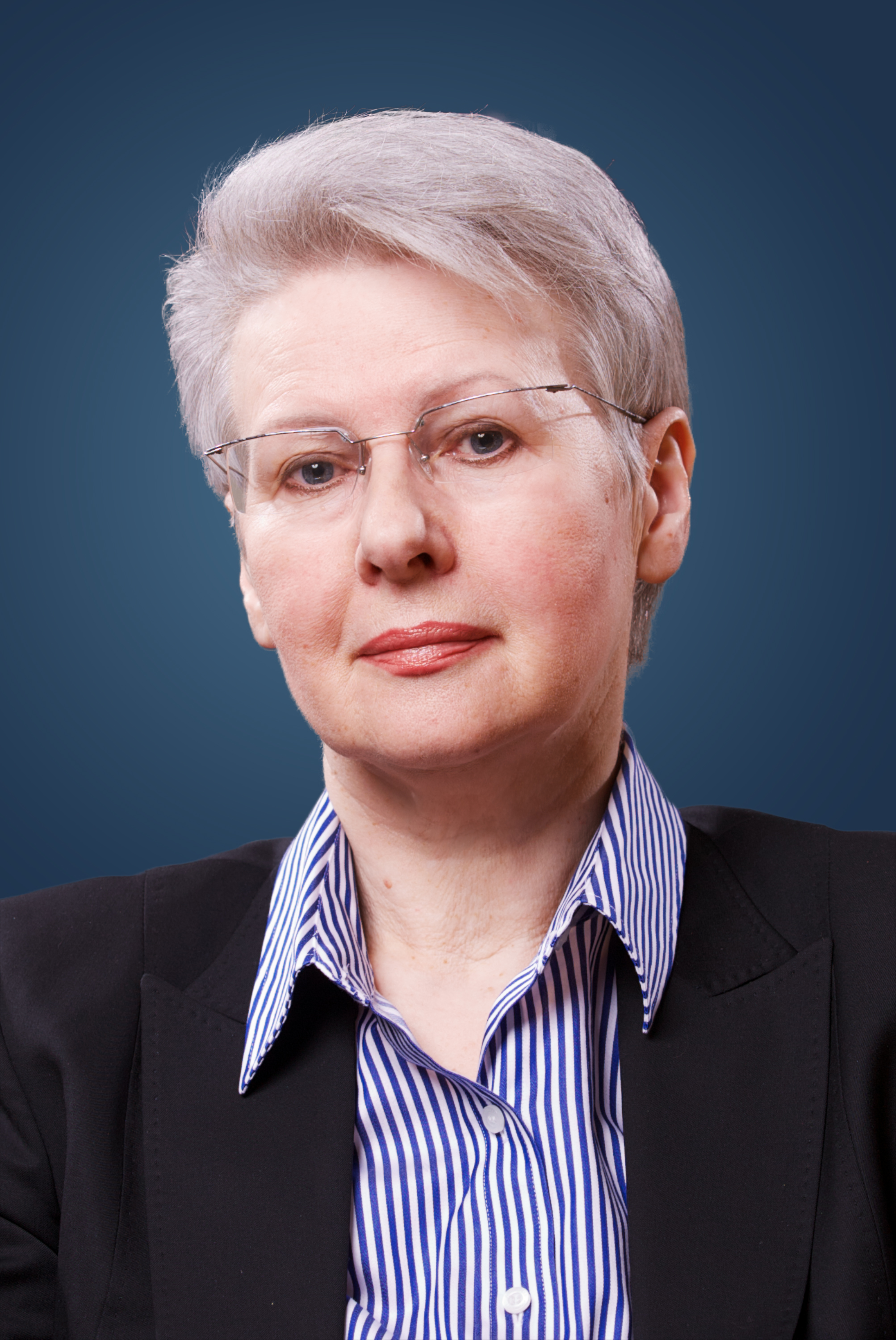
Former Senior Associate, Russian Domestic Politics and Political Institutions Program, Moscow Center
Shevtsova chaired the Russian Domestic Politics and Political Institutions Program at the Carnegie Moscow Center, dividing her time between Carnegie’s offices in Washington, DC, and Moscow. She had been with Carnegie since 1995.
Recent Work
Lilia Shevtsova
Lilia Shevtsova
Carnegie does not take institutional positions on public policy issues; the views represented herein are those of the author(s) and do not necessarily reflect the views of Carnegie, its staff, or its trustees.