

Q&A
Suzanne Maloney, Aaron David Miller, Karim Sadjadpour
{
  "authors": [
    "Karim Sadjadpour"
  ],
  "type": "legacyinthemedia",
  "centerAffiliationAll": "dc",
  "centers": [
    "Carnegie Endowment for International Peace",
    "Malcolm H. Kerr Carnegie Middle East Center"
  ],
  "collections": [],
  "englishNewsletterAll": "menaTransitions",
  "nonEnglishNewsletterAll": "",
  "primaryCenter": "Carnegie Endowment for International Peace",
  "programAffiliation": "MEP",
  "programs": [
    "Middle East"
  ],
  "projects": [],
  "regions": [
    "Middle East",
    "Iran"
  ],
  "topics": [
    "Political Reform"
  ]
}
Source: Getty
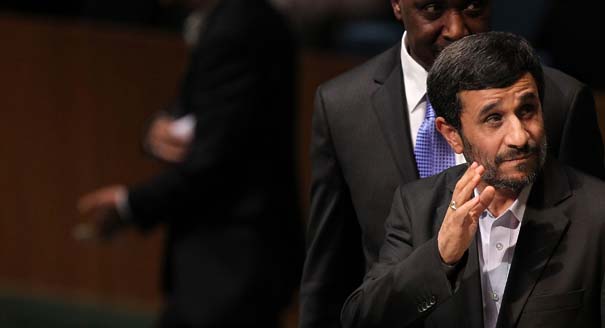
Although Ahmadinejad’s mismanagement and abrasive style lost him supporters and political allies, his confidence and boastfulness never faltered.
Source: BBC World Service
Speaking on BBC World Service, Carnegie’s Karim Sadjadpour reflected on the legacy of former Iranian President Mahmoud Ahmadinejad. Sadjadpour explained that although Ahmadinejad wasn’t Iran’s most powerful man, his denial of the Holocaust forced Western journalists to learn how to pronounce his name. Though reviled in the West, he noted that Ahmadinejad was popular among the pious working class outside of Iran, who admired his willingness to defy America and Israel. Ahmadinejad presided over the greatest oil windfall in the Iran’s history, but during his presidency, Iran’s inflation rate doubled and its currency depreciated over 80 percent under his custodianship. Over time, Ahmadinejad’s mismanagement and abrasive style lost him supporters and political allies, but his boastfulness never faltered, Sadjadpour concluded.
Senior Fellow, Middle East Program
Karim Sadjadpour is a senior fellow at the Carnegie Endowment for International Peace, where he focuses on Iran and U.S. foreign policy toward the Middle East.
Recent Work
Suzanne Maloney, Aaron David Miller, Karim Sadjadpour
Aaron David Miller, Karim Sadjadpour, Robin Wright
Carnegie does not take institutional positions on public policy issues; the views represented herein are those of the author(s) and do not necessarily reflect the views of Carnegie, its staff, or its trustees.
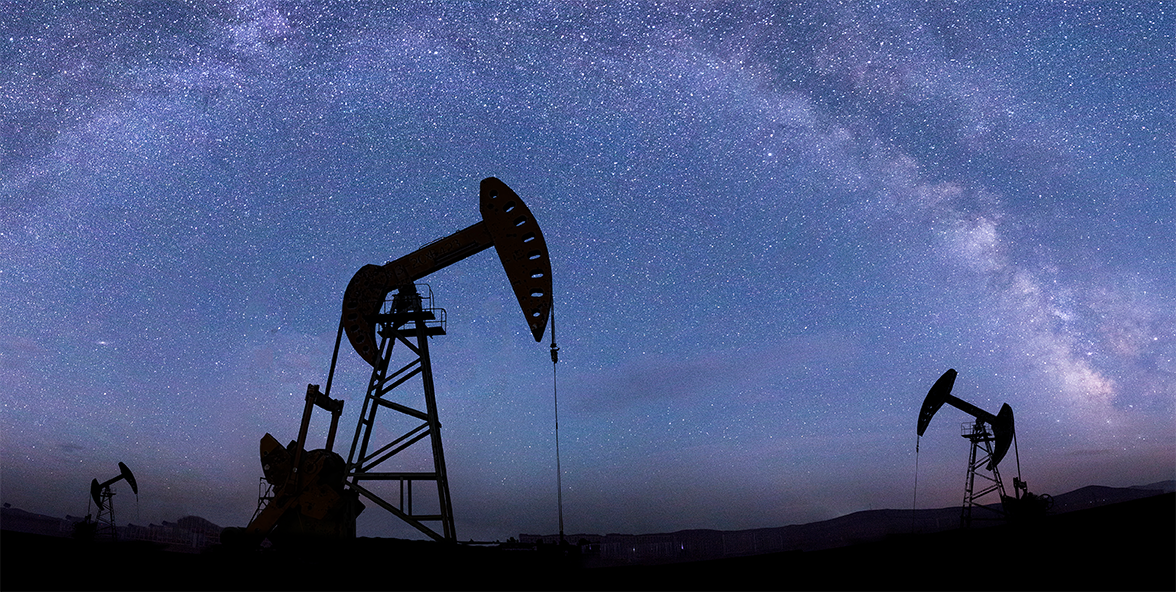
The global hydrocarbon order is changing. Economic diversification and developing productive economies have become essential for Middle Eastern and North African states, requiring them to address social and political challenges and rethink domestic, regional, and global settlements.
Nur Arafeh, Ishac Diwan, Hamza Meddeb, …
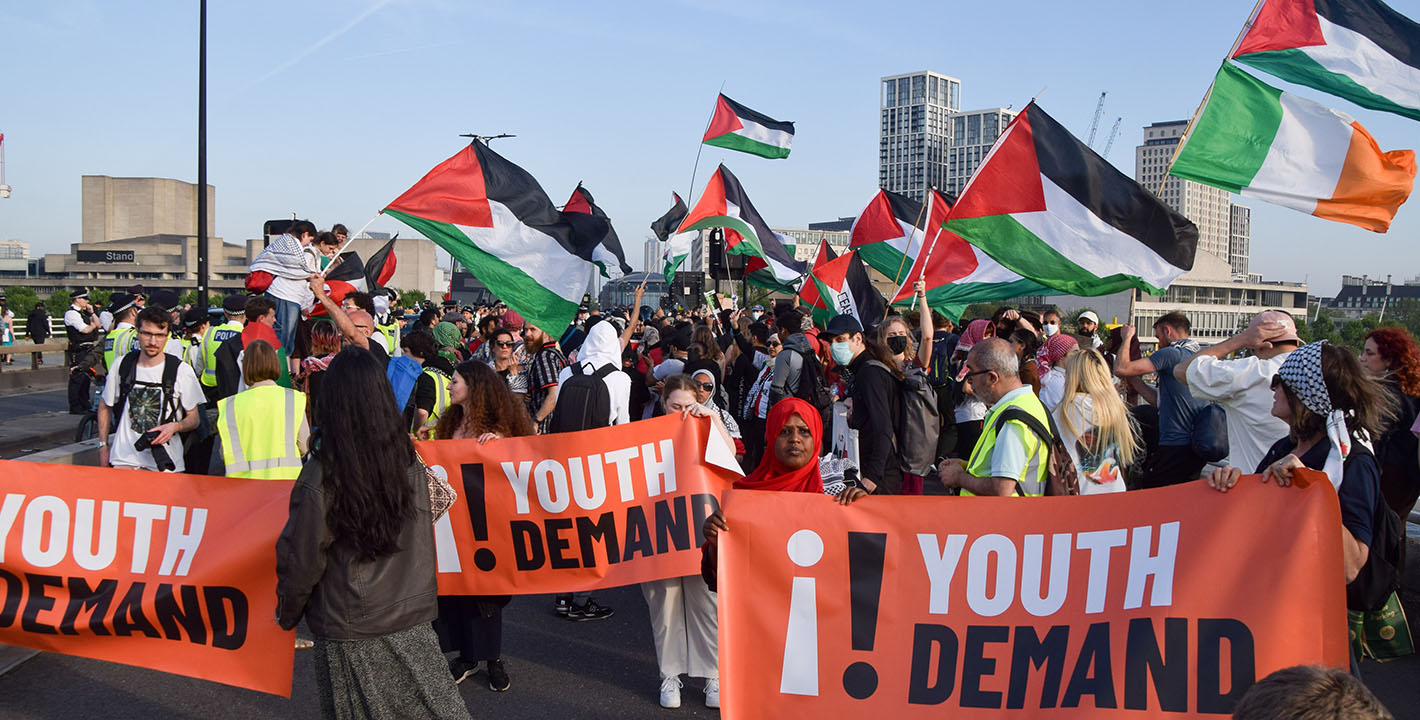
In an interview, Mayssoun Sukarieh discusses youths in the region, and how they are being defined and reshaped.
Yasmine Zarhloule
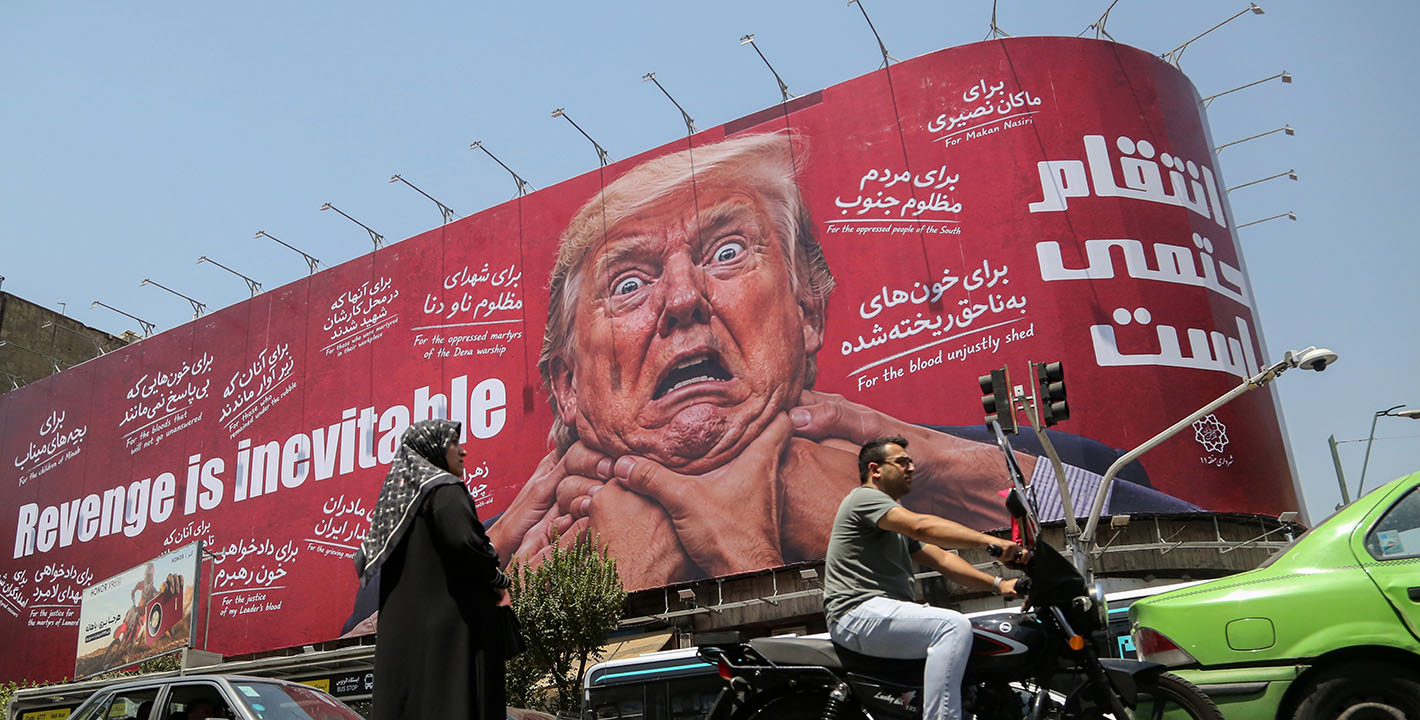
As the U.S. stumbles in its war with Iran, we are likely to see an acceleration of its disengagement from the region.
Michael Young
Middle Eastern states should welcome an accelerated U.S. disengagement from their region.
Michael Young
In an interview, former ambassador Charles Freeman assesses the Trump administration’s war against Iran.
Michael Young