

Commentary
A prerequisite of serious talks is that the country’s leadership consolidates majority national support for such a process.
Michael Young
{
  "authors": [
    "Deborah Gordon",
    "David Livingston"
  ],
  "type": "legacyinthemedia",
  "centerAffiliationAll": "dc",
  "centers": [
    "Carnegie Endowment for International Peace"
  ],
  "collections": [],
  "englishNewsletterAll": "ctw",
  "nonEnglishNewsletterAll": "",
  "primaryCenter": "Carnegie Endowment for International Peace",
  "programAffiliation": "SCP",
  "programs": [
    "Sustainability, Climate, and Geopolitics"
  ],
  "projects": [
    "Carnegie Oil Initiative"
  ],
  "regions": [
    "North America",
    "United States",
    "Western Europe"
  ],
  "topics": [
    "Climate Change"
  ]
}
Source: Getty
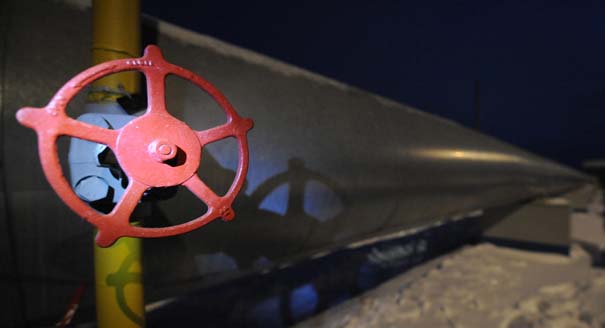
The EU must be prudent when dealing with the diverse array of global oils and petroleum products that will soon come knocking. Any attempt to regulate should be scientifically rigorous, non-discriminatory, and avoid unnecessary barriers to trade.
Source: Hill
The U.S. and EU are convening the third round of Transatlantic Trade and Investment Partnership (TTIP) negotiations in Washington this week, working toward the liberalization of the largest bilateral trade and investment relationship in the world. The rewards of a successful free trade agreement are significant—with the potential to boost EU and U.S. GDP by approximately 0.5 percent —yet the road to resolution is riddled with sensitive issues. Harmonizing energy and environmental regulations has been particularly challenging. Discussions so far have already revealed that in today’s transforming petroleum markets, what happens in TTIP will have broader implications. Just ask the largest crude oil exporter to the United States: Canada.
When it comes to energy, North America is awash in new unconventional oil and gas, from shale formations in Texas to the oil sands of Alberta. And, as a major collective demand center for crude and refined products such as diesel, the EU continues to write large checks: U.S.-EU trade in gasoline and diesel alone was worth over $32 billion in 2012. Against the backdrop of this energy landscape, the EU is struggling to find consensus over how to balance its energy, economic, and environmental goals.The European Union is the largest proximate market for North American crude and product exports from the East Coast and Gulf Coast. But there is a large difference in the size of the carbon footprint, for example, if the EU buys fuels sourced from dirty oil sands or the much cleaner Texas Eagle Ford fields. In 2009, the EU signaled its intention to begin ranking crude by carbon intensity with the introduction of its Fuel Quality Directive (FQD). The FQD establishes an obligation toward reducing the intensity of greenhouse gas (GHG) on EU suppliers of transport fuels by 6 percent before 2020. This economically discourages sourcing higher GHG fossil fuel feedstocks, including many unconventional oils such as Canada’s oil sands.
The final determination of how GHG intensity values are allotted for individual fuels is still being deliberated, and Canada has already engaged in a high-profile confrontation with the EU over an initial carbon intensity value for oil sands that is 23-percent higher than for conventional crudes. But these emissions could be even higher if Canada exports raw diluted bitumen (dilbit), which requires complex refining to remove excess carbon components.
The FQD may not prohibit imports of any fuels outright. But the EU must be prudent when dealing with the diverse array of global oils and petroleum products that will soon come knocking. Any attempt to regulate should be scientifically rigorous, non-discriminatory, and avoid unnecessary barriers to trade. The geo-economic waters surrounding emerging approaches to fossil fuel regulation are too stormy for anything other than durable policymaking to survive.
Against the backdrop of the historic EU-Canada free trade agreement in October 2013, Ottawa gave the EU Ambassador to Canada a clear message that it expects individual European governments to rethink implementation of the FQD when it comes up for a vote before or after the EU Parliamentary elections in May 2014. Moreover, Canada has now succeeded in getting U.S. trade officials to sing from the same hymn sheet, with U.S. Trade Representative Michael Froman recently informing members of Congress that he shares concerns over the FQD and worries that it may adversely impact U.S. oil exports. There have also been signals that the Fuel Quality Directive could be a potential obstacle to the successful completion of TTIP. On October 30, 2013, the United States and Canada surprised the trade community by formally raising joint concerns at the WTO. This is environmental policy cum high-stakes poker.
Europe’s desire to distinguish between the petroleum products refined from a diverse slate of crude oils on the global market is laudable, and its regulatory approach is broadly sensible. However, the EU’s scheme would be more resilient in the face of criticism if it assigned separate carbon-intensity values to individual oils based on both upstream extraction and production, and downstream refining and consumption. Ultimately, the FQD must be based on an oil-climate index that ranks global oils based on their total GHG emissions in a way that is geographically agnostic and scientifically robust.
The need for this approach is critical in a world of rapidly expanding oil supply options. Achieving the best possible regulation for the future will require a mix of evidence, science, and adroit negotiation.

Former Director and Senior Fellow, Energy and Climate Program
Gordon was director of Carnegie’s Energy and Climate Program, where her research focuses on oil and climate change issues in North America and globally.
Former Associate Fellow, Energy and Climate Program
Livingston was an associate fellow in Carnegie’s Energy and Climate Program, where his research focuses on emerging markets, technologies, and risks.
Carnegie does not take institutional positions on public policy issues; the views represented herein are those of the author(s) and do not necessarily reflect the views of Carnegie, its staff, or its trustees.

A prerequisite of serious talks is that the country’s leadership consolidates majority national support for such a process.

Michael Young

In an interview, Jim Lamson discusses the ongoing regional conflict and sees an unclear picture when it comes to winners and losers.
Michael Young

Unless Beirut lowers expectations, any setbacks will end up bolstering Hezbollah’s narrative.

Mohanad Hage Ali
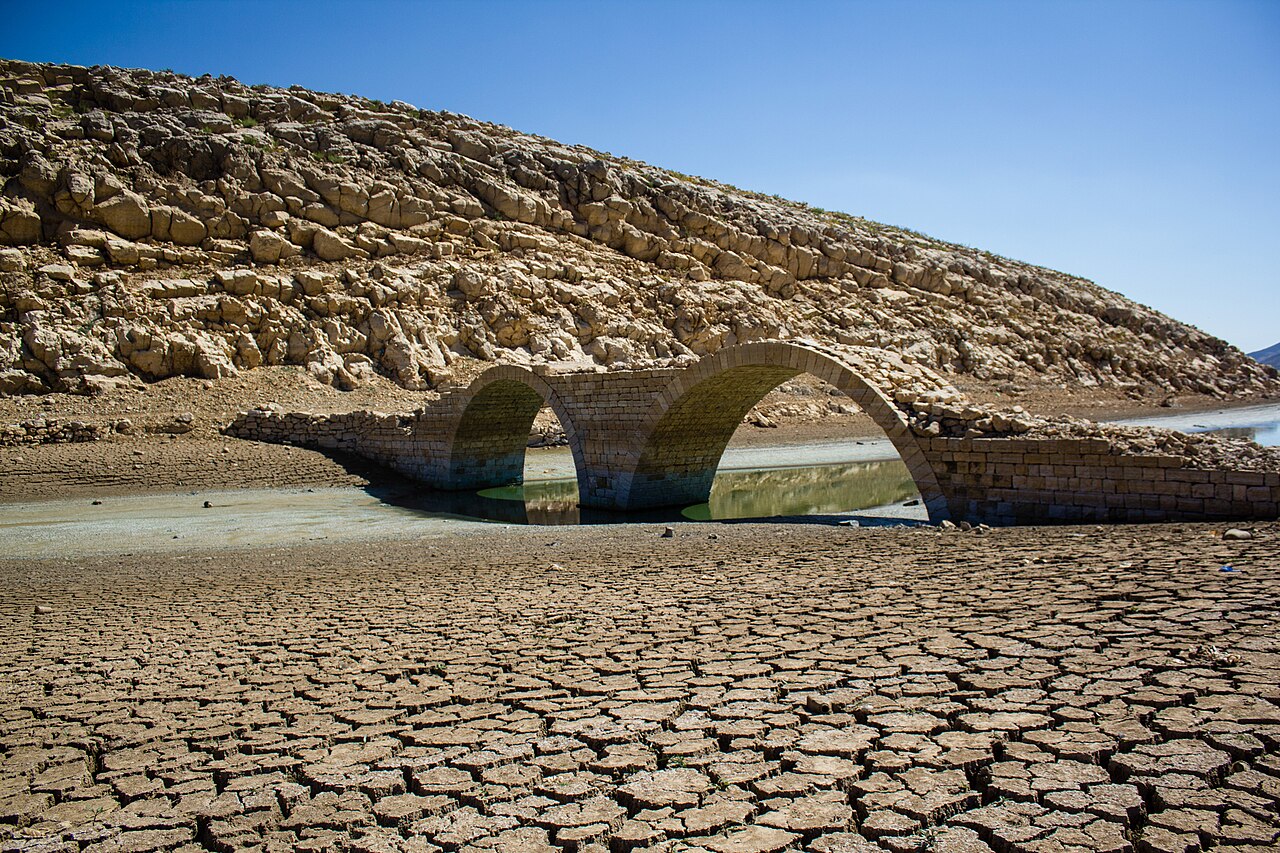
Lebanon’s largest water reservoir is a house of many mansions when it comes to converging failures.

Camille Ammoun
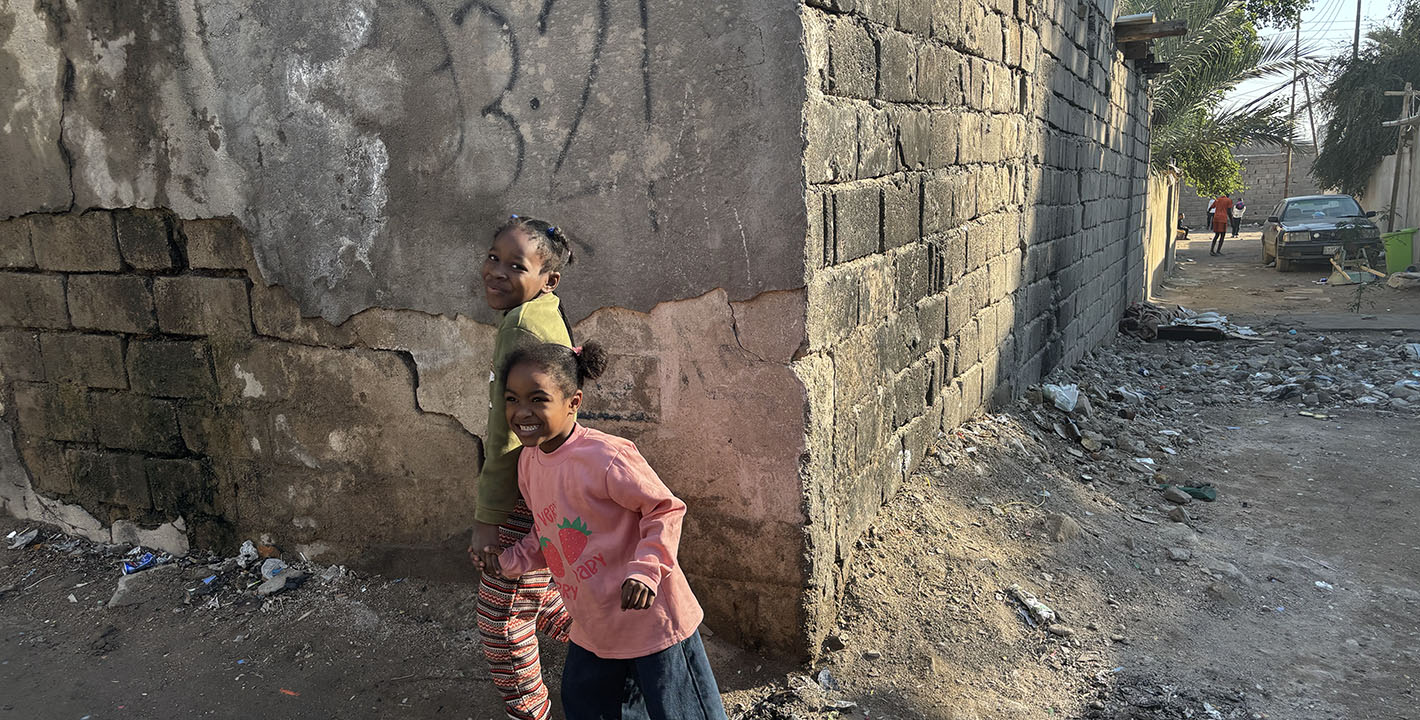
Afro-Iraqis experience political, economic, and social marginalization and discrimination, which exposes the poorest members of the community to the harsh realities of the region’s climate disaster.

Zeinab Shuker