

Q&A
Eugene Rumer
{
  "authors": [
    "Eugene Rumer"
  ],
  "type": "commentary",
  "centerAffiliationAll": "",
  "centers": [
    "Carnegie Endowment for International Peace",
    "Carnegie Russia Eurasia Center"
  ],
  "collections": [],
  "englishNewsletterAll": "",
  "nonEnglishNewsletterAll": "",
  "primaryCenter": "Carnegie Endowment for International Peace",
  "programAffiliation": "",
  "programs": [],
  "projects": [],
  "regions": [
    "Eastern Europe",
    "Ukraine"
  ],
  "topics": [
    "Political Reform",
    "Economy"
  ]
}
Source: Getty
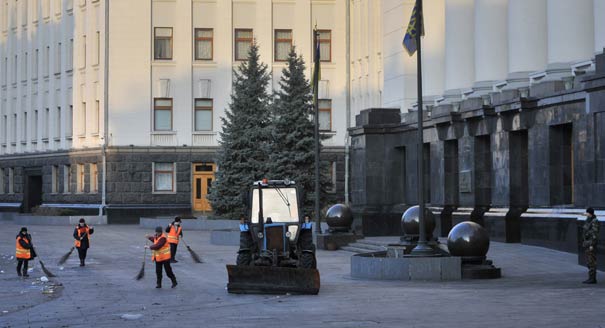
The compromise between Yanukovych and the leaders of the opposition is a long-overdue step back from a disaster, but much remains unclear. Ukraine will face a set of grim prospects, the worst of which is that the country is running out of money.
The compromise between Yanukovych and the leaders of the opposition is a long-overdue step back from a disaster, but much remains unclear. Clearly, stopping the violence is priority one, and it is not yet clear whether all the factions participating in the protests in the Maidan have accepted the compromise. Assuming the compromise in Kyiv holds and is accepted by all parties in the provinces, the next Ukrainian government will face a set of grim prospects, the worst of which is that Ukraine is running out of money. The damage to the economy, which had been stalling before the unrest began, may not be known for some time, but is certain to be severe. The government had less than $18 billion in reserves at the end of January, and is reportedly facing $13 billion in debt-servicing obligations in 2014. Standard & Poor’s downgrade of Ukrainian sovereign debt today included a warning that the rating agency expected Ukraine to default on its foreign currency obligations. That points to the glaring omission in the statements coming from Washington and Brussels: there is no word of a Marshall Plan for Ukraine that opposition leader Arseniy Yatsenyuk appealed for recently.
Both, Washington and Brussels have steered Ukraine to the IMF as the source of cash, but that cash will only come with serious strings attached—a series of reforms that the IMF has insisted on and previous Ukrainian governments have long resisted. These include cuts in social subsidies, cuts in residential gas subsidies, and letting go of the Hryvnya peg, almost certain to lead to a significant devaluation. What government will have the political courage to do all that before the election?
All of this points to the crucial role of the Russian $22 billion aid package—$15 billion in loans and $7 billion in gas price cuts. Where will the money come from if not from Russia? There has been a lot of talk in Washington and in Brussels about sanctions and visa bans against Ukrainian officials involved in the violence, as well as about the geopolitical tug of war with Russia. But sanctions and visa bans will neither help the new Ukrainian government get on its feet, nor prove effective in the geopolitical struggle with Russia. So far, Yatsenyuk’s plea for a Marshall Plan has fallen on deaf ears.
Director and Senior Fellow, Russia and Eurasia Program
Rumer, a former national intelligence officer for Russia and Eurasia at the U.S. National Intelligence Council, is a senior fellow and the director of Carnegie’s Russia and Eurasia Program.
Recent Work
Eugene Rumer
Eugene Rumer
Carnegie does not take institutional positions on public policy issues; the views represented herein are those of the author(s) and do not necessarily reflect the views of Carnegie, its staff, or its trustees.

The armed forces champion a form of capitalism that is generating revenue, but its reliance on rent faces diminishing returns, leaving the country with massive sunk costs and deferred returns, deepening dependency on external borrowing.

Yezid Sayigh
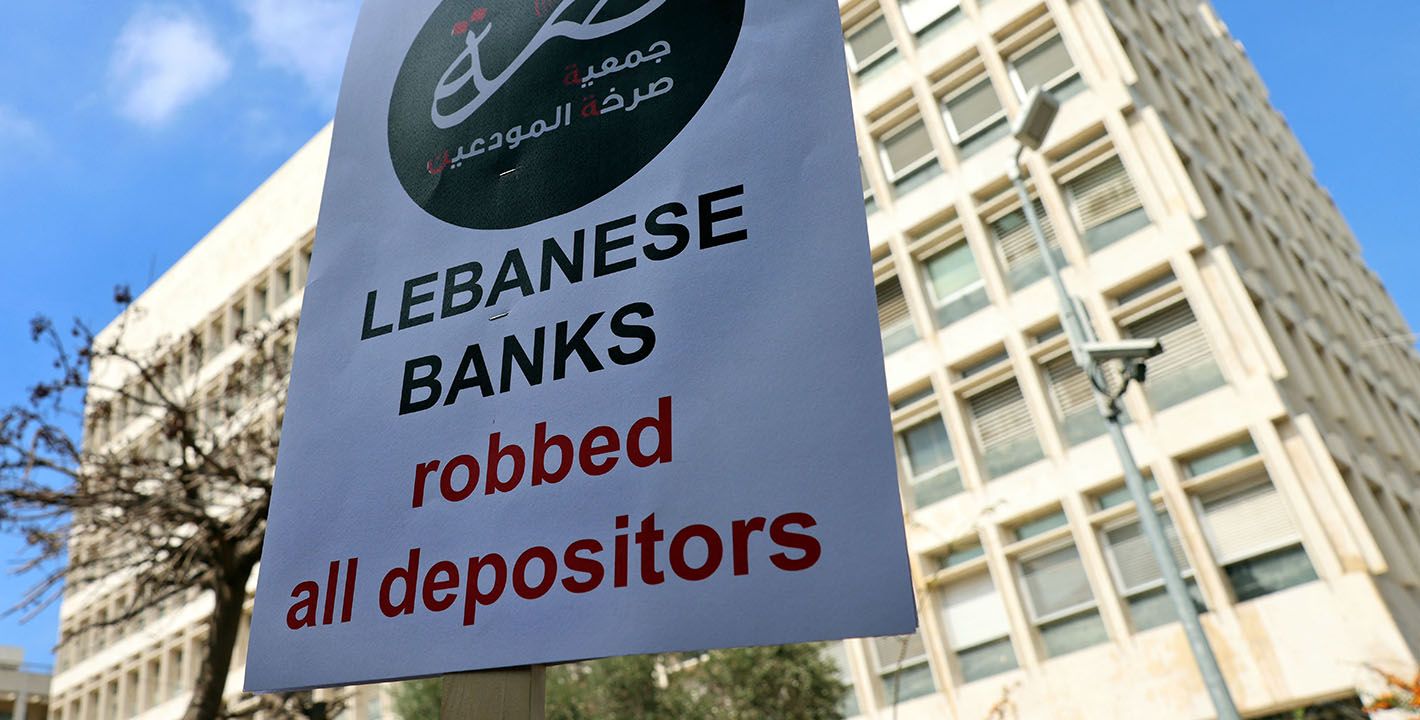
In an interview, Ishac Diwan looks at the merits and flaws in the draft legislation distributing losses from the financial collapse.

Michael Young
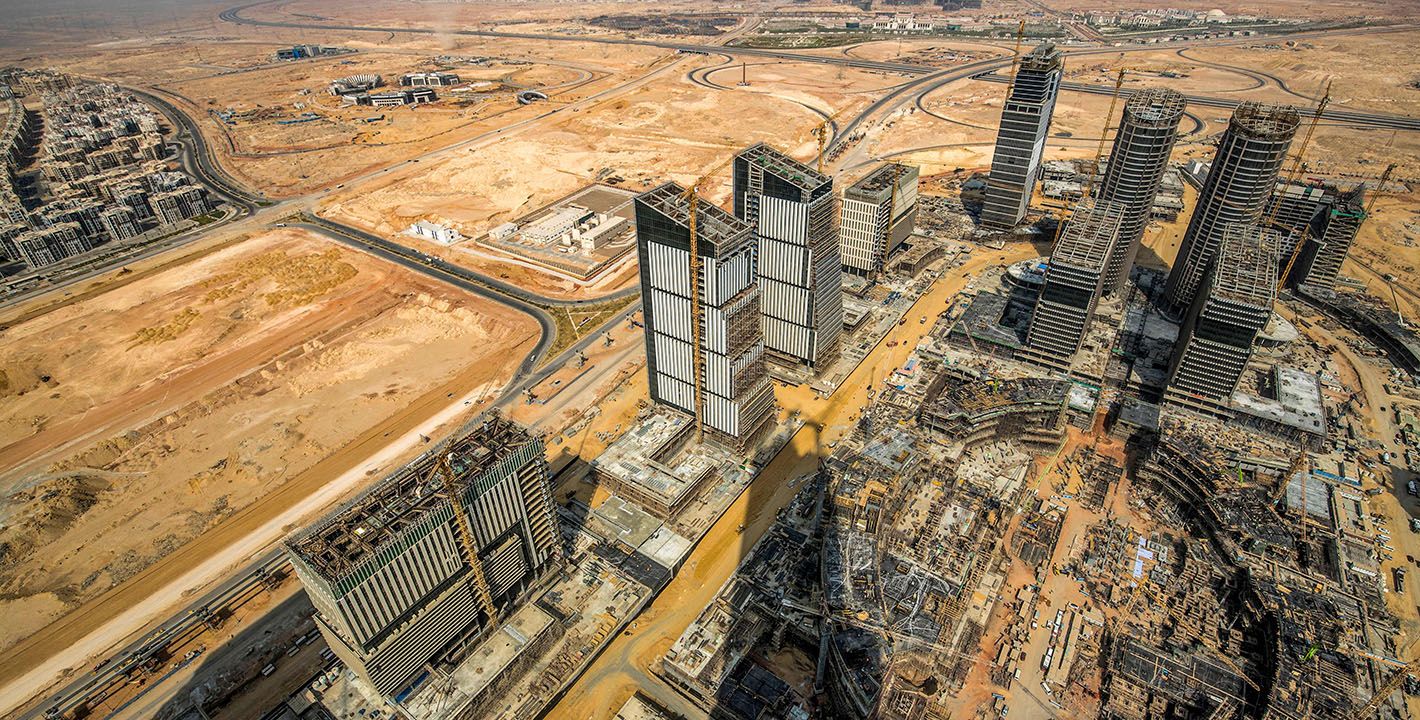
Mustaqbal Misr has expanded its portfolio with remarkable speed, but a lack of transparency remains.
Yezid Sayigh
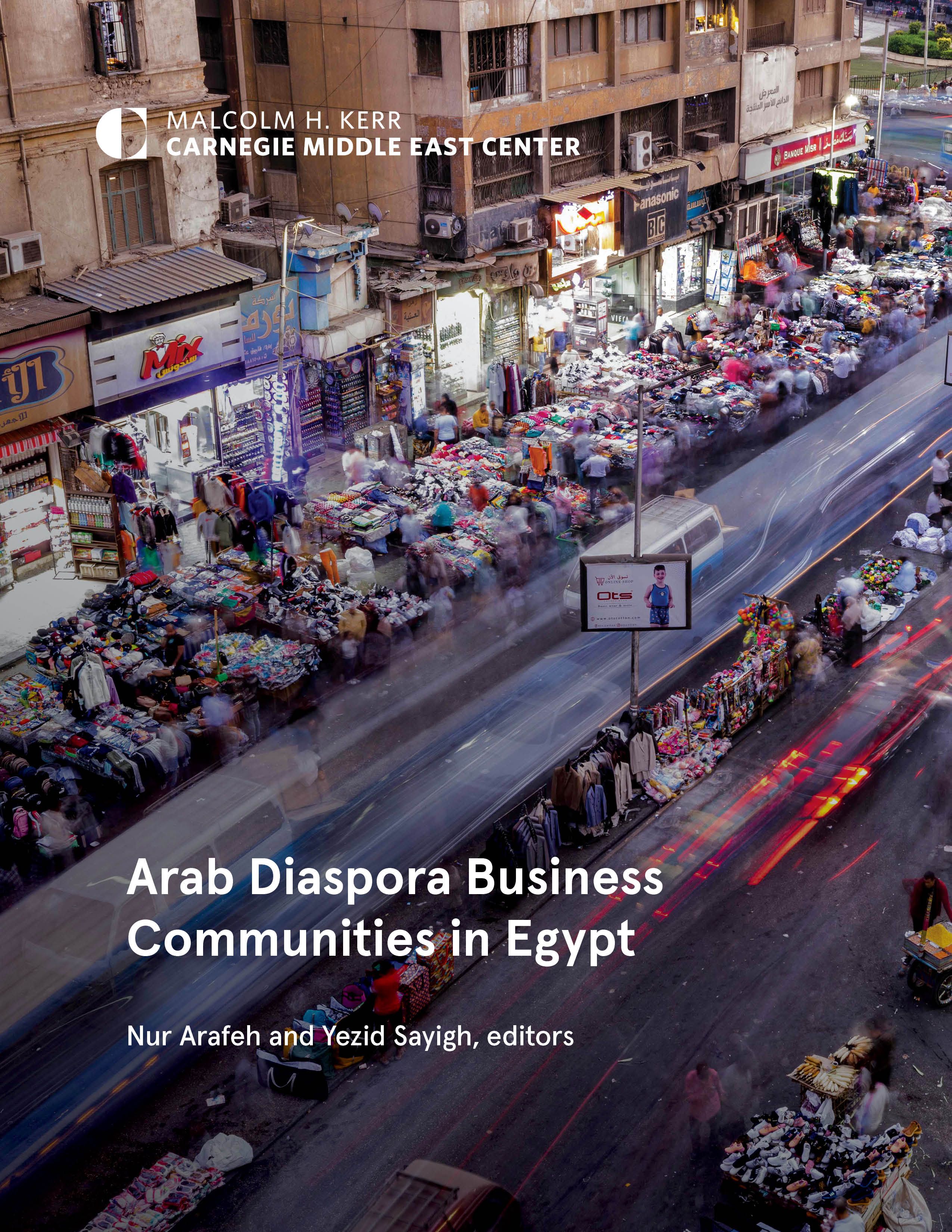
Arab diaspora business communities in Egypt often mirror the same systemic challenges facing Egyptian businesses.
Nur Arafeh, Yezid Sayigh, Qaboul al-Absi, …
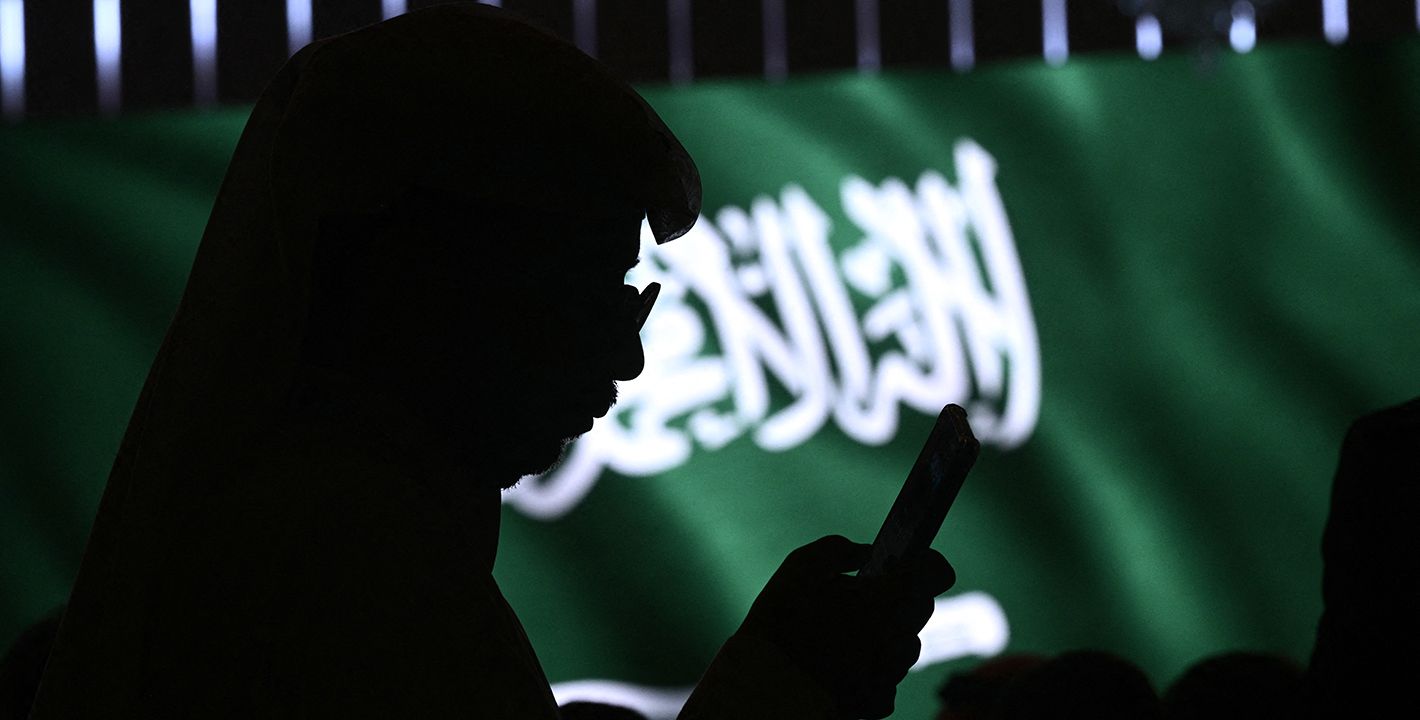
Largely characterized thus far by a single-minded focus on extractivism, Riyadh must commit to greater equitability in its approach to investment and development deals with Sudan, Ethiopia, and Eritrea.
Hesham Alghannam