

Paper
No matter how its war against Ukraine ends, Russia will emerge less secure, more aggrieved, and posing a greater threat to Europe than it did when it started this war.
{
  "authors": [
    "Eugene Rumer"
  ],
  "type": "questionAnswer",
  "blog": "Emissary",
  "centerAffiliationAll": "dc",
  "centers": [
    "Carnegie Endowment for International Peace"
  ],
  "englishNewsletterAll": "ctw",
  "nonEnglishNewsletterAll": "",
  "programAffiliation": "russia",
  "programs": [
    "Russia and Eurasia"
  ],
  "projects": [
    "The Future of Russian Power"
  ],
  "regions": [
    "Russia",
    "Ukraine"
  ],
  "topics": [
    "Military",
    "Defense"
  ]
}
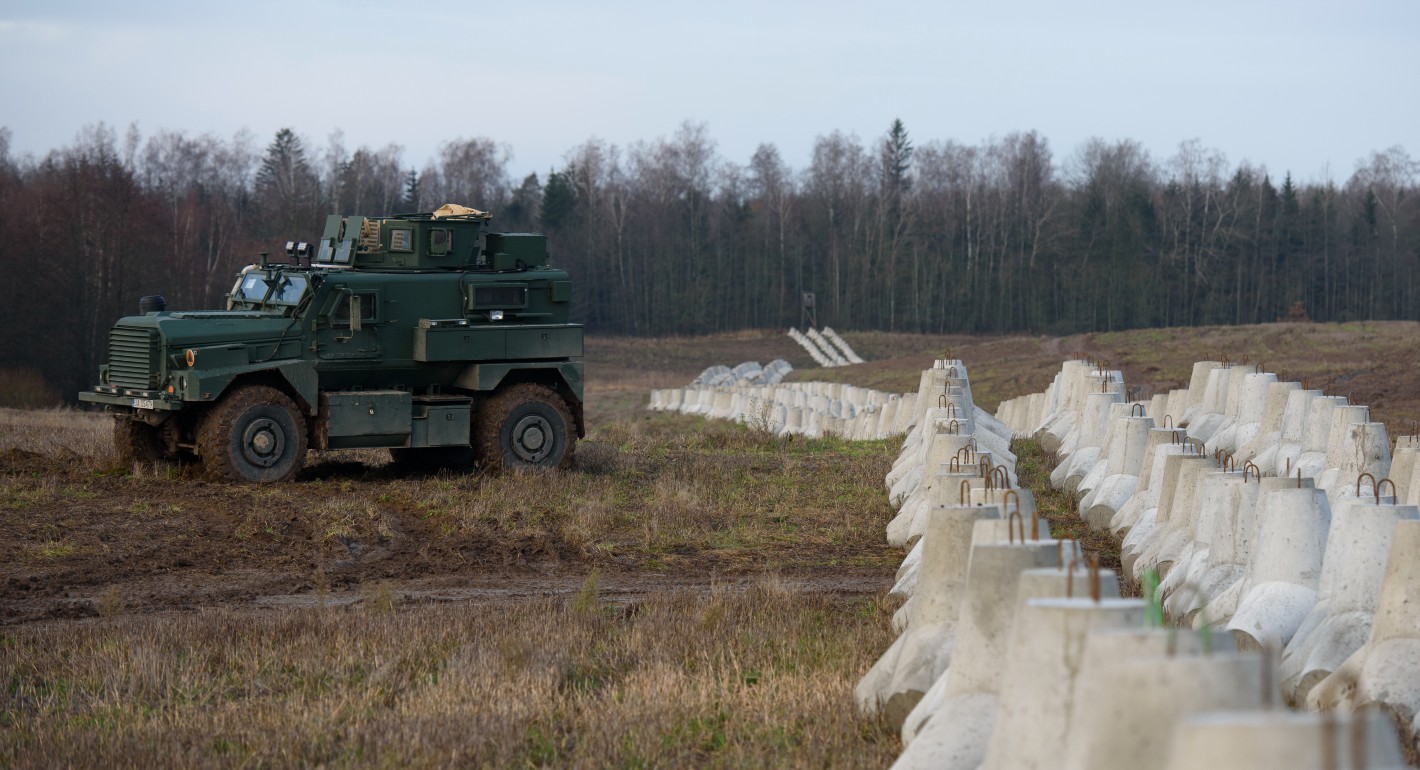
A military vehicle stays guard next to anti-tank concrete fortifications, at the Polish-Russian border in Dabrowka, Poland. (Getty Images)
Putin’s blunder has created new and enduring security challenges for Russia and Europe.
You write that no matter how the war ends, Russia will emerge as more of a threat to Europe. How did we get here?
President Vladimir Putin launched this war claiming—falsely—that an independent Ukraine posed a grave threat to Russia, and that it could only be dealt with by regime change and making it a dependency of his country. But conquering the largest country by size entirely in Europe, whose people overwhelmingly voted for independence more than three decades ago and since then have repeatedly rebuffed the Kremlin’s attempts to bring it back into Russia’s orbit, proved well beyond Russia’s grasp. The war has turned Ukraine into an implacable enemy of Russia and awakened Europe to the Russian threat. The Russian heartland is now exposed daily to Ukrainian retaliatory strikes, and Europe is rearming in a more serious manner than it has since the Cold War. These entirely self-inflicted strategic blunders have created new and enduring security challenges for Russia.
But Putin is not one to back down and admit defeat. Like the cornered rat he described in his autobiography, he is left with only one option—to strike back with everything he can muster. He cannot win this war, but he is all in on it anyway. His blind spots toward Ukraine, which he denies has agency and which he sees as a mere pawn in the hands of a hostile Europe, are one of the main sources of his repeated miscalculations.
Putin will leave the stage at some point, and Russia’s next leader may very well not share his obsession with Ukraine. But the reality he has created—a dangerous confrontation between Russia and the rest of Europe from the Arctic to the Black Sea, all in close proximity to the Russian heartland—will be his legacy.
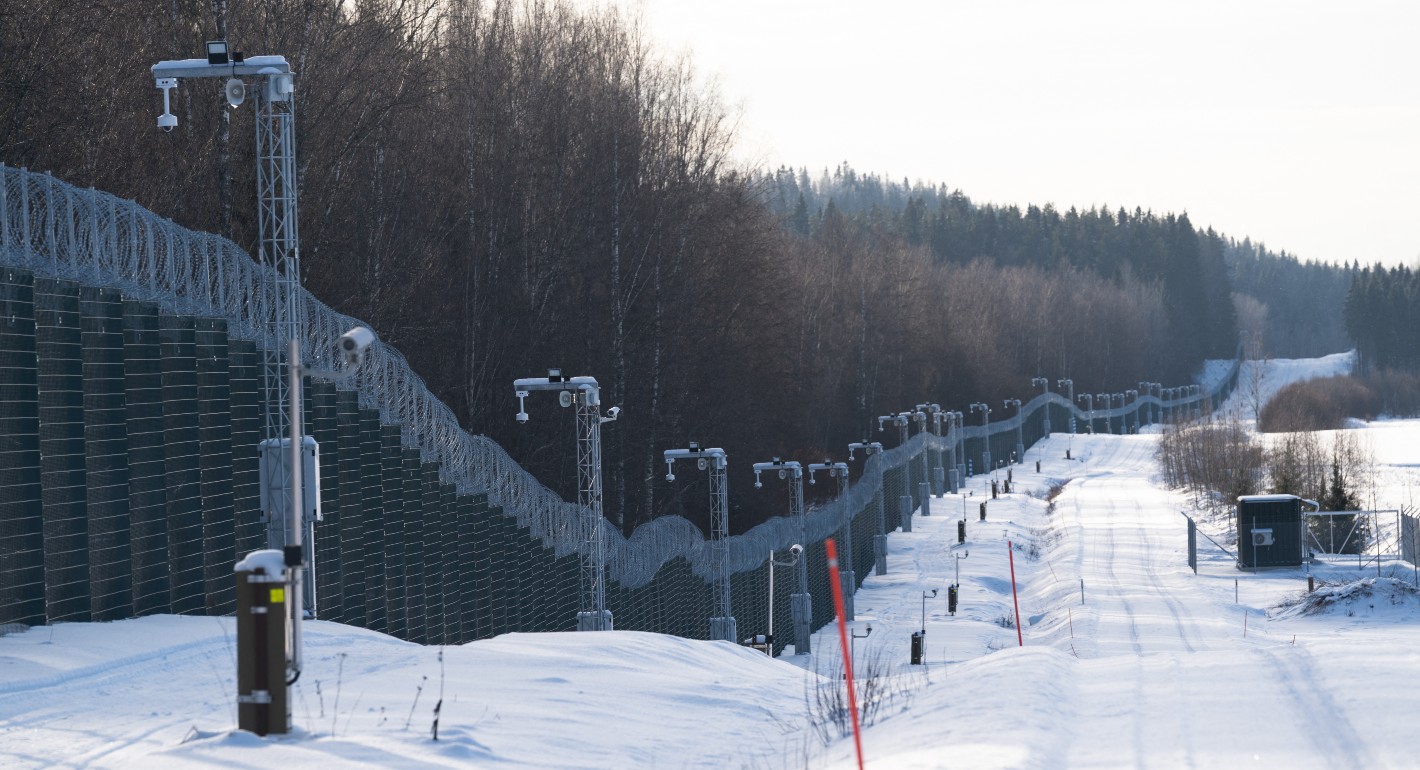
No matter how its war against Ukraine ends, Russia will emerge less secure, more aggrieved, and posing a greater threat to Europe than it did when it started this war.
Why is Europe so important to Russia?
The Russian state has its origins in Europe, and its greatest victories and defeats have been in Europe. Russians pride themselves in being European and look down on Asia. Historically, Russian trade has been mostly with Europe. Its booming trade with China is a recent phenomenon, one that developed gradually in the 1990s, after the two countries patched up their relations following nearly three decades of confrontation; accelerated in 2014, when Russia illegally annexed Crimea and first fell under Western sanctions; and accelerated again in 2022. The two near-fatal invasions of Russia—Napoleon’s in 1812 and Hitler’s in 1941—originated in Europe. The first ended with Russian troops in Paris and the second in Berlin. Both are celebrated by Russians as the greatest military accomplishments in their history. Now, thanks to Putin’s blunder, Europe has transformed from a tranquil neighbor to the greatest source of Russia’s insecurity.
You write about how nuclear weapons have shaped Russian thinking on threats and deterrence. How have events in Ukraine—and perhaps even more recently, Iran—factored into this belief?
From the outset, nuclear weapons have been essential to Russian thinking about national security. As seen from Moscow, the first Soviet nuclear weapon detonated in 1949 psychologically leveled the playing field with the United States, making it impossible for Washington to exploit its nuclear monopoly with impunity. Since then, nuclear weapons have played two critical parts in Soviet and Russian thinking about national security: first, strategic parity broadly defined with the United States; and second, compensation for the perceived conventional superiority of NATO and unfavorable geography that renders the Russian heartland vulnerable to the alliance’s advanced weaponry.
Russian conventional capabilities have suffered heavy losses in the war with Ukraine. As a result, nuclear weapons are bound to become even more important both in Russian military strategy for the European theater and in relations with the United States, which, from Moscow’s view, is an unpredictable actor on the world stage that can be deterred only by the threat of nuclear retaliation. Washington’s record across several administrations of waging war against non-nuclear states—Yugoslavia, Iraq, Libya, and now Iran—while tolerating North Korea’s nuclear weapons and avoiding direct confrontation with Russia in Ukraine has reaffirmed to the Kremlin that nuclear weapons are the ultimate deterrent.
How do you see advancements in technology affecting the Kremlin’s thinking about how it moves forward?
The impact of new technologies is obviously well understood in the Kremlin, which is finding itself constantly under threat from Ukrainian drone and missile strikes, as well as in the Russian military, which has been in a never-ending technological race against the Ukrainian military. My colleague Dara Massicot has studied and written about the Russian military’s approach to learning and adaptation. It is bound to be a long, iterative process of learning and transformation for the Russian military after the war, for new technologies have demonstrated that the old, traditional Russian way of war—with massive formations of armor and infantry—is just not sustainable. It is also certain to be difficult: a contest between old-school traditionalists, deeply entrenched in the Russian military and defense industry, and those advocating reform. It will be both a conceptual battle and a competition for resources between various parts of the defense-industrial complex.
How should Europe think about its security, especially with the current state of the transatlantic relationship?
We are seeing elements of Europe’s new thinking about its security already emerging. Europe’s “holiday from history,” to quote Finland’s President Alexander Stubb, is over. Hardly anyone in Europe doubts the threat from the east. Moreover, Europe is recognizing that counting on the United States to take the lead in ensuring the continent’s security is no longer an option. European capitals are actively debating how to secure the continent from the Russian threat. That debate is about both conventional deterrence and defense and about Europe having its own nuclear deterrent, independent of the United States.
Why write this now? What’s next?
We are all guilty of myopic thinking about Russia as a “gas station with nuclear weapons.” Images of Russia in the 1990s—broke, chaotic, and a pale shadow of its former Soviet self—led us to the mistaken belief that that would be the new normal: that Russia would abandon its Soviet and Russian imperial legacy and embrace the vision of Europe whole, free, and at peace with itself and its neighbors. (Incidentally, the war with Iran has reminded us that gas stations are important.) But Russia’s return to its true normal, which throughout its history has entailed an adversarial relationship with the West, began more than two decades ago, and many observers (myself included) missed many of the signs. It took until February 24, 2022—the day when Russian tank columns rolled into Ukraine—for a lot of us to fully understand our mistake.
The policy community on both sides of the Atlantic must fully appreciate the nature of the challenge before it, develop a shared vision of the threat, and come up with a realistic and practical set of policy responses to it. This is what the new Carnegie Endowment initiative on the Future of Russian Power is intended to do—frame and energize a dialogue about Russia among transatlantic allies and partners.
Since the end of the Cold War, the field of Russian studies has suffered from neglect, in part a victim of the quest for the peace dividend, in part overshadowed by other, more urgent security challenges as the Russian threat seemingly faded into the past. Unique among think tanks on both sides of the Atlantic, the Carnegie Endowment has sustained a strong long-term commitment to the field, with teams of scholars working in Washington, Berlin, and Brussels. Building on this record and reputation, Carnegie is uniquely positioned to undertake this new initiative. My paper is the first in a series that will deliver rigorous, evidence-based analysis of the many facets of Russian power and policy options to audiences in Washington, Europe, and beyond. My colleague Sergey Vakulenko’s paper on the prospects of Russia’s vitally important oil sector was just published by the Carnegie Russia Eurasia Center in Berlin. Stay tuned for more analytical offerings on the way in the months and years ahead.
Director and Senior Fellow, Russia and Eurasia Program
Rumer, a former national intelligence officer for Russia and Eurasia at the U.S. National Intelligence Council, is a senior fellow and the director of Carnegie’s Russia and Eurasia Program.
Recent Work
Eugene Rumer


James M. Acton, Saskia Brechenmacher, Cecily Brewer, …
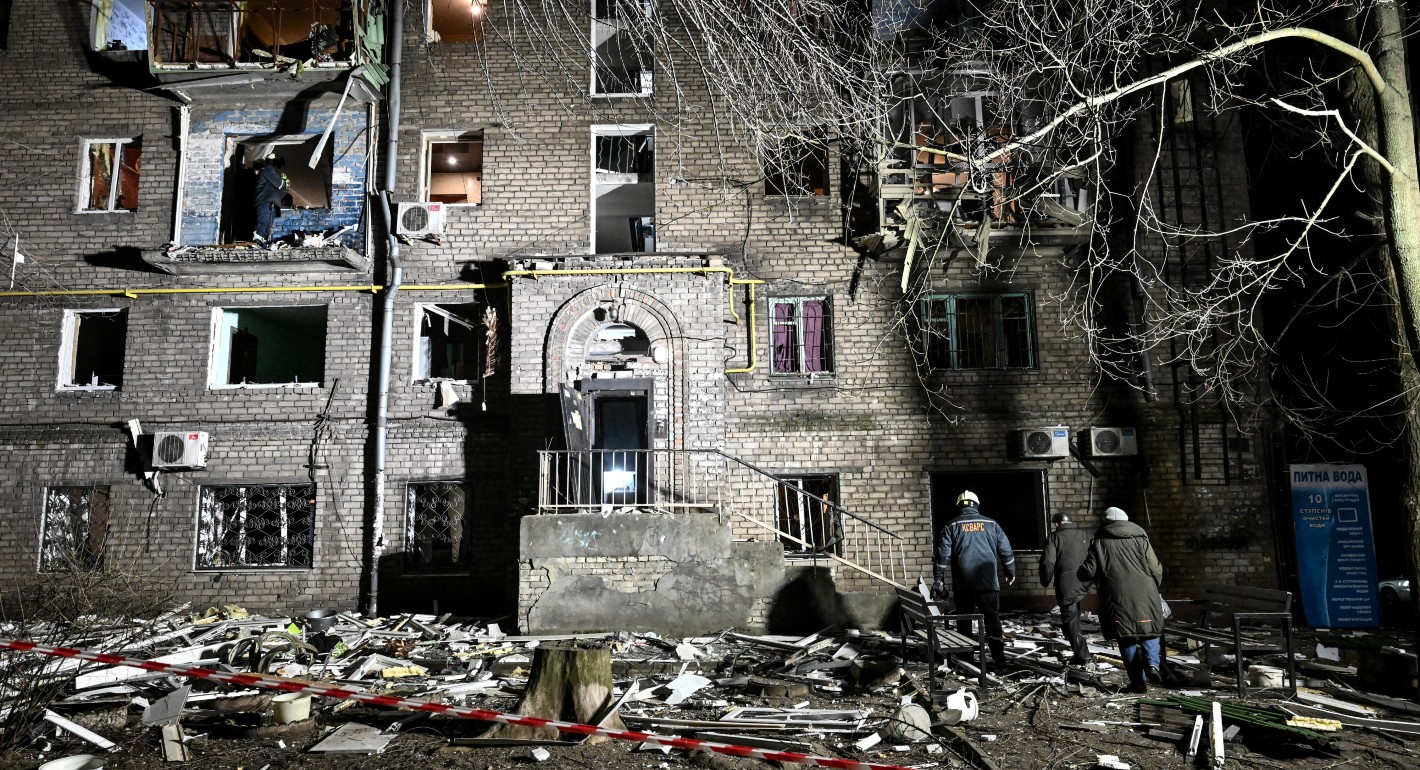
On the fourth anniversary of Russia’s full-scale invasion, Carnegie experts discuss the war’s impacts and what might come next.



Eric Ciaramella, Aaron David Miller, Alexandra Prokopenko, …
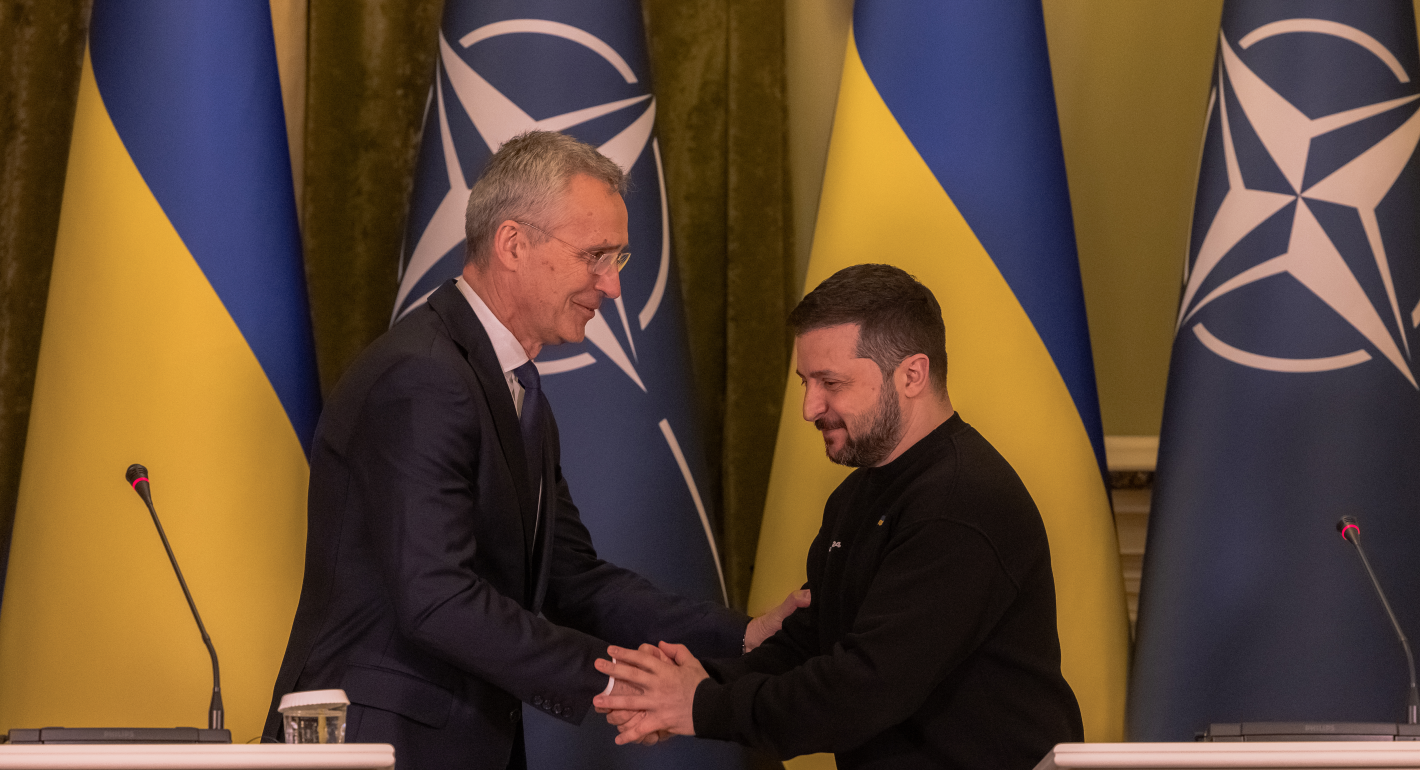
The allies have to find a way to end the war without sacrificing Ukraine in the process.
Eugene Rumer

The acknowledgment has sparked fears of a new arms race with China and Russia.

Chris O’Meara

The Horn of Africa countries are among those facing a new security calculus.


Andrew Leber, Lesley Anne Warner

The books, podcasts, and films that explain the world it made.
Andrew Leber