

Commentary
Sarah Chayes
{
  "authors": [
    "Sarah Chayes"
  ],
  "type": "legacyinthemedia",
  "centerAffiliationAll": "dc",
  "centers": [
    "Carnegie Endowment for International Peace"
  ],
  "collections": [],
  "englishNewsletterAll": "democracy",
  "nonEnglishNewsletterAll": "",
  "primaryCenter": "Carnegie Endowment for International Peace",
  "programAffiliation": "DCG",
  "programs": [
    "Democracy, Conflict, and Governance",
    "South Asia"
  ],
  "projects": [],
  "regions": [
    "South Asia",
    "Afghanistan"
  ],
  "topics": [
    "Political Reform",
    "Democracy"
  ]
}
Source: Getty
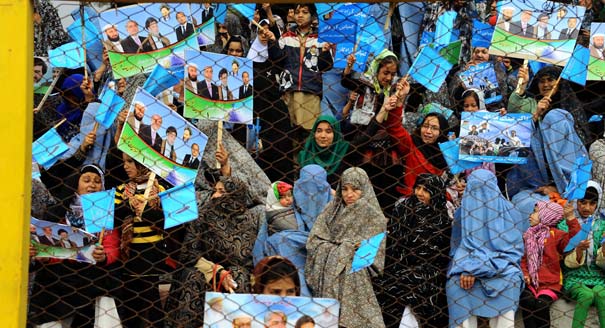
Despite threats from the Taliban, Afghans flocked to ballot boxes in high numbers.
Source: WNYC Takeaway
Afghanistan, a nation that has seen war for more than a generation, took the polls over the weekend for the country's first-ever free elections.
Despite threats from the Taliban, Afghans flocked to ballot boxes in high numbers. About 7 million of 12 million eligible voters turned out for the election, according to preliminary estimates.
"We commend the Afghan people, security forces, and elections officials on the turnout for today’s vote," President Barack Obama said in a statement. "These elections are critical to securing Afghanistan’s democratic future, as well as continued international support, and we look to the Afghan electoral bodies to carry out their duties in the coming weeks to adjudicate the results—knowing that the most critical voices on the outcome are those of Afghans themselves."
Though the election was largely peaceful, according to reports, at least 23 people were killed, and several others were injured in attacks by Taliban fighters—though they were fewer than feared. At least 200 polling stations were closed at the last minute because of security threats.
Sarah Chayes, formerly a special adviser to the chairman of the Joint Chiefs of Staff and now senior associate in the Democracy and Rule of Law Program at the Carnegie Endowment, weighed in on the election, the future relationship between the U.S. and Afghanistan, and the role of the Taliban.
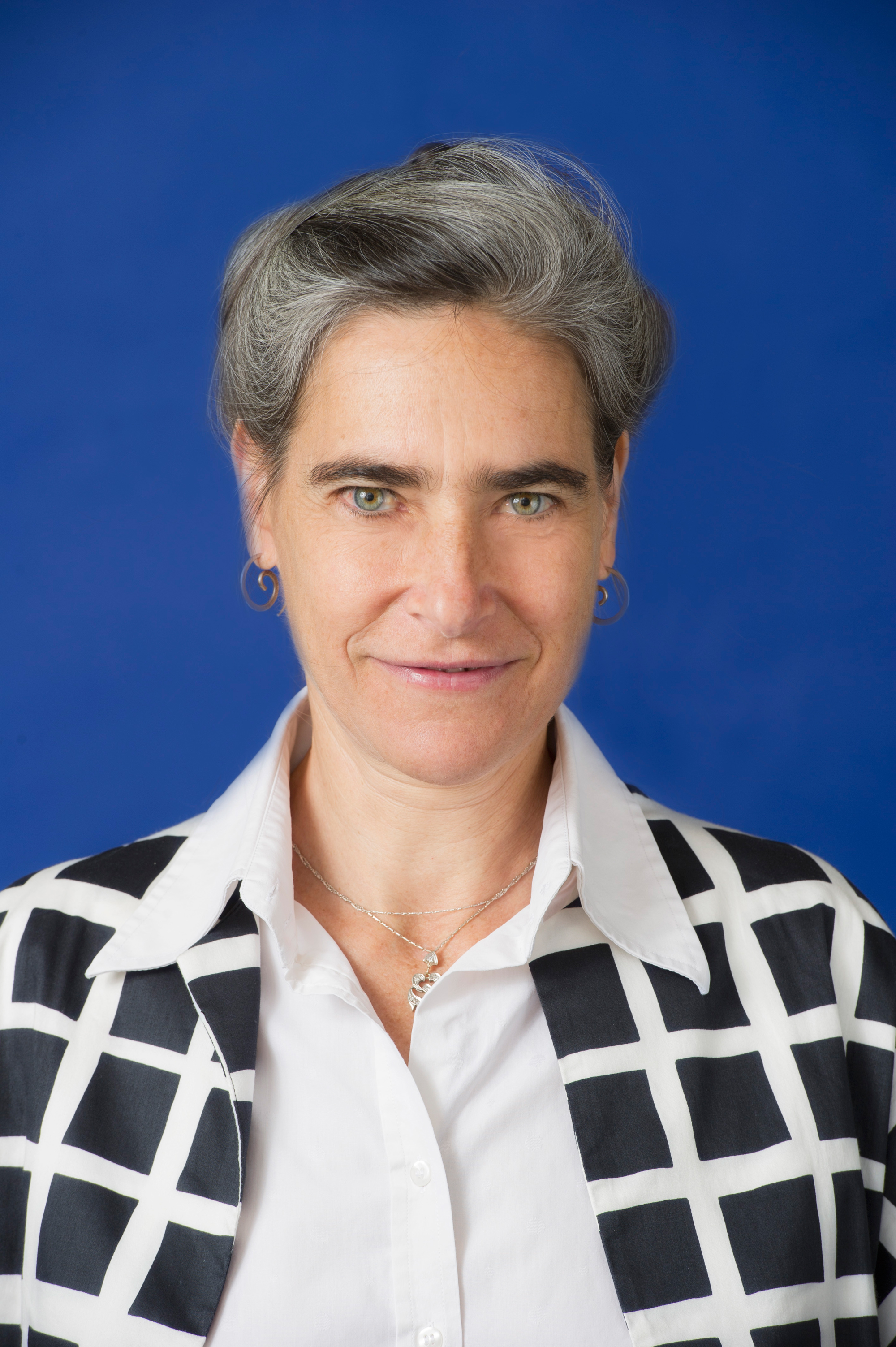
Former Senior Fellow, Democracy, Conflict, and Governance Program
Sarah Chayes is internationally recognized for her innovative thinking on corruption and its implications. Her work explores how severe corruption can help prompt such crises as terrorism, revolutions and their violent aftermaths, and environmental degradation.
Recent Work
Sarah Chayes
Carnegie does not take institutional positions on public policy issues; the views represented herein are those of the author(s) and do not necessarily reflect the views of Carnegie, its staff, or its trustees.
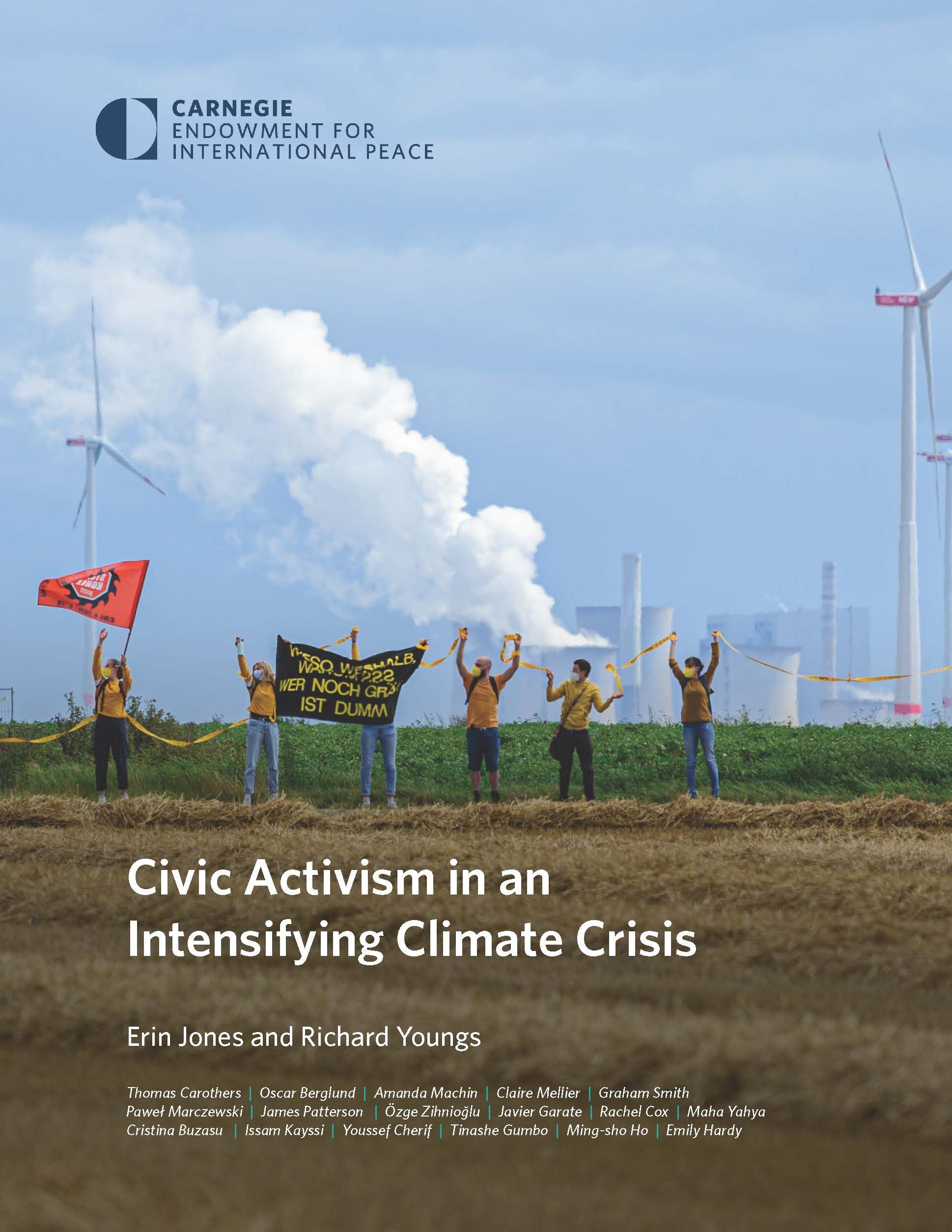
To address the deepening climate crisis, climate activism is employing a wider variety of tactics and aiming at a broader set of goals. In response, the movement faces stronger repression and civic backlash against climate action.

Erin Jones, Richard Youngs
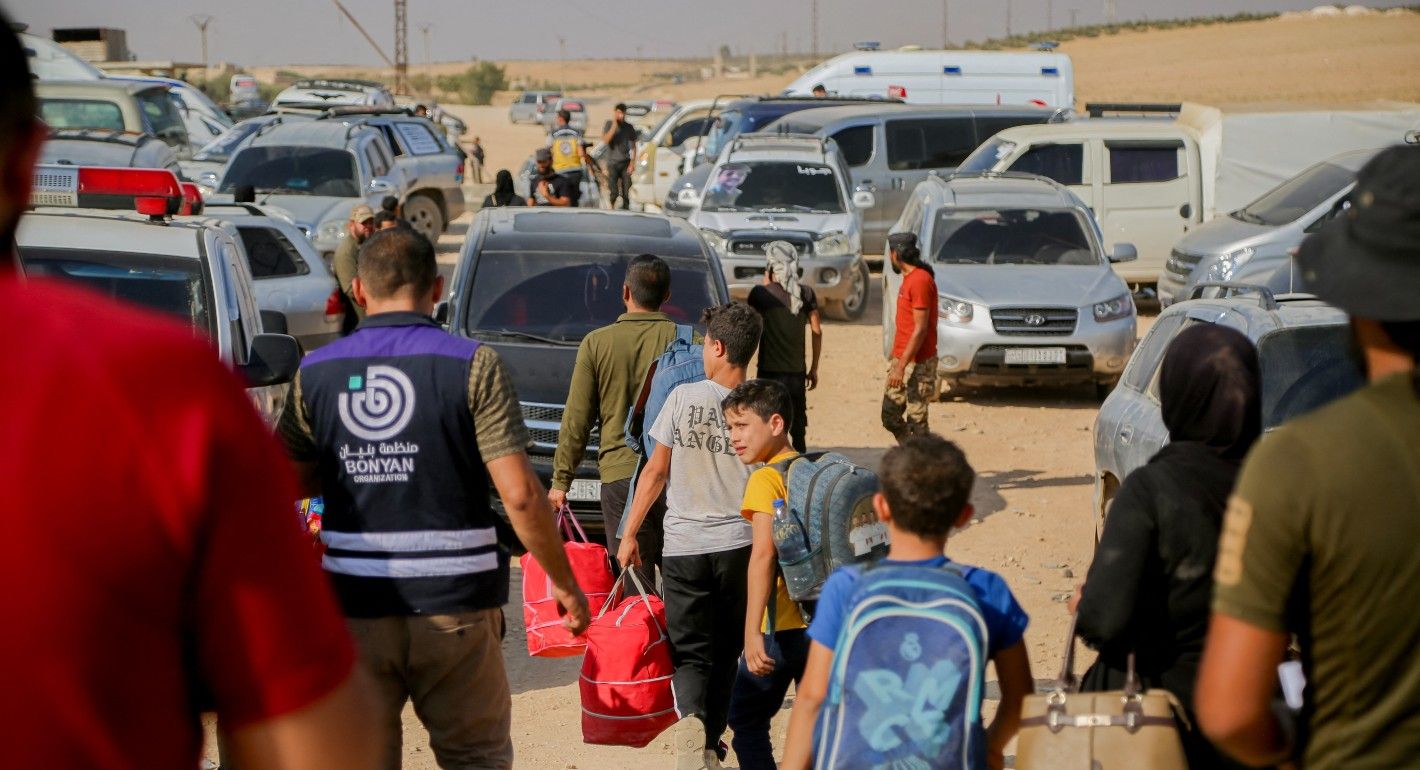
A humanitarian crisis in Lebanon deepens, and Syrian refugees face a perilous choice: remain in a war-torn environment or return to Syria where they risk encountering significant dangers and discrimination. There are significant challenges and risks to their search for safety in Syria.
Haid Haid
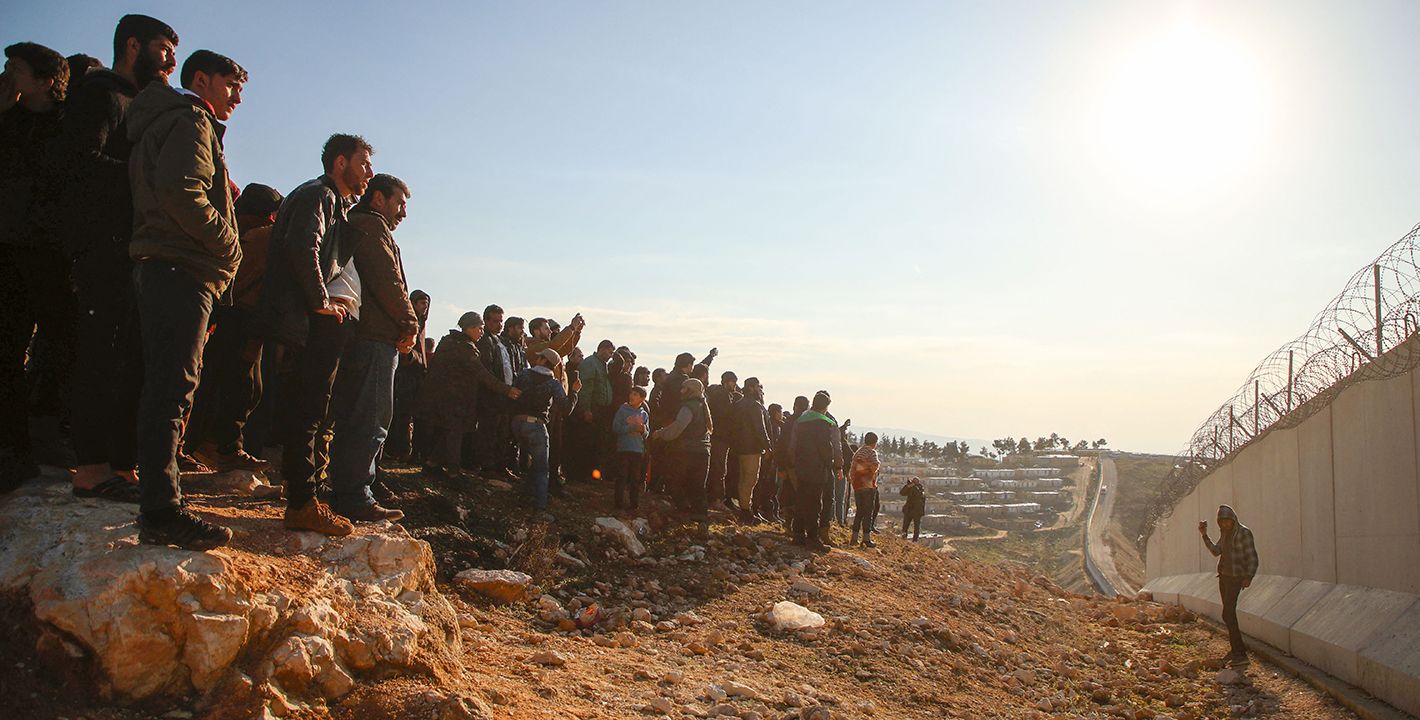
In Syria’s border regions, changes in demographics, economics, and security mean that an inter-Syrian peace process will require consensus among main regional powers that Syria must remain united, that no one side can be victorious, and that perennial instability threatens the region.


Kheder Khaddour, Armenak Tokmajyan
The interaction of national armed forces and private business sectors offers a useful lens for viewing the politics of numerous countries of the so-called Global South. A rising trend of military political activism—often accompanied by military commercial activity—underlines the importance of drivers and outcomes in these relationships.

Yezid Sayigh, Hamza Meddeb
For many in the society, the post-Ben Ali years were mainly about successive economic crises and political instability.
Jasmine Khelil