

Commentary
Dmitri Trenin
{
  "authors": [
    "Dmitri Trenin"
  ],
  "type": "commentary",
  "centerAffiliationAll": "",
  "centers": [
    "Carnegie Endowment for International Peace",
    "Carnegie Russia Eurasia Center"
  ],
  "collections": [],
  "englishNewsletterAll": "",
  "nonEnglishNewsletterAll": "",
  "primaryCenter": "Carnegie Russia Eurasia Center",
  "programAffiliation": "",
  "programs": [],
  "projects": [],
  "regions": [],
  "topics": [
    "Economy"
  ]
}
Source: Getty
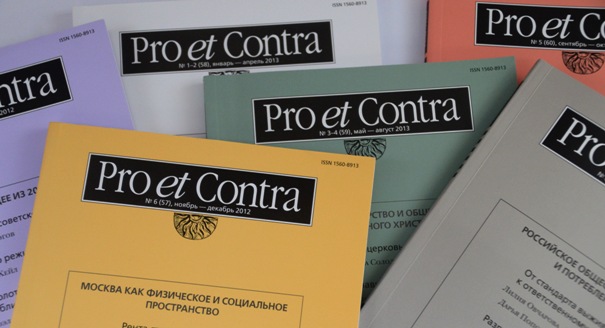
The quarterly journal Pro et Contra, published by the Carnegie Moscow Center, is being retooled as a web-based online publication, which the Center plans to roll out later in 2014.
The Carnegie Moscow Center (CMC) is turning 20 this year. To us at Carnegie, hitting the 20 year milestone doesn't mean resting on our laurels. Rather, we are gearing up to launch CMC 2.0. We are now making plans to ensure that the Center's activities remain cutting-edge and staunchly independent and that our research activities tackle the most pressing and challenging policy issues facing Russia and the broader post-Soviet region.
Clearly, the rapid growth of the Internet and related technologies gives us new opportunities to reach wider and younger audiences, and to stay in touch with them 24/7. To take full advantage of these new opportunities, Pro et Contra is being retooled as a web-based online publication, which we plan to roll out later in 2014.
Stay tuned!
Former Director, Carnegie Moscow Center
Trenin was director of the Carnegie Moscow Center from 2008 to early 2022.
Recent Work
Dmitri Trenin
Dmitri Trenin
Carnegie does not take institutional positions on public policy issues; the views represented herein are those of the author(s) and do not necessarily reflect the views of Carnegie, its staff, or its trustees.

The armed forces champion a form of capitalism that is generating revenue, but its reliance on rent faces diminishing returns, leaving the country with massive sunk costs and deferred returns, deepening dependency on external borrowing.

Yezid Sayigh
In an interview, Ishac Diwan looks at the merits and flaws in the draft legislation distributing losses from the financial collapse.

Michael Young
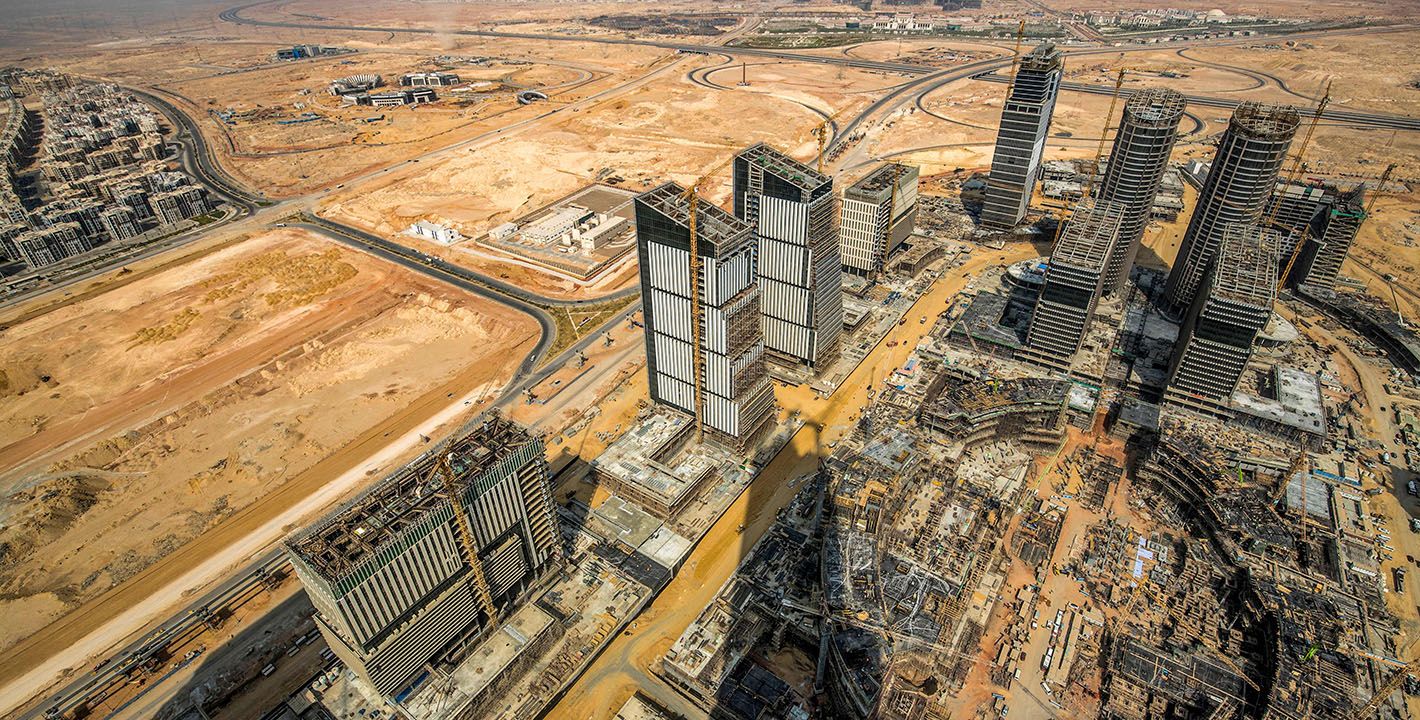
Mustaqbal Misr has expanded its portfolio with remarkable speed, but a lack of transparency remains.
Yezid Sayigh
Arab diaspora business communities in Egypt often mirror the same systemic challenges facing Egyptian businesses.
Nur Arafeh, Yezid Sayigh, Qaboul al-Absi, …
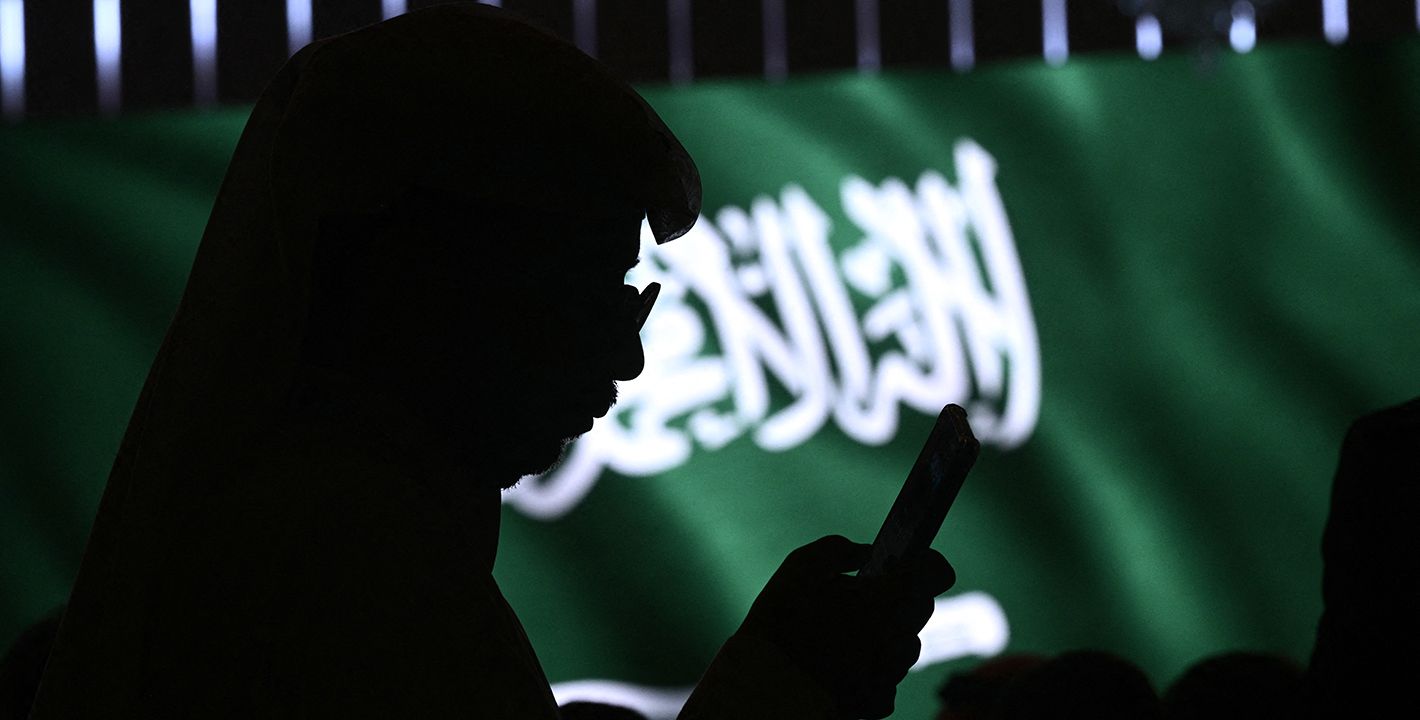
Largely characterized thus far by a single-minded focus on extractivism, Riyadh must commit to greater equitability in its approach to investment and development deals with Sudan, Ethiopia, and Eritrea.

Hesham Alghannam