

Commentary
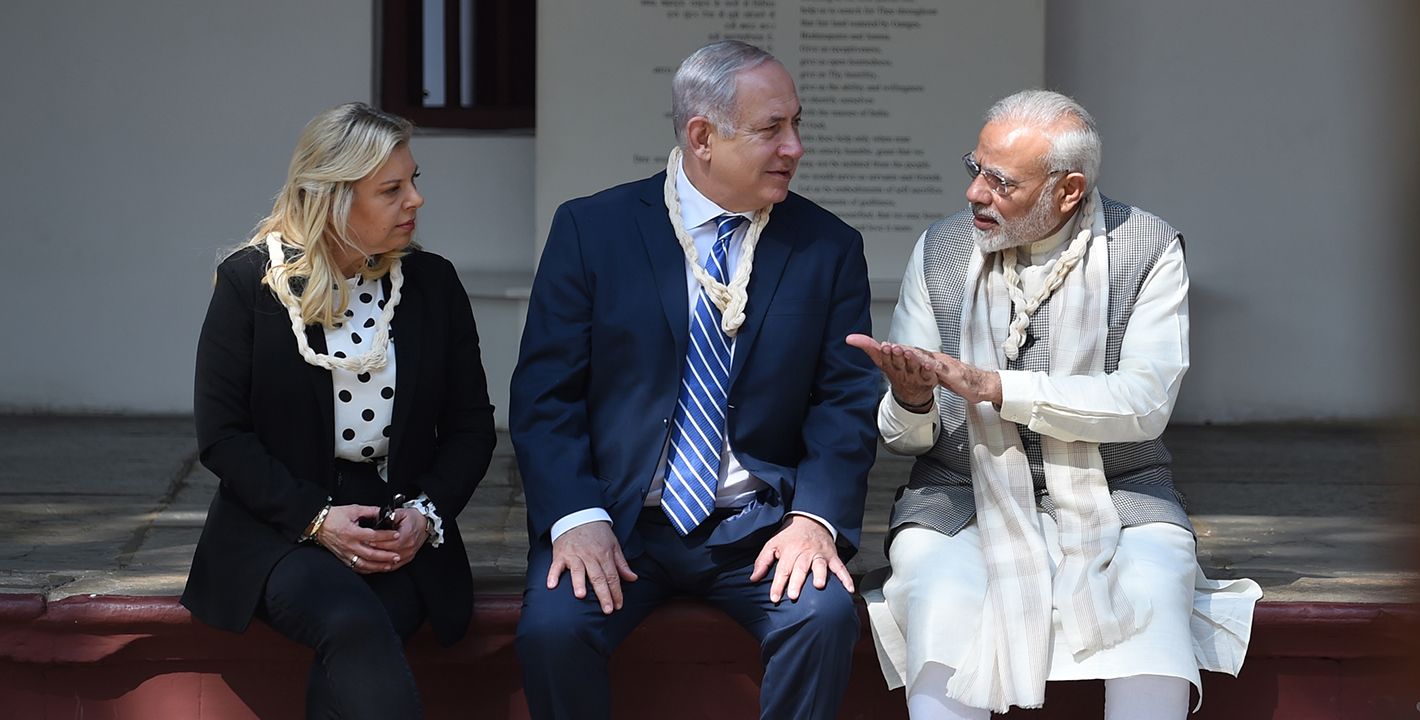
In an interview, Abhinav Pandya discusses the multiple facets of India’s ties with the Middle East.
Armenak Tokmajyan
{
  "authors": [],
  "type": "pressRelease",
  "centerAffiliationAll": "dc",
  "centers": [
    "Carnegie Endowment for International Peace"
  ],
  "collections": [],
  "englishNewsletterAll": "ctw",
  "nonEnglishNewsletterAll": "",
  "primaryCenter": "Carnegie Endowment for International Peace",
  "programAffiliation": "SAP",
  "programs": [
    "South Asia"
  ],
  "projects": [
    "India Decides 2014"
  ],
  "regions": [
    "South Asia",
    "India"
  ],
  "topics": []
}
Source: Getty
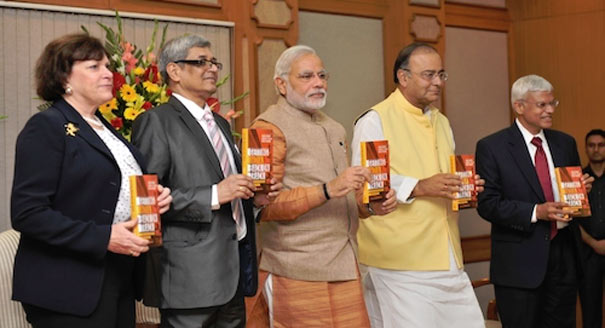
Two weeks after becoming India’s prime minister, Narendra Modi today launched the book Getting India Back on Track: An Action Agenda for Reform at 7 Race Course Road.
NEW DELHI—Two weeks after becoming India’s prime minister, Shri Narendra Modi today launched the book Getting India Back on Track: An Action Agenda for Reform at 7 Race Course Road.
Edited by Bibek Debroy, Ashley J. Tellis, and Reece Trevor, Getting India Back on Track (published by the Carnegie Endowment for International Peace and Random House India) contains analyses and prescriptions from some of India’s most accomplished scholars on how to return the country to a path of high, sustained growth and international success.
Speaking to reporters and a small number of invited guests, the prime minister welcomed what he called "the inputs of intellectual think tanks" like Carnegie and said that policymaking should incorporate input from think tanks to help generate better policy frameworks.

Photo Credit: Press Trust of India Arun Jaitley, minister for finance, corporate affairs, and defense, said "I am going to read every part of this book. It will help us to do our job better. The book is well- timed and the title is apt."
The book’s foreword is written by Ratan N. Tata, chairman of Tata Trusts, who is a member of Carnegie’s board of trustees. Many of the book’s contributors attended today’s event, including Carnegie Board Member Sunil Mittal, chairman and group CEO of Bharti Enterprises.
“The election of Narendra Modi shows the importance of getting India back to the high growth levels we enjoyed at the beginning of this century,” Mittal said. “This book is a unique collection of ideas for how to do that from some of India’s foremost experts.”
The Carnegie Endowment for International Peace is a 100-year-old, nonpartisan think tank with research centers in Beijing, Beirut, Brussels, Moscow, and Washington. Its mission is to advance the cause of peace through analysis, development of fresh policy ideas, and direct engagement with decisionmakers in government, business, and civil society. It plans to open a New Delhi center in the near future.
“India is a very important power in the world and an increasingly influential player on the global stage,” said Carnegie President Jessica T. Mathews, who attended today’s event. “I am delighted and honored that Prime Minister Modi agreed to launch this book. We are looking forward to opening a Carnegie center in New Delhi soon so that we can contribute our scholars’ ideas and analysis to India’s rich intellectual landscape.”
Carnegie does not take institutional positions on public policy issues; the views represented herein are those of the author(s) and do not necessarily reflect the views of Carnegie, its staff, or its trustees.
In an interview, Abhinav Pandya discusses the multiple facets of India’s ties with the Middle East.

Armenak Tokmajyan
The interaction of national armed forces and private business sectors offers a useful lens for viewing the politics of numerous countries of the so-called Global South. A rising trend of military political activism—often accompanied by military commercial activity—underlines the importance of drivers and outcomes in these relationships.

Yezid Sayigh, Hamza Meddeb

The Gulf Cooperation Council has shifted its energy export focus to Asia, particularly India and China. This is part of a broader shift as GCC members look to expand their geopolitical alliances away from the West.
Alexandre Kateb
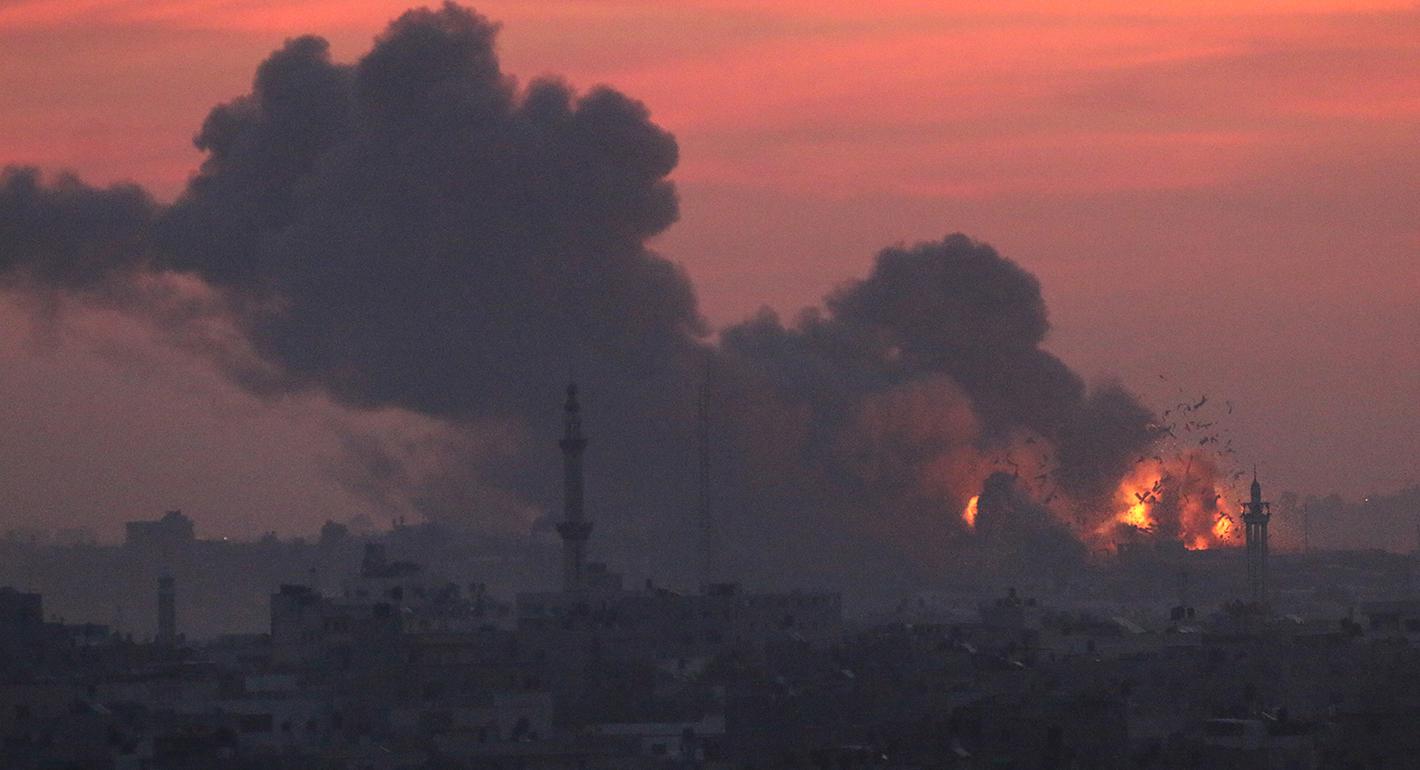
Scholars from Carnegie’s global network comment on how the ongoing conflict between Israelis and Palestinians is affecting their areas of interest, and what the implications of this may be.



Maha Yahya, Rosa Balfour, Judy Dempsey, …
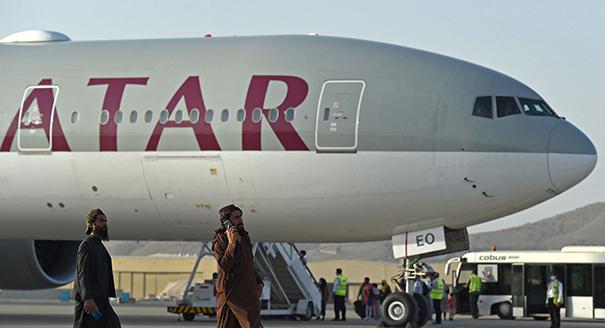
Turkey’s success in finding a role in Afghanistan could bring its leadership valuable benefits.

Marc Pierini