

In The Media
Vikram Nehru
{
  "authors": [
    "Vikram Nehru"
  ],
  "type": "legacyinthemedia",
  "centerAffiliationAll": "dc",
  "centers": [
    "Carnegie Endowment for International Peace"
  ],
  "collections": [],
  "englishNewsletterAll": "asia",
  "nonEnglishNewsletterAll": "",
  "primaryCenter": "Carnegie Endowment for International Peace",
  "programAffiliation": "AP",
  "programs": [
    "Asia"
  ],
  "projects": [],
  "regions": [
    "Southeast Asia"
  ],
  "topics": [
    "Political Reform",
    "Democracy"
  ]
}
Source: Getty
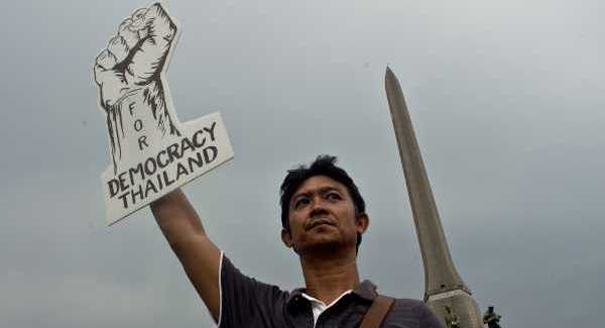
Thailand’s coup is rooted in the clash between the rising voice of the rural poor and the established power of the Bangkok elite. The resolution of this clash will determine the character of Thai democracy.
Source: Diplomat
Carnegie’s Vikram Nehru sat down with Shannon Tiezzi of the Diplomat to discuss the recent ouster of Thailand’s democratically elected government by the Thai military and constitutional court. In the interview, he explained why this coup is unique in Thailand’s long history of over a dozen coups, and examined the rising political power of the rural poor in the north and northeast of the country, the role of the monarchy in Thai politics and the coup, the implications of the coup for the region, and the steps that will be necessary to reach a democratic resolution. In particular, he emphasized the importance of ensuring political voice for both the increasingly influential rural poor and for the established Bangkok elite. How any proposed resolution handles the issue of federalism, the entrenched role of the Bangkok elite, and the establishment and entrenchment of non-partisan political institutions that stand above the fray will be the key issues to watch and will determine the nature and trajectory of Thailand’s democracy going forward, he concluded.
Former Nonresident Senior Fellow, Asia Program
Nehru was a nonresident senior fellow in the Carnegie Asia Program. An expert on development economics, growth, poverty reduction, debt sustainability, governance, and the performance and prospects of East Asia, his research focuses on the economic, political, and strategic issues confronting Asia, particularly Southeast Asia.
Recent Work
Vikram Nehru
Vikram Nehru
Carnegie does not take institutional positions on public policy issues; the views represented herein are those of the author(s) and do not necessarily reflect the views of Carnegie, its staff, or its trustees.
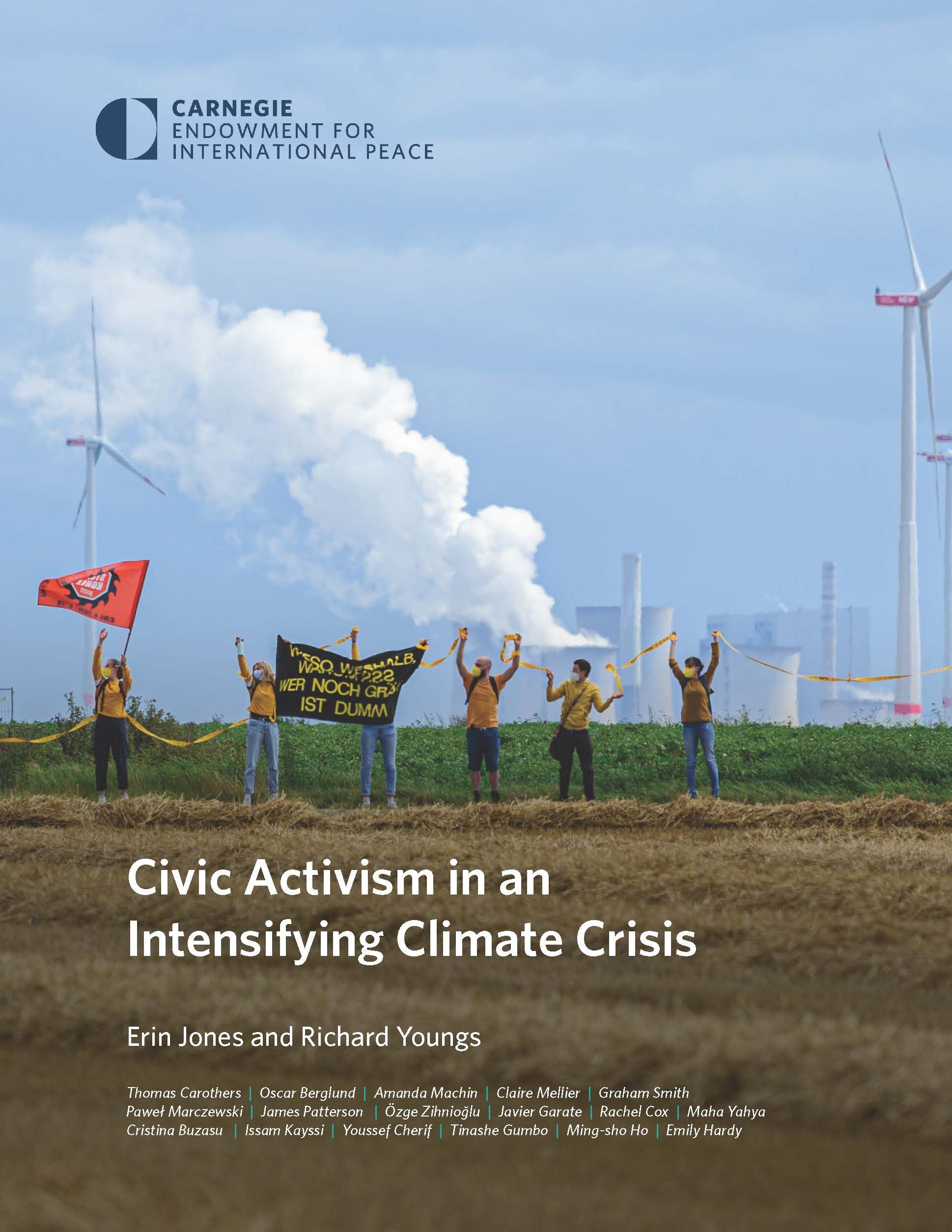
To address the deepening climate crisis, climate activism is employing a wider variety of tactics and aiming at a broader set of goals. In response, the movement faces stronger repression and civic backlash against climate action.

Erin Jones, Richard Youngs
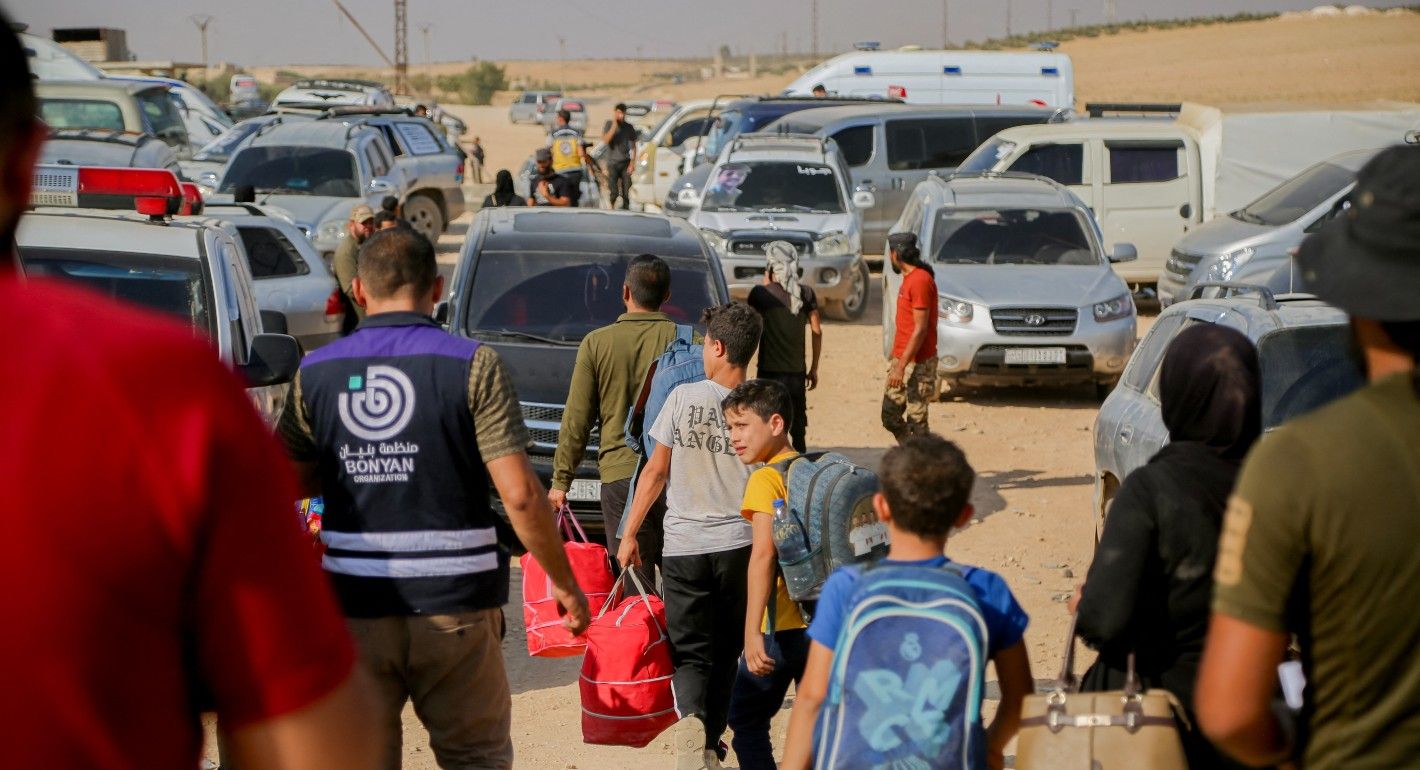
A humanitarian crisis in Lebanon deepens, and Syrian refugees face a perilous choice: remain in a war-torn environment or return to Syria where they risk encountering significant dangers and discrimination. There are significant challenges and risks to their search for safety in Syria.
Haid Haid
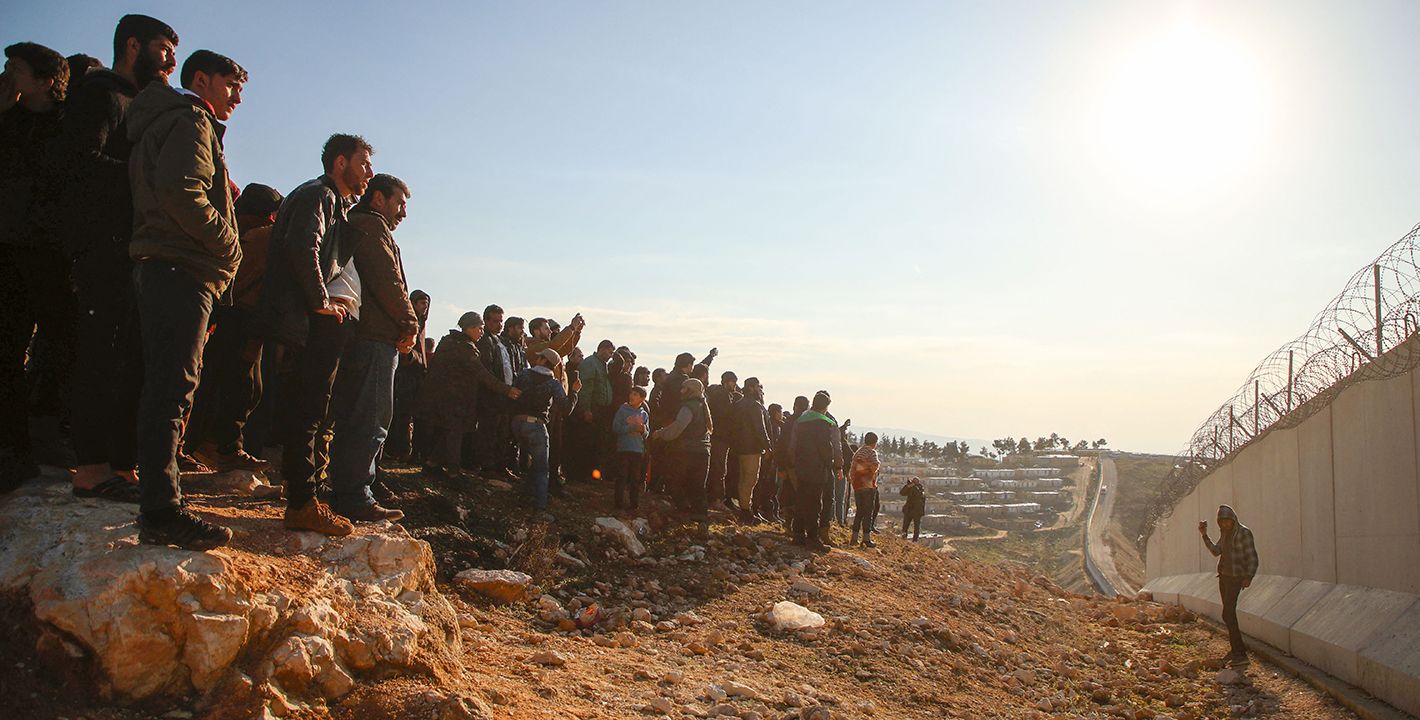
In Syria’s border regions, changes in demographics, economics, and security mean that an inter-Syrian peace process will require consensus among main regional powers that Syria must remain united, that no one side can be victorious, and that perennial instability threatens the region.

Kheder Khaddour, Armenak Tokmajyan
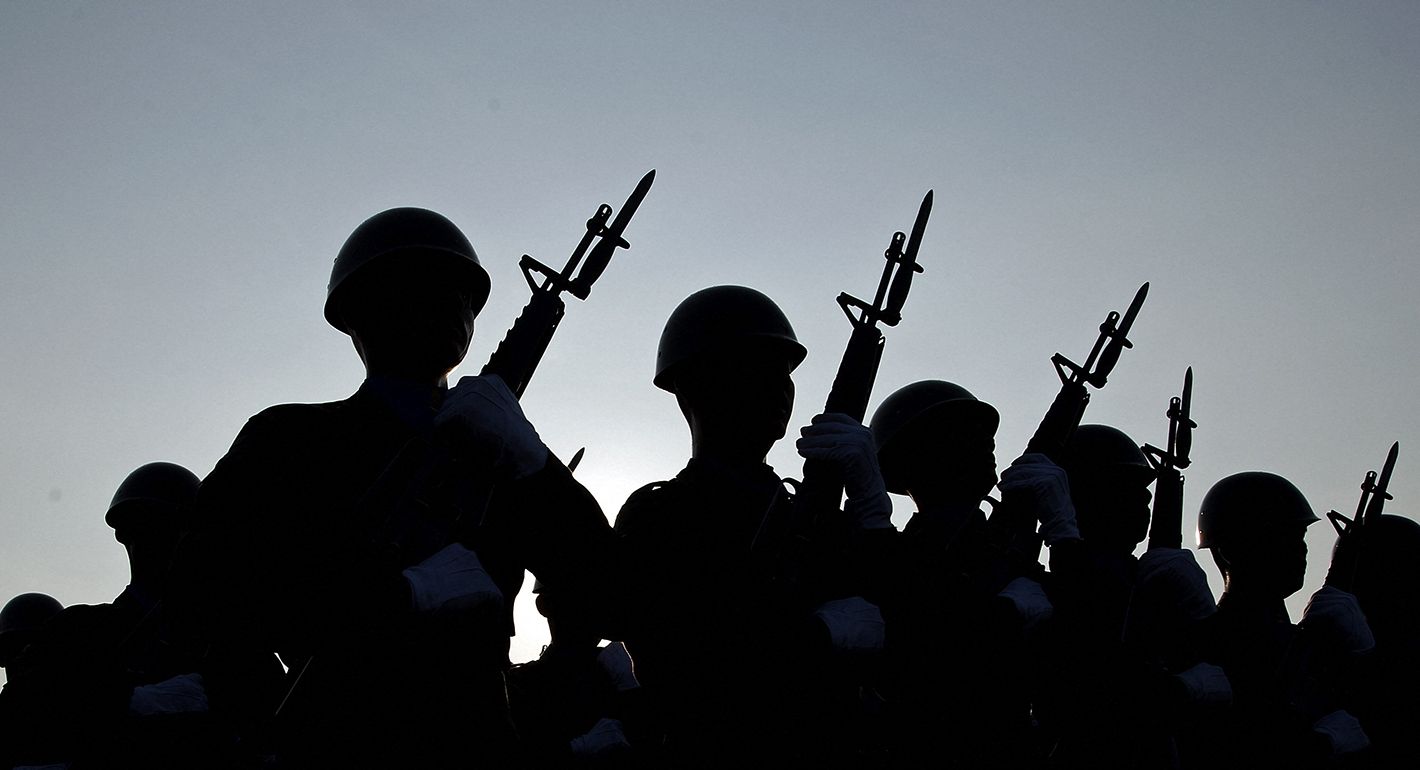
The interaction of national armed forces and private business sectors offers a useful lens for viewing the politics of numerous countries of the so-called Global South. A rising trend of military political activism—often accompanied by military commercial activity—underlines the importance of drivers and outcomes in these relationships.

Yezid Sayigh, Hamza Meddeb
For many in the society, the post-Ben Ali years were mainly about successive economic crises and political instability.
Jasmine Khelil