

Paper
George Perkovich
{
  "authors": [
    "George Perkovich"
  ],
  "type": "other",
  "centerAffiliationAll": "dc",
  "centers": [
    "Carnegie Endowment for International Peace"
  ],
  "collections": [],
  "englishNewsletterAll": "ctw",
  "nonEnglishNewsletterAll": "",
  "primaryCenter": "Carnegie Endowment for International Peace",
  "programAffiliation": "NPP",
  "programs": [
    "Nuclear Policy"
  ],
  "projects": [],
  "regions": [
    "South Asia",
    "India",
    "Pakistan",
    "East Asia",
    "China"
  ],
  "topics": [
    "Nuclear Policy"
  ]
}
Source: Getty
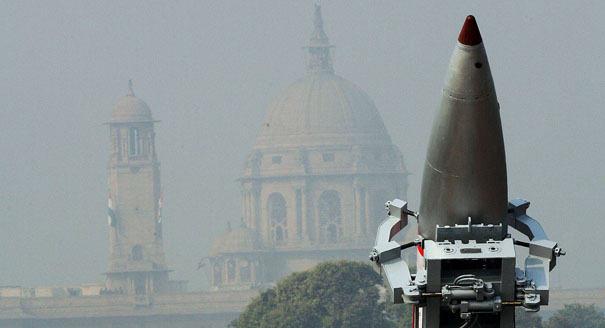
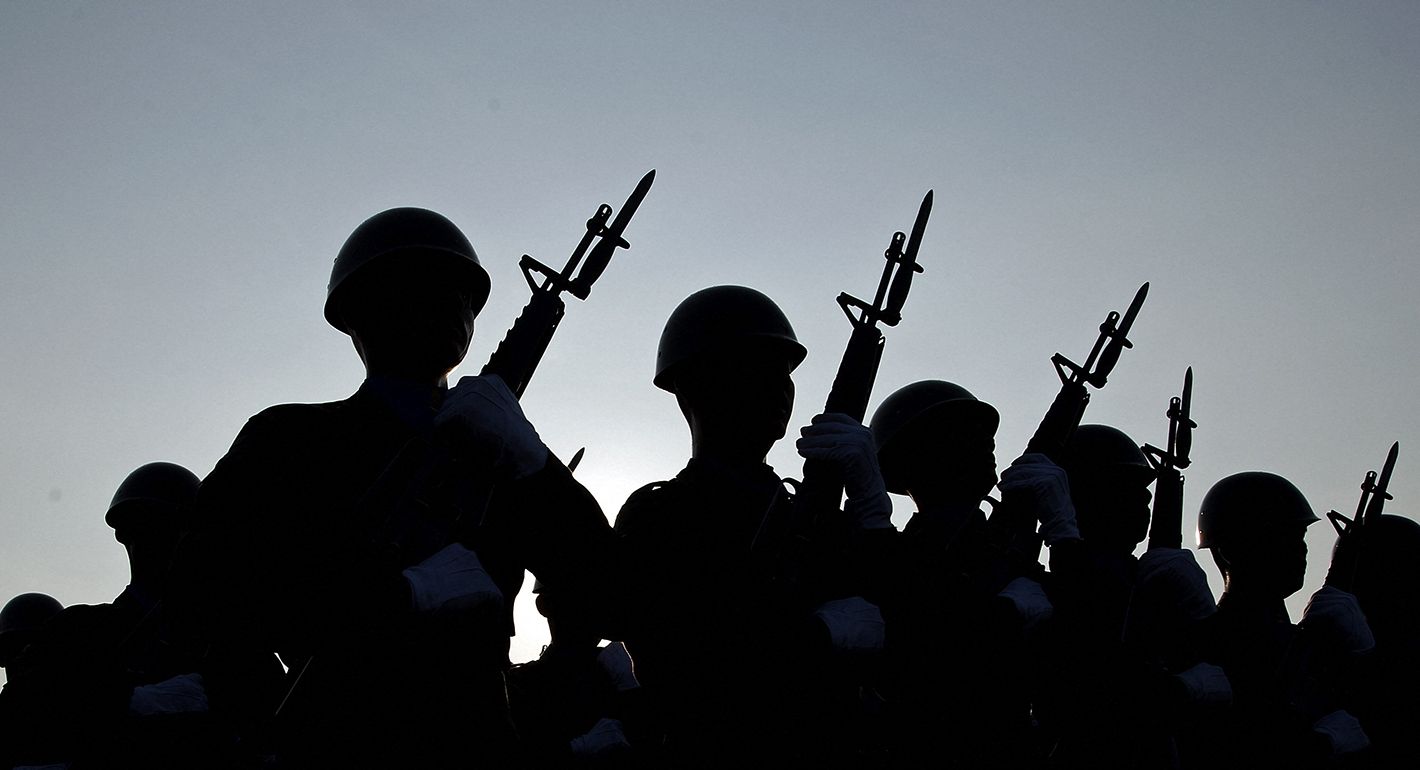
In the book “Managing India’s Nuclear Forces,” Verghese Koithara explores the real-life challenges of nuclear maturity with clinical insight and exemplary balance.
Source: Peace Review: A Journal of Social Justice
When India tested nuclear weapons in May 1998, its national security establishment and much of the urban population celebrated. India had arrived as a major power.
Now it could stand up to China, rectify Western nuclear apartheid, and put Pakistan behind it.Nuclear deterrence would make Pakistan's leaders accept that war was no longer an option for coercing India to give in on Kashmir or other demands...
The full book review of Verghese Koithara's Managing India's Nuclear Forces was originally published in the Peace Review: A Journal of Social Justice, Volume 26, Issue 2, 2014.

Japan Chair for a World Without Nuclear Weapons, Senior Fellow
George Perkovich is the Japan Chair for a World Without Nuclear Weapons and a senior fellow in the Carnegie Endowment for International Peace’s Nuclear Policy Program. He works primarily on nuclear deterrence, nonproliferation, and disarmament issues.
Recent Work
George Perkovich
George Perkovich
Carnegie does not take institutional positions on public policy issues; the views represented herein are those of the author(s) and do not necessarily reflect the views of Carnegie, its staff, or its trustees.
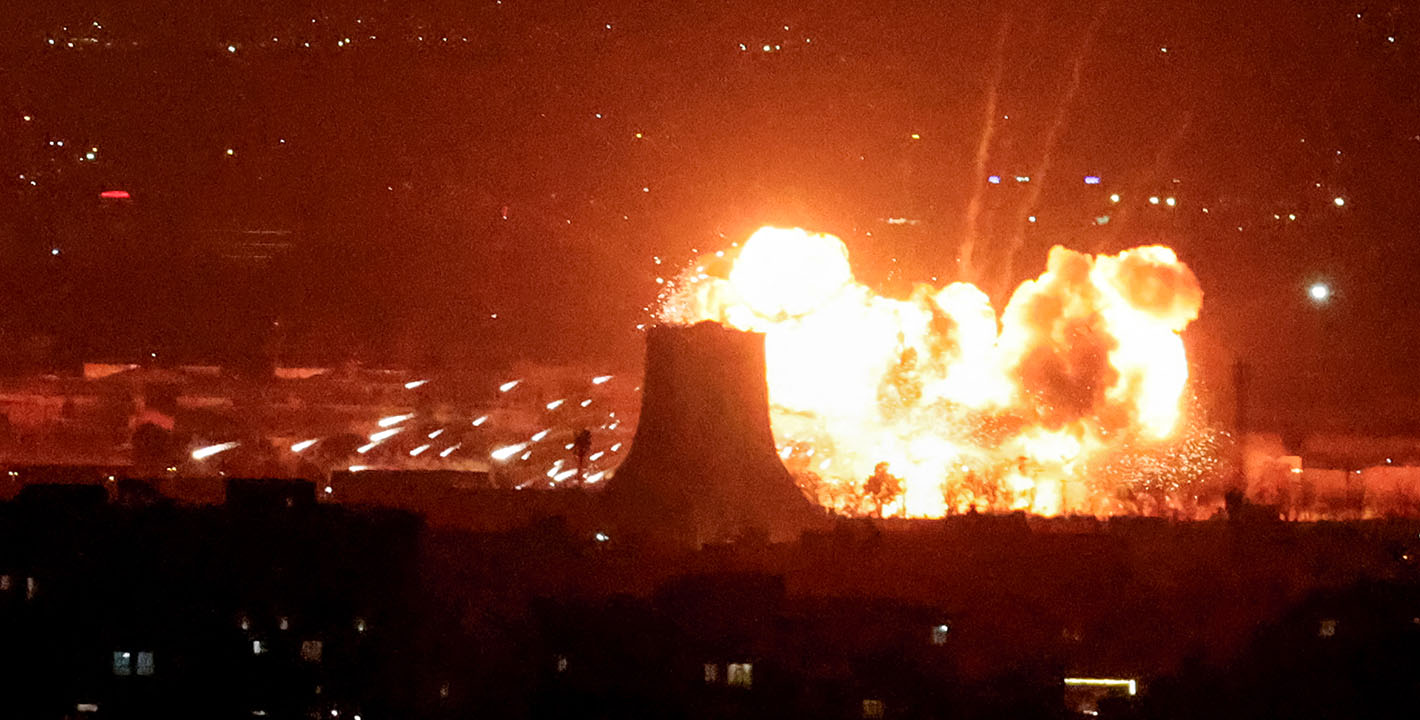
In an interview, Marc Lynch discusses his new book decrying the post-1990 U.S.-dominated order in the Middle East.

Michael Young

China has aligned its cooperation model with Saudi Arabia’s own priorities, most notably since the kingdom unveiled its Vision 2030. Although China announced the Belt and Road Initiative in 2013, the big push in relations happened only after the ascendance of King Salman to the throne in 2015 and Riyadh’s push for Beijing to meet Saudi needs.
Hesham Alghannam
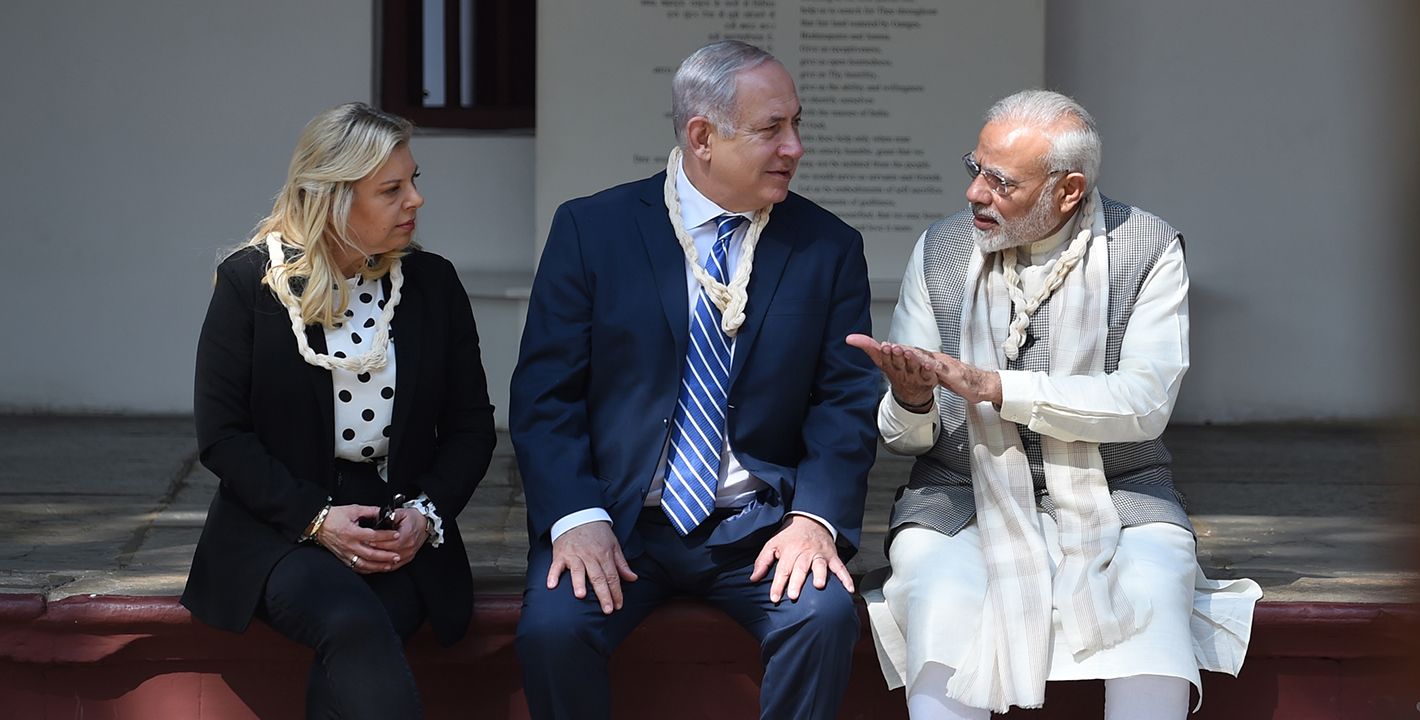
In an interview, Abhinav Pandya discusses the multiple facets of India’s ties with the Middle East.

Armenak Tokmajyan
The interaction of national armed forces and private business sectors offers a useful lens for viewing the politics of numerous countries of the so-called Global South. A rising trend of military political activism—often accompanied by military commercial activity—underlines the importance of drivers and outcomes in these relationships.

Yezid Sayigh, Hamza Meddeb

The Gulf Cooperation Council has shifted its energy export focus to Asia, particularly India and China. This is part of a broader shift as GCC members look to expand their geopolitical alliances away from the West.
Alexandre Kateb