

Commentary
Spot analysis from Carnegie scholars on events relating to the Middle East and North Africa.
Michael Young
{
  "authors": [],
  "type": "pressRelease",
  "centerAffiliationAll": "",
  "centers": [
    "Carnegie Endowment for International Peace"
  ],
  "collections": [
    "Iranian Proliferation"
  ],
  "englishNewsletterAll": "",
  "nonEnglishNewsletterAll": "",
  "primaryCenter": "Carnegie Endowment for International Peace",
  "programAffiliation": "",
  "programs": [],
  "projects": [],
  "regions": [
    "Middle East",
    "Iran"
  ],
  "topics": [
    "Nuclear Policy",
    "Arms Control"
  ]
}
REQUIRED IMAGE
With Iran and the P5+1 powers agreeing to a four-month extension of nuclear talks, Carnegie experts are available to assess the implications of the extension and the challenges that need to be overcome to reach a final deal.
To request an interview, please contact Clara Hogan at chogan@ceip.org.
"Neither the U.S. nor Iran is prepared to accept the other's conditions for a final deal, so extending the talks is better than any alternative action at this point. Iran is upholding an interim agreement that keeps it from accumulating nuclear material. Adding more sanctions on Iran now would prompt the Iranians to resume enriching uranium to higher levels, and would make other countries stop enforcing sanctions. It would weaken the United States' position."
—George Perkovich
"It was not realistic to expect that the U.S. and Iran would be able to bridge four decades of festering mistrust in six months. Extending the negotiations is better than any alternative options. To optimists, the normalization of official dialogue between the U.S. and Iran has been one of the huge achievements of this process. To skeptics, it will remain difficult to find a technical resolution to what is essentially a political conflict. The nuclear issue is the not the underlying cause of U.S.-Iran mistrust—it's merely a symptom of it. The challenge remains finding a way to reconcile Iranian ideological proclivities, U.S. political realities, and Israeli security concerns."
—Karim Sadjadpour
"The limited-term rollover expresses three things: agreement by both sides that not negotiating may make things worse; concern by the powers that Iran hasn't done enough to justify a six-month extension; and negotiators' fear of critics in the U.S. and Iran who demand quick results."
—Mark Hibbs
"An extension is far preferable to collapse of the negotiations. It ensures that significant limits on Iran's nuclear program remain in place. It also ensures that International Atomic Energy Agency inspectors continue to benefit from intrusive access—most importantly to centrifuge manufacturing workshops—that Iran would not otherwise be required to grant."
—James Acton
"The main obstacle to reaching a comprehensive agreement on the Iranian nuclear program is not the technical disagreements, but the widening split between Russia and the West over the Ukrainian crisis. Even though Russia kept formally in line with the rest of the six parties' negotiating position, the fact that nowadays it is Russia itself which is the object of growing Western sanctions implies some schizophrenic flavor in the format of talks with Iran."
—Alexei Arbatov
Carnegie does not take institutional positions on public policy issues; the views represented herein are those of the author(s) and do not necessarily reflect the views of Carnegie, its staff, or its trustees.
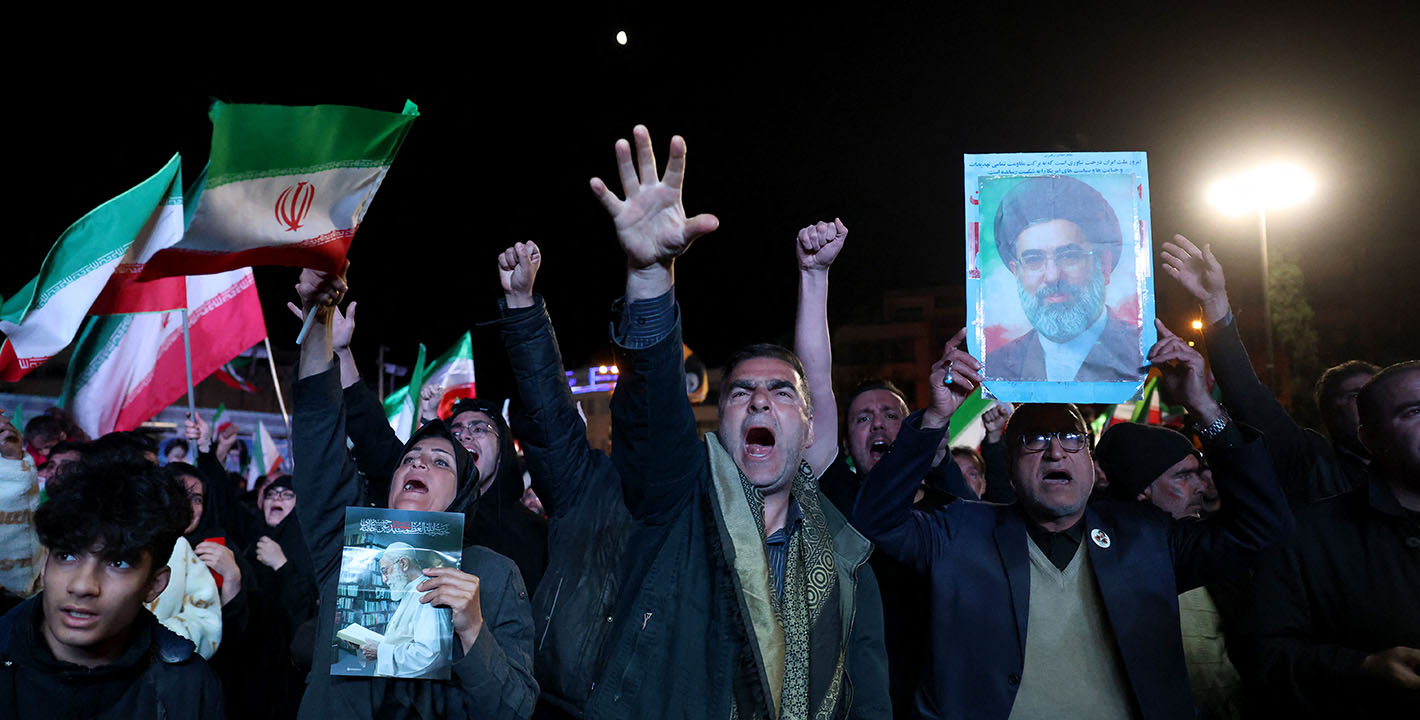
Spot analysis from Carnegie scholars on events relating to the Middle East and North Africa.

Michael Young
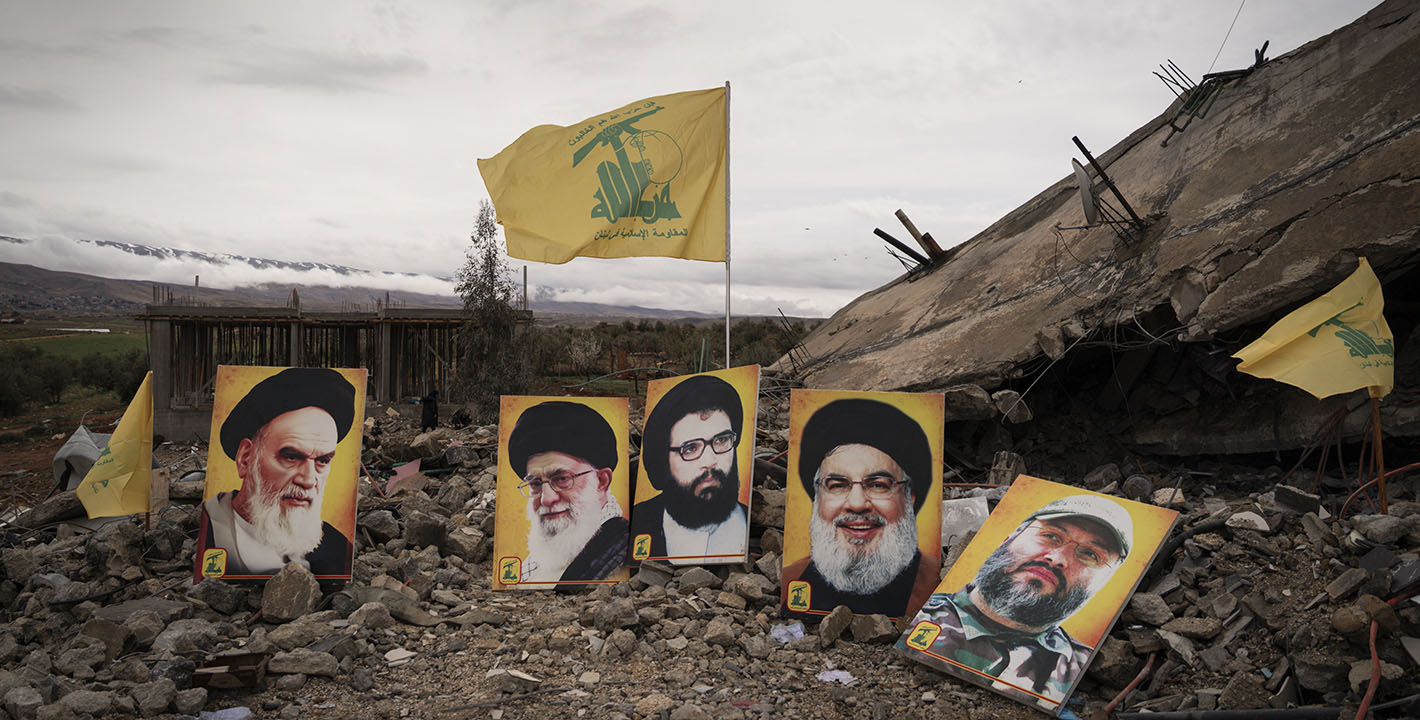
The party’s objectives involve tying together the Lebanese and Iranian fronts, while surviving militarily and politically at home.
Mohamad Fawaz
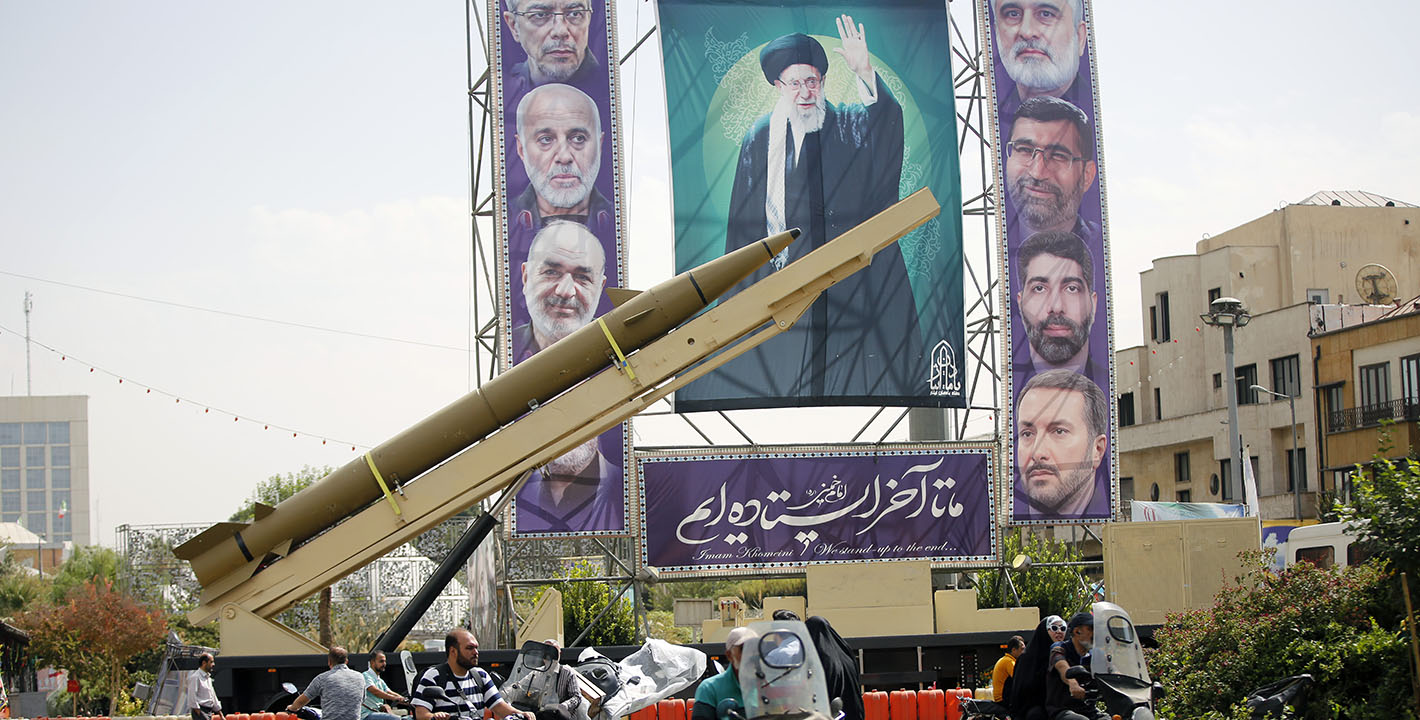
In an interview, Hamidreza Azizi discusses how Tehran has adapted in real time to the conflict with the United States and Israel.
Michael Young
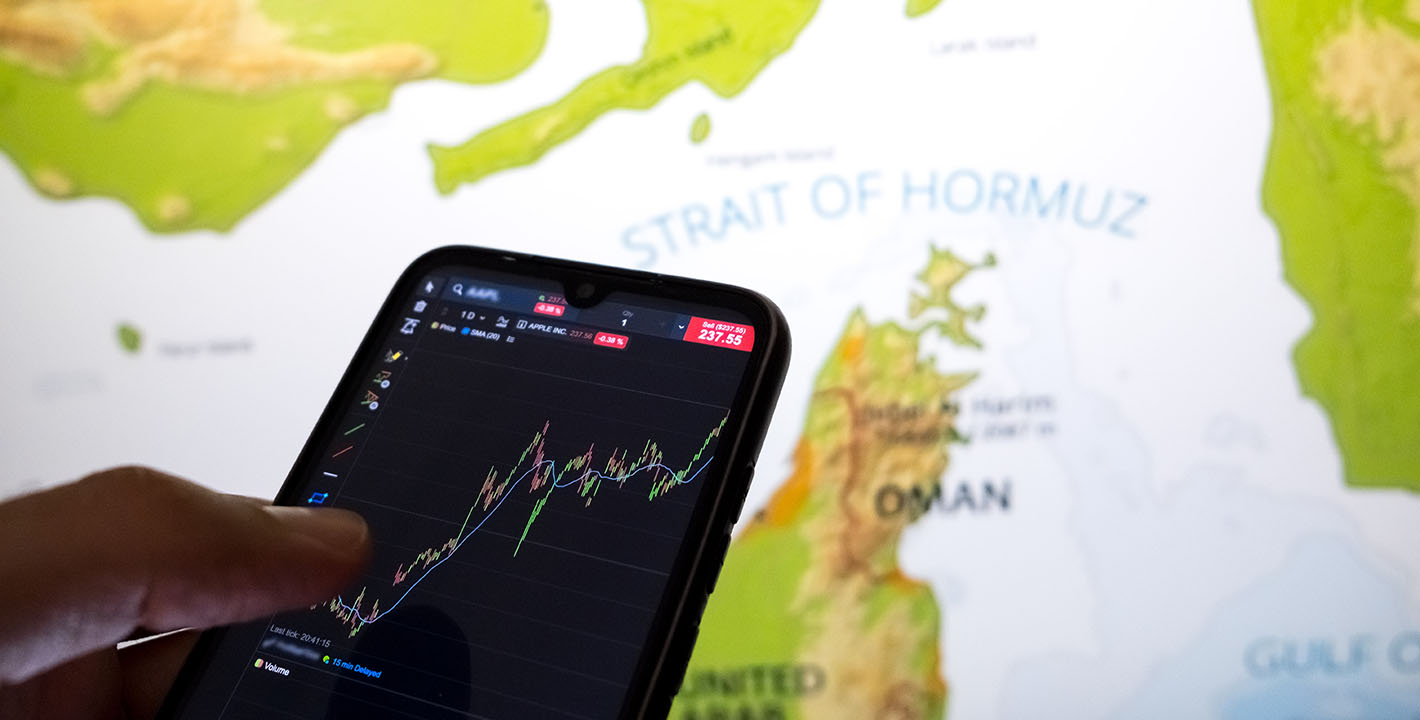
In an interview, Roger Diwan discusses where the global economy may be going in the third week of the U.S.-Israeli war with Iran.

Nur Arafeh
In an interview, Andrew Leber discusses the impact the U.S. and Israeli war against Iran is having on Arab Gulf states.
Michael Young