

In The Media
David Rothkopf
{
  "authors": [
    "David Rothkopf"
  ],
  "type": "legacyinthemedia",
  "centerAffiliationAll": "",
  "centers": [
    "Carnegie Endowment for International Peace"
  ],
  "collections": [],
  "englishNewsletterAll": "",
  "nonEnglishNewsletterAll": "",
  "primaryCenter": "Carnegie Endowment for International Peace",
  "programAffiliation": "",
  "programs": [],
  "projects": [],
  "regions": [
    "North America",
    "United States"
  ],
  "topics": [
    "Foreign Policy"
  ]
}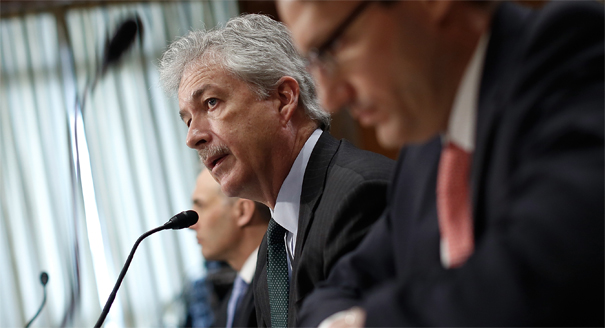
Source: Getty
Deputy U.S. Secretary of State William J. Burns reflects on his distinguished tenure as a career foreign service officer.
Source: Foreign Policy
Today, Deputy U.S. Secretary of State William J. Burns retires after one of the most distinguished tenures as a career foreign service officer in memory. Only the second career diplomat in history to ascend to the No. 2 job at the State Department, he served during over three decades as undersecretary of state for political affairs, ambassador to Russia, assistant secretary of state for Near Eastern Affairs, and ambassador to Jordan. He has also worked as a senior director on the National Security Council staff, as executive secretary to Secretaries of State Warren Christopher and Madeleine Albright, and has won an array of departmental awards in recognition of his service.
Foreign Policy's David Rothkopf sat down with him for an exit interview on the current state of the world, U.S. leadership in a time of crisis, and what may be just around the bend.
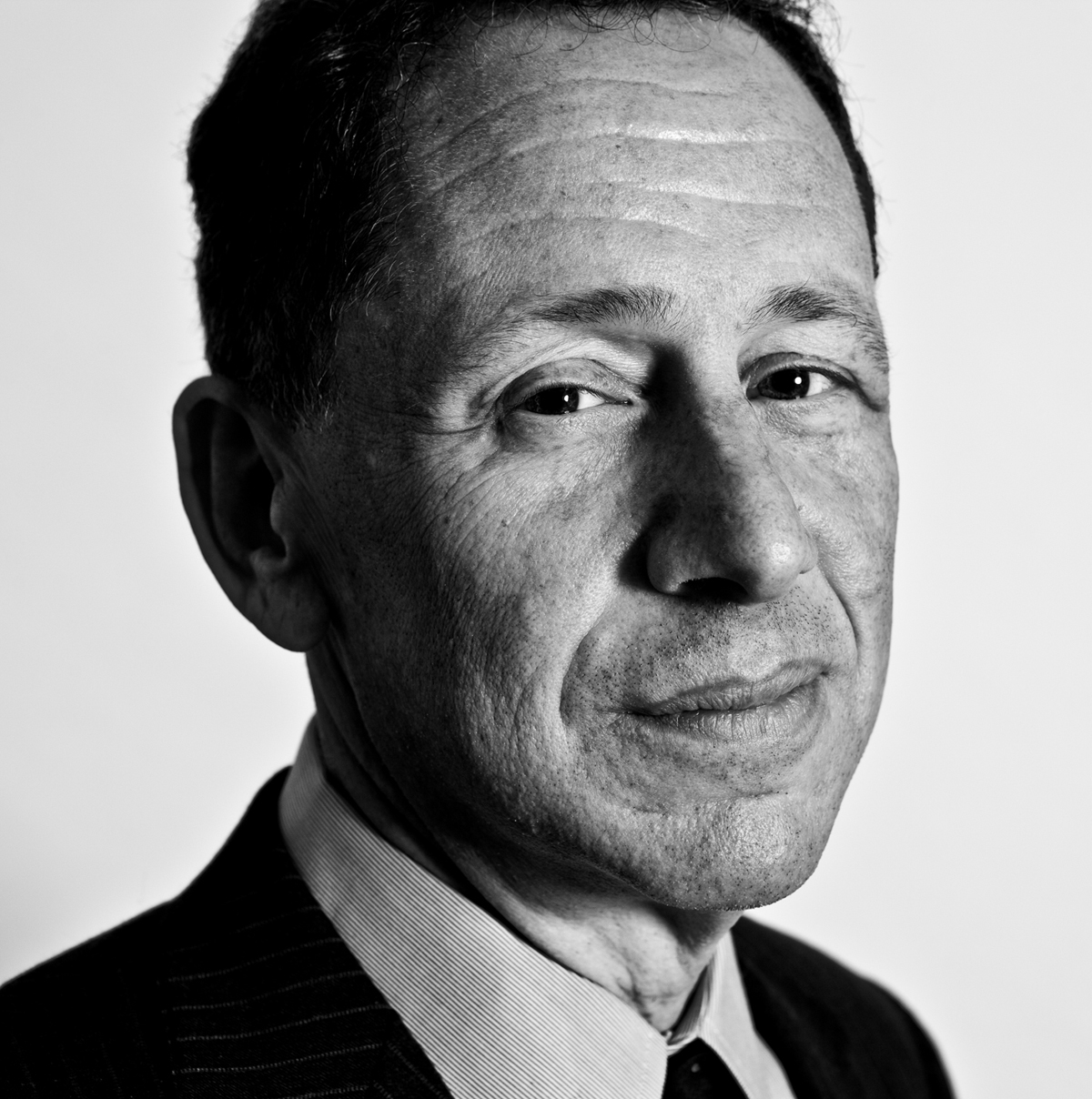
Former Visiting Scholar
David Rothkopf was a visiting scholar at the Carnegie Endowment as well as the former CEO and editor in chief of the FP Group.
Recent Work
David Rothkopf
David Rothkopf
Carnegie does not take institutional positions on public policy issues; the views represented herein are those of the author(s) and do not necessarily reflect the views of Carnegie, its staff, or its trustees.

By failing to address Palestinian representation, the current process is bound to lead to just another temporary arrangement.

Nathan J. Brown

Morocco and Algeria, each in its own way, are having to navigate the global economic fallout of the U.S.-Israeli military campaign against Iran.

Yasmine Zarhloule
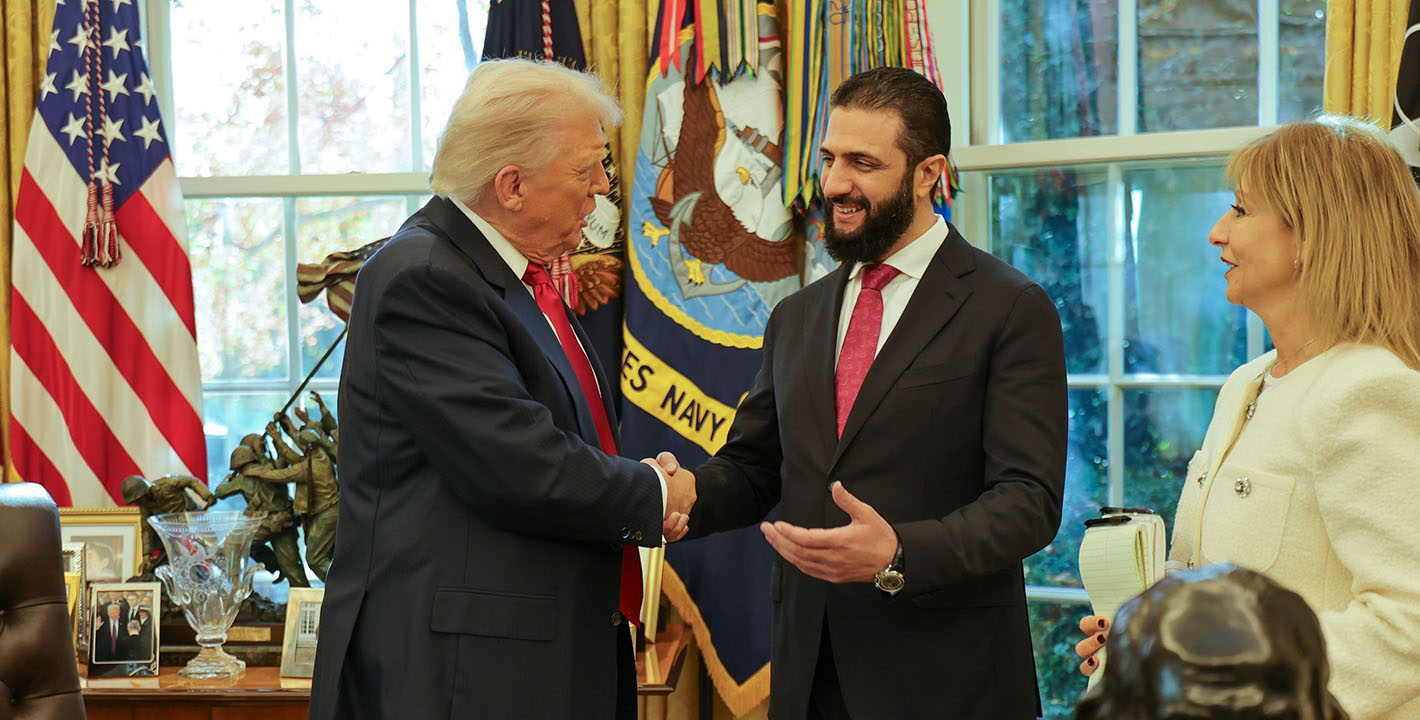
Any move by the United States to make good on Trump’s suggestion that Washington persuade Damascus to confront Hezbollah militarily would have catastrophic consequences.

Kheder Khaddour
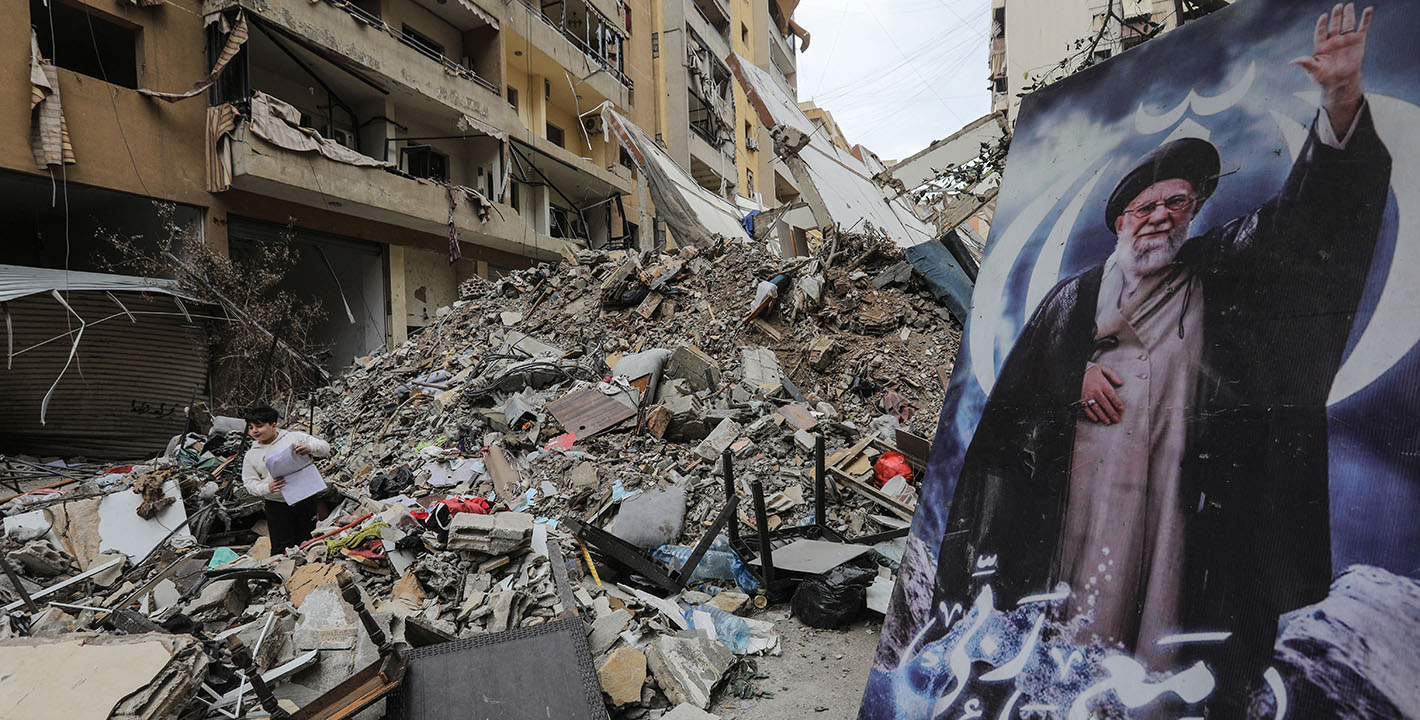
As talks begin between Washington and Tehran, Beirut has an opening to advance a regional plan for the party’s disarmament.

Michael Young
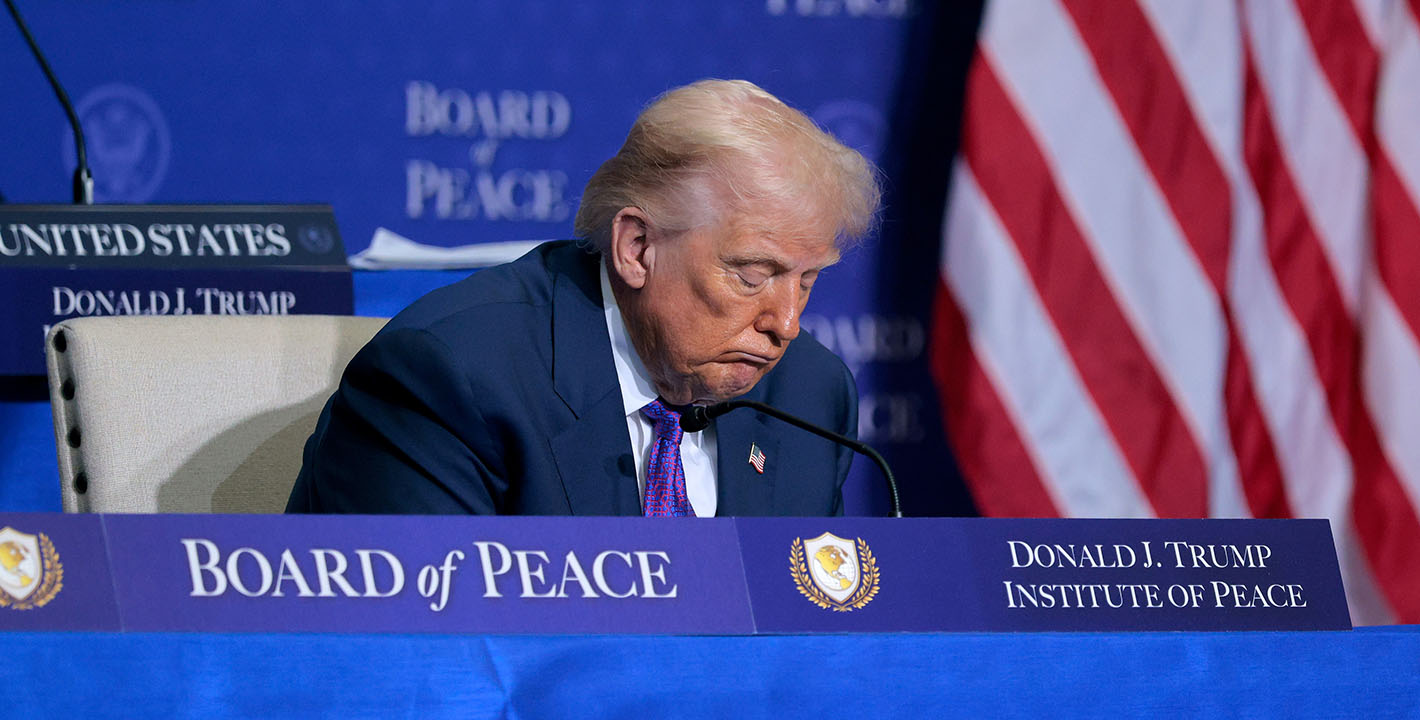
What is behind Marco Rubio’s announcement that the body is now an international nongovernmental organization?
Zaha Hassan