

Commentary
Marc Pierini
{
  "authors": [
    "Marc Pierini"
  ],
  "type": "legacyinthemedia",
  "centerAffiliationAll": "dc",
  "centers": [
    "Carnegie Endowment for International Peace",
    "Carnegie Europe",
    "Malcolm H. Kerr Carnegie Middle East Center"
  ],
  "collections": [
    "Turkey’s Transformation",
    "Transatlantic Cooperation"
  ],
  "englishNewsletterAll": "ctw",
  "nonEnglishNewsletterAll": "",
  "primaryCenter": "Carnegie Europe",
  "programAffiliation": "EP",
  "programs": [
    "Europe"
  ],
  "projects": [],
  "regions": [
    "Middle East",
    "Europe",
    "Türkiye",
    "Western Europe",
    "Iran"
  ],
  "topics": [
    "Foreign Policy",
    "Security"
  ]
}
Source: Getty
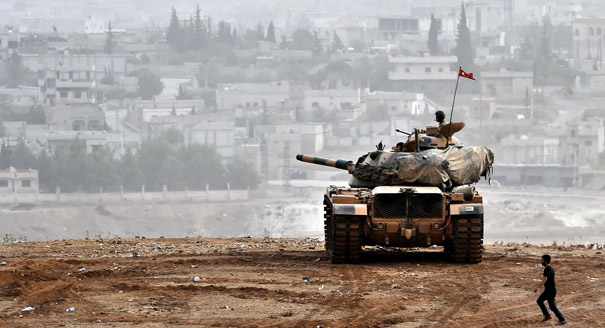
The West and Turkey should meet the Islamic State threat with counterterrorism and border control measures. That may not be a military operation, but it is a big challenge.
Source: Nato Channel TV
Speaking to the NATO Channel TV, Marc Pierini discussed the threat posed by Islamic State militants on the Turkish-Syrian border and the steps that Western nations and Turkey should take in response.
“When [the Islamic State] took Mosul, this was a quantum leap in terms of funding and in terms of weaponry,” Pierini said. “We now have an organization which is not a state (despite the name), which is a terrorist organization, but which has tactical depth: it has territory and it can move fighters, hostages, training camps, and military assets.” He added that the group’s technical capabilities could be seen in its ability to conduct a dual attack on both Baghdad and the Kurdish Syrian town of Kobanê.Pierini believes that the jihadists’ aim is to show the ineffectiveness of the anti–Islamic State coalition. The insurgency is “basically a homeland security threat,” Pierini argues, and the West and Turkey should respond jointly with counterterrorism measures and enhanced border control. “It’s not a military operation, but it’s a very big challenge,” he concluded.

Senior Fellow, Carnegie Europe
Marc Pierini is a senior fellow at Carnegie Europe, where his research focuses on developments in the Middle East and Turkey from a European perspective.
Recent Work
Marc Pierini
Marc Pierini
Carnegie does not take institutional positions on public policy issues; the views represented herein are those of the author(s) and do not necessarily reflect the views of Carnegie, its staff, or its trustees.
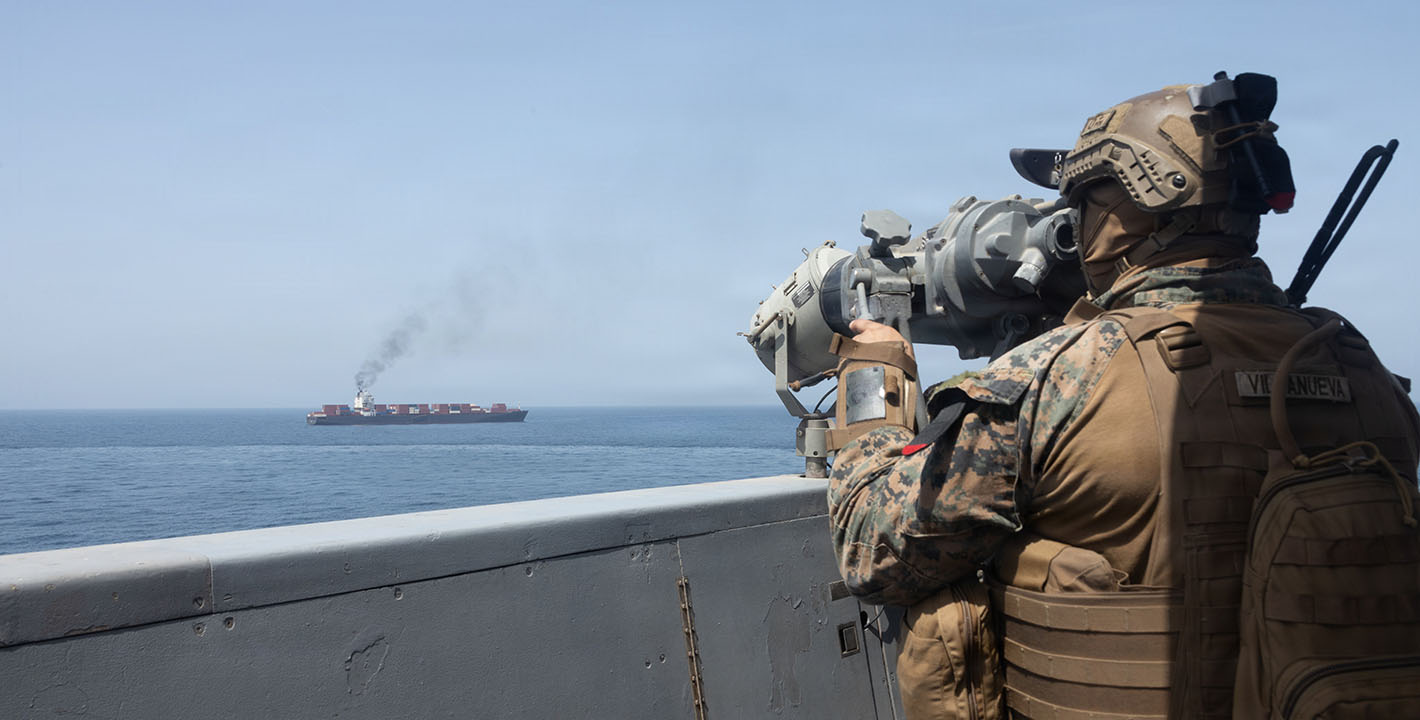
In an interview, Jim Lamson discusses the ongoing regional conflict and sees an unclear picture when it comes to winners and losers.

Michael Young
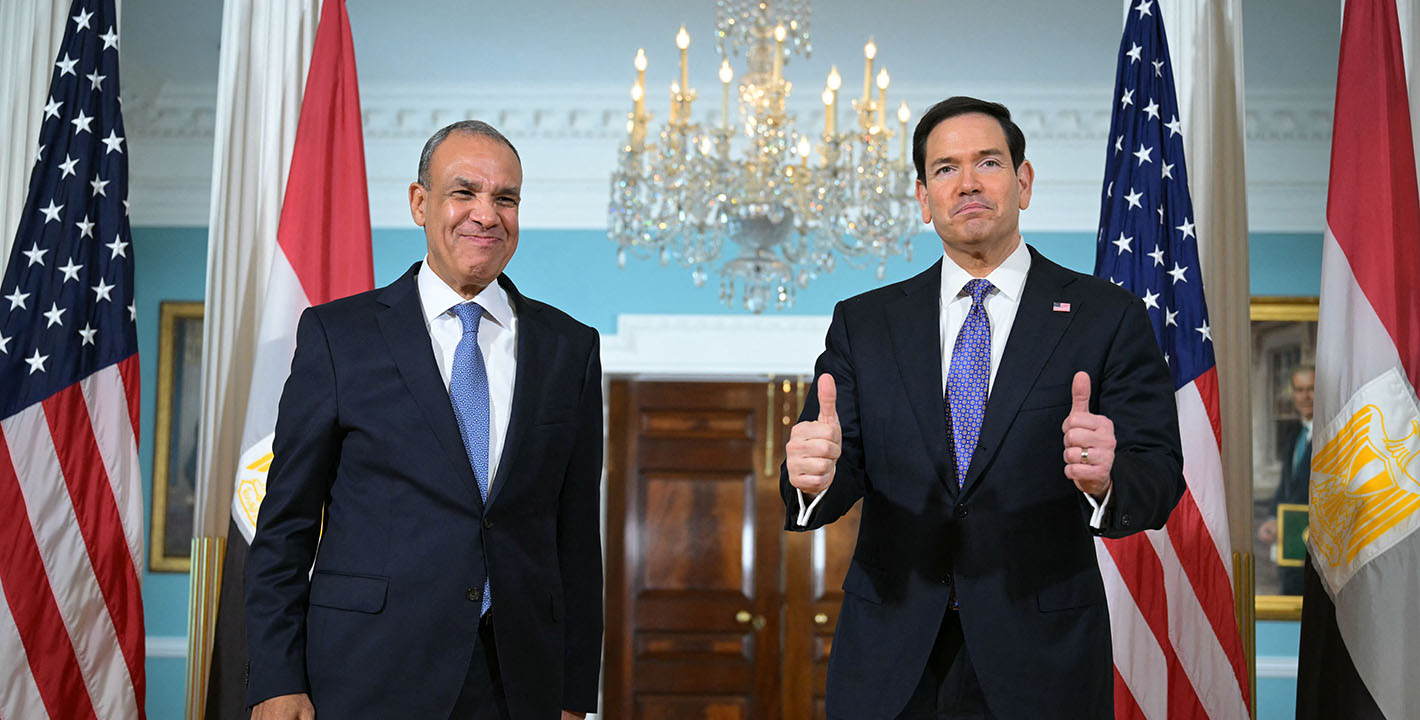
Cairo’s efforts send a message to the United States and the region that it still has a place at the diplomatic table.

Angie Omar
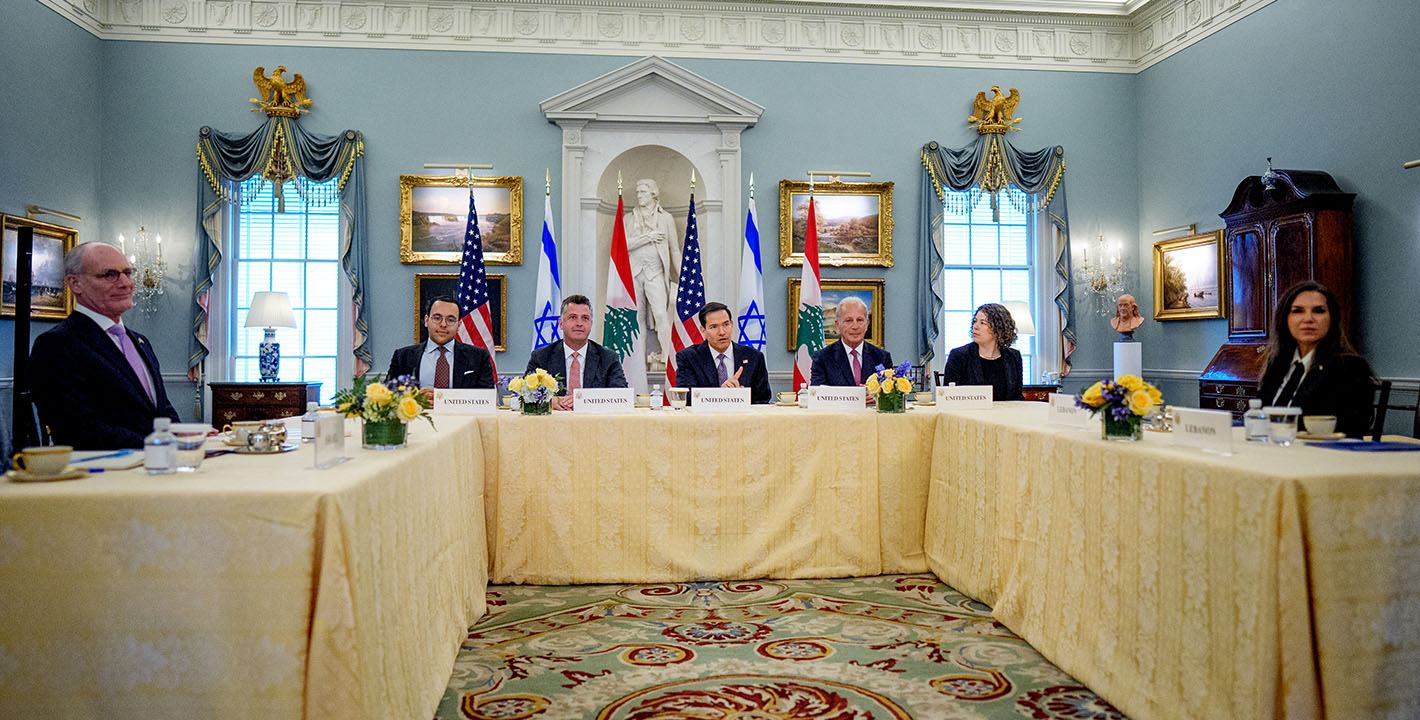
Beirut’s desire to break free from Iranian hegemony may push it into a situation where it has to accept Israel’s hegemony.
Michael Young
Spot analysis from Carnegie scholars on events relating to the Middle East and North Africa.
Michael Young
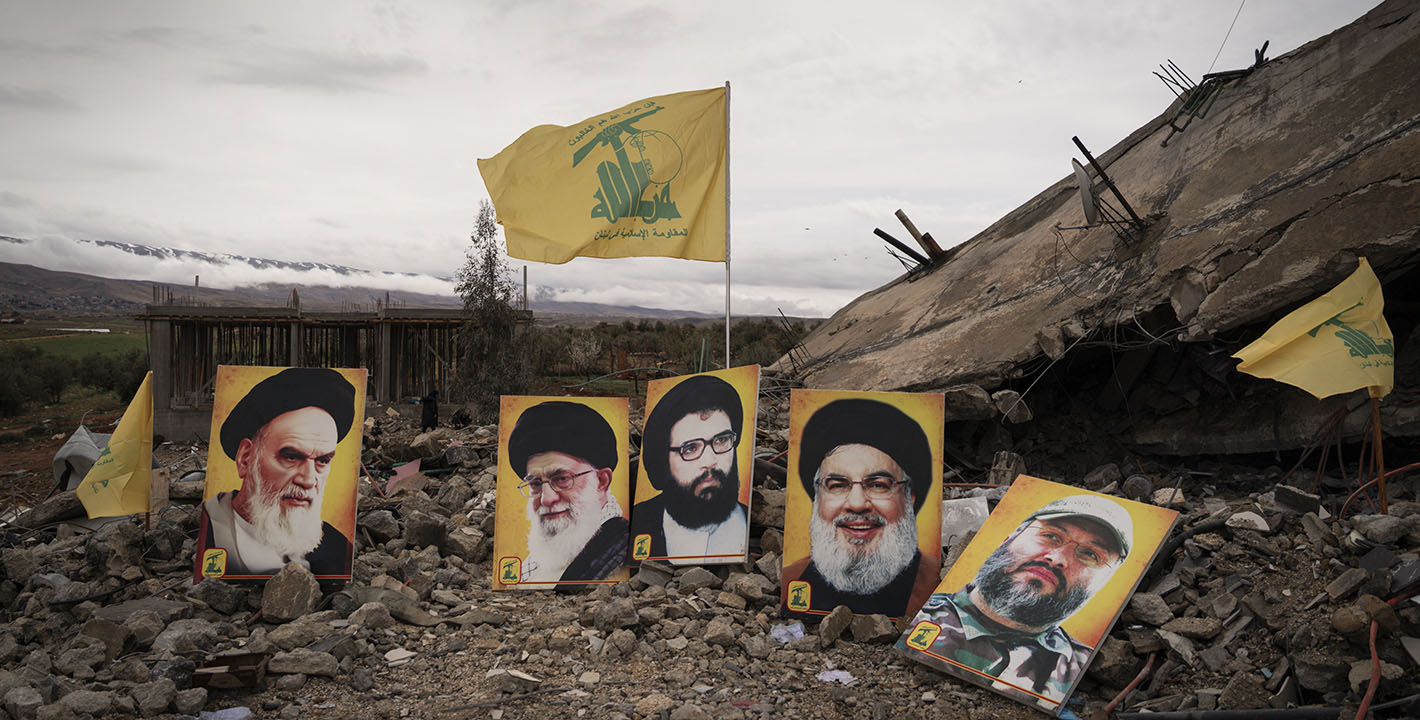
The party’s objectives involve tying together the Lebanese and Iranian fronts, while surviving militarily and politically at home.
Mohamad Fawaz