

Paper
James L. Schoff, Douglas E. Rake, Joshua Levy
{
  "authors": [
    "James L. Schoff"
  ],
  "type": "legacyinthemedia",
  "centerAffiliationAll": "dc",
  "centers": [
    "Carnegie Endowment for International Peace"
  ],
  "collections": [],
  "englishNewsletterAll": "asia",
  "nonEnglishNewsletterAll": "",
  "primaryCenter": "Carnegie Endowment for International Peace",
  "programAffiliation": "AP",
  "programs": [
    "Asia"
  ],
  "projects": [],
  "regions": [
    "East Asia",
    "Japan"
  ],
  "topics": [
    "Economy"
  ]
}
Source: Getty
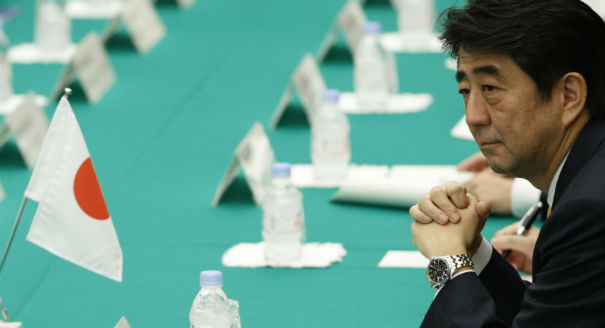
The December 2014 election has given Abe four more years until the next election. This potentially gives Abe the time needed to implement unpopular economic measures like structural reform in Japan.
Source: BloombergTV
In light of the low voter turnout in Japan’s December 2014, billed as a referendum on Prime Minister Abe’s economic policies known as “Abenomics,” Carnegie’s Jim Schoff was asked whether Abe should feel reaffirmed that his policies are what the Japanese people want. Schoff responded that the critical thing for Abe was that this election gave him a total of four years until needing another election, to implement his policies as a sort of “preemptive strike” against the uncoordinated opposition parties. Schoff said that Abe could now take the more unpopular steps and recover with a more productive economy. He added that Abe might take a number of specific short-term steps, such as implement a fiscal stimulus (around $25 billion) and a corporate tax cut so that the rate would be at a low of 20 percent. Schoff finished by saying that in the long-term Abe is looking to tackle deregulation in the electricity sector and also tackle the more entrenched issues of agriculture reform and healthcare reform.
Former Senior Fellow, Asia Program
James L. Schoff was a senior fellow in the Carnegie Asia Program. His research focuses on U.S.-Japan relations and regional engagement, Japanese technology innovation, and regional trade and security dynamics.
Recent Work
James L. Schoff, Douglas E. Rake, Joshua Levy
James L. Schoff

The armed forces champion a form of capitalism that is generating revenue, but its reliance on rent faces diminishing returns, leaving the country with massive sunk costs and deferred returns, deepening dependency on external borrowing.

Yezid Sayigh
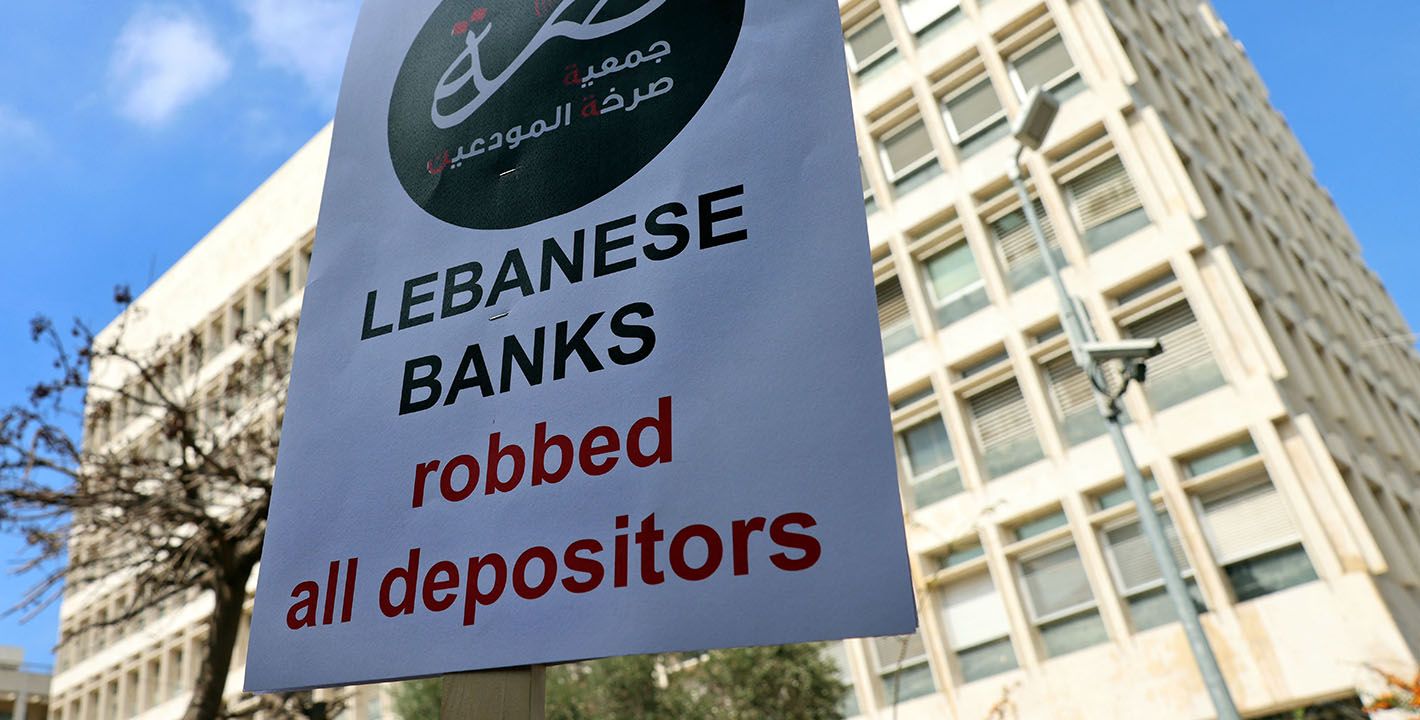
In an interview, Ishac Diwan looks at the merits and flaws in the draft legislation distributing losses from the financial collapse.

Michael Young
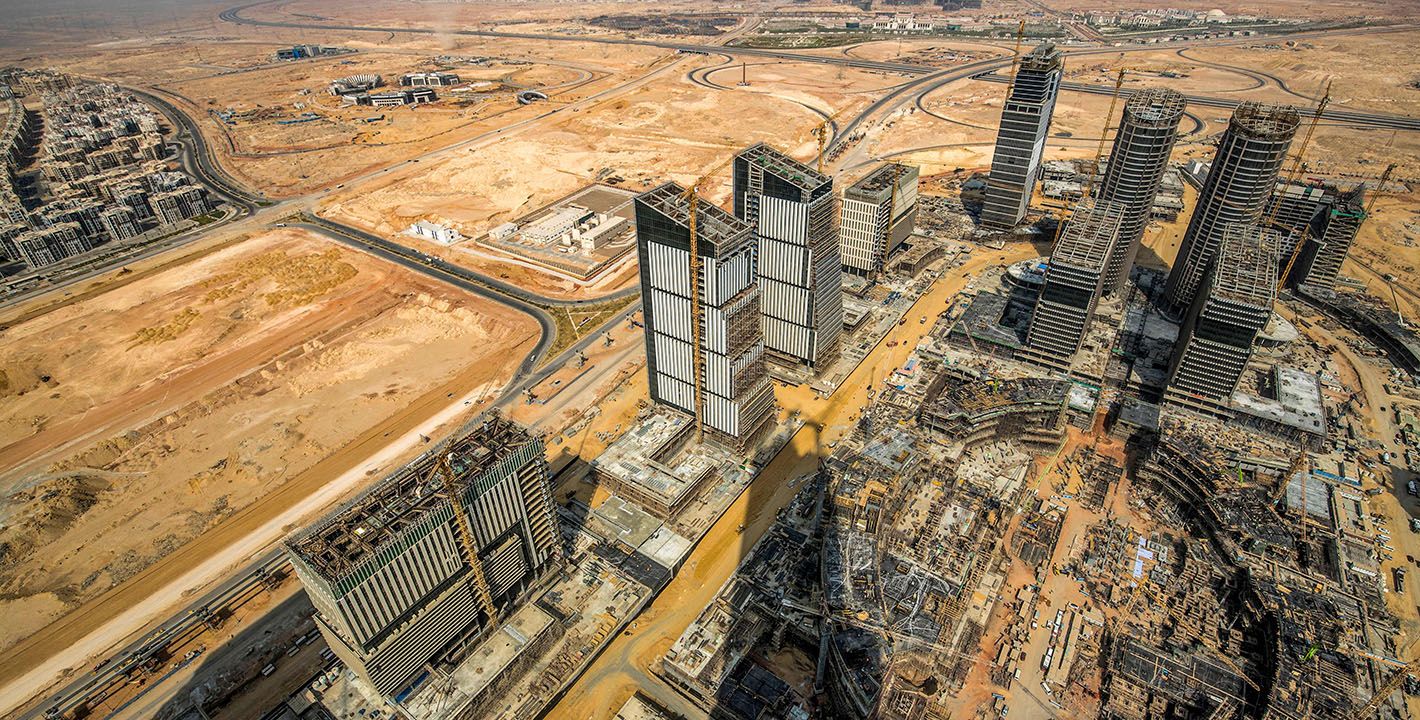
Mustaqbal Misr has expanded its portfolio with remarkable speed, but a lack of transparency remains.
Yezid Sayigh

Arab diaspora business communities in Egypt often mirror the same systemic challenges facing Egyptian businesses.
Nur Arafeh, Yezid Sayigh, Qaboul al-Absi, …

Largely characterized thus far by a single-minded focus on extractivism, Riyadh must commit to greater equitability in its approach to investment and development deals with Sudan, Ethiopia, and Eritrea.

Hesham Alghannam