
• Research
  • Diwan
  • About
  • Experts
Carnegie Middle East logoCarnegie lettermark logo
LebanonIran
{
  "authors": [
    "Milan Vaishnav",
    "Alec Sugarman"
  ],
  "type": "legacyinthemedia",
  "centerAffiliationAll": "dc",
  "centers": [
    "Carnegie Endowment for International Peace"
  ],
  "collections": [],
  "englishNewsletterAll": "ctw",
  "nonEnglishNewsletterAll": "",
  "primaryCenter": "Carnegie Endowment for International Peace",
  "programAffiliation": "SAP",
  "programs": [
    "South Asia"
  ],
  "projects": [],
  "regions": [
    "South Asia",
    "India"
  ],
  "topics": [
    "Political Reform"
  ]
}

Source: Getty

In The Media

How Representative Are India's MPs?

Indian legislators have very little in common with the average citizen.

Link Copied
By Milan Vaishnav and Alec Sugarman
Published on Jan 26, 2015

Source: Live Mint

The Economist recently examined how representative the incoming 114th US Congress is of the broader American public. The newspaper, perhaps not surprisingly, found (mintne.ws/1B8Ug6y) that America’s legislators have very little in common with the average Joe on Main Street. We decided to perform a similar exercise for the 543 members of Parliament (MPs) inducted into the Lok Sabha in May 2014. We, too, found very stark differences.

For starters, India has one of the youngest populations in the world—with a median age of 24, according to the 2011 census—yet, the median Lok Sabha MP is around 55 years old. Although the percentage of women in the Lok Sabha reached an all-time high in 2011 (11.2%), this is still shockingly low compared with the female share of the population. And while the census has not yet released religion-wise population data for 2011, Muslim representation in the lower house is less than one-third of their share of the population, based on 2001 figures.

The dimension on which there is the greatest discrepancy is wealth. The average MP reported an income of Rs31 lakh in 2012-2013 (this does not include the income of their spouses or dependents) on their nomination papers, a figure that is thirty-six-and-a-half times India’s average per capita income. There are major differences on education and occupation as well. Three-quarters of Lok Sabha MPs are graduates, which is leaps and bounds above the 9.6% of Indians at large. And despite the fact that half the population is employed in agriculture, just one in four MPs can claim such an affiliation.

Source: Live Mint

In this era of bonhomie between India and the US, the two have even more in common than we thought.

This article was originally published in Live Mint. Graphic created by Live Mint.

About the Authors

Milan Vaishnav

Director and Senior Fellow, South Asia Program

Milan Vaishnav is a senior fellow and director of the South Asia Program and the host of the Grand Tamasha podcast at the Carnegie Endowment for International Peace. His primary research focus is the political economy of India, and he examines issues such as corruption and governance, state capacity, federalism, and electoral behavior. He also conducts research on the Indian diaspora.

Alec Sugarman

Former Junior Fellow, South Asia Program

Authors

Milan Vaishnav
Director and Senior Fellow, South Asia Program
Milan Vaishnav
Alec Sugarman
Former Junior Fellow, South Asia Program
Political ReformSouth AsiaIndia

Carnegie does not take institutional positions on public policy issues; the views represented herein are those of the author(s) and do not necessarily reflect the views of Carnegie, its staff, or its trustees.

More Work from Malcolm H. Kerr Carnegie Middle East Center

  • Commentary
    Sada
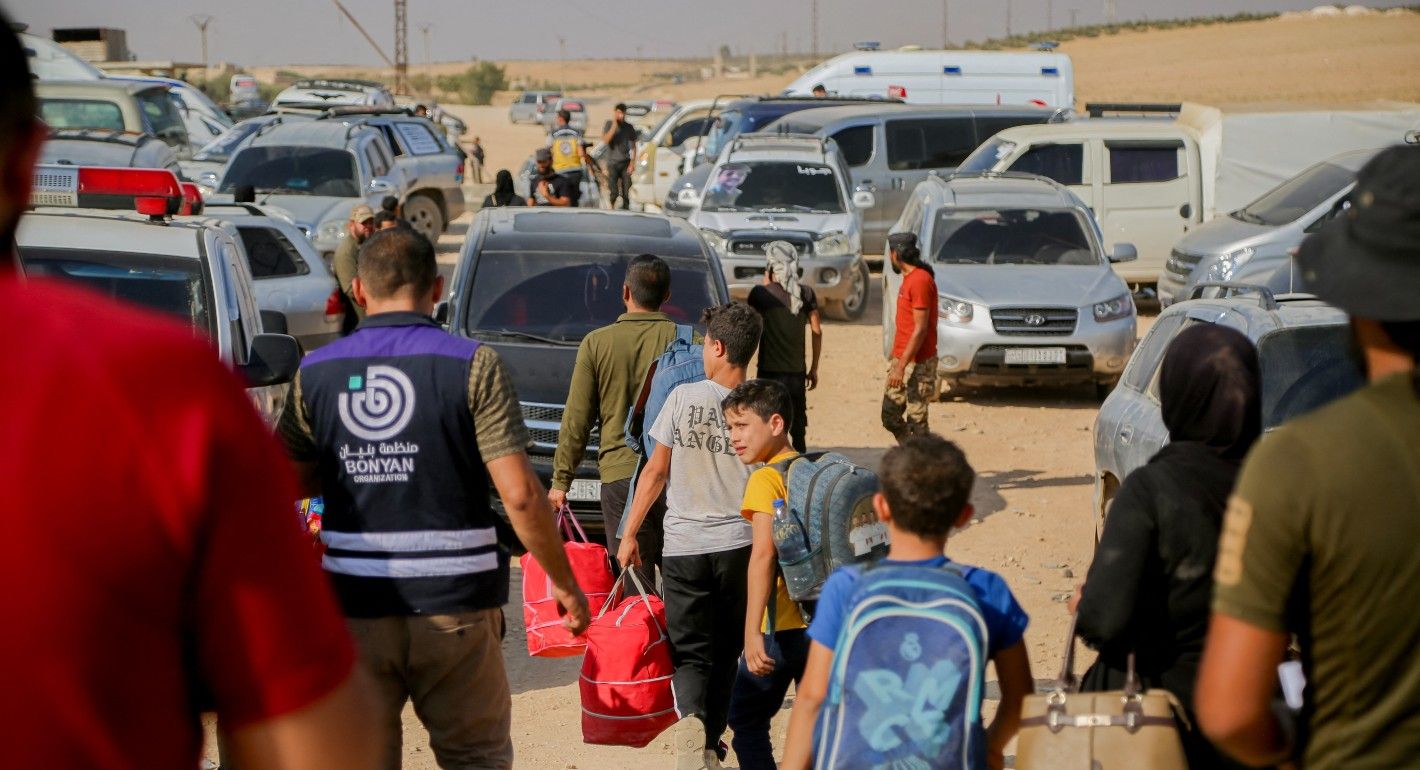
    Navigating Danger: Syrian Refugees in Lebanon Risk Returning

    A humanitarian crisis in Lebanon deepens, and Syrian refugees face a perilous choice: remain in a war-torn environment or return to Syria where they risk encountering significant dangers and discrimination. There are significant challenges and risks to their search for safety in Syria.

      Haid Haid
  • Commentary
    Diwan
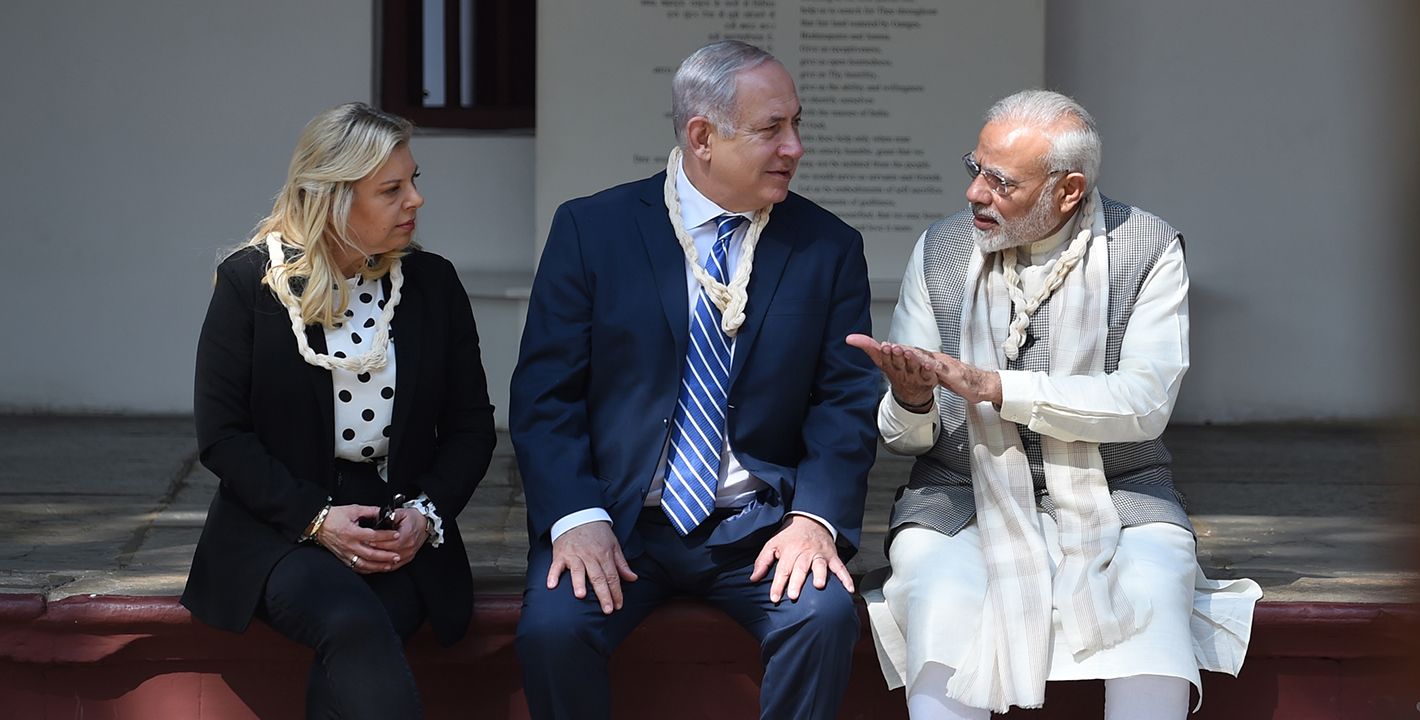
    Disquiet on the West Asian Front

    In an interview, Abhinav Pandya discusses the multiple facets of India’s ties with the Middle East.

      Armenak Tokmajyan

  • Paper
    Borders Without a Nation: Syria, Outside Powers, and Open-Ended Instability

    In Syria’s border regions, changes in demographics, economics, and security mean that an inter-Syrian peace process will require consensus among main regional powers that Syria must remain united, that no one side can be victorious, and that perennial instability threatens the region.

      Kheder Khaddour, Armenak Tokmajyan

  • Research
    The Military and Private Business Actors in the Global South: The Politics of Market Access

    The interaction of national armed forces and private business sectors offers a useful lens for viewing the politics of numerous countries of the so-called Global South. A rising trend of military political activism—often accompanied by military commercial activity—underlines the importance of drivers and outcomes in these relationships.

      Yezid Sayigh, Hamza Meddeb

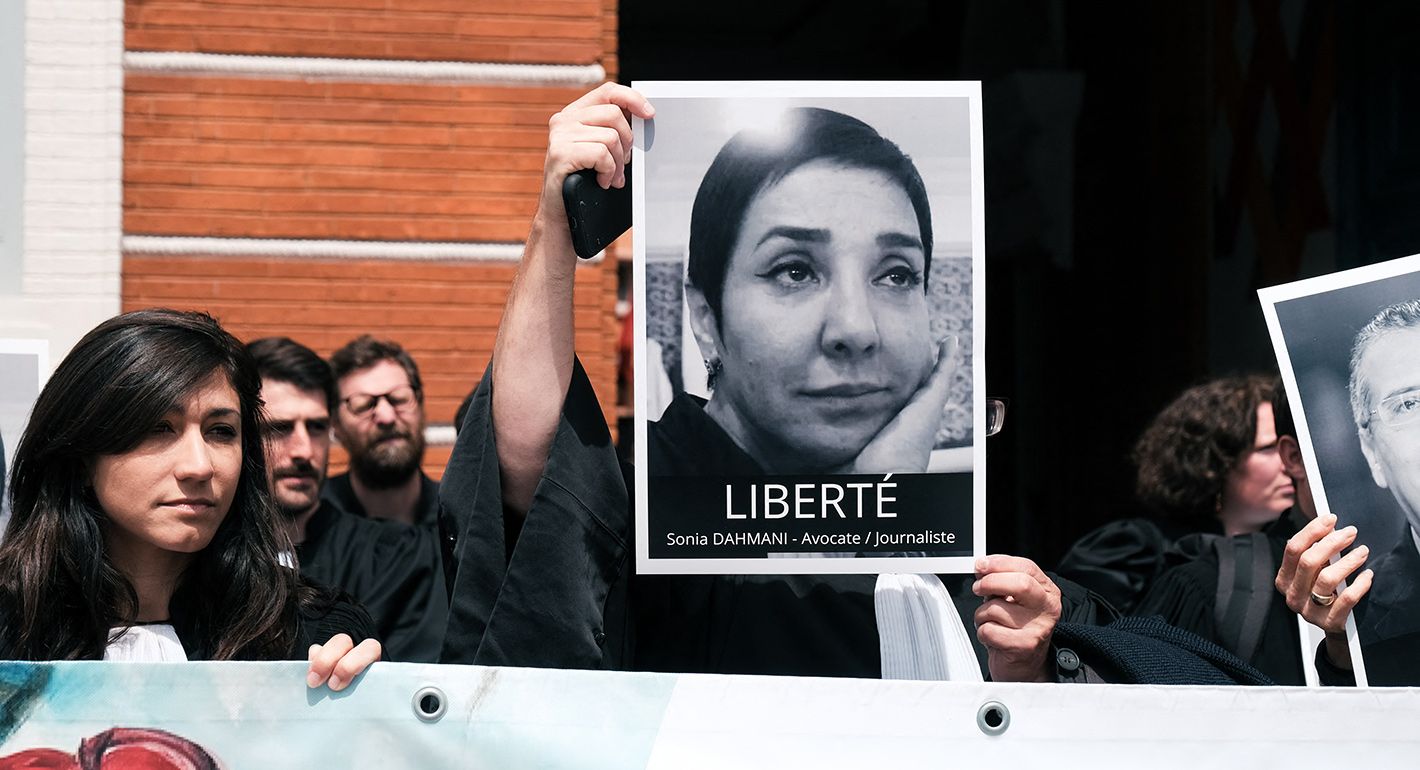
  • Rally organized by lawyers from the Toulouse Bar to protest against the arrest of their Tunisian colleague Sonia Dahmani and journalists, in front of the consulate in Toulouse, southwest of France, on May 16, 2024
    Commentary
    Diwan
    Why Tunisia Lost Faith in Democracy

    For many in the society, the post-Ben Ali years were mainly about successive economic crises and political instability.

      Jasmine Khelil

Get more news and analysis from
Malcolm H. Kerr Carnegie Middle East Center
Carnegie Middle East logo, white
  • Research
  • Diwan
  • About
  • Experts
  • Projects
  • Events
  • Contact
  • Careers
  • Privacy
  • For Media
Get more news and analysis from
Malcolm H. Kerr Carnegie Middle East Center
© 2026 Carnegie Endowment for International Peace. All rights reserved.