

Commentary
Yukon Huang, Isaac B. Kardon, Matt Sheehan
{
  "authors": [
    "Yukon Huang"
  ],
  "type": "legacyinthemedia",
  "centerAffiliationAll": "dc",
  "centers": [
    "Carnegie Endowment for International Peace"
  ],
  "collections": [],
  "englishNewsletterAll": "asia",
  "nonEnglishNewsletterAll": "",
  "primaryCenter": "Carnegie Endowment for International Peace",
  "programAffiliation": "AP",
  "programs": [
    "Asia"
  ],
  "projects": [],
  "regions": [
    "East Asia",
    "China"
  ],
  "topics": [
    "Economy"
  ]
}
Source: Getty
Contrary to popular belief, banks aren’t the source of China’s major economic headaches. They’re merely the accommodators. The real culprit is the current fiscal system.
Source: Wall Street Journal
Contrary to popular belief, banks aren’t the source of China’s major economic headaches. They’re merely the accommodators. The real culprit is the current fiscal system.
Consider the debt issue first. Beijing’s fiscal policies limit local governments’ share of tax revenues to about 45%, even as local governments account for 85% of state expenditures (up from 65% around 2000). This has forced local governments to fund their social and infrastructure spending via off-budget financing, typically from land sales and shadow banking. The result is bank lending for expenditures that don’t generate commercial returns and should have been funded all along out of the state budget. Such debt piles up and is eventually written off with other nonperforming loans.
Then there’s the country’s slowing growth. The problem isn’t a lack of productive capacity to grow at 7% a year. It’s that a 7% rate is unsustainable due to inadequate demand.China can no longer rely on exports given Europe’s continued malaise and America’s relatively import-weak recovery. Chinese investment rates meanwhile will decline given lower returns and the need to deleverage. Household consumption won’t greatly increase because growth—having been exceptionally high for a decade—will decline as wage increases slow. To date, Beijing is pursuing selective stimulus policies that only heighten the ultimate need for deleveraging.
So how can China deal with its debt issue while also finding the demand to make up for weaker external markets and lackluster growth in investment and personal consumption? The answer lies in restructuring the current fiscal system—and it appears a plan is already in the works.
China’s budget is unusual in its limited size and in how it misaligns revenues and expenditures between the central government and the provinces. The total budget is only 28% of gross domestic product (compared with 40% to 45% for the major OECD economies and more than 35% for upper middle-income countries).
In June, Beijing promised to complete a detailed framework for a major fiscal overhaul within two years. The package aims to reduce local budget shortfalls by expanding the value-added tax (to include services) and instituting new taxes on natural resources and property. It also calls for restructuring local government debts (often into long-term bonds) and eliminating loans backed by land. By introducing multiyear budgeting, the new approach could reduce incentives for collecting off-budget revenue to meet short-term fiscal targets. Local officials will be assessed partly on how they manage their debts.
A restructured fiscal system will relieve the pressure on commercial and shadow banks to fund infrastructure projects. More important, it will enable a more balanced structure of aggregate demand by reducing reliance on debt-fueled investments by state-owned enterprises and increasing the role of state budgetary expenditures.
This may sound sacrilegious to anyone who believes that only private-sector dynamism can cure economic ills, but China’s state is unusually parsimonious in its social expenditures and has plenty of room to grow. As noted in the World Bank’s “China 2030” report, Chinese social spending and transfers as a share of GDP are roughly half those of comparable middle-income economies and a third those of OECD countries. With a stronger revenue base and a clearer mandate to fund social services, government consumption could increase to around 18% of GDP by the end of the decade from 13% today. That would offset significant investment declines and provide the demand needed for 7% growth over the decade to come.
A byproduct of major fiscal reform would be greater public scrutiny of central and local budgets, as citizens would expect rising state expenditures to directly improve their living standards. This would create pressures for more meaningful participation of citizens in the National People’s Congress and provincial assemblies, paving the way for more democratic decision making.
Commentary outside China has largely ignored Beijing’s ambitious fiscal agenda, instead obsessing over small changes in interest and exchange rates. But given the current system, financial liberalization will be less effective than fiscal reform in altering the behavior of economic and political actors.
Success, however, is far from assured. Some reforms already announced may be blocked by vested interests. More work on both strategy and tactics is needed before we can be confident that China has found the path to sustainable high-speed growth.

Senior Fellow, Asia Program
Huang is a senior fellow in the Carnegie Asia Program where his research focuses on China’s economy and its regional and global impact.
Recent Work


Yukon Huang, Isaac B. Kardon, Matt Sheehan
Yukon Huang, Genevieve Slosberg

In an interview, Ishac Diwan looks at the merits and flaws in the draft legislation distributing losses from the financial collapse.

Michael Young
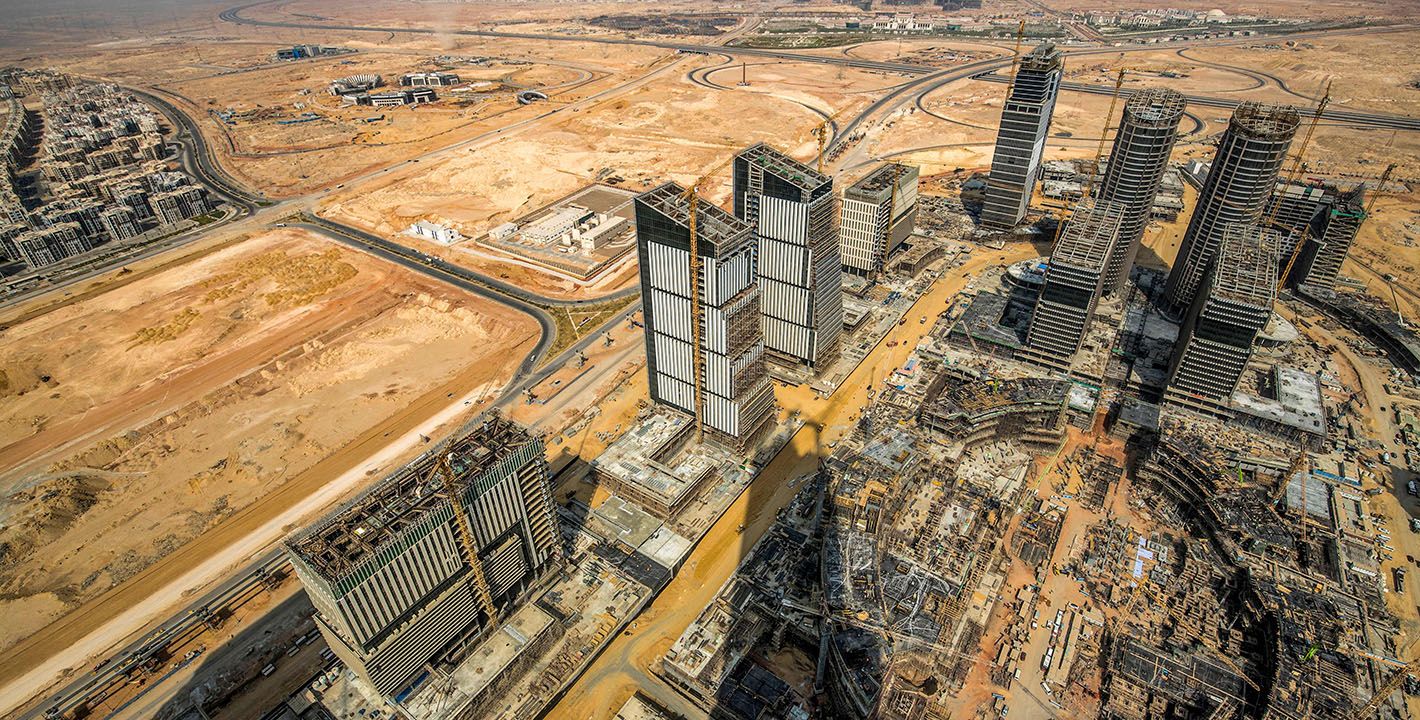
Mustaqbal Misr has expanded its portfolio with remarkable speed, but a lack of transparency remains.

Yezid Sayigh

Arab diaspora business communities in Egypt often mirror the same systemic challenges facing Egyptian businesses.

Nur Arafeh, Yezid Sayigh, Qaboul al-Absi, …

Largely characterized thus far by a single-minded focus on extractivism, Riyadh must commit to greater equitability in its approach to investment and development deals with Sudan, Ethiopia, and Eritrea.

Hesham Alghannam

Once Israel’s war in the territory is brought to an end, the foundational principles guiding reconstruction should be Palestinian self-determination, local agency, and sovereignty.
Nur Arafeh, Mandy Turner