

Commentary
Sarah Chayes
{
  "authors": [
    "Sarah Chayes"
  ],
  "type": "legacyinthemedia",
  "centerAffiliationAll": "dc",
  "centers": [
    "Carnegie Endowment for International Peace"
  ],
  "collections": [
    "Anti-Corruption"
  ],
  "englishNewsletterAll": "democracy",
  "nonEnglishNewsletterAll": "",
  "primaryCenter": "Carnegie Endowment for International Peace",
  "programAffiliation": "DCG",
  "programs": [
    "Democracy, Conflict, and Governance"
  ],
  "projects": [],
  "regions": [
    "North America",
    "United States",
    "Middle East",
    "Iraq",
    "Syria",
    "South Asia",
    "Afghanistan",
    "Gulf",
    "Levant"
  ],
  "topics": [
    "Political Reform",
    "Security",
    "Democracy"
  ]
}
Source: Getty
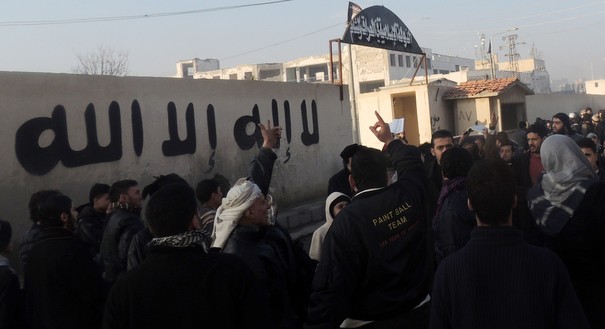
Systemic corruption is a great destabilizing force in governments around the world.
Source: WNYC Leonard Lopate Show
In Thieves of State: Why Corruption Threatens Global Security, Sarah Chayes argues that since the late 1990s, corruption has reached such an extent that some governments resemble glorified criminal gangs, bent solely on their own enrichment.
This interview was originally broadcast on WNYC's Leonard Lopate Show.
Former Senior Fellow, Democracy, Conflict, and Governance Program
Sarah Chayes is internationally recognized for her innovative thinking on corruption and its implications. Her work explores how severe corruption can help prompt such crises as terrorism, revolutions and their violent aftermaths, and environmental degradation.
Recent Work
Sarah Chayes
Carnegie does not take institutional positions on public policy issues; the views represented herein are those of the author(s) and do not necessarily reflect the views of Carnegie, its staff, or its trustees.

The accord represents a pivotal moment in the region to avert a security vacuum in the Gulf.


Azeema Cheema, Mohanad Hage Ali

In an interview, Jason Burke discusses his sweeping account of the “revolutionists” who so shaped the 1970s and early 1980s.

Michael Young
In an interview, Sohaib Jawhar analyzes the profound changes in the ties between the neighboring countries.
Michael Young

By failing to address Palestinian representation, the current process is bound to lead to just another temporary arrangement.

Nathan J. Brown

Morocco and Algeria, each in its own way, are having to navigate the global economic fallout of the U.S.-Israeli military campaign against Iran.

Yasmine Zarhloule