

Commentary
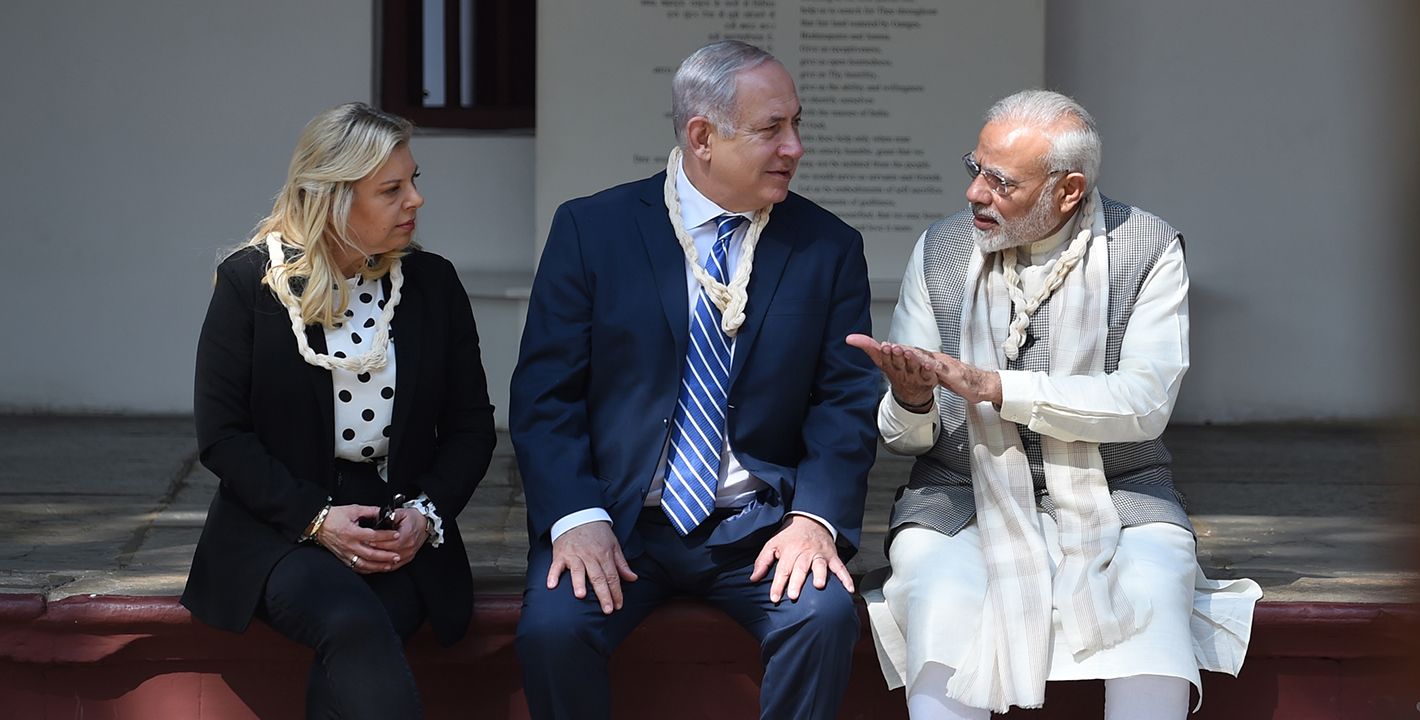
In an interview, Abhinav Pandya discusses the multiple facets of India’s ties with the Middle East.
Armenak Tokmajyan
{
  "authors": [
    "Ashley J. Tellis",
    "Julie McCarthy"
  ],
  "type": "legacyinthemedia",
  "centerAffiliationAll": "dc",
  "centers": [
    "Carnegie Endowment for International Peace"
  ],
  "collections": [],
  "englishNewsletterAll": "ctw",
  "nonEnglishNewsletterAll": "",
  "primaryCenter": "Carnegie Endowment for International Peace",
  "programAffiliation": "SAP",
  "programs": [
    "South Asia"
  ],
  "projects": [],
  "regions": [
    "South Asia",
    "India"
  ],
  "topics": []
}
Source: Getty
Narendra Modi aims to deepen India’s strategic footprint. Meanwhile, China has been investing in the islands, raising concern in New Delhi that India is being challenged in its own backyard.
Source: NPR
RENEE MONTAGNE, HOST: The prime minister of India is in Sri Lanka today. It's the first time an Indian head of state has been to its island neighbor in decades. And it's all meant to push back against China. From the Sri Lankan capital Colombo, NPR's Julie McCarthy has this report on why that matters.
JULIE MCCARTHY, BYLINE: Narendra Modi perceives India's periphery as the key to the country's security. Shoring up alliances, he took his charm offensive south this week to the Indian Ocean, where retired Commodore Ranjit Rai, a former head of naval intelligence and operations, says the prime minister is in the hunt for new defense and economic tie-ups with the island states.RANJIT RAI: We want to train them, we want friendship with them and we begin to have a pro-India attitude. And the businessmen would like to do trade.
MCCARTHY: Modi's outreach is a bid to reaffirm India's preeminence in the Indian Ocean at a time when China has been lavishly investing in the region.
ASHLEY TELLIS: That's exactly what it is. This is India making a comeback.
MCCARTHY: That's Ashley Tellis of the Carnegie Endowment for International Peace.
TELLIS: And making a comeback not simply in strategic terms, but in economic terms as well. Now, obviously, India does not have deep pockets of the kind that the Chinese do. But, you know, from a Sri Lankan point of view, it's not in their interest to be entirely in bed with the Chinese either.
MCCARTHY: China's concerted effort to increase access to ports and airfields is visible from the Maldives to the Sri Lankan coast. Chinese banks have lent an estimated 5 and a half billion dollars for Sri Lanka's roads, airports and power plants.
(SOUNDBITE OF WAVES CRASHING)
MCCARTHY: Then there's the $1.5 billion Chinese-backed property development that sprawls along the shoreline of the Sri Lankan capital Colombo, its hulking beams outlining the casinos and high-rise hotels yet to come in the now-stalled venture. The project has been suspended, but not stopped as the Sri Lankan government reviews its foreign policy options. Sri Lankan government spokesman Rajitha Senaratna says the Chinese waterfront project is halted for an environmental assessment. But Senaratna hastens to add the Chinese loans are favorable for developing countries like his.
RAJITHA SENARATNA: China - it's very quick and no conditions. That's why most of the countries - they go to China.
MCCARTHY: The new government elected in January appears to be alive to the sensitivities China's presence raises, including the docking last year of Chinese submarines. Spokesman Senaratna says the old government had gravitated too much towards China. But Colombo-based economist Rohan Samarajiva expects Sri Lanka's government will quietly lift the suspension on the Chinese casino project. And he advises India to get a glitzy project of its own.
ROHAN SAMARAJIVA: Do something that people can talk about. But they don't do glitzy. They're nice, practical people. You know, they try to look good, not glitzy.
MCCARTHY: As the new government of tiny Sri Lanka attempts to rebalance its foreign policy, it takes pains not to antagonize either of the two giants of Asia. This week, the island nation hosts India's Narendra Modi. In two weeks, Sri Lanka's president leads a delegation to China. Julie McCarthy, NPR News, Colombo.
Former Senior Fellow
Ashley J. Tellis was a senior fellow at the Carnegie Endowment for International Peace.
Julie McCarthy
NPR
Carnegie does not take institutional positions on public policy issues; the views represented herein are those of the author(s) and do not necessarily reflect the views of Carnegie, its staff, or its trustees.
In an interview, Abhinav Pandya discusses the multiple facets of India’s ties with the Middle East.

Armenak Tokmajyan
The interaction of national armed forces and private business sectors offers a useful lens for viewing the politics of numerous countries of the so-called Global South. A rising trend of military political activism—often accompanied by military commercial activity—underlines the importance of drivers and outcomes in these relationships.

Yezid Sayigh, Hamza Meddeb

The Gulf Cooperation Council has shifted its energy export focus to Asia, particularly India and China. This is part of a broader shift as GCC members look to expand their geopolitical alliances away from the West.
Alexandre Kateb
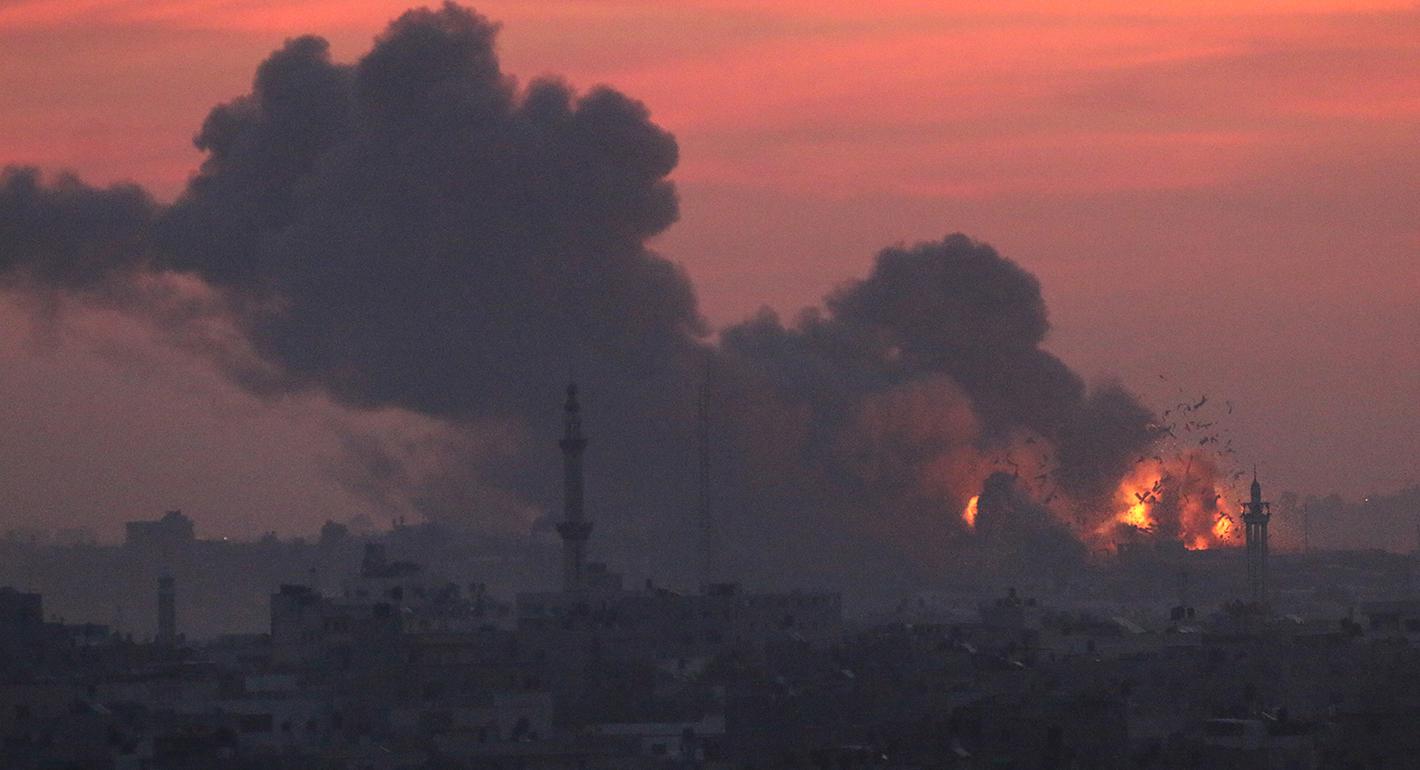
Scholars from Carnegie’s global network comment on how the ongoing conflict between Israelis and Palestinians is affecting their areas of interest, and what the implications of this may be.



Maha Yahya, Rosa Balfour, Judy Dempsey, …
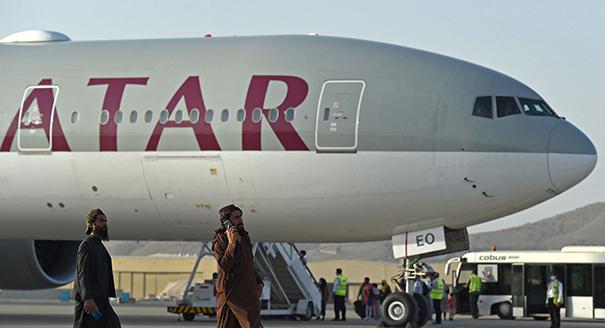
Turkey’s success in finding a role in Afghanistan could bring its leadership valuable benefits.

Marc Pierini