

Commentary
Sarah Chayes
{
  "authors": [
    "Sarah Chayes"
  ],
  "type": "legacyinthemedia",
  "centerAffiliationAll": "dc",
  "centers": [
    "Carnegie Endowment for International Peace"
  ],
  "collections": [
    "Anti-Corruption"
  ],
  "englishNewsletterAll": "democracy",
  "nonEnglishNewsletterAll": "",
  "primaryCenter": "Carnegie Endowment for International Peace",
  "programAffiliation": "DCG",
  "programs": [
    "Democracy, Conflict, and Governance"
  ],
  "projects": [],
  "regions": [
    "North America",
    "Middle East",
    "South Asia"
  ],
  "topics": [
    "Democracy"
  ]
}
Source: Getty
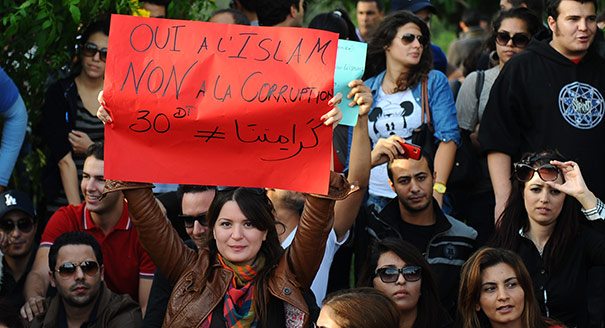
Militant extremist groups are rising from the wreckage of poor governance around the world.
Source: WAMU Interfaith Voices
Militant extremist groups are rising from the wreckage of poor governance around the world. Speaking on WAMU Interfaith Voices, Carnegie’s Sarah Chayes explained how acute governmental corruption and the rise of violent religious extremism are linked. After years of putting up with government officials who demand bribes, sex, and cash for routine business, she said many citizens of the Middle East have turned to the moralistic “God’s law” offered by groups like the Islamic State.
This interview was originally broadcast on WAMU Interfaith Voices.
Former Senior Fellow, Democracy, Conflict, and Governance Program
Sarah Chayes is internationally recognized for her innovative thinking on corruption and its implications. Her work explores how severe corruption can help prompt such crises as terrorism, revolutions and their violent aftermaths, and environmental degradation.
Recent Work
Sarah Chayes
Carnegie does not take institutional positions on public policy issues; the views represented herein are those of the author(s) and do not necessarily reflect the views of Carnegie, its staff, or its trustees.

The global hydrocarbon order is changing. Economic diversification and developing productive economies have become essential for Middle Eastern and North African states, requiring them to address social and political challenges and rethink domestic, regional, and global settlements.
Nur Arafeh, Ishac Diwan, Hamza Meddeb, …
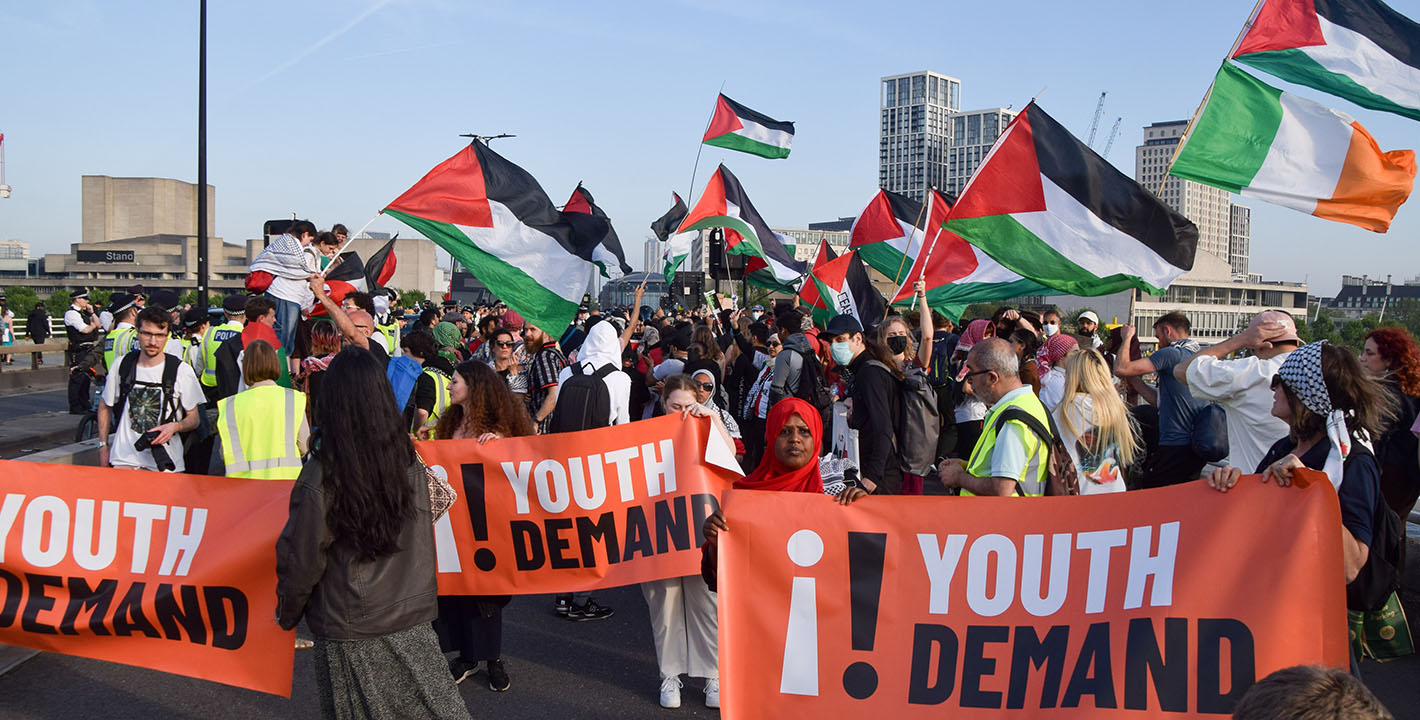
In an interview, Mayssoun Sukarieh discusses youths in the region, and how they are being defined and reshaped.
Yasmine Zarhloule
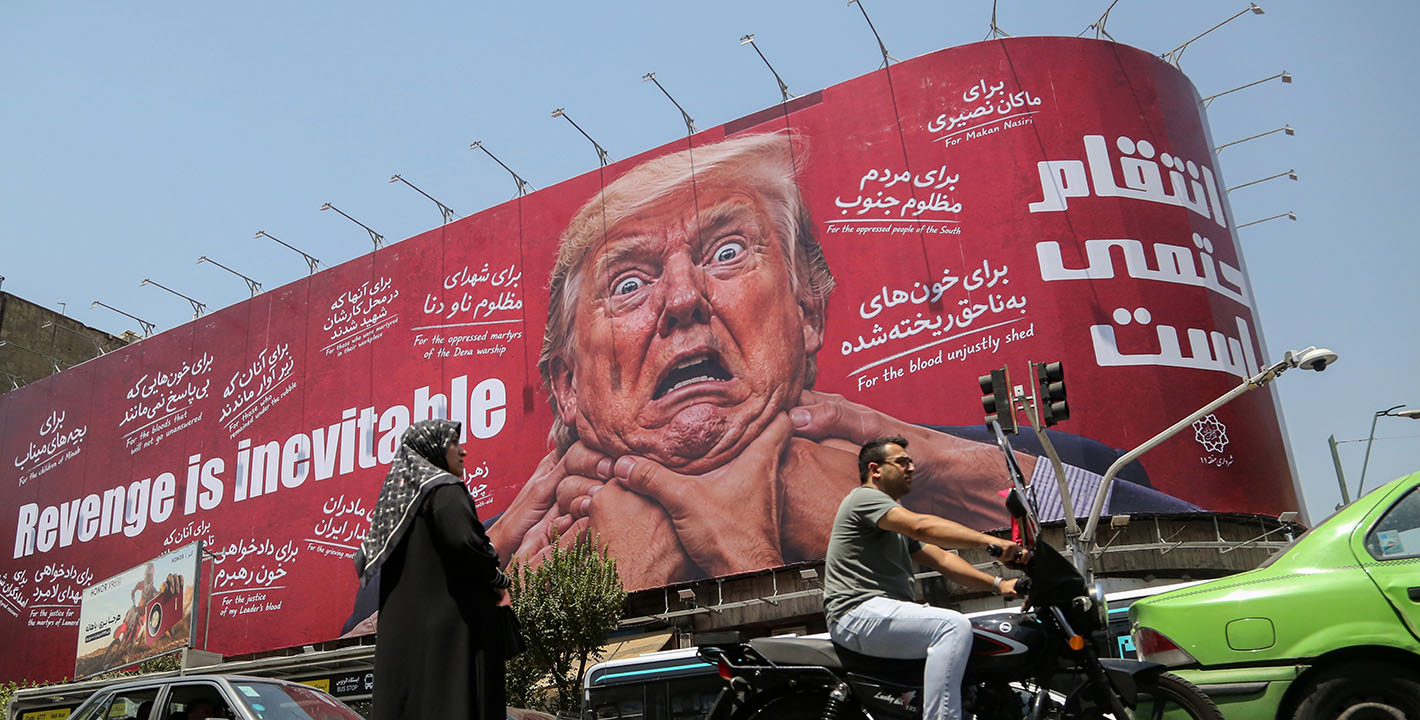
As the U.S. stumbles in its war with Iran, we are likely to see an acceleration of its disengagement from the region.
Michael Young
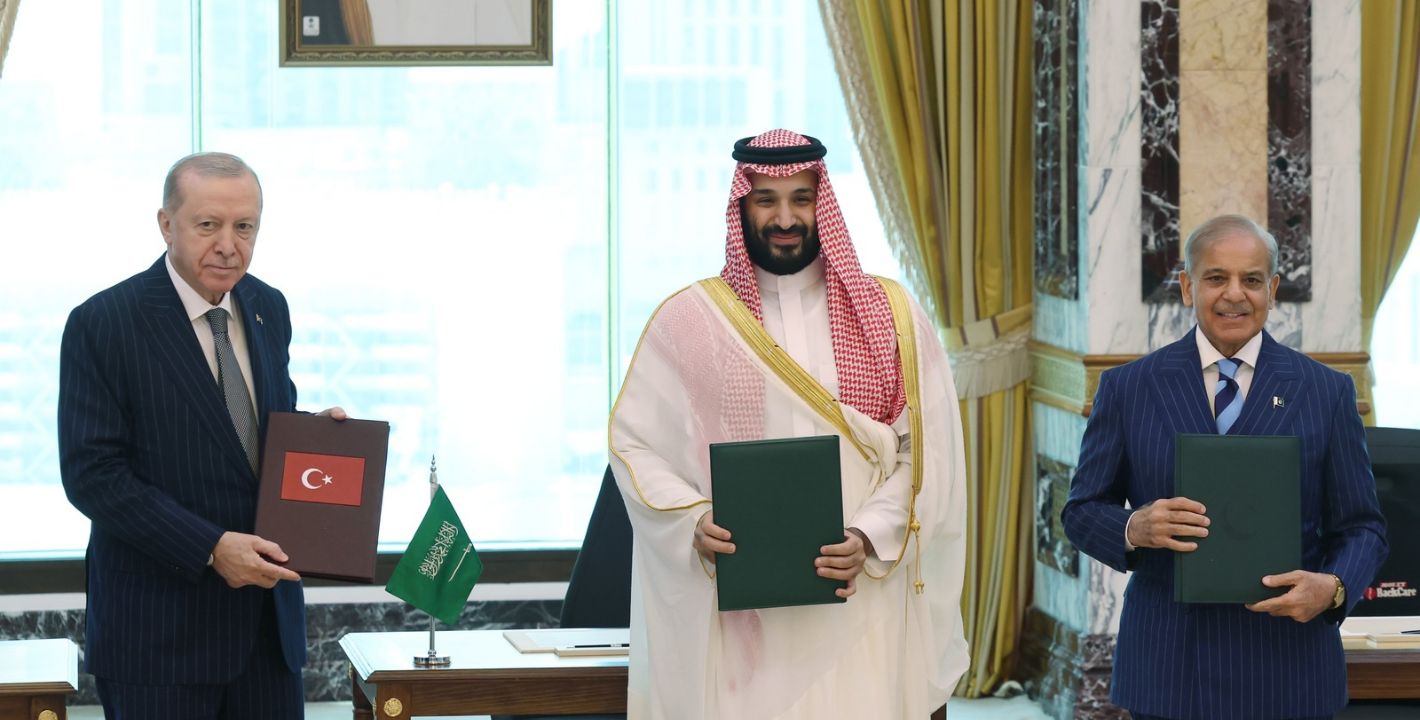
The accord represents a pivotal moment in the region to avert a security vacuum in the Gulf.
Azeema Cheema, Mohanad Hage Ali
In an interview, Jason Burke discusses his sweeping account of the “revolutionists” who so shaped the 1970s and early 1980s.
Michael Young