

Commentary
As the U.S. stumbles in its war with Iran, we are likely to see an acceleration of its disengagement from the region.
Michael Young
{
  "authors": [
    "George Perkovich",
    "Sinan Ülgen"
  ],
  "type": "legacyinthemedia",
  "centerAffiliationAll": "dc",
  "centers": [
    "Carnegie Endowment for International Peace",
    "Carnegie Europe",
    "Malcolm H. Kerr Carnegie Middle East Center",
    "Carnegie Russia Eurasia Center"
  ],
  "collections": [
    "Turkey’s Transformation"
  ],
  "englishNewsletterAll": "ctw",
  "nonEnglishNewsletterAll": "",
  "primaryCenter": "Carnegie Endowment for International Peace",
  "programAffiliation": "NPP",
  "programs": [
    "Nuclear Policy",
    "Europe"
  ],
  "projects": [],
  "regions": [
    "Türkiye",
    "Europe",
    "Iran"
  ],
  "topics": [
    "Political Reform",
    "Security",
    "Nuclear Policy",
    "Nuclear Energy"
  ]
}
Source: Getty
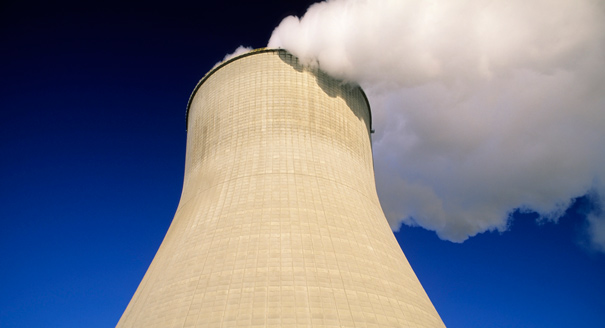
Economic interests, combined with national security considerations, give Turkey an incentive not to seek nuclear weapons.
Source: Project Syndicate
ISTANBUL – According to conventional wisdom, if Iran develops nuclear weapons, then Saudi Arabia, Turkey, and perhaps Egypt will try to follow suit. Israeli Prime Minister Binyamin Netanyahu went further when he addressed the United States Congress in early March, asserting that even allowing Iran a uranium-enrichment program would “spark a nuclear arms race in the most dangerous part of the planet.”
Each of these potential nuclear dominoes should be analyzed separately and carefully. And, as far as Turkey is concerned, the conventional wisdom seems to be largely wrong.Turkey does have a nascent nuclear energy program. After decades of false starts, the Turkish government signed a contract with Russia in 2010 for the construction and operation of the country’s first nuclear power plant. The project, located on Turkey’s Mediterranean coast, is now under construction.
The Turkish government’s effort to secure other international suppliers has been complicated by the fact that the terms offered by Russia are significantly more generous than those proposed by its competitors. Still, Turkey is in negotiations with a Franco-Japanese consortium for the construction of a second nuclear power plant on the Black Sea.
Turkey has valid economic arguments for developing the capacity to produce nuclear energy. Primary energy imports comprise almost half of Turkey’s chronic current-account deficit, because the country imports more than 90% of its oil and natural gas. Moreover, unlike in Europe, Turkey’s electricity demand continues to grow at 5-6% per year. Turkish policymakers see nuclear power as an almost indispensable tool for enhancing energy security and reducing the import bill.
These economic interests, combined with national-security considerations, give Turkey an incentive not to seek nuclear weapons. As a signatory to the Nuclear Non-Proliferation Treaty, Turkey is prohibited from developing military applications of the technology. If it were perceived to be breaking this commitment, other states, including those that would otherwise contribute to its nuclear energy program, would turn against it and jeopardize its ability to meet growing demand at an affordable cost. This, in turn, would undermine the economic growth that has been central to sustaining the government’s popular support over the past two decades.Moreover, Turkey is a member of NATO and thus benefits from the security guarantee that the alliance provides, including its nuclear umbrella. Indeed, the US has based nuclear weapons in Turkey for decades. More recently, NATO and the US have deployed ballistic missile defenses in the country. If the Turkish government sought to acquire its own nuclear weapons, it would jeopardize these security guarantees and turn NATO against it.
In any case, Turkey lacks the know-how and technical infrastructure to produce a nuclear weapon quickly, and the country would need a long time – probably more than a decade – to develop this capacity. During this period, Turkey would face severe political, economic, and security pressures not only from the US and other NATO states, but also from Russia, Iran, and others.
Meanwhile, Turkey’s immediate security threats would be exacerbated. Nuclear weapons would do little to reduce the dangers posed by Syria’s violent disintegration, the rise of the Islamic State, and the unresolved challenge of Kurdish separatism. Turkey’s relations with Iran, which heretofore have been manageable, could become more prone to crisis.
All of these considerations point to the serious risks that seeking nuclear weapons would pose to Turkey’s security. These risks could in turn exacerbate internal discord in the country at a time when the ruling Justice and Development Party is struggling to retain popular support.
In these circumstances, it matters how the rest of the world portrays and talks about Turkey’s nuclear future. To assert that Turkey will naturally – perhaps inevitably – seek to acquire a nuclear arsenal ignores the important incentives the country has not to militarize its existing civilian energy program.
Glib talk of nuclear proliferation risks should not mislead Turks about their own interests. The rest of the world would be wiser instead to reaffirm the country’s efforts to pursue a purely peaceful nuclear energy program and to work within NATO to seek a resolution of the Iranian challenge.

Japan Chair for a World Without Nuclear Weapons, Senior Fellow
George Perkovich is the Japan Chair for a World Without Nuclear Weapons and a senior fellow in the Carnegie Endowment for International Peace’s Nuclear Policy Program. He works primarily on nuclear deterrence, nonproliferation, and disarmament issues.

Senior Fellow, Carnegie Europe
Sinan Ülgen is a senior fellow at Carnegie Europe in Brussels, where his research focuses on Turkish foreign policy, transatlantic relations, international trade, economic security, and digital policy.
Carnegie does not take institutional positions on public policy issues; the views represented herein are those of the author(s) and do not necessarily reflect the views of Carnegie, its staff, or its trustees.

As the U.S. stumbles in its war with Iran, we are likely to see an acceleration of its disengagement from the region.

Michael Young

Middle Eastern states should welcome an accelerated U.S. disengagement from their region.
Michael Young

In an interview, former ambassador Charles Freeman assesses the Trump administration’s war against Iran.
Michael Young

Morocco and Algeria, each in its own way, are having to navigate the global economic fallout of the U.S.-Israeli military campaign against Iran.

Yasmine Zarhloule
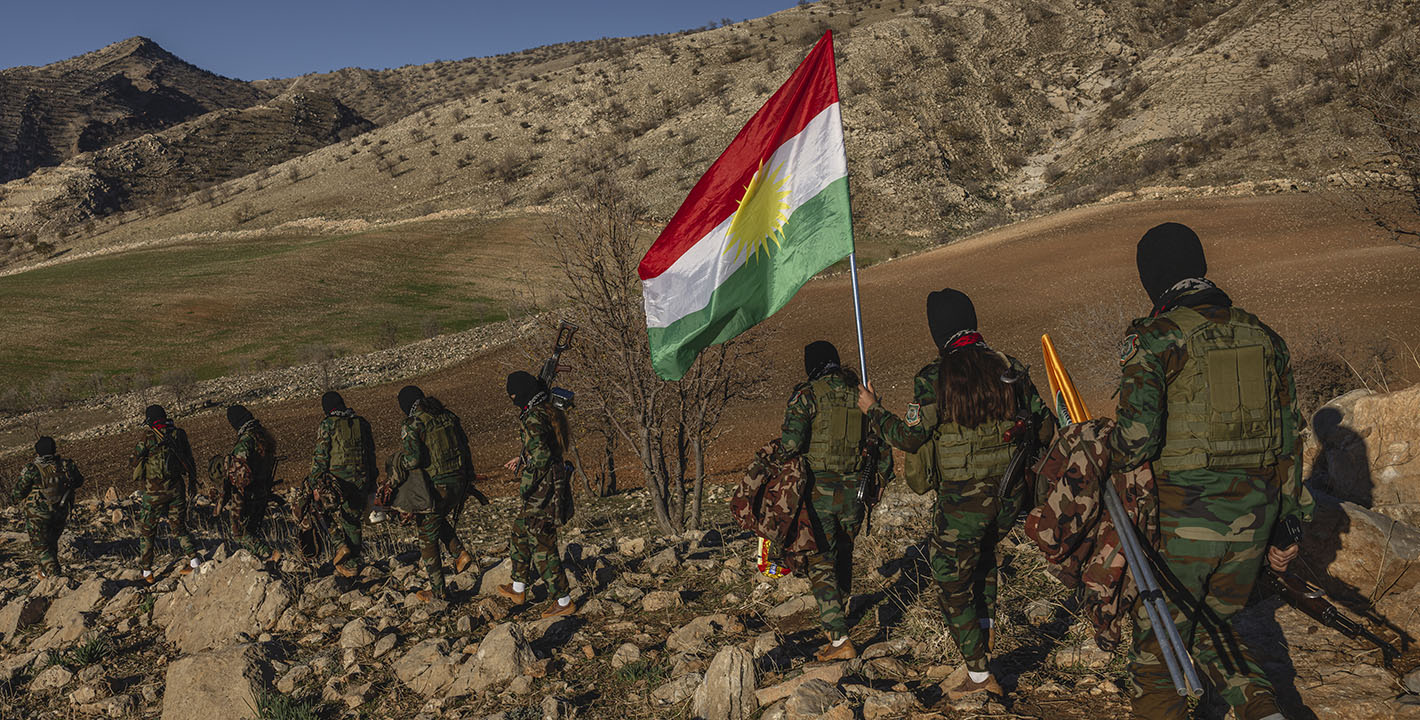
Following its deal with the United States, Iran may act against Iraq-based dissidents.
Wladimir van Wilgenburg