

Commentary
Pierre Vimont
{
  "authors": [
    "Pierre Vimont"
  ],
  "type": "legacyinthemedia",
  "centerAffiliationAll": "dc",
  "centers": [
    "Carnegie Endowment for International Peace",
    "Carnegie Europe"
  ],
  "collections": [
    "EU Integration and Enlargement"
  ],
  "englishNewsletterAll": "ctw",
  "nonEnglishNewsletterAll": "",
  "primaryCenter": "Carnegie Europe",
  "programAffiliation": "EP",
  "programs": [
    "Europe"
  ],
  "projects": [],
  "regions": [
    "Europe",
    "Western Europe",
    "Iran"
  ],
  "topics": [
    "EU",
    "Economy"
  ]
}
Source: Getty
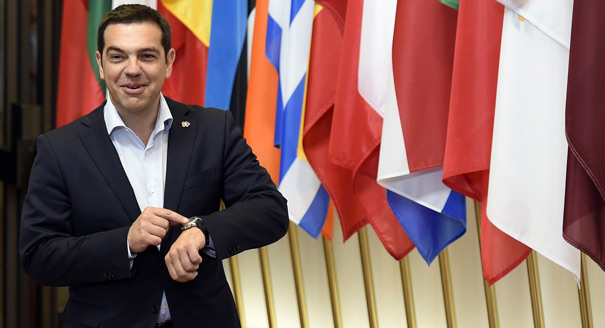
If EU leaders want to find a solution to the Greek crisis, they first need to rebuild trust and confidence.
Source: CNN
MANISHA TANK, CNN: Hello, Mr. Vimont. Hopefully, you can hear us. Excellent. Now the first thing I wanted to ask you about was, you know, we had just seen this image, Bank of Merkel, put on this, you know, basically some graffiti on the bank there in Athens. But what is interesting about that is it very much reflects frustration in Greece. But in Germany, what is Merkel up against, Chancellor Merkel up against when it comes to those who think she should just let -- accept some sort of a bailout deal on Greek terms?PIERRE VIMONT, CARNEGIE EUROPE: Well, you know, Chancellor Merkel is facing in Germany a domestic political situation that she has to take into account. She has a parliamentary majority that has strong reservation about Greek policies so far. And she has to find a difficult line between her parliamentary group that doesn't want to do anything anymore for Greece and a compromise that could be found out among leaders tonight in Brussels. This is the very difficult line -- very fine line that she has to find out.
TANK: Staying with the politics of matters, of course there will be this meeting of these euro group leaders. Alex Tsipras will go there with possible proposals, although no one seems particularly hopeful yet that there will be any finalization of any deal any time soon. What can we expect from that meeting? And what do you think the mood will be like?
VIMONT: I think what we can expect from the meeting is at least a very solid, a substantial discussion among the leaders now that we have had this referendum in Greece, the situation is very clear. (inaudible) the political leaders tonight in Brussels gave very clear political guidelines to the finance ministers and we try to find a way out of this crisis, or we can fall down even further.
So, I think the heads of state and governments as they're coming this evening in Brussels are ready to listen to what Prime Minister Tsipras will tell them what is the kind of proposals he's ready to put on the table for short-term measures and also for long-term measures. And I think more than anything else what we need tonight is to rebuild some trust and some confidence between all these leaders, because this trust and this confidence has been somewhat eroded by different weeks, long weeks of negotiation, and the referendum that has taken place and that has taken a lot of people by surprise.
So, I think this is really what it's all about. And I don't expect a final agreement. We all know this will go on and there are much more decisions to be taken. But at least something that would look like rebuilding some kind of trust on all the leaders, and all together trying to find the political path to bring us back from the brink of disaster and start really discussing possible solutions.
TANK: OK. Well, great to finish that with a positive comment. Hopefully there will be solutions. We have to leave it there for now, though, and thank you so much for making sure that our line to you was open. Pierre Vimont there of Carnegie Europe.

Senior Fellow, Carnegie Europe
Pierre Vimont is a senior fellow at Carnegie Europe. His research focuses on the European Neighborhood Policy, transatlantic relations, and French foreign policy.
Recent Work
Pierre Vimont
Pierre Vimont
Carnegie does not take institutional positions on public policy issues; the views represented herein are those of the author(s) and do not necessarily reflect the views of Carnegie, its staff, or its trustees.

Middle Eastern states should welcome an accelerated U.S. disengagement from their region.

Michael Young

In an interview, former ambassador Charles Freeman assesses the Trump administration’s war against Iran.
Michael Young

The armed forces champion a form of capitalism that is generating revenue, but its reliance on rent faces diminishing returns, leaving the country with massive sunk costs and deferred returns, deepening dependency on external borrowing.

Yezid Sayigh

Morocco and Algeria, each in its own way, are having to navigate the global economic fallout of the U.S.-Israeli military campaign against Iran.

Yasmine Zarhloule
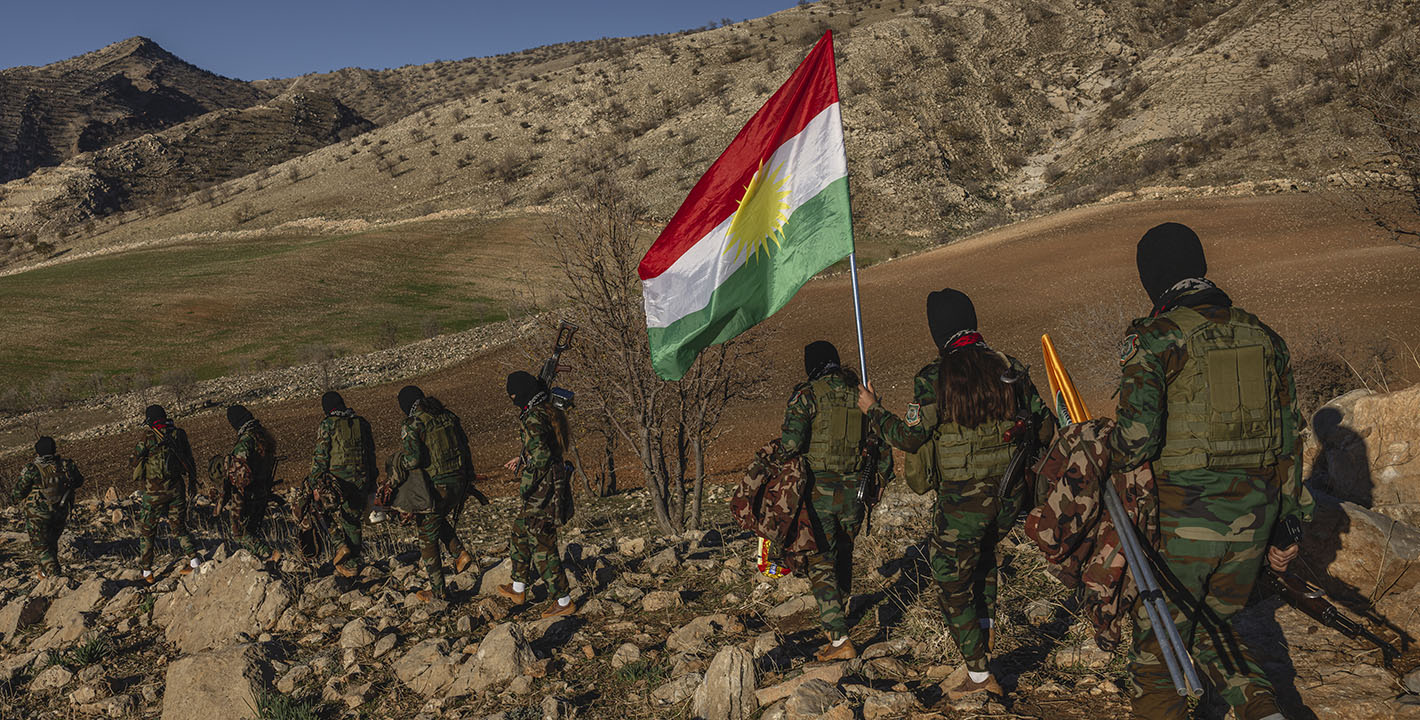
Following its deal with the United States, Iran may act against Iraq-based dissidents.
Wladimir van Wilgenburg