

Commentary
Yukon Huang, Isaac B. Kardon, Matt Sheehan
{
  "authors": [
    "Yukon Huang"
  ],
  "type": "legacyinthemedia",
  "centerAffiliationAll": "dc",
  "centers": [
    "Carnegie Endowment for International Peace"
  ],
  "collections": [],
  "englishNewsletterAll": "asia",
  "nonEnglishNewsletterAll": "",
  "primaryCenter": "Carnegie Endowment for International Peace",
  "programAffiliation": "AP",
  "programs": [
    "Asia"
  ],
  "projects": [],
  "regions": [
    "East Asia",
    "China"
  ],
  "topics": [
    "Economy"
  ]
}
Source: Getty
In response to the slowing growth of China’s GDP, Beijing should make reforms that would spur more production.
Source: Wall Street Journal
As the growth of China’s economy continues to slow, many observers bemoan the fact there’s been little progress on rebalancing. These people insist China should move faster toward “consumption-driven” growth. If only consumption growth was stronger, they argue, the economic slowdown could be checked, even reversed.
Yet the logic behind this thinking is misleading. A country’s gross domestic product grows with increased investment and productivity, and to a lesser extent with growth in the labor force. Consumption doesn’t drive growth. It’s the result of growth.
Household consumption’s share of the Chinese economy, for instance, is around 35%—the lowest of any major economy. Yet over the past decade per-capita consumption in China has increased by about 8% to 9% in real terms after adjusting for inflation—multiples faster than any other developed economy and on average twice that of developing economies. But it’s also unlikely to increase much further. As economic growth moderates, it’s more likely to decline.What’s important, then, is the maximization of consumption’s growth over time, not its share of GDP in the near term.
Many analysts have attributed China’s unbalanced growth to distorted interest and exchange rates, which are seen as repressing consumption and encouraging excessive investment. But the decline in consumption’s share of GDP is actually the consequence of a broadly successful urban industrialization process.
The economist Arthur Lewis showed how the transfer of surplus workers from the agricultural sector to the modern industrial economy, complemented by rising investment, leads to rapid but unbalanced growth. The shift of workers from labor-intensive activities to more capital-intensive urban industrial activities increases the share of profits that accrue to firms and entrepreneurs. But this needn’t be at the expense of workers, as some have argued, since workers are earning and consuming multiples more than they used to. The country also benefits from higher productivity and rapid GDP growth.
China’s unbalanced growth also mirrors other East Asian economies that took a similar industrialization path decades ago. In Japan, South Korea and Taiwan, consumption’s share of GDP fell by 20 to 30 percentage points over several decades before bottoming out when these countries reached high income levels. The widening but temporary imbalances in these economies were associated with high growth rates, but this allowed them to escape the middle-income trap and eventually transition to a more balanced and mature economy.
Misinterpreting the reasons why China’s growth is unbalanced leads to the wrong policy prescriptions. Growth in consumption matters when the focus is on short-term deficiencies in demand. As investment has fallen sharply and global trade has stagnated, China—like every other country these days—has excess capacity. But this is a cyclical concern, not a matter of long-term growth.
Consumption as a share of GDP has in fact increased slightly over the past several years, as the pace of urbanization has slackened and the service sector, which is more labor intensive, has been growing faster than industry. Some of this shift is not to be cheered, because it’s partly the result of the growth slowdown. However, some of it is a desired shift in composition of activity.
The challenge now is to increase productivity through reforms so that moderately rapid growth and continued increases in personal consumption can be sustained. Whether consumption as a share of GDP rises or falls is incidental. It should not be seen as an objective in its own right.
Fortunately, there are growth-enhancing possibilities that—with the right reforms—China can take advantage of. A more efficient urbanization process is one such option. Current policies favor labor migration to the smaller cities while limiting migration to the largest cities. But it’s China’s larger cities that are more productive. A more market-driven urbanization strategy that facilitates their development would be more effective.
Another much-needed reform would make it easier for private investors to operate in important service sectors such as finance, health and telecommunications, since China’s barriers to entry into these industries are among the world’s most restrictive.
Such reforms would increase the returns on investment and make a more sustainable 7% GDP growth rate possible. That, in turn, would spur a rapid growth in consumption.
This article was originally published in the Wall Street Journal.

Senior Fellow, Asia Program
Huang is a senior fellow in the Carnegie Asia Program where his research focuses on China’s economy and its regional and global impact.
Recent Work


Yukon Huang, Isaac B. Kardon, Matt Sheehan
Yukon Huang, Genevieve Slosberg

In an interview, Ishac Diwan looks at the merits and flaws in the draft legislation distributing losses from the financial collapse.

Michael Young
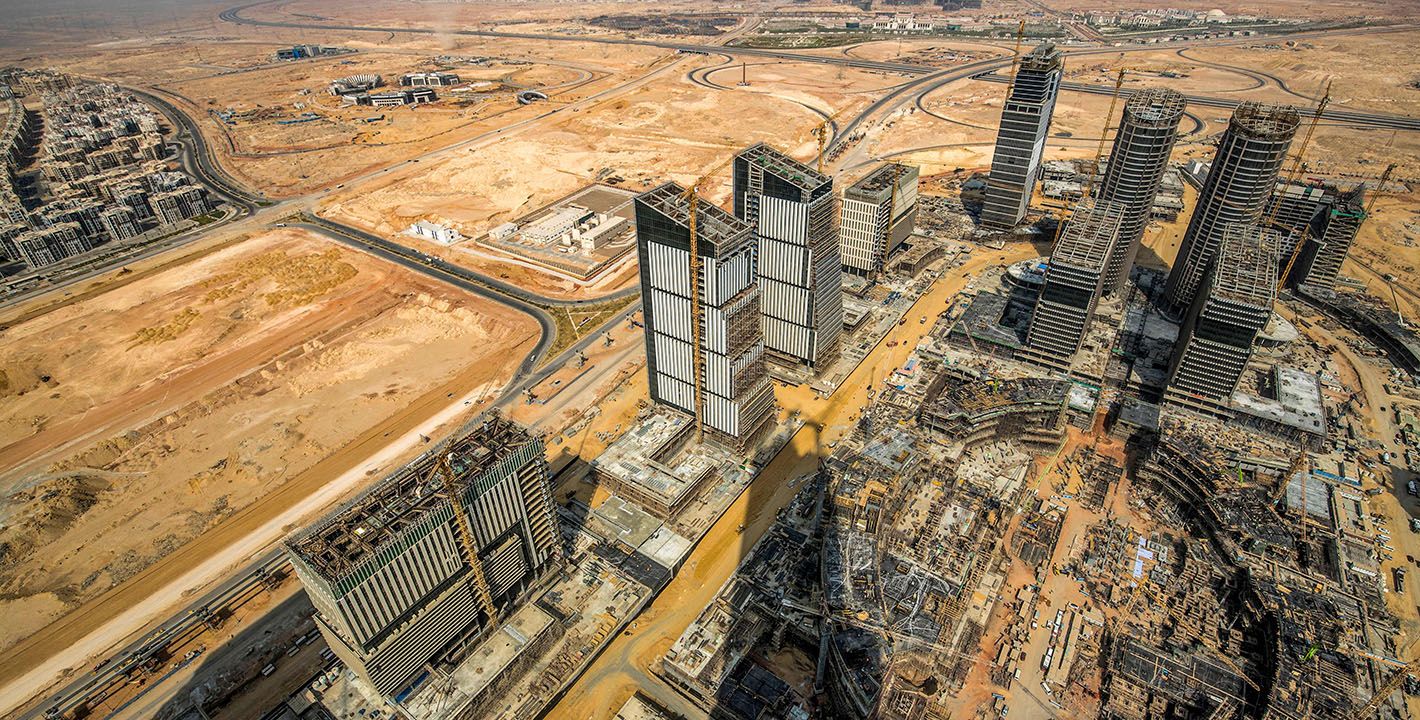
Mustaqbal Misr has expanded its portfolio with remarkable speed, but a lack of transparency remains.

Yezid Sayigh

Arab diaspora business communities in Egypt often mirror the same systemic challenges facing Egyptian businesses.

Nur Arafeh, Yezid Sayigh, Qaboul al-Absi, …

Largely characterized thus far by a single-minded focus on extractivism, Riyadh must commit to greater equitability in its approach to investment and development deals with Sudan, Ethiopia, and Eritrea.

Hesham Alghannam

Once Israel’s war in the territory is brought to an end, the foundational principles guiding reconstruction should be Palestinian self-determination, local agency, and sovereignty.
Nur Arafeh, Mandy Turner