

Commentary
Maha Yahya
{
  "authors": [
    "Maha Yahya"
  ],
  "type": "legacyinthemedia",
  "centerAffiliationAll": "dc",
  "centers": [
    "Carnegie Endowment for International Peace",
    "Malcolm H. Kerr Carnegie Middle East Center"
  ],
  "collections": [],
  "englishNewsletterAll": "menaTransitions",
  "nonEnglishNewsletterAll": "",
  "primaryCenter": "Malcolm H. Kerr Carnegie Middle East Center",
  "programAffiliation": "MEP",
  "programs": [
    "Middle East"
  ],
  "projects": [],
  "regions": [
    "Levant",
    "Syria",
    "Middle East"
  ],
  "topics": [
    "Security"
  ]
}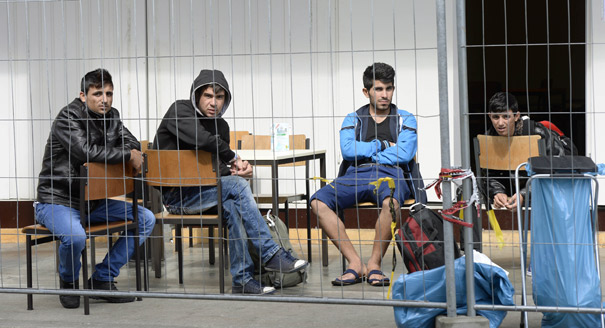
Source: Getty
Syria and the Middle East have been war-torn for the past four years, yet the European migrant crisis has only reached breaking point in recent months.
Source: ABC News
Syria and the Middle East have been war-torn for the past four years, yet the European migrant crisis has only reached breaking point in recent months.
Maha Yahya, a senior associate at the Carnegie Middle East Center, discusses why so many Syrians and others are choosing to make the leap into Europe now, after remaining in war-torn limbo for so long.

Director, Malcolm H. Kerr Carnegie Middle East Center
Maha Yahya is director of the Malcolm H. Kerr Carnegie Middle East Center, where her research focuses on citizenship, pluralism, and social justice in the aftermath of the Arab uprisings.
Recent Work
Maha Yahya
Maha Yahya
Carnegie does not take institutional positions on public policy issues; the views represented herein are those of the author(s) and do not necessarily reflect the views of Carnegie, its staff, or its trustees.
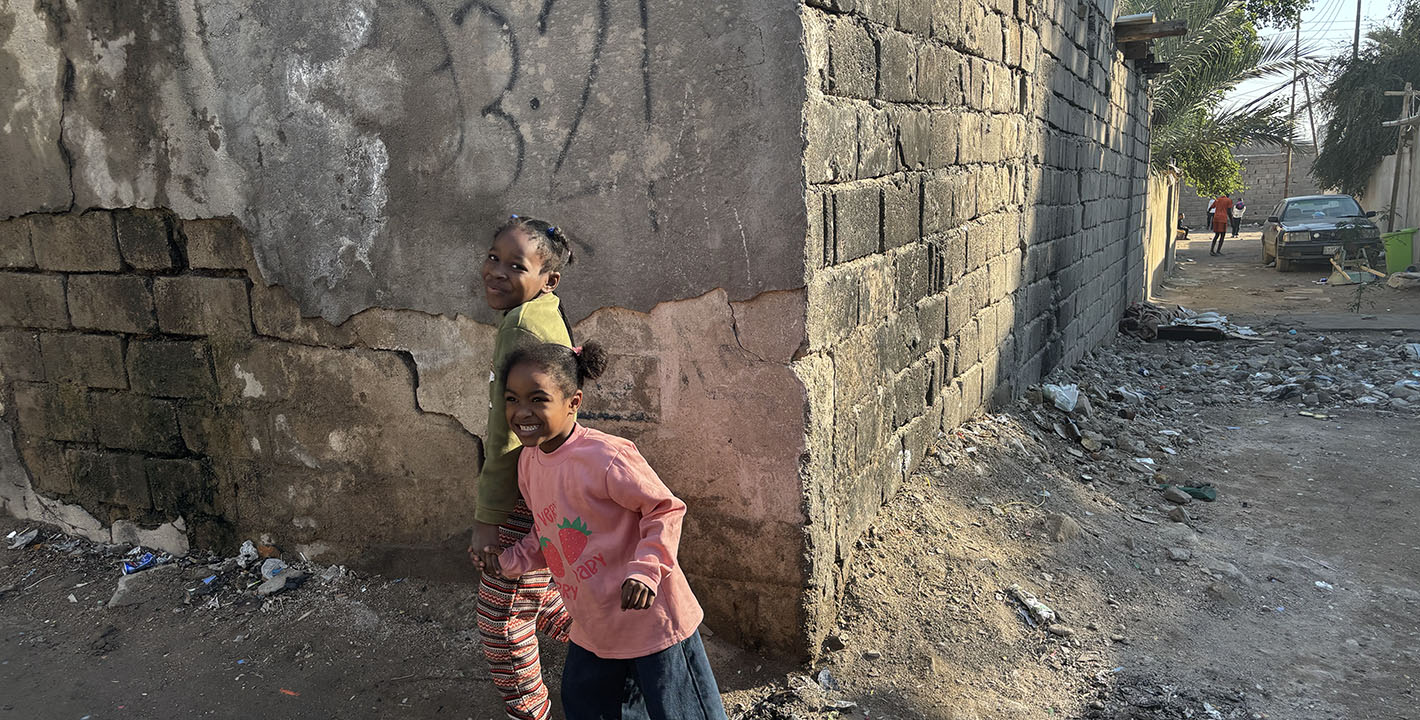
Afro-Iraqis experience political, economic, and social marginalization and discrimination, which exposes the poorest members of the community to the harsh realities of the region’s climate disaster.
Zeinab Shuker
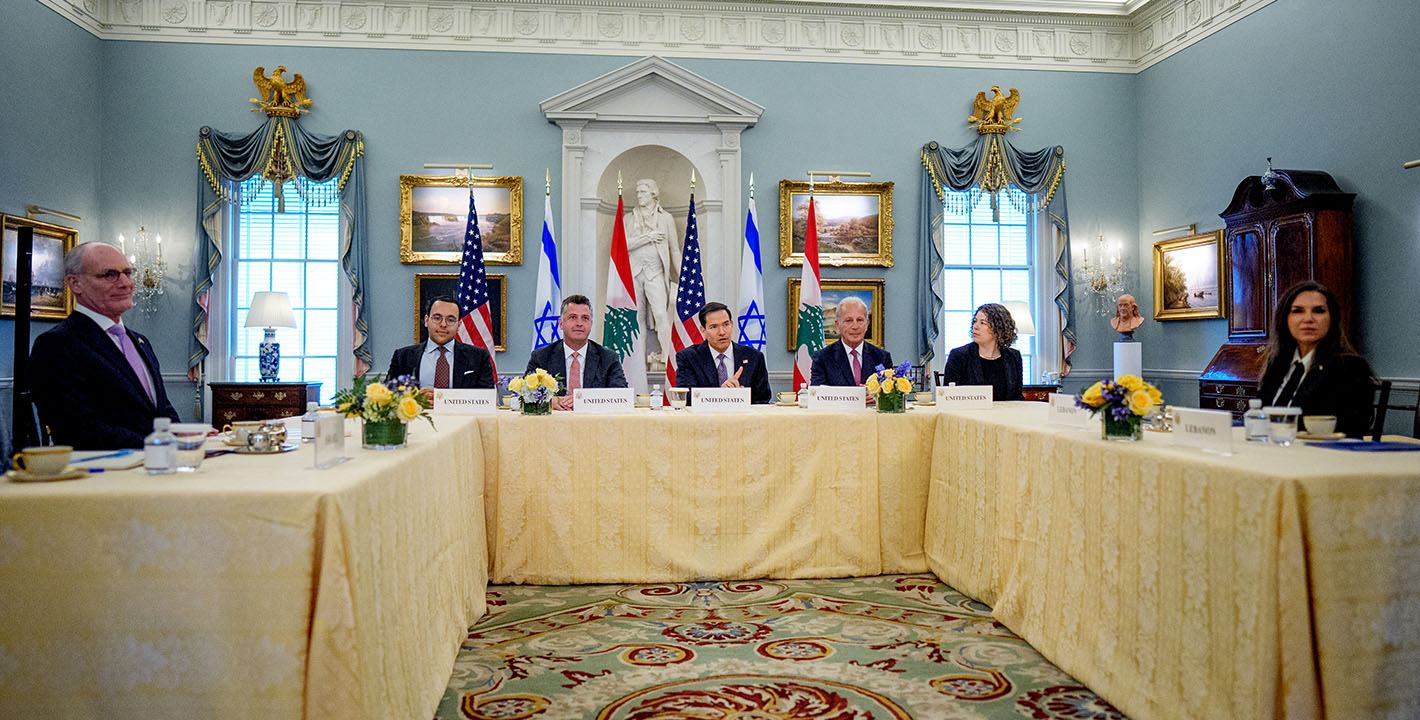
Beirut’s desire to break free from Iranian hegemony may push it into a situation where it has to accept Israel’s hegemony.

Michael Young
Spot analysis from Carnegie scholars on events relating to the Middle East and North Africa.
Michael Young
The party’s objectives involve tying together the Lebanese and Iranian fronts, while surviving militarily and politically at home.
Mohamad Fawaz
While armed forces commander Rudolph Haykal’s caution is understandable, he is in a position to act, and must.
Michael Young