

Research
- +10
Rosa Balfour, Frances Z. Brown, Yasmine Farouk, …
{
  "authors": [
    "Moisés Naím"
  ],
  "type": "legacyinthemedia",
  "centerAffiliationAll": "",
  "centers": [
    "Carnegie Endowment for International Peace"
  ],
  "collections": [],
  "englishNewsletterAll": "",
  "nonEnglishNewsletterAll": "",
  "primaryCenter": "Carnegie Endowment for International Peace",
  "programAffiliation": "",
  "programs": [],
  "projects": [
    "Carnegie Oil Initiative"
  ],
  "regions": [
    "South America",
    "Middle East",
    "Iran",
    "Russia"
  ],
  "topics": [
    "Climate Change"
  ]
}
Source: Getty
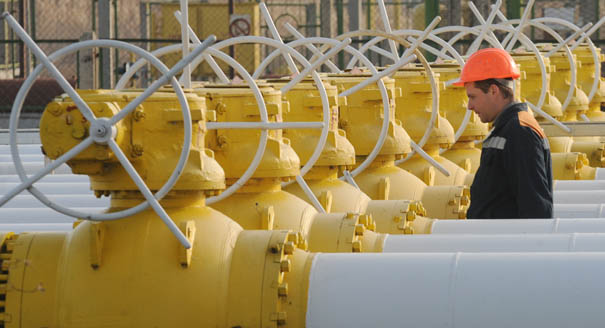
Recent oil market shifts spell bad news for a number of countries with economies based on oil.
Source: WBUR’s Here & Now
Oil prices fell on Thursday, with brent crude oil trading around $49 a barrel. That comes a day after the American Petroleum Institute reported that oil inventories rose by 9.3 million barrels last week. That means the amount of oil on the market is still very high, and analysts think that high supply will keep prices near historic lows for some time.
That is all bad news for a number of countries with economies based on oil. Moisés Naím took a look at the impact on countries including Russia, Iran, Venezuela, and Saudi Arabia with Here & Now’s Jeremy Hobson.

Distinguished Fellow
Moisés Naím is a distinguished fellow at the Carnegie Endowment for International Peace, a best-selling author, and an internationally syndicated columnist.
Recent Work



Rosa Balfour, Frances Z. Brown, Yasmine Farouk, …
Moisés Naím
Carnegie does not take institutional positions on public policy issues; the views represented herein are those of the author(s) and do not necessarily reflect the views of Carnegie, its staff, or its trustees.

As the U.S. stumbles in its war with Iran, we are likely to see an acceleration of its disengagement from the region.

Michael Young

Middle Eastern states should welcome an accelerated U.S. disengagement from their region.
Michael Young

In an interview, former ambassador Charles Freeman assesses the Trump administration’s war against Iran.
Michael Young

The accord represents a pivotal moment in the region to avert a security vacuum in the Gulf.


Azeema Cheema, Mohanad Hage Ali

In an interview, Jason Burke discusses his sweeping account of the “revolutionists” who so shaped the 1970s and early 1980s.
Michael Young