

Commentary
In an interview, Marc Lynch discusses his new book decrying the post-1990 U.S.-dominated order in the Middle East.
Michael Young
{
  "authors": [
    "Toby Dalton",
    "Sameer Lalwani",
    "Gaurav Kampani"
  ],
  "type": "other",
  "centerAffiliationAll": "dc",
  "centers": [
    "Carnegie Endowment for International Peace"
  ],
  "collections": [],
  "englishNewsletterAll": "ctw",
  "nonEnglishNewsletterAll": "",
  "primaryCenter": "Carnegie Endowment for International Peace",
  "programAffiliation": "NPP",
  "programs": [
    "Nuclear Policy"
  ],
  "projects": [],
  "regions": [
    "South Asia",
    "Pakistan"
  ],
  "topics": [
    "Nuclear Policy"
  ]
}
Source: Getty
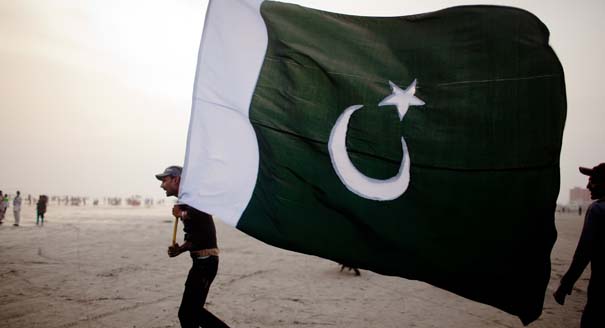
Policy options for a potential grand nuclear bargain between the U.S. and Pakistan remain a contested topic of discourse with serious implications for regional cooperation and security.
Source: Atlantic Council Discussion
Speaking at an event held by the Atlantic Council, Carnegie’s Toby Dalton explained that nuclear dangers in South Asia are increasing, particularly as a result of advances in Pakistan’s nuclear arsenal. He said that a nuclear deal may be one way to encourage Pakistan to constrain its nuclear developments in ways that reduce the chances of conflict, if Pakistan were willing to entertain such steps in return for opening a path to joining nuclear regimes. Though the prospects of Pakistan considering such steps are at best uncertain, he argued that it is useful to explore the contours, costs, and benefits of a potential deal as an improvement over the status quo.

Senior Fellow and Co-director, Nuclear Policy Program
Toby Dalton is a senior fellow and co-director of the Nuclear Policy Program at the Carnegie Endowment. An expert on nonproliferation and nuclear energy, his work addresses regional security challenges and the evolution of the global nuclear order.
Sameer Lalwani
Stimson Center
Gaurav Kampani
Carnegie does not take institutional positions on public policy issues; the views represented herein are those of the author(s) and do not necessarily reflect the views of Carnegie, its staff, or its trustees.
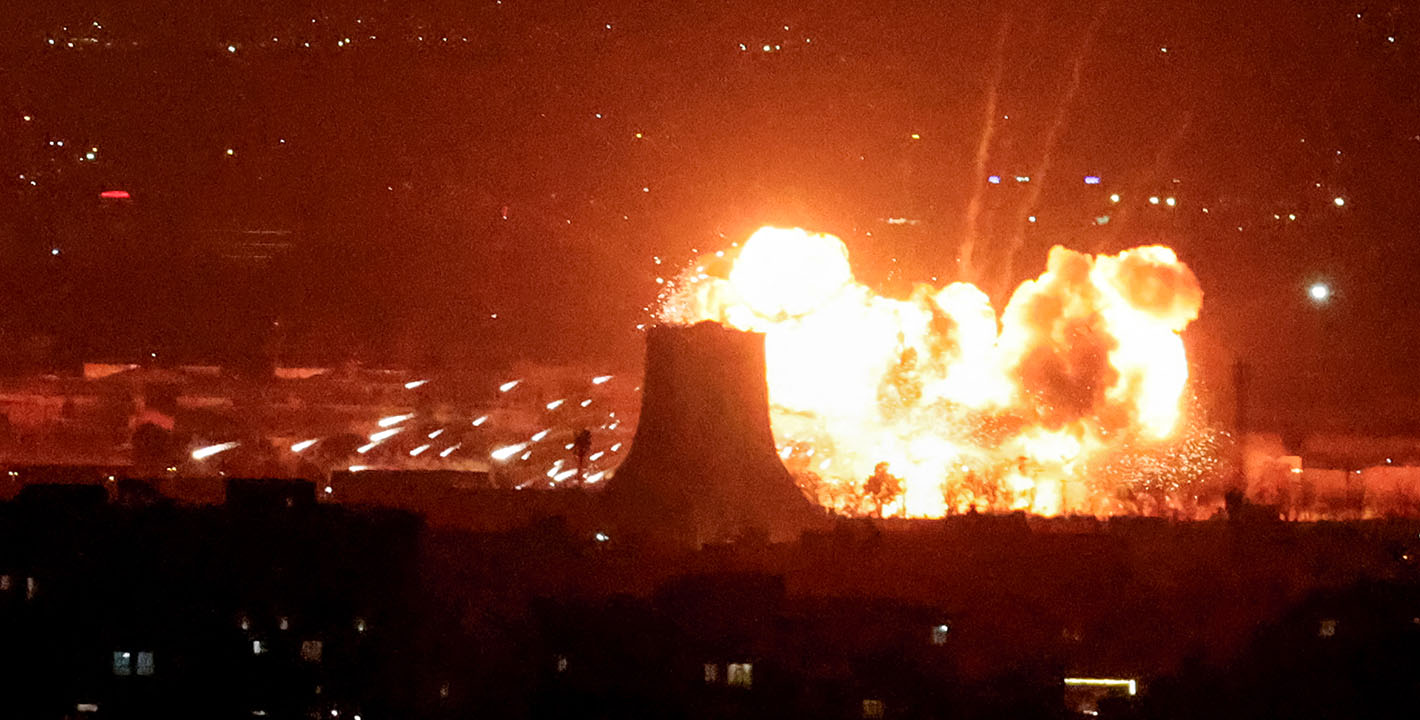
In an interview, Marc Lynch discusses his new book decrying the post-1990 U.S.-dominated order in the Middle East.

Michael Young
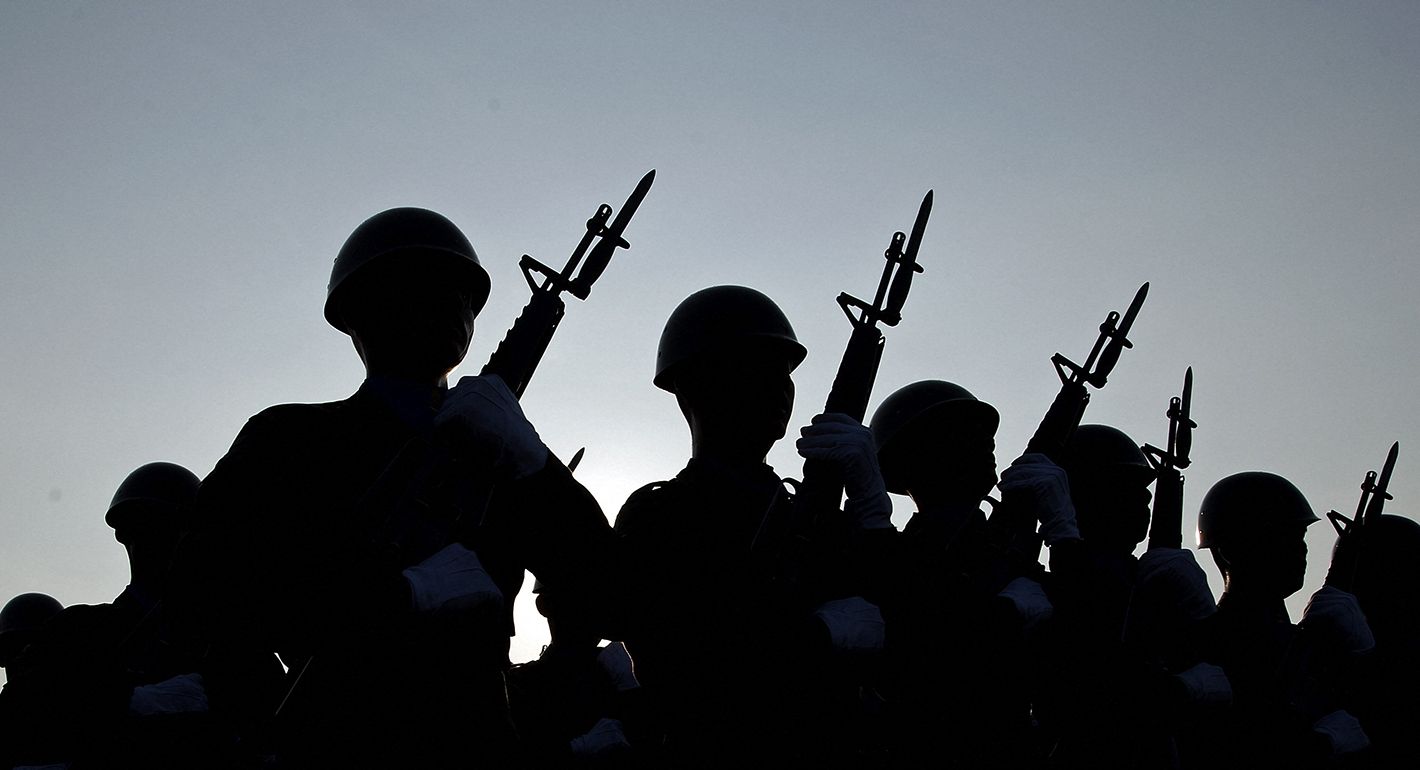
The interaction of national armed forces and private business sectors offers a useful lens for viewing the politics of numerous countries of the so-called Global South. A rising trend of military political activism—often accompanied by military commercial activity—underlines the importance of drivers and outcomes in these relationships.

Yezid Sayigh, Hamza Meddeb
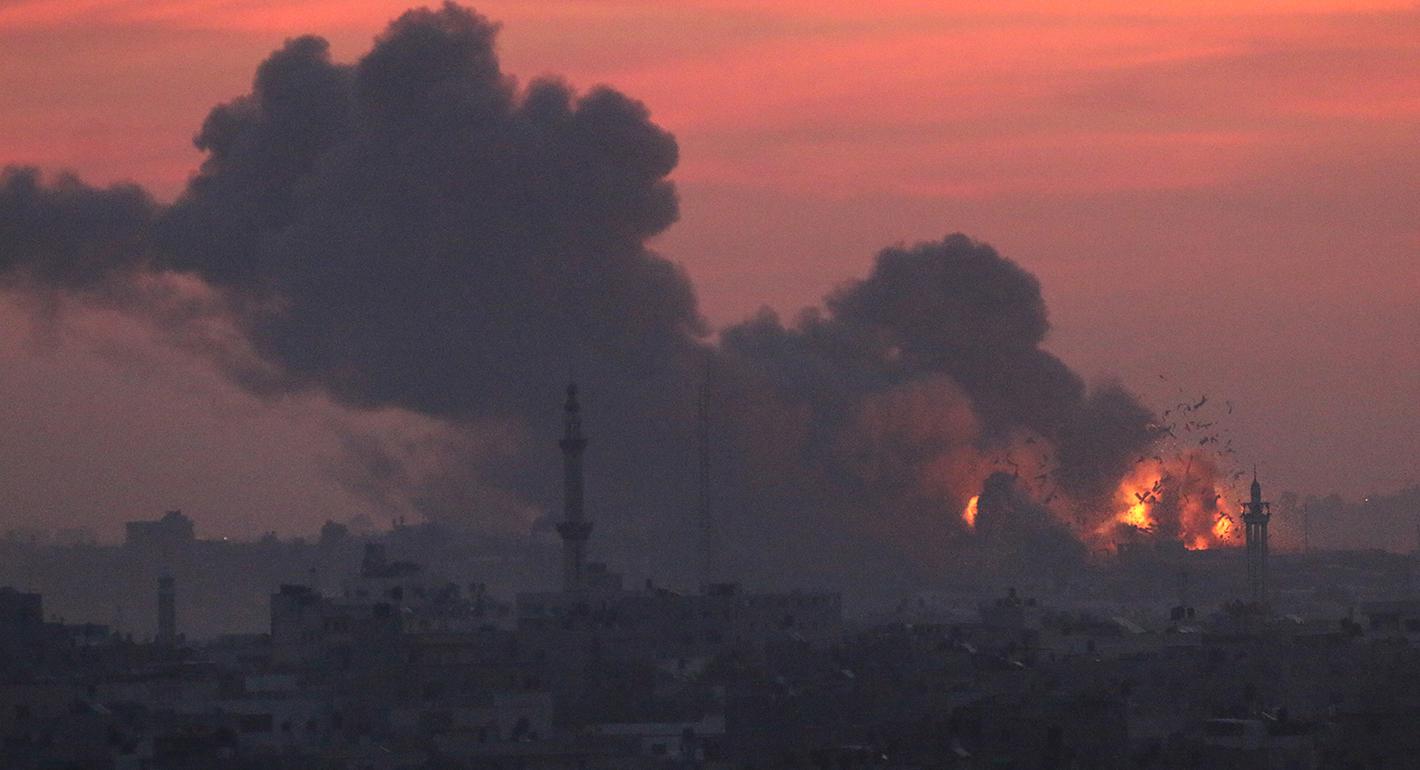
Scholars from Carnegie’s global network comment on how the ongoing conflict between Israelis and Palestinians is affecting their areas of interest, and what the implications of this may be.



Maha Yahya, Rosa Balfour, Judy Dempsey, …
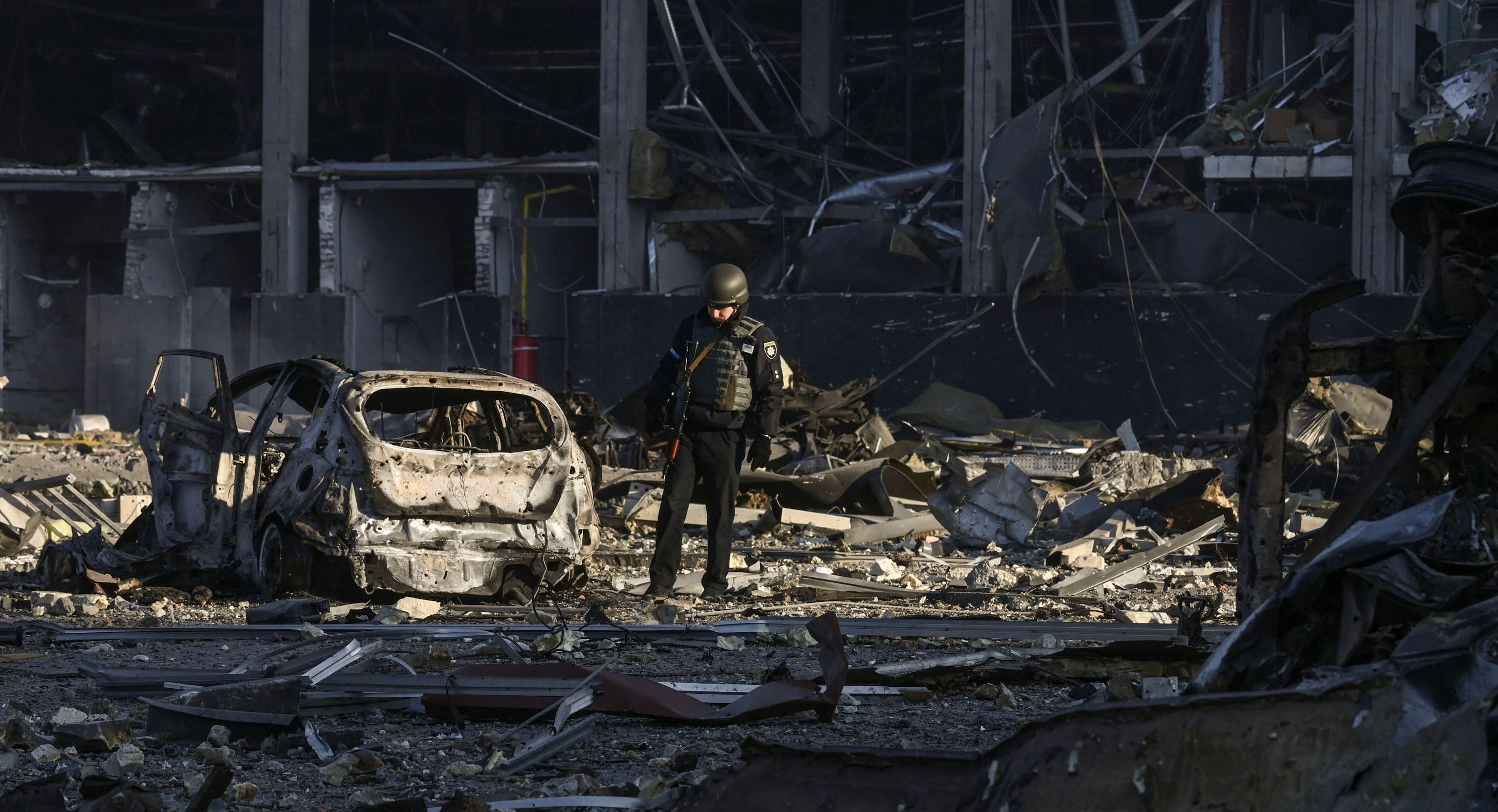
Both events also could force Washington to rethink or revive its Middle East partnerships.

Karim Sadjadpour
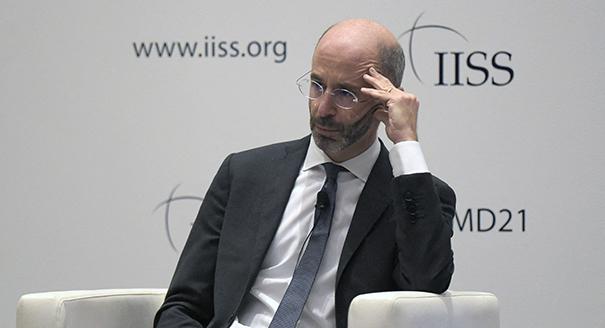
Disagreement between the United States and Iran over a revived nuclear accord may anchor volatile competition.

George Perkovich