

Commentary
Sarah Chayes
{
  "authors": [
    "Sarah Chayes"
  ],
  "type": "legacyinthemedia",
  "centerAffiliationAll": "dc",
  "centers": [
    "Carnegie Endowment for International Peace"
  ],
  "collections": [
    "Anti-Corruption"
  ],
  "englishNewsletterAll": "democracy",
  "nonEnglishNewsletterAll": "",
  "primaryCenter": "Carnegie Endowment for International Peace",
  "programAffiliation": "DCG",
  "programs": [
    "Democracy, Conflict, and Governance"
  ],
  "projects": [],
  "regions": [
    "North America",
    "United States",
    "South America",
    "East Asia",
    "Russia",
    "Western Europe"
  ],
  "topics": [
    "Democracy"
  ]
}
Source: Getty
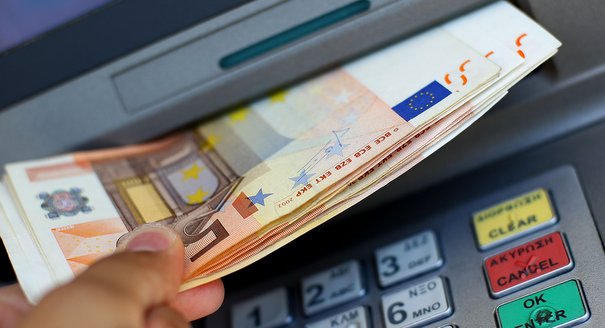
The Panama Papers leak exposes not only a global system of tax avoidance, but the corrupt networks between government officials, organized criminals, and private institutions.
Source: KCRW’s To the Point
The leak of 11.5 million documents from a Panamanian law firm has revealed a vast, deeply rooted infrastructure for hiding money and has caused embarrassment around the world. The Prime Minister of Iceland has resigned. Vladimir Putin has gone on television to deny that his assets are hidden in a shell company owned by a friend. The president of China has demanded censorship of reporting on the “Panama Papers.”
Sarah Chayes spoke to To the Point’s Warren Olney about how U.S. law and companies help foster such corrupt practices. She further explained how kleptocratic governments fuel insecurity from Afghanistan to Nigeria.
This interview was original broadcast on KCRW’s To the Point.
Former Senior Fellow, Democracy, Conflict, and Governance Program
Sarah Chayes is internationally recognized for her innovative thinking on corruption and its implications. Her work explores how severe corruption can help prompt such crises as terrorism, revolutions and their violent aftermaths, and environmental degradation.
Recent Work
Sarah Chayes
Carnegie does not take institutional positions on public policy issues; the views represented herein are those of the author(s) and do not necessarily reflect the views of Carnegie, its staff, or its trustees.

Middle Eastern states should welcome an accelerated U.S. disengagement from their region.

Michael Young

In an interview, former ambassador Charles Freeman assesses the Trump administration’s war against Iran.
Michael Young

By failing to address Palestinian representation, the current process is bound to lead to just another temporary arrangement.

Nathan J. Brown

Morocco and Algeria, each in its own way, are having to navigate the global economic fallout of the U.S.-Israeli military campaign against Iran.

Yasmine Zarhloule
Any move by the United States to make good on Trump’s suggestion that Washington persuade Damascus to confront Hezbollah militarily would have catastrophic consequences.

Kheder Khaddour