

Q&A
Matt Ferchen
{
  "authors": [
    "Matt Ferchen"
  ],
  "type": "legacyinthemedia",
  "centerAffiliationAll": "",
  "centers": [
    "Carnegie Endowment for International Peace",
    "Carnegie China"
  ],
  "collections": [
    "China and the Developing World"
  ],
  "englishNewsletterAll": "",
  "nonEnglishNewsletterAll": "",
  "primaryCenter": "Carnegie China",
  "programAffiliation": "",
  "programs": [],
  "projects": [],
  "regions": [],
  "topics": [
    "Economy"
  ]
}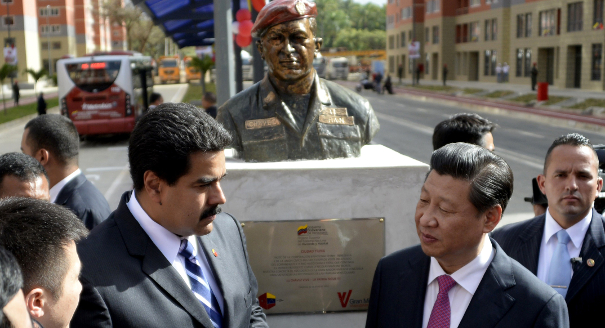
Source: Getty
China’s economic relationship with oil-rich Venezuela has always been risky, but it has recently become more instable, given low oil prices and the Latin American country’s domestic politics.
Source: Latin America Advisor
Inter-American Dialogue: Over the past 10 years, China has loaned some $70.2 billion to Latin America for its energy sector alone, according to data from the Inter-American Dialogue’s China-Latin America Finance Database. How will Latin America’s energy sector be affected as China’s economic outlook and investment strategies evolve? How are low global oil prices changing China’s engagement with the energy sector in Latin America and the Caribbean? Is China responding to concerns about the environmental and social implications of the methods it uses when investing in the region’s energy sector? Will there be local unrest and pushback from the advances?
Matt Ferchen: When looking at the China-Latin America energy relationship over the last decade and into the near future, one country stands out: Venezuela. No Latin American country has established a bigger, or more problematic, energy relationship with China than Venezuela. And in turn, China’s engagement with Venezuela stands out for its sheer scale, riskiness, and now, instability.
In theory - and maybe at the beginning it approached this ideal - the relationship should have been simple and mutually beneficial: China needed oil and was willing to pay for a long-term energy partnership with Venezuela. And in turn, Venezuela sought to expand its oil export markets as well as to attract new sources of foreign energy investment; China fit the bill. What has gone wrong? Even before the dramatic drop in oil prices began in the middle of 2014, Venezuelan leaders’ politicization of the country’s oil resources and of PDVSA itself limited the expansion of oil flows to China. With the drop in oil prices contributing to the country’s steep descent into economic and political crisis, Venezuela is in an increasingly poor position to be the energy partner China had hoped it would be.
Yet China has not been blameless, its banks and oil companies misunderstood and miscalculated the direction and instability of Venezuelan politics and economic management, and so failed to anticipate the inevitable and harmful effects on Venezuelan oil management and output. Going forward, the immediate future for China-Venezuela oil ties rests on whether China is willing and able to work with Venezuela and possibly other countries and institutions to help put Venezuela and its oil industry on a more sustainable path.

Former Nonresident Scholar, Carnegie-Tsinghua Center for Global Policy
Ferchen specializes in China’s political-economic relations with emerging economies. At the Carnegie–Tsinghua Center for Global Policy, he ran a program on China’s economic and political relations with the developing world, including Latin America.
Recent Work
Matt Ferchen
Matt Ferchen, Anarkalee Perera
Carnegie does not take institutional positions on public policy issues; the views represented herein are those of the author(s) and do not necessarily reflect the views of Carnegie, its staff, or its trustees.

The armed forces champion a form of capitalism that is generating revenue, but its reliance on rent faces diminishing returns, leaving the country with massive sunk costs and deferred returns, deepening dependency on external borrowing.

Yezid Sayigh
In an interview, Ishac Diwan looks at the merits and flaws in the draft legislation distributing losses from the financial collapse.

Michael Young
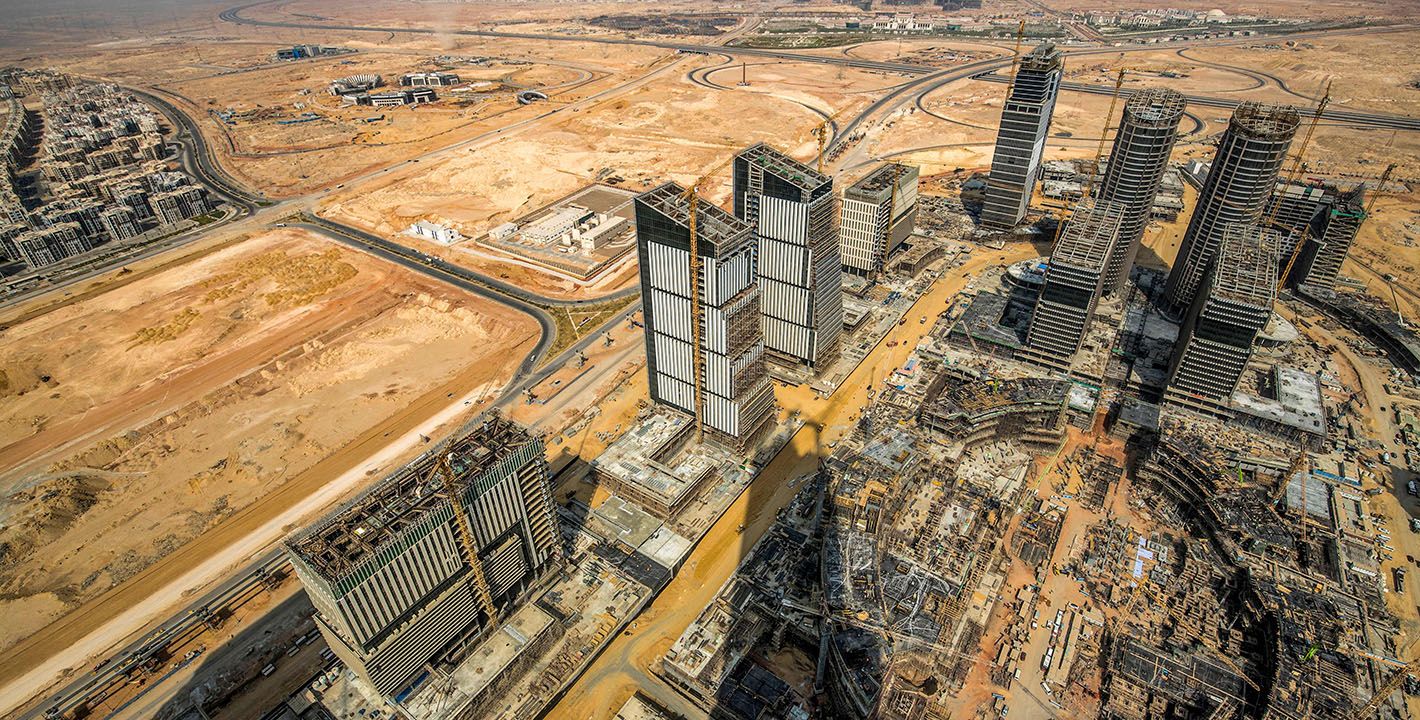
Mustaqbal Misr has expanded its portfolio with remarkable speed, but a lack of transparency remains.
Yezid Sayigh
Arab diaspora business communities in Egypt often mirror the same systemic challenges facing Egyptian businesses.
Nur Arafeh, Yezid Sayigh, Qaboul al-Absi, …

Largely characterized thus far by a single-minded focus on extractivism, Riyadh must commit to greater equitability in its approach to investment and development deals with Sudan, Ethiopia, and Eritrea.

Hesham Alghannam