

Research
- +5
Alper Coşkun, Fatih Ceylan, Tacan İldem, …
{
  "authors": [
    "Sinan Ülgen"
  ],
  "type": "legacyinthemedia",
  "centerAffiliationAll": "dc",
  "centers": [
    "Carnegie Endowment for International Peace",
    "Carnegie Europe"
  ],
  "collections": [
    "Turkey’s Transformation"
  ],
  "englishNewsletterAll": "ctw",
  "nonEnglishNewsletterAll": "",
  "primaryCenter": "Carnegie Europe",
  "programAffiliation": "EP",
  "programs": [
    "Europe"
  ],
  "projects": [],
  "regions": [
    "Europe",
    "Türkiye",
    "Middle East",
    "Iran"
  ],
  "topics": [
    "Security"
  ]
}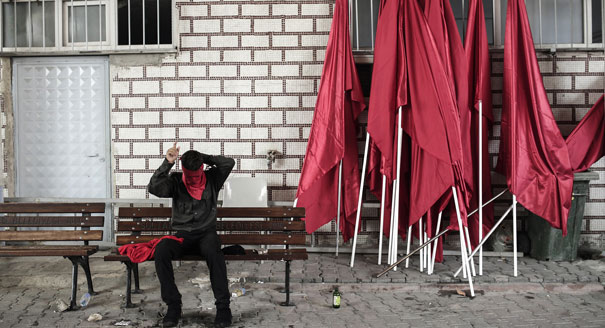
Source: Getty
Terrorist attacks in Turkey continue to exacerbate the fracture between the Turkish government and the Kurds. As radicalization increases, is there hope for a political settlement?
Source: Australian Broadcasting Corporation
Carnegie Europe’s Sinan Ülgen joined ABC’s Beverley O’Connor to discuss the increasing occurrence of terrorist attacks in Turkey. Ülgen argued that the increased frequency of attacks was a direct consequence of the breakdown in peace talks between the insurgent Kurdistan Workers’ Party (PKK) and government forces in 2015. Now locked in a bitter struggle, the Kurdish movement is exporting ever more violence to metropolitan areas, such as Ankara and Istanbul.
Despite increased military action in Turkey’s southeast, Ülgen reaffirmed that a political settlement is the only way to bring an end to the conflict. Ülgen stated that any opportunity to return to peace was further undermined following the decision of President Recep Tayyip Erdoğan to lift Turkish parliamentarians’ immunity from prosecution, which would effectively remove any pro-Kurdish opposition party in the parliament.

Senior Fellow, Carnegie Europe
Sinan Ülgen is a senior fellow at Carnegie Europe in Brussels, where his research focuses on Turkish foreign policy, transatlantic relations, international trade, economic security, and digital policy.
Recent Work
Alper Coşkun, Fatih Ceylan, Tacan İldem, …
Carnegie does not take institutional positions on public policy issues; the views represented herein are those of the author(s) and do not necessarily reflect the views of Carnegie, its staff, or its trustees.

As the U.S. stumbles in its war with Iran, we are likely to see an acceleration of its disengagement from the region.

Michael Young

Huawei pushed hard to enter the Egyptian data centers market, until the Americans made a better offer.

Angie Omar

Middle Eastern states should welcome an accelerated U.S. disengagement from their region.
Michael Young

In an interview, former ambassador Charles Freeman assesses the Trump administration’s war against Iran.
Michael Young

The accord represents a pivotal moment in the region to avert a security vacuum in the Gulf.


Azeema Cheema, Mohanad Hage Ali