• Research
  • Diwan
  • About
  • Experts
Carnegie Middle East logoCarnegie lettermark logo
LebanonIran
{
  "authors": [],
  "type": "legacyinthemedia",
  "centerAffiliationAll": "dc",
  "centers": [
    "Carnegie Endowment for International Peace"
  ],
  "collections": [],
  "englishNewsletterAll": "asia",
  "nonEnglishNewsletterAll": "",
  "primaryCenter": "Carnegie Endowment for International Peace",
  "programAffiliation": "AP",
  "programs": [
    "Asia"
  ],
  "projects": [],
  "regions": [
    "East Asia",
    "Southeast Asia"
  ],
  "topics": []
}

Source: Getty

In The Media

Beijing’s Refusal to Accept South China Sea Ruling Has All Sides on Edge

Following the Permanent Court of Arbitration’s ruling in favor of the Philippines on the South China Sea issue and its rejection of any legal basis for Beijing to claim historical rights to the nine-dash line, Chinese leadership must be wrestling with the question of whether to transform its disavowal of the decision into more than words

Link Copied
Published on Jul 13, 2016

Source: Australian Broadcasting Corporation

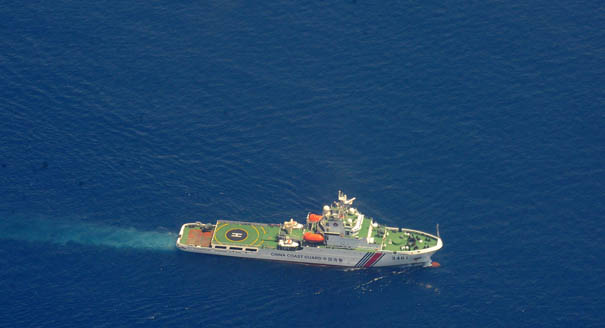
Following the Permanent Court of Arbitration's ruling in favor of the Philippines on the South China Sea issue and its rejection of any legal basis for Beijing to claim historical rights to the nine-dash line, Douglas Paal discusses potential Chinese responses to the ruling with ABC's Fran Kelly. He states that the Chinese leadership must be wrestling with the same questions of whether to transform its disavowal of the court's decision into more than words, and addresses the potential effects of further Chinese militarization in the South China Sea.

Listen now, or download the audio. 

The interview was originally broadcast on ABC.

East AsiaSoutheast Asia

Carnegie does not take institutional positions on public policy issues; the views represented herein are those of the author(s) and do not necessarily reflect the views of Carnegie, its staff, or its trustees.

More Work from Malcolm H. Kerr Carnegie Middle East Center

  • Research
    The Military and Private Business Actors in the Global South: The Politics of Market Access

    The interaction of national armed forces and private business sectors offers a useful lens for viewing the politics of numerous countries of the so-called Global South. A rising trend of military political activism—often accompanied by military commercial activity—underlines the importance of drivers and outcomes in these relationships.

      Yezid Sayigh, Hamza Meddeb

  • Commentary
    China’s Evolving Economic and Security Role in the Middle East

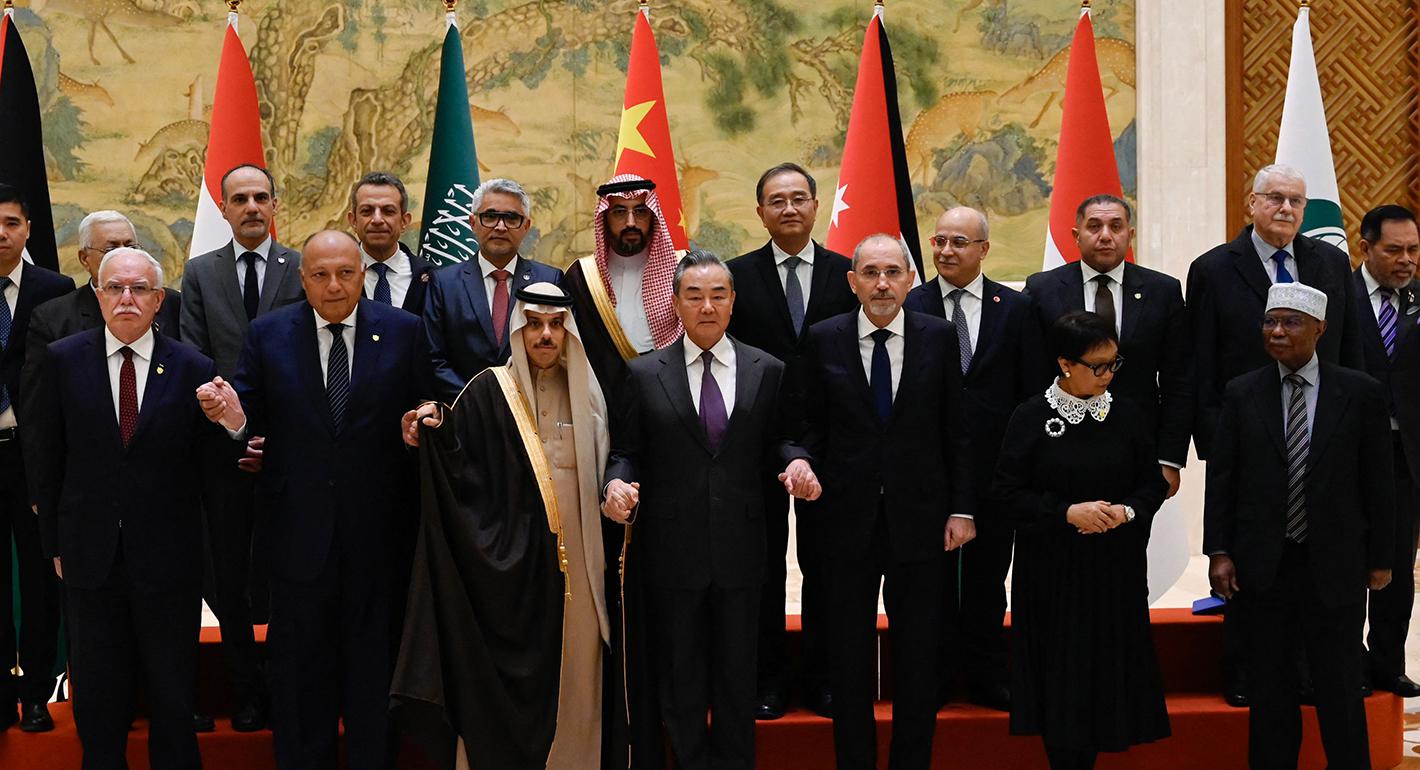
    The advantage that China has over other global powers, especially America, is that its foreign policy is closely aligned with those of many of the Middle Eastern countries.

      Jin Liangxiang, Maha Yahya, Hesham Alghannam

  • Article
    The Geopolitics of Economic Development in the Middle East

    To create an environment more conducive to cooperation and development, U.S. and Chinese efforts should seek the endorsement of neighboring countries and regional organizations. Otherwise, regional and geopolitical rivalries will remain barriers.

      Abdullah Baabood

  • Commentary
    The Gaza War and the Rest of the World

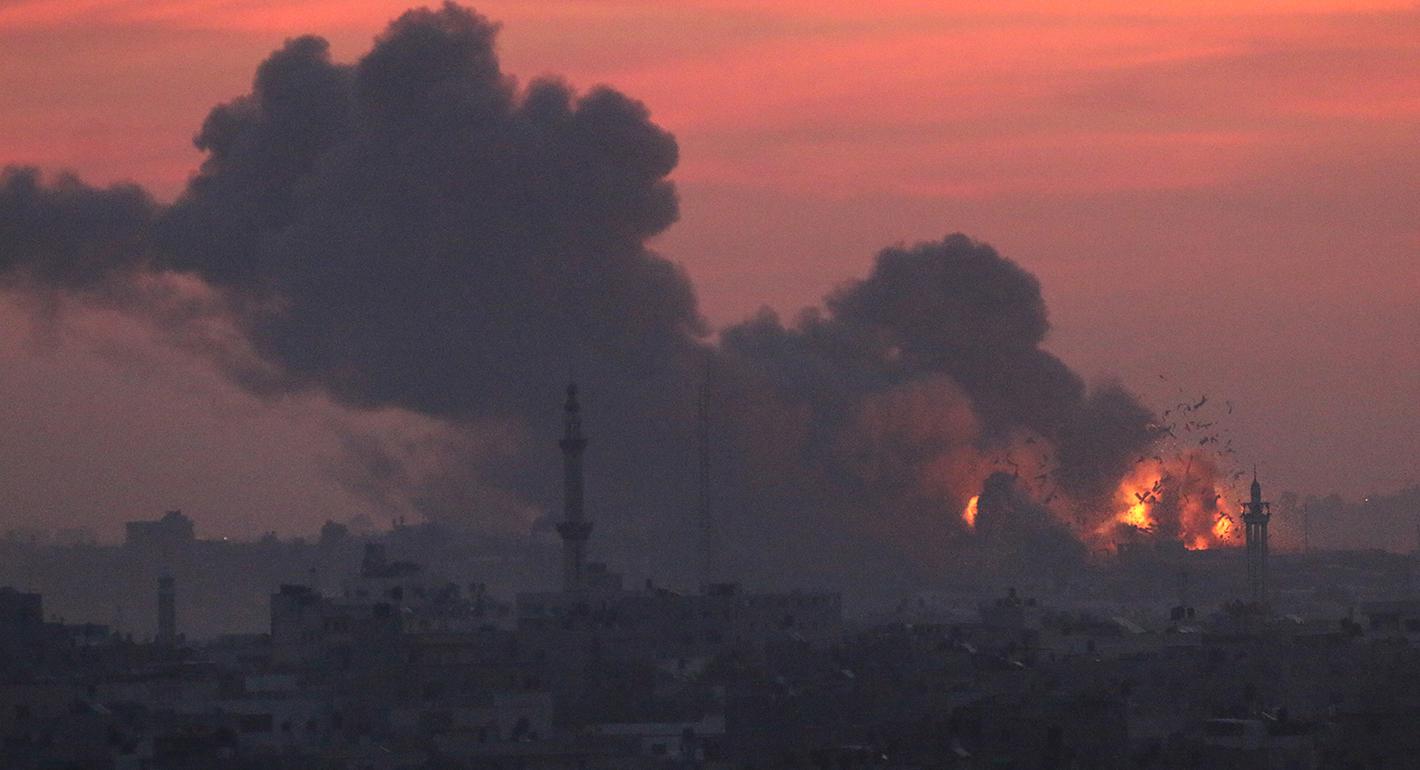
    Scholars from Carnegie’s global network comment on how the ongoing conflict between Israelis and Palestinians is affecting their areas of interest, and what the implications of this may be.

      • +11

      Maha Yahya, Rosa Balfour, Judy Dempsey, …

  • Commentary
    Diwan
    China’s Middle Eastern Moment

    In an interview, Abdullah Baabood discusses Beijing’s evolving role in the Gulf region, where its priority is stability.

      Michael Young

Get more news and analysis from
Malcolm H. Kerr Carnegie Middle East Center
Carnegie Middle East logo, white
  • Research
  • Diwan
  • About
  • Experts
  • Projects
  • Events
  • Contact
  • Careers
  • Privacy
  • For Media
Get more news and analysis from
Malcolm H. Kerr Carnegie Middle East Center
© 2026 Carnegie Endowment for International Peace. All rights reserved.