

Paper
Christopher S. Chivvis, Rohan Mukherjee, Milan Vaishnav
{
  "authors": [
    "Milan Vaishnav"
  ],
  "type": "other",
  "centerAffiliationAll": "dc",
  "centers": [
    "Carnegie Endowment for International Peace",
    "Carnegie India"
  ],
  "collections": [],
  "englishNewsletterAll": "ctw",
  "nonEnglishNewsletterAll": "",
  "primaryCenter": "Carnegie Endowment for International Peace",
  "programAffiliation": "SAP",
  "programs": [
    "South Asia"
  ],
  "projects": [],
  "regions": [
    "South Asia",
    "India"
  ],
  "topics": [
    "Political Reform",
    "Democracy"
  ]
}
Source: Getty
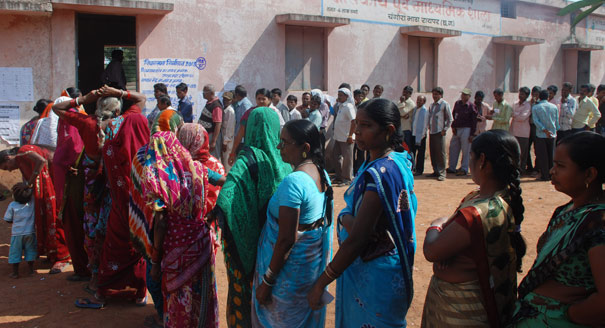
In India, criminal politicians are fielded because their wealth appeals to political parties, and elected because voters see criminality as as sign of their credibility to “get things done.”
Source: Times of India
‘Politicians are crooks.’ This may be a cynical middle-class complaint, but it is also an empirical fact that more MPs with criminal records are being elected to Parliament than ever before. Milan Vaishnav, senior fellow at the Carnegie Endowment for International Peace, analyses this trend in his new book, When Crime Pays: Money and Muscle in Indian Politics. He tells TOI why crime and democracy are so tightly linked in India:
At the parliamentary level, 34% of MPs elected in 2014 face ongoing criminal cases and 21% stand accused of serious crimes. In 2004, the corresponding shares stood at 24 and 12%, respectively. One reason these shares are rising is simple: candidates implicated in wrongdoing do quite well at the polls. Their success has a chilling effect on individuals with clean records who might think twice about joining the electoral fray. As a result, the bad equilibrium perpetuates itself; politicians with questionable records are attracted to office while so-called “clean” candidates exit.
A critical determining factor is money. Elections have grown increasingly expensive while party organisations have grown weaker. Parties are desperate for candidates with deep pockets who can not only finance their own campaigns, but can also pay parties for the privilege of running, or subsidise other candidates. Candidates with criminal records are disproportionately wealthy, so they have both the means to contest elections, as well as the incentives. While securing elected office does not grant them formal immunity, it does give them a certain degree of protection while opening up a new set of money-making opportunities.
One of the most important takeaways from the book is that voters who support criminal candidates are usually well aware of their reputations. They are making rational, informed decisions when they enter the polling booth. In places where the rule of law is weak, which means that government is not able to carry out its most basic functions, and social relations between local communities are fraught, candidates can use their criminality as a sign of their credibility to “get things done” for their supporters. If politics is viewed as a zero-sum game — that is, if another community wins, ours loses (or vice versa) — voters look for a representative who is willing to do whatever it takes to protect their group’s social status.
Before thinking about policy responses, we have to come to grips with why politicians linked to criminality do so well in the first place. If this was about uninformed voters, mass media campaigns could educate the electorate. Unfortunately, a lack of information is not the binding constraint — it’s a lack of governance. Until the local state can impartially guarantee security, dispense justice, and deliver core public services, strongmen will continue to fill the vacuum. Reducing the demand for criminal politicians will take generations, but in the short-term, Indians shouldn’t sit on their hands and wait. To the contrary, they should work on measures that can help reduce their supply. This means cleaning up how elections are funded, reforming the functioning of political parties, and ensuring that elected officials charged with serious wrongdoing get speedy trials.
Demonetisation on its own will have a limited impact. It is a one-shot cleansing of the system which, as we have seen, can be gamed by those who want to turn black money white. What the government needs to do in the wake of demonetisation is to push for real election finance reform. In fact, Prime Minister Modi could propose four changes to existing laws on the books.
First, all political contributions should take place digitally. Second, all contributions must be subject to disclosure. Right now, only contributions above an arbitrary Rs 20,000 threshold must be openly declared. Third, party accounts have to be scrutinised by an independent, third-party auditor. If parties refuse to comply, they should be stripped of their tax benefits. Fourth, the Election Commission needs stronger authorities to punish those who flout existing rules and regulations. Right now, politicians and parties who file false or misleading disclosures typically get off with a slap on the wrist. The virtue of this package of reforms is that it would be hugely politically popular for the Prime Minister. Of course, all parties would take a hit. But the BJP — by virtue of its organisation and financial advantages — would likely be better off than its rivals.
This article was originally published in the Times of India.

Director and Senior Fellow, South Asia Program
Milan Vaishnav is a senior fellow and director of the South Asia Program and the host of the Grand Tamasha podcast at the Carnegie Endowment for International Peace. His primary research focus is the political economy of India, and he examines issues such as corruption and governance, state capacity, federalism, and electoral behavior. He also conducts research on the Indian diaspora.
Recent Work
Christopher S. Chivvis, Rohan Mukherjee, Milan Vaishnav


Sophia Besch, Eric Ciaramella, Steve Feldstein, …
Carnegie does not take institutional positions on public policy issues; the views represented herein are those of the author(s) and do not necessarily reflect the views of Carnegie, its staff, or its trustees.
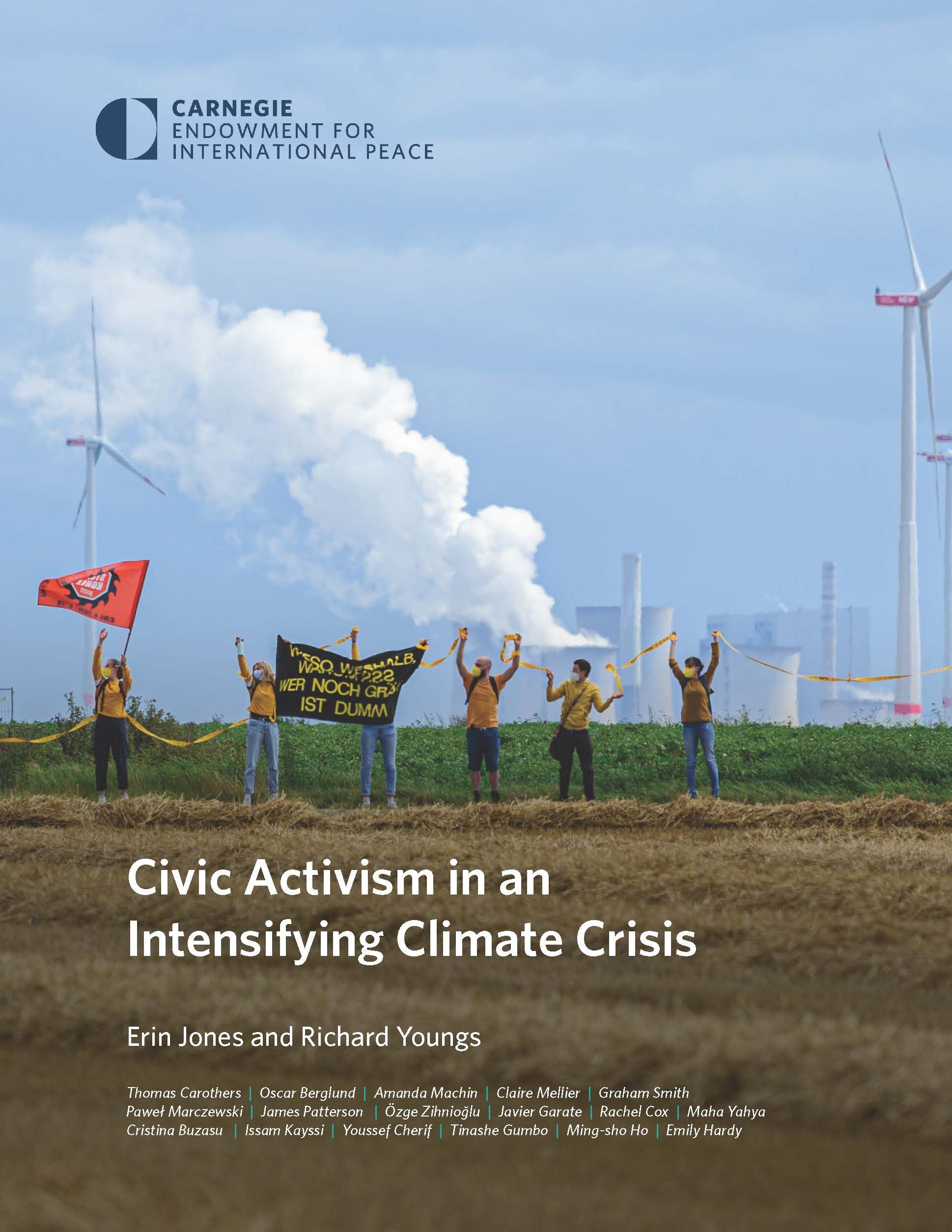
To address the deepening climate crisis, climate activism is employing a wider variety of tactics and aiming at a broader set of goals. In response, the movement faces stronger repression and civic backlash against climate action.

Erin Jones, Richard Youngs
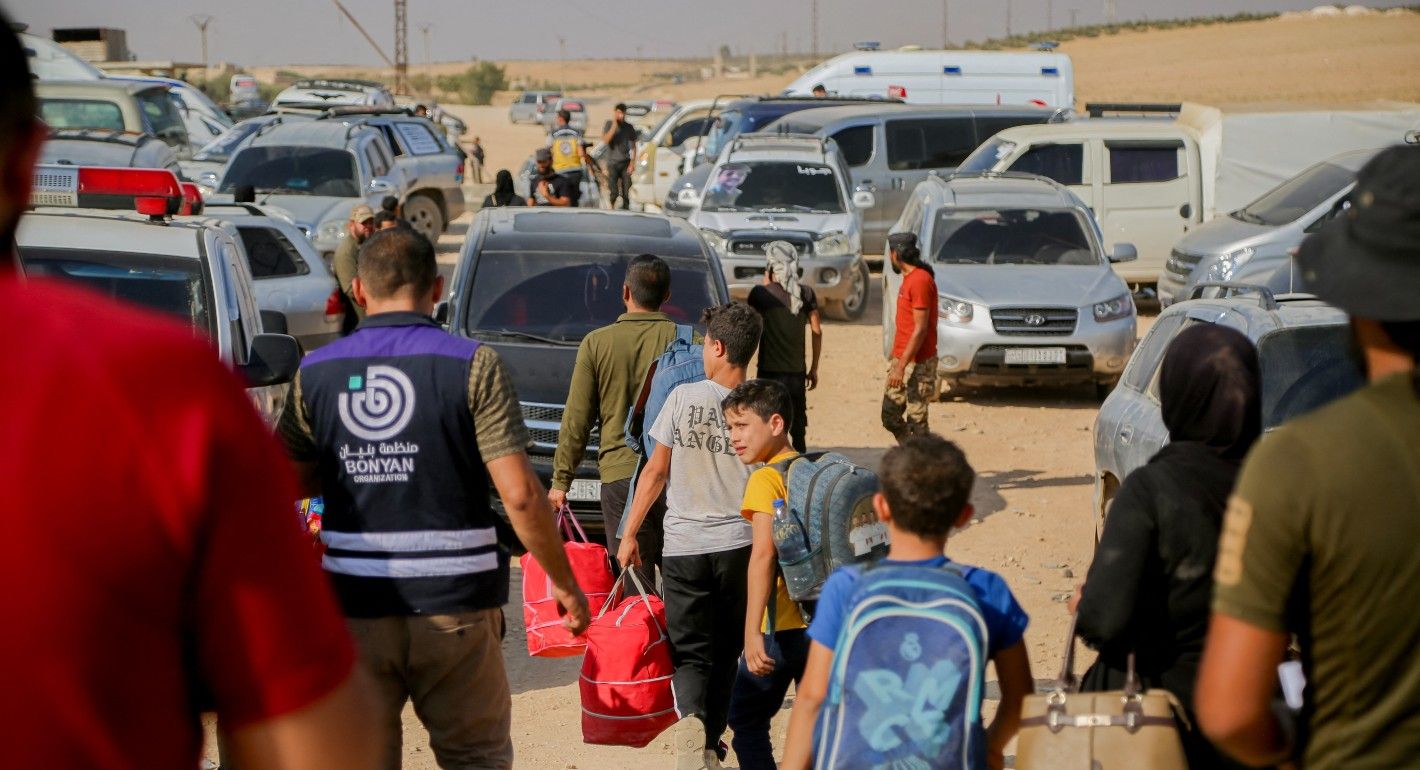
A humanitarian crisis in Lebanon deepens, and Syrian refugees face a perilous choice: remain in a war-torn environment or return to Syria where they risk encountering significant dangers and discrimination. There are significant challenges and risks to their search for safety in Syria.
Haid Haid
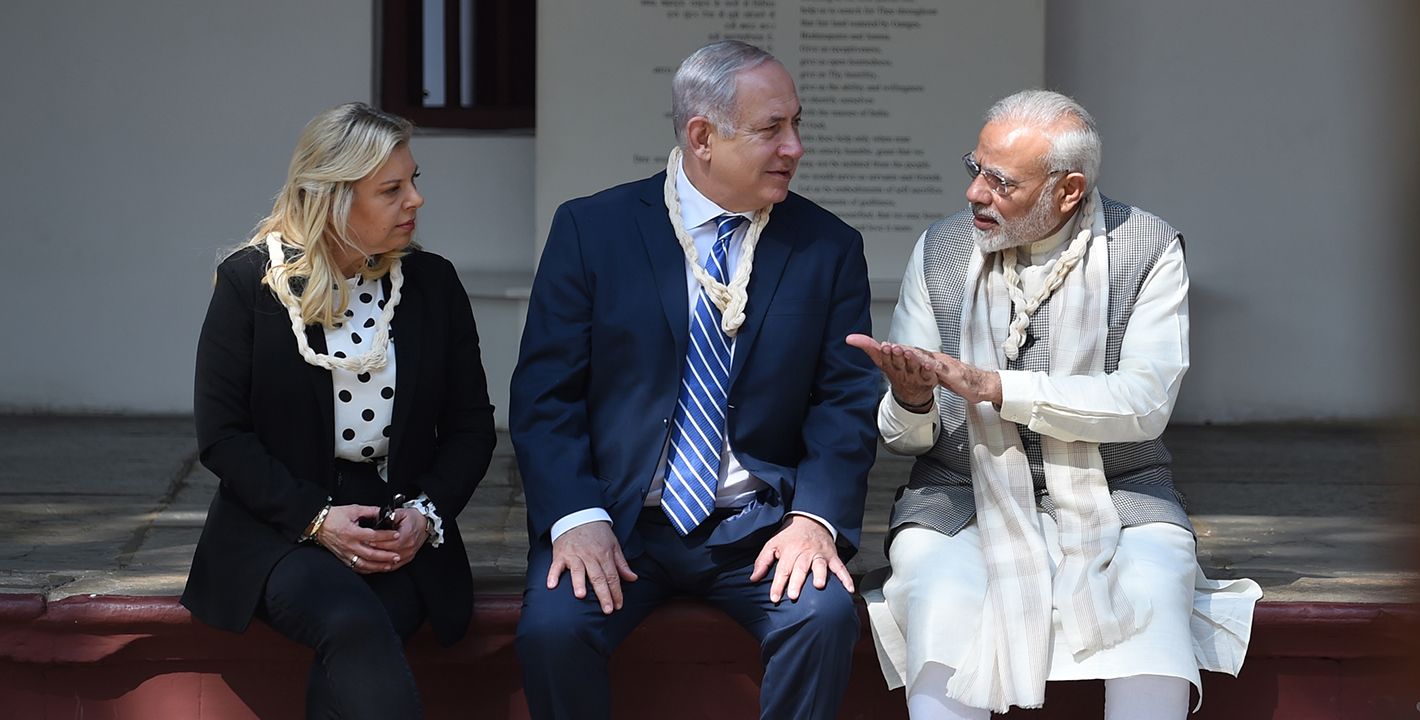
In an interview, Abhinav Pandya discusses the multiple facets of India’s ties with the Middle East.

Armenak Tokmajyan
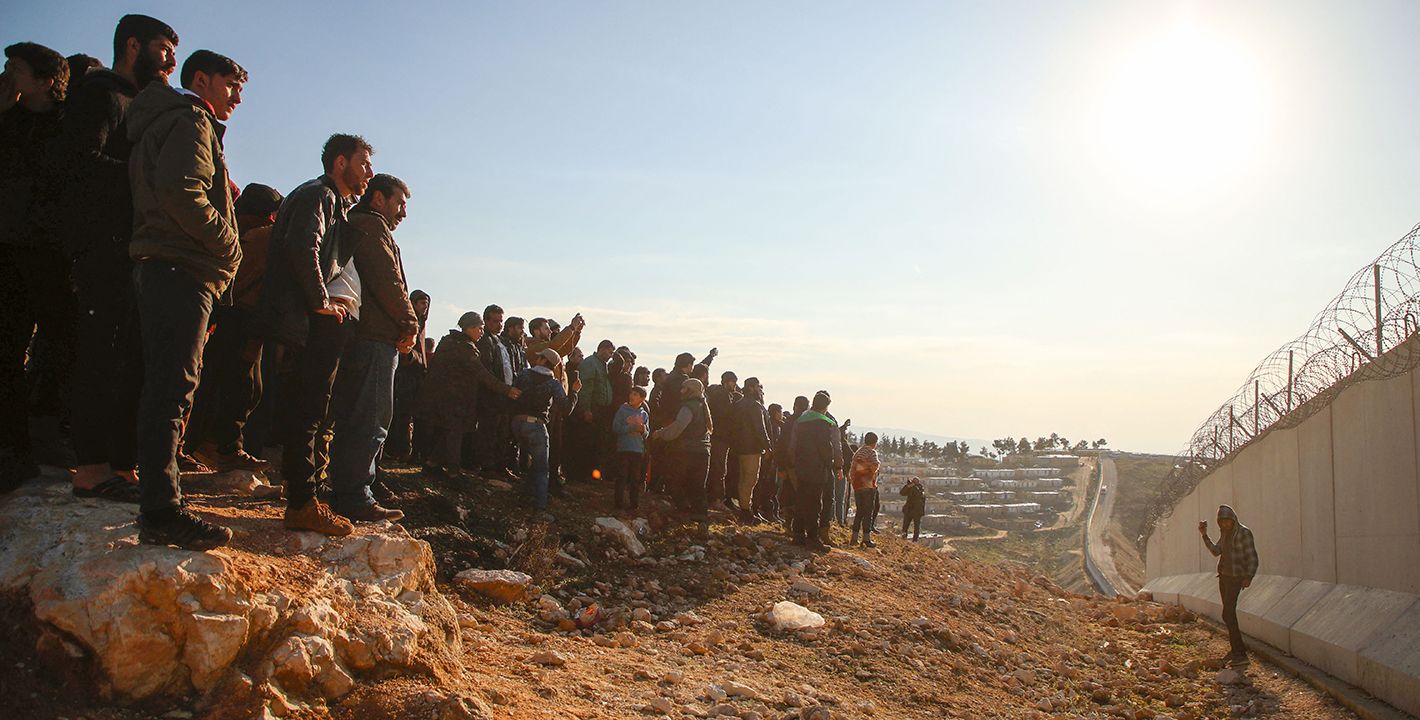
In Syria’s border regions, changes in demographics, economics, and security mean that an inter-Syrian peace process will require consensus among main regional powers that Syria must remain united, that no one side can be victorious, and that perennial instability threatens the region.
Kheder Khaddour, Armenak Tokmajyan
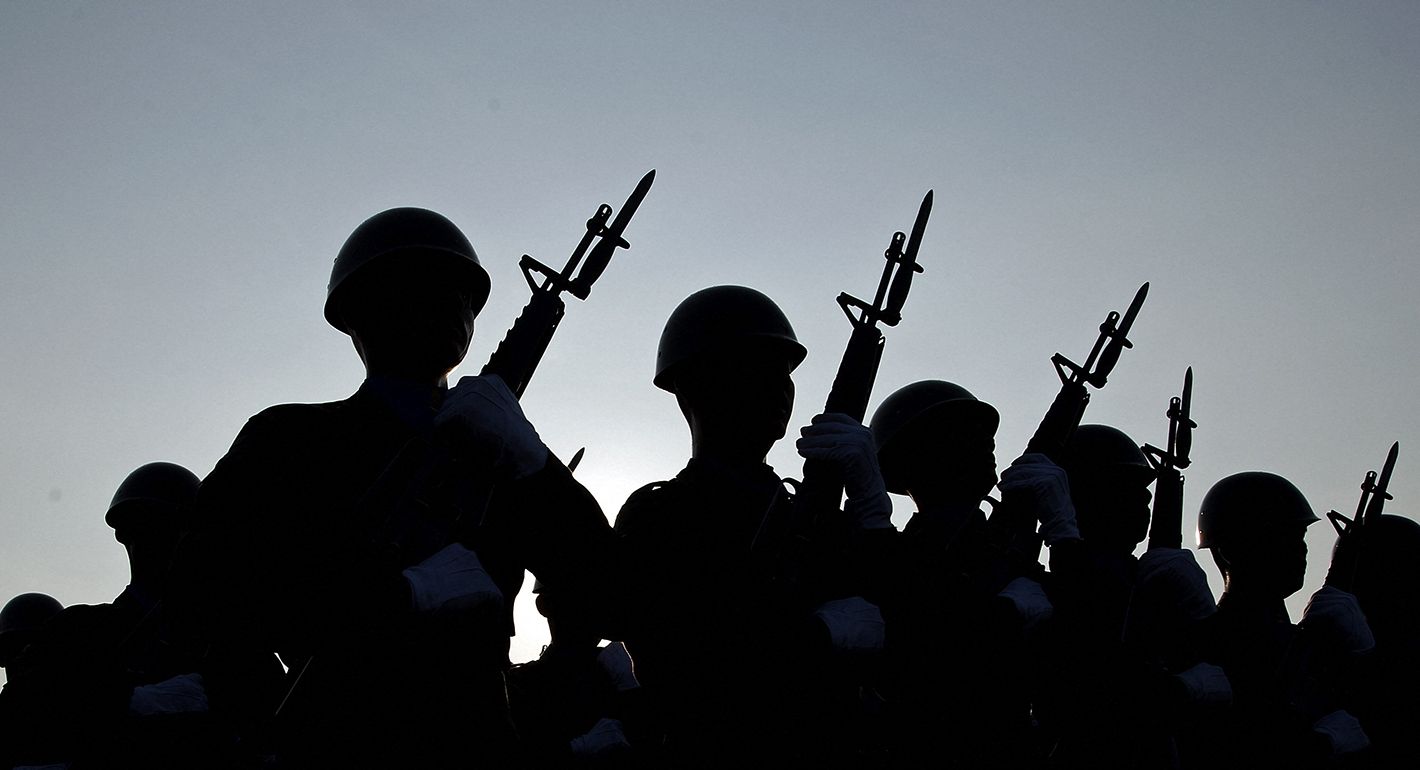
The interaction of national armed forces and private business sectors offers a useful lens for viewing the politics of numerous countries of the so-called Global South. A rising trend of military political activism—often accompanied by military commercial activity—underlines the importance of drivers and outcomes in these relationships.

Yezid Sayigh, Hamza Meddeb