

Paper
Christopher S. Chivvis, Rohan Mukherjee, Milan Vaishnav
{
  "authors": [
    "Milan Vaishnav"
  ],
  "type": "other",
  "centerAffiliationAll": "dc",
  "centers": [
    "Carnegie Endowment for International Peace",
    "Carnegie India"
  ],
  "collections": [],
  "englishNewsletterAll": "ctw",
  "nonEnglishNewsletterAll": "",
  "primaryCenter": "Carnegie Endowment for International Peace",
  "programAffiliation": "SAP",
  "programs": [
    "South Asia"
  ],
  "projects": [],
  "regions": [
    "South Asia",
    "India"
  ],
  "topics": []
}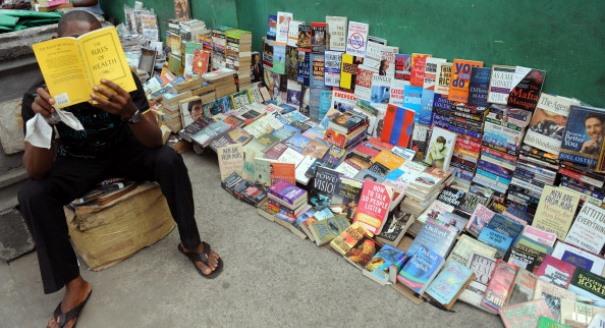
Source: Getty
There is a trade-off between going deep and going broad, but authors who are researchers need to push themselves to look for questions that stretch the boundaries of what is known.
Source: Huffington Post
The book attempts to address a puzzling question about democratic functioning: how can free elections and criminal politics coexist? After all, voters in democracies are supposed to be empowered to punish elected representatives who seemingly betray the public trust. Yet, in so many countries, individuals tied to corruption and criminality are regularly elected and re-elected. The book tries to answer this question by drawing on evidence from India — the world’s largest democracy. In India, one-third of politicians elected to Parliament assume office while under criminal indictment. One-fifth of Members of Parliament (MPs) are implicated in serious crimes — crimes that, if a conviction were obtained, would merit real jail time. The book unpacks this marketplace, by exploring the supply and demand factors that make this market thrive. The book, while focused largely on India, has lessons for democratic practice far beyond any one country’s borders.
The feedback has been very positive so far. The nexus between crime and politics is not India-specific so people who live in or work on a range of countries have told me that the book has resonated with their own experience. Having said that, the biggest interest has obviously come from India. Most people in India have some familiarity with the subject at hand, but like so many things that stare you in the face each and every day, you never stop to question them. Most readers have really appreciated, I think, the attempt to create a framework for understanding an issue that seems so deeply ingrained in democratic politics.
As with most first books, this one began its life as a PhD dissertation. After I completed my graduate work, I literally could not look at the dissertation for almost a year. After some time away and some fresh perspective, I came back to the material and rewrote the whole thing from scratch. It was important to me to write the book in a way that would appeal beyond academia, which meant I had to assume readers would have very little baseline knowledge about democracy, governance, India, etc. I also carried out additional field research, collected new data, and did some historical analysis to round out the material I began with. That process began in 2013 and I handed in the first draft of my manuscript at the end of 2014. The writing, in the end, did not take very long. But peer reviews, edits, legal reviews, production and design added almost two years.
In the beginning, I did not have a writing routine and this really slowed me down. Finally, one day a colleague who just completed her book pulled me aside and told me I had to drop everything else and focus on the book if I wanted to get it in done. That was a wake-up call. The next day, I went through my calendar and began blocking at least 3-4 days a week for book writing. Once I did that, things started to gel. I realized that an hour here or a few hours there was not really cutting it. A book requires immersion.
I think people are really intimidated by the prospect of writing a book; I know I was. It’s a bit of an obvious piece of advice, but it truly helps to break things down into bite-size chunks. When I outlined the book, I had eight chapters divided up into three parts. Thinking about the whole manuscript was terrifying so breaking this down into constituent pieces really helped. I spent a lot of time making fairly detailed outlines and then adjusting/revising them as I went. This up-front investment ended up saving me.
The second piece of advice, especially for people in the research community, is: pick a big question. There is a trade-off between going deep and going broad, but I think authors who are researchers need to push themselves to look for questions that stretch the boundaries of what we know. A book, as opposed to a research paper, gives you the flexibility to expand beyond the narrow topics we often focus on in our day-to-day research.
My family constantly mocks me for reading books that seem like work-related books “for fun.” The truth is: I am a news junkie so I find myself spending too much time on short-form stuff and then I catch up on books related to work (social science, India, and South Asia) in my free time. But the truth is I enjoy that material a great deal, so it usually does not feel like work. Be that as it may, I started a new resolution last year that I would strike a better balance between fiction and non-fiction, so my current rule is to alternate between the two.
I was very, very late to this, but I finally read Vikram Chandra’s caper, “Sacred Games,” in 2016 and thought it was marvelous. It’s seemingly the story of a cop trying to nab a major player in the Mumbai underworld, but it’s much more than that. It is really a kind of sociology of big-city India. Despite its massive length, it’s a fast read.

Director and Senior Fellow, South Asia Program
Milan Vaishnav is a senior fellow and director of the South Asia Program and the host of the Grand Tamasha podcast at the Carnegie Endowment for International Peace. His primary research focus is the political economy of India, and he examines issues such as corruption and governance, state capacity, federalism, and electoral behavior. He also conducts research on the Indian diaspora.
Recent Work

Christopher S. Chivvis, Rohan Mukherjee, Milan Vaishnav



Sophia Besch, Eric Ciaramella, Steve Feldstein, …
Carnegie does not take institutional positions on public policy issues; the views represented herein are those of the author(s) and do not necessarily reflect the views of Carnegie, its staff, or its trustees.
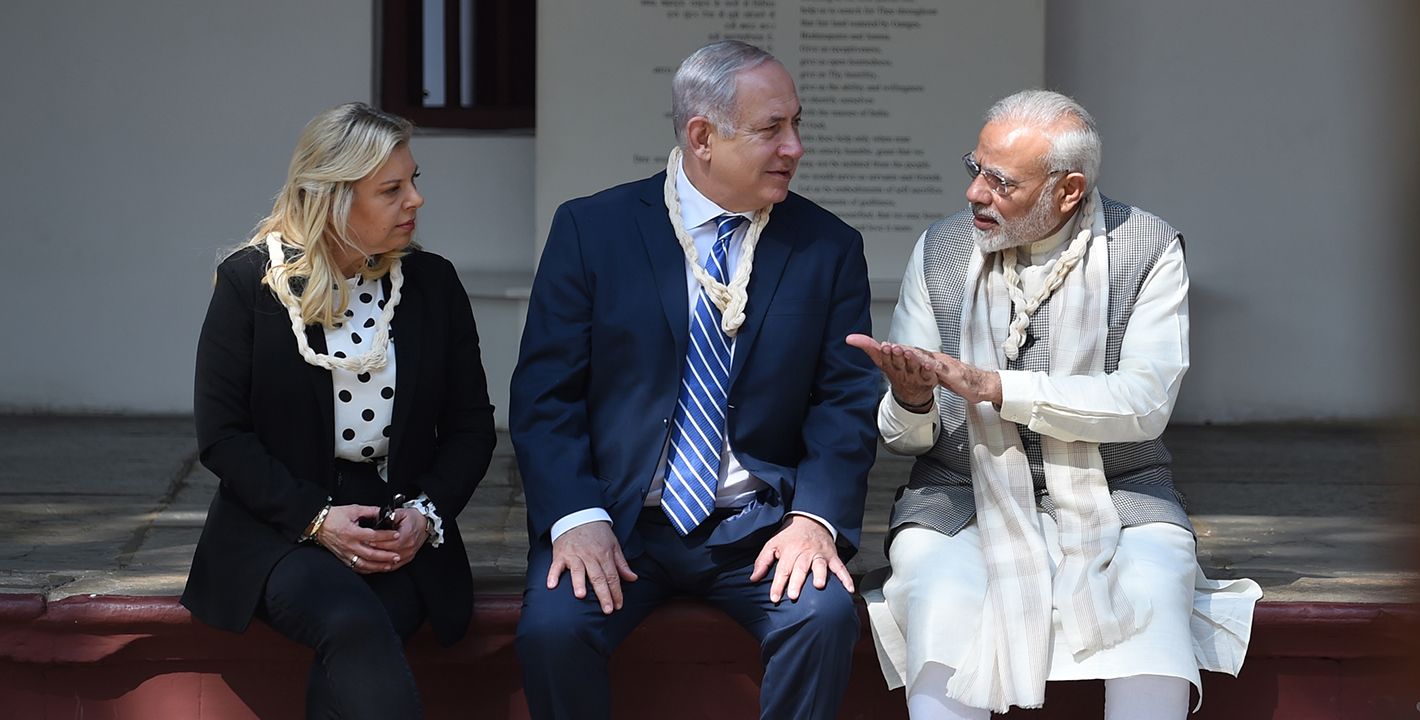
In an interview, Abhinav Pandya discusses the multiple facets of India’s ties with the Middle East.

Armenak Tokmajyan
The interaction of national armed forces and private business sectors offers a useful lens for viewing the politics of numerous countries of the so-called Global South. A rising trend of military political activism—often accompanied by military commercial activity—underlines the importance of drivers and outcomes in these relationships.

Yezid Sayigh, Hamza Meddeb

The Gulf Cooperation Council has shifted its energy export focus to Asia, particularly India and China. This is part of a broader shift as GCC members look to expand their geopolitical alliances away from the West.
Alexandre Kateb
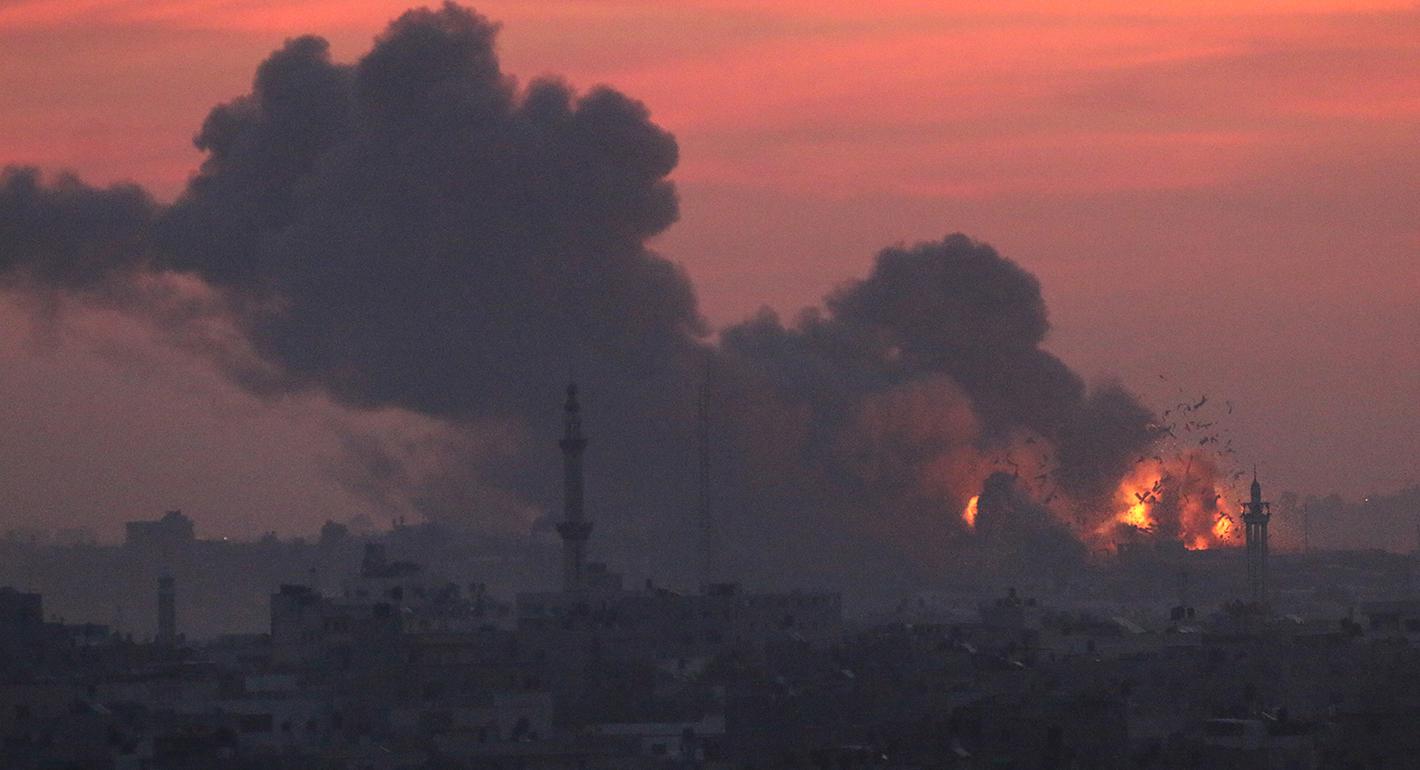
Scholars from Carnegie’s global network comment on how the ongoing conflict between Israelis and Palestinians is affecting their areas of interest, and what the implications of this may be.



Maha Yahya, Rosa Balfour, Judy Dempsey, …
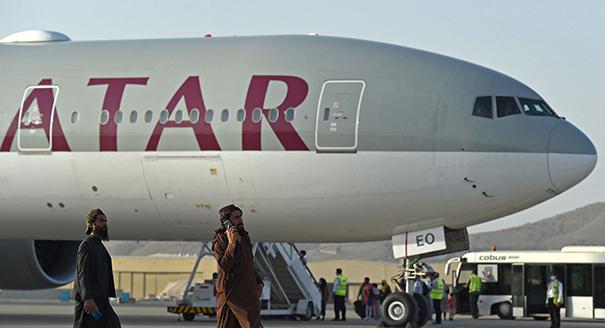
Turkey’s success in finding a role in Afghanistan could bring its leadership valuable benefits.

Marc Pierini