

Commentary
In an interview, Marc Lynch discusses his new book decrying the post-1990 U.S.-dominated order in the Middle East.
Michael Young
{
  "authors": [
    "Se Young Jang"
  ],
  "type": "other",
  "centerAffiliationAll": "dc",
  "centers": [
    "Carnegie Endowment for International Peace"
  ],
  "collections": [
    "Korean Peninsula"
  ],
  "englishNewsletterAll": "ctw",
  "nonEnglishNewsletterAll": "",
  "primaryCenter": "Carnegie Endowment for International Peace",
  "programAffiliation": "NPP",
  "programs": [
    "Nuclear Policy"
  ],
  "projects": [],
  "regions": [
    "East Asia",
    "South Korea"
  ],
  "topics": [
    "Nuclear Policy"
  ]
}
Source: Getty
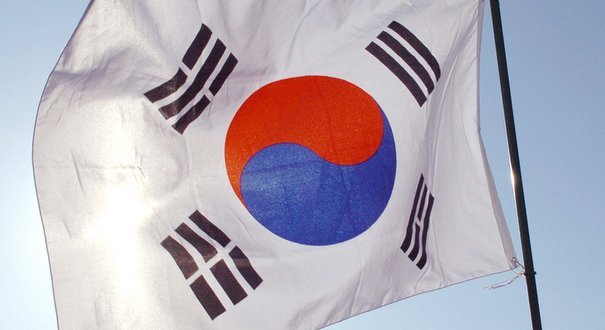
Pressure by the United States was less decisive in forcing South Korea to ratify the NPT in 1975 than commonly assumed.
Source: Wilson Center
In this Nuclear Proliferation International History Project (NPIHP) Working Paper, Se Young Jang challenges the the common narrative that US pressure forced South Korea to ratify the NPT in 1975. Using new evidence from international archives, Jang finds that the decisive pressure came from a different country—Canada.
Pressure by the United States was less decisive in forcing South Korea to ratify the NPT in 1975 than commonly assumed. Records show that a consensus to ratify the treaty was reached within the ROK government by early March 1975—before the US applied meaningful pressure.
There is little evidence that the 1975 Congressional resolution calling on the EX-IM bank to defer financing for reactor construction in Korea had an impact on ROK decision-making. The short time between the introduction of the resolution to the Senate Committee on Foreign Relations on March 7th and the notification of ROK President Park’s decision to ratify the NPT by the Korean Ministry of Foreign Affairs on March 8th suggests the events were not directly related.
South Korea joined the NPT to secure the sale of Canadian heavy-water reactors, whose sale had been made contingent on ratification. The ROK government chose to pursue the plutonium route to a bomb in 1972, making the acquisition of heavy-water reactors critical to the entire project.
The South Korean government did not regard NPT ratification as the end of its military nuclear pursuits. South Korea’s program was not formally suspended until December 1976—over one-and-a-half years after the Korean National Assembly ratified the NPT in March 1975.
Former Nonresident Scholar, Nuclear Policy Program
Se Young Jang was a nonresident scholar in the Nuclear Policy Program at the Carnegie Endowment for International Peace.
Carnegie does not take institutional positions on public policy issues; the views represented herein are those of the author(s) and do not necessarily reflect the views of Carnegie, its staff, or its trustees.

In an interview, Marc Lynch discusses his new book decrying the post-1990 U.S.-dominated order in the Middle East.

Michael Young
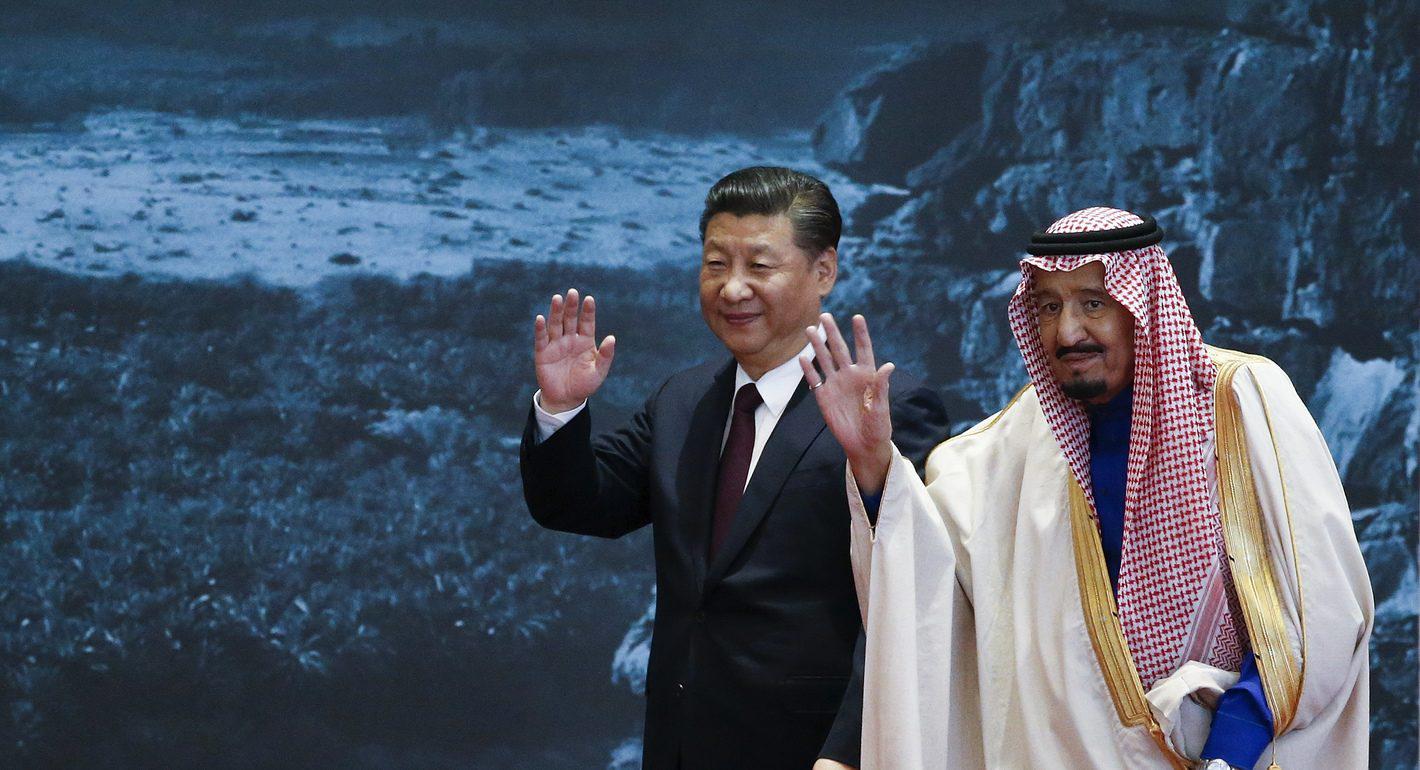
The advantage that China has over other global powers, especially America, is that its foreign policy is closely aligned with those of many of the Middle Eastern countries.


Jin Liangxiang, Maha Yahya, Hesham Alghannam
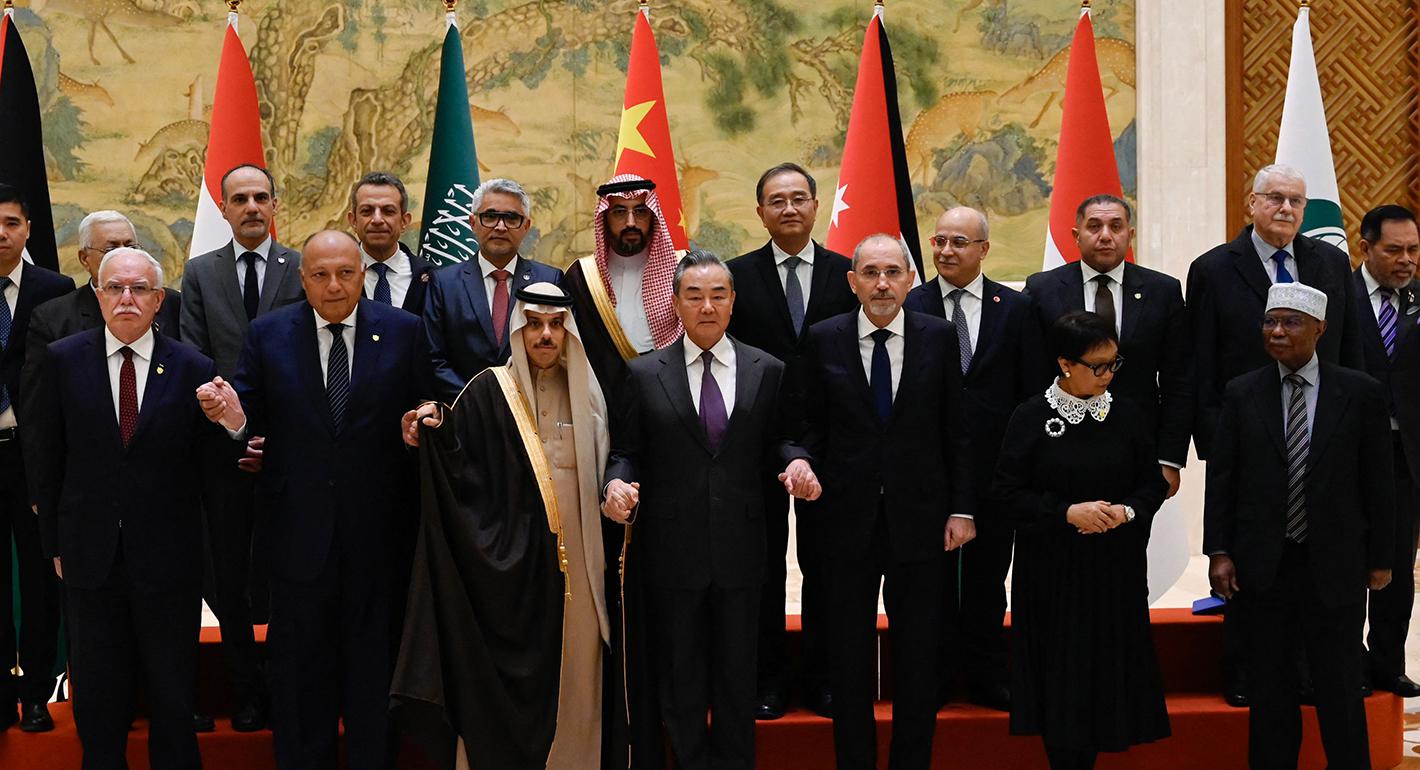
To create an environment more conducive to cooperation and development, U.S. and Chinese efforts should seek the endorsement of neighboring countries and regional organizations. Otherwise, regional and geopolitical rivalries will remain barriers.
Abdullah Baabood

Scholars from Carnegie’s global network comment on how the ongoing conflict between Israelis and Palestinians is affecting their areas of interest, and what the implications of this may be.


Maha Yahya, Rosa Balfour, Judy Dempsey, …
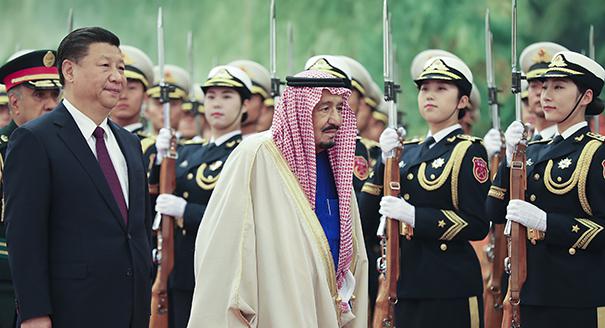
In an interview, Abdullah Baabood discusses Beijing’s evolving role in the Gulf region, where its priority is stability.
Michael Young